
NEW
Font size
 Worksheets
Personal & Community Health
Total questions: 30
Worksheet time: 15mins

•The germs that cause communicable diseases are called _____.
Pathogens
Routes
Insects
Cockroaches

•Which pathogen uses the resources and energy of a cell to grow and reproduce?
Cell
Nucleus
Virus
Zygote

•What are the scientific names of mononucleosis, pink eye, and the flu?
Bacterial conjunctivitis, Streptococcus, Mumps
•mononucleosis, conjunctivitis, and influenza
HIV, Herpes simplex virus, Zika virus
Rhinovirus, Cytomegalovirus, Norovirus
•True or false? Certain medications can eliminate a viral infection.
Antibiotics can treat viral infections.
Vaccines can eliminate all viral infections.
False
Over-the-counter medications can cure viral infections.
•_____ is a period without signs and symptoms associated with a disease.
acute
remix
symptomatic
remission
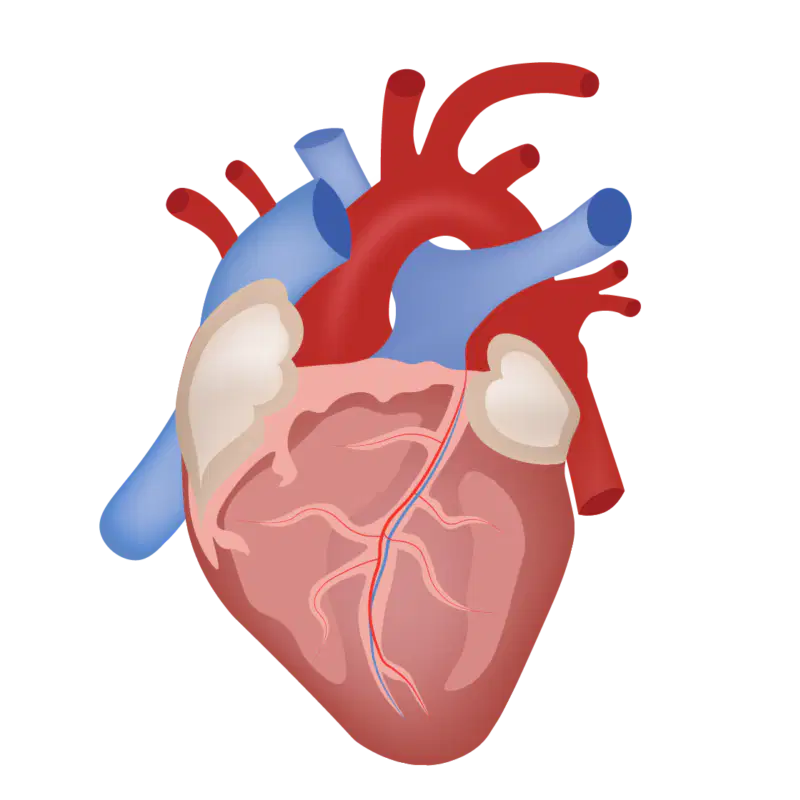
•When the blood flow to the heart stops and the heart cannot receive enough oxygen, a person will experience a _____.
angina
heart attack
sleep
arrhythmia

How long should you wash your hands?
10 seconds
67 seconds
20 seconds
1 minute

•What should you do if you don't have a tissue to sneeze?
Sneeze into your hands.
Sneeze directly into the air.
Hold your breath until you find a tissue.
Sneeze into your elbow.
•A method to train the immune system to eliminate a pathogen is a _____.
vaccine
antiviral treatment
antibiotics
immunotherapy

•An active process that involves becoming aware and making decisions to improve aspects of health is called _____.
disease prevention
Health
Wellness
health education
•The ability to express thoughts and feelings is part of which aspect of health?
Social health
Mental and emotional health
Physical health
Nutritional health

•What is present in every cell of the body and contains the blueprint for the structure and function of each cell?
Genes
Lipids
Proteins
RNA

•A person's culture is part of the person's _____ environment.
economic
natural
political
social

What are the five parts of SMART objectives?
Specific, Measurable, Realistic, Relevant, Time-bound
Simple, Manageable, Achievable, Relevant, Timely
Specific, Measurable, Achievable, Relevant, Timely
Space, Mars, Astronaut, Real, Tarzan

•Using a neutral third party to resolve difficult conflicts is called _____.
mediation
McDonalds
conciliation
negotiation

•What is the term that means to support?
advocate
disapprove
avocado
applebees

•A chronic condition that causes patches of swollen, red, dry, and itchy skin is called _____.
dermatitis
psoriasis
rosacea
eczema
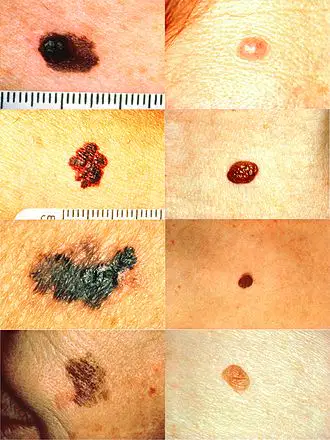
•What are the three types of skin cancer?
Melanocytic nevus
Patrick Star, SpongeBob, Sandy Cheeks
Basal cell carcinoma, squamous cell carcinoma, melanoma
Basal leaves, pumpkin, carrots

A hair condition called _____ is the flaking of dead skin cells from the scalp.
lice
dandelion
psoriasis
dandruff
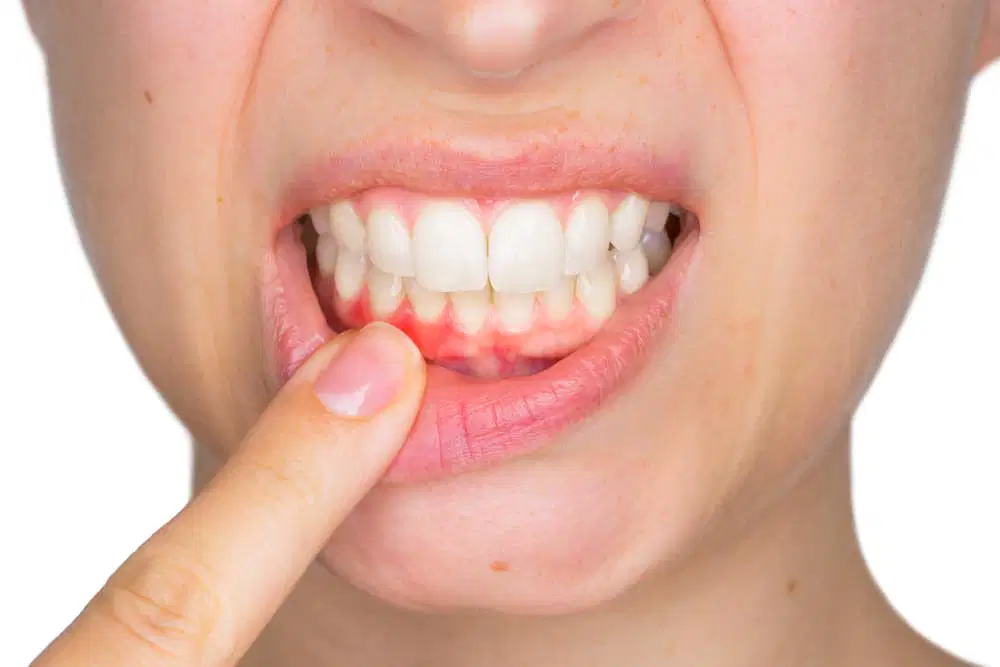
•If the accumulation of plaque irritates the gums, an inflammation called _____ can form.
halitosis
ginger ale
gingivitis
ginger snaps

•Which vision condition involves distant objects appearing blurrier than nearby objects?
Hyperopia
Nearsightedness
Astigmatism
Presbyopia
At how many decibels does hearing damage begin to occur?
70 decibels
90 decibels
85 decibels
100 decibels
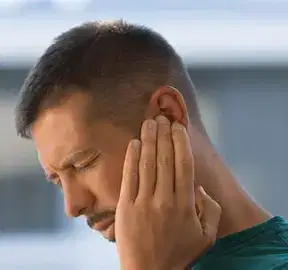
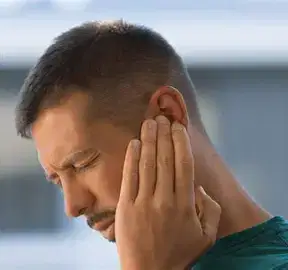
•A pain or ringing in the ears is called _____.
vertigo
otitis
tin man
tinnitus

•Someone who regularly does not get enough sleep will experience a _____.
sleep deficit
alertness
energy
happiness

•Newborns need _____ hours of sleep each night, while adults only need _____ hours of sleep each night.
14-17 hours, 7-9 hours
10-12 hours, 5-6 hours
8-10 hours, 6-8 hours
16-18 hours, 5-7 hours
There are 30 cows in a field, 28 chickens. How many did not?
10
20
15
12

What is Coach Cobb's quote of the day?
6! 7!
Don't crash out!
An apple a day keeps the doctor away
Cloack dat tea!

What's the largest organ in/on the human body?
What are the spider-shaped cells that protect the skin from harmful UV rays?

What do you call a cow with no legs?

