
 Worksheets
Environmental Conditions Part II
Total questions: 62
Worksheet time: 32mins
The effects of environmental cold stress and cold illness include:
Shivering, numbness, hypothermia, and frostbite
Increased sweating and heat exhaustion
Rapid heartbeat and dehydration
Sunburn and heat stroke
Methods to assess, treat, and prevent lightning-related injury include:
Rapid assessment, cardiopulmonary resuscitation, wound care, and seeking shelter during storms
Ignoring symptoms, delaying treatment, and staying outdoors during storms
Only using home remedies and avoiding medical care
Waiting for symptoms to resolve without intervention
High altitude can cause which of the following altitude-related illnesses?
Acute mountain sickness, high-altitude pulmonary edema, and high-altitude cerebral edema
Common cold, influenza, and bronchitis
Diabetes, hypertension, and arthritis
Asthma, pneumonia, and tuberculosis
Air quality monitoring and guideline procedures involve:
Measuring pollutants and setting standards for safe air quality.
Only measuring temperature and humidity.
Focusing solely on indoor air quality.
Ignoring pollutant levels and relying on weather forecasts.
Define the term 'Wind-Chill Factor'.
Wind-Chill Factor is the measure of how cold it feels outside when the wind is taken into account with the actual air temperature.
Wind-Chill Factor is the measure of humidity in the air during winter.
Wind-Chill Factor is the speed of wind during a storm.
Wind-Chill Factor is the temperature at which water freezes due to wind.
What is the 'Flash-to-Bang Method'?
The Flash-to-Bang Method is a technique used to estimate the distance of lightning by counting the seconds between seeing the flash and hearing the thunder.
It is a method used to measure the speed of sound in water.
It is a technique for predicting earthquakes by monitoring animal behavior.
It is a way to calculate the time it takes for a camera flash to recharge.
Explain the '30/30 rule'.
The 30/30 rule is a safety guideline for lightning: if the time between seeing lightning and hearing thunder is 30 seconds or less, seek shelter, and wait at least 30 minutes after the last thunder before leaving shelter.
The 30/30 rule is a guideline for exercise: exercise for 30 minutes and rest for 30 minutes.
The 30/30 rule is a cooking rule: cook food for 30 minutes at 30 degrees Celsius.
The 30/30 rule is a study technique: study for 30 minutes and take a 30-minute break.
What is hypothermia?
Hypothermia is a medical emergency that occurs when the body loses heat faster than it can produce it, causing the body temperature to drop to dangerously low levels.
Hypothermia is a condition where the body overheats due to excessive sun exposure.
Hypothermia is a disease caused by bacteria in contaminated water.
Hypothermia is a type of allergic reaction to cold foods.
Just as humidity can increase problems in the heat, wind and moisture can complicate performance in cold weather.
True
False
The effect of wind in cold temperatures is known as ________.
wind chill
frostbite
dew point
heat index
The velocity of wind cools the air, making temperatures cooler than the temperature reads.
True
False
Formation of ice crystals between cells destroys the cells, disrupts blood flow, and may encourage the formation of what?
Blood clots
White blood cells
Hormones
Enzymes
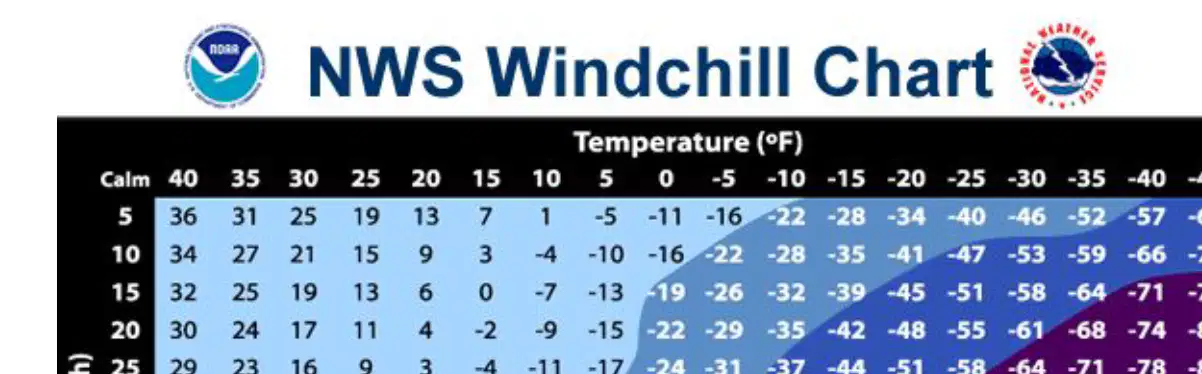
According to the NWS Windchill Chart, what is the wind chill (°F) when the temperature is 10°F and the wind speed is 30 mph?
-12°F
5°F
-2°F
-20°F
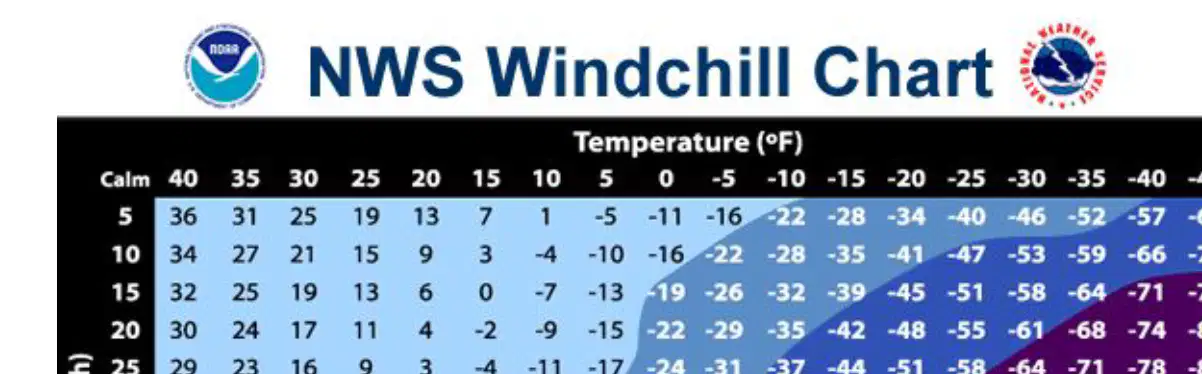
If the air temperature is 0°F and the wind speed is 40 mph, what is the wind chill (°F) according to the NWS Windchill Chart?
-15°F
-5°F
0°F
-25°F

According to the NWS Windchill Chart, at what wind chill value does frostbite occur in 5 minutes?
At wind chill values in the purple shaded area (approximately -48°F and lower).
At wind chill values in the yellow shaded area (approximately -10°F and lower).
At wind chill values in the green shaded area (approximately 0°F and lower).
At wind chill values in the blue shaded area (approximately -20°F and lower).
Hypothermia occurs when the body's core temperature drops below what value?
98.6°F
95°F
90°F
85°F
A drop in core temperature stimulates shivering, but shivering stops after temperature drops below _____
86-90°
92-95°
98-100°
80-85°
Death is imminent when temperature falls below 95°.
True
False
What percentage of body heat is lost through radiation?
20%
50%
65%
33%
Problems occur when heat loss exceeds heat production via _____.
metabolism
respiration
digestion
evaporation
Which of the following is NOT a symptom of hypothermia?
Shivering
Slurred speech
Increased motor control
Confusion
What happens to shivering during severe hypothermia?
It increases
It stops
It becomes irregular
It causes sweating
Immediate treatment for hypothermia includes removing wet clothing, moving to a warmer environment, and applying heat to the ________, groin, and neck.
armpits
feet
hands
knees
If symptoms of hypothermia do not improve within (a) minutes, you should contact EMS.
Why should shoes that are too tight be avoided to prevent hypothermia?
Shoes that are too tight will impede circulation and may contribute to a cold illness.
Tight shoes will keep your feet warmer by trapping heat.
Tight shoes are more fashionable in cold weather.
Tight shoes are easier to walk in on snow.
What can inadequate clothing, improper warm-up, and chill factor lead to?
Injury, frostbite, and/or minor respiratory problems
Increased energy levels and stamina
Improved flexibility and muscle growth
Enhanced immune system response
What is 'afterdrop' in the context of hypothermia?
Continued drop of core temperature after the removal from cold exposure
Sudden increase in core temperature after rewarming
Development of frostbite after hypothermia treatment
Immediate normalization of body temperature after rescue
In severe cases, what can afterdrop cause?
Shock or cardiac arrest
Mild headache
Increased appetite
Faster healing
Frostnip involves which parts of the body?
ears, nose, chin, fingers, and toes
stomach, back, and chest
thighs, calves, and hips
shoulders, elbows, and knees
How does the skin appear in frostnip?
Skin appears firm with cold, painless areas that may peel and blister (24-72 hours)
Skin appears red, swollen, and warm to touch with pus formation
Skin appears dry, cracked, and scaly with intense itching
Skin appears moist, white, and wrinkled with a burning sensation
You should rub the area affected by frostnip to help it heal.
True
False
What is frostbite?
Freezing of skin and other tissues, resulting in reduced blood flow and potentially permanent damage to affected areas
Overheating of the skin
A type of burn caused by fire
A skin allergy
Which of the following is NOT a symptom of superficial frostbite?
Appears pale, hard, cold and waxy
Area feels numb, then stings and burns when rewarming
It may blister and be painful for several weeks
Causes immediate fever
When rewarming a frostbitten area, how will it feel?
It will feel numb, then sting and burn
It will feel hot and sweaty
It will feel itchy
It will feel normal immediately
What does deep frostbite indicate?
Mild skin irritation
Frozen skin requiring hospitalization
Sunburn
Allergic reaction
What is the recommended temperature range for hot water when rewarming an area affected by deep frostbite?
80-90° F
100-108° F
120-130° F
60-70° F
Tissue affected by deep frostbite will become blotchy, red, swollen, painful and may become _________
gangrenous
itchy
bruised
infected
What should be done as soon as possible for someone with deep frostbite?
Give them cold water
Transport to hospital
Apply ice
Let them rest at home
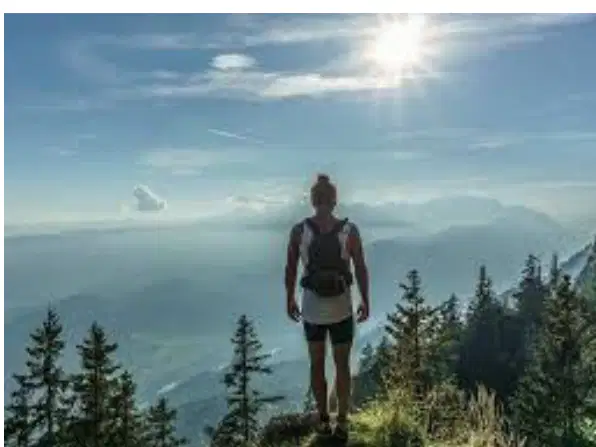
Acclimatization refers to which of the following, and what are some ways the body adapts to the environment?
The process by which the body adjusts to changes in its environment, such as temperature or altitude, by physiological changes like increased red blood cell production or sweating.
A type of disease caused by environmental factors, such as pollution or toxins.
A method of training the mind to ignore environmental changes.
A process of artificially changing the environment to suit the body.
What makes it harder for the body to utilize oxygen in the cells during sports participation?
High temperature
High altitude
Low humidity
High pressure
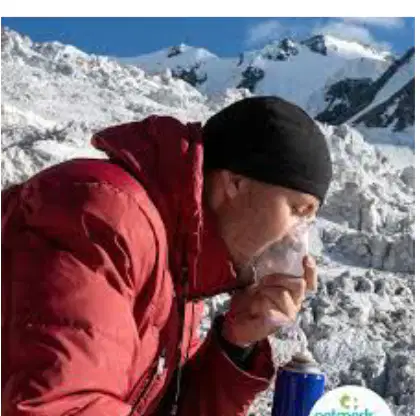
Acclimatization at high altitudes can increase ______ and stamina.
endurance
appetite
vision
hearing
As altitude increases, what happens to maximum oxygen uptake and performance?
Maximum oxygen uptake increases, resulting in an increase in performance
Maximum oxygen uptake decreases, resulting in a decrease in performance
Maximum oxygen uptake remains the same
Performance increases regardless of oxygen uptake
How does the body compensate for reduced oxygen uptake at high altitude?
The body compensates through tachycardia and hyperventilation.
The body compensates by decreasing heart rate and reducing breathing rate.
The body compensates by increasing digestion and lowering blood pressure.
The body compensates by reducing red blood cell production.
The common factor with altitude sickness is the correlation of how fast a person _______ in elevation.
ascends
descends
sleeps
breathes
What are the symptoms of altitude-related illness?
headaches, dizziness, fatigue, dyspnea, nausea, difficulty breathing, lung edema, brain edema, or even death
increased appetite, improved sleep, enhanced memory, and rapid healing
improved vision, increased energy, and stronger bones
weight gain, hair growth, and improved digestion
What are the symptoms of lung edema?
dry cough, cyanosis, labored breathing, and pink frothy spit
headache, blurred vision, and nosebleeds
abdominal pain, diarrhea, and jaundice
joint pain, rash, and hair loss
What are the symptoms of brain edema?
altered mental status, difficulty speaking, paralysis, and loss of consciousness
increased appetite, improved vision, and rapid hair growth
frequent sneezing, itchy skin, and runny nose
enhanced memory, faster reflexes, and stronger muscles
Which of the following is NOT a symptom of altitude-related illness?
A) Headaches
B) Dizziness
C) Increased appetite
D) Fatigue
Which of the following is a recommended treatment for altitude-related illness?
Give supplemental oxygen
Take antibiotics
Increase altitude
Avoid water

What is the # (a) cause of death by weather phenomena?
Why did NATA establish a position statement regarding lightning?
Due to the number of athletes and coaches potentially exposed to lightning scenarios
To promote sports safety in general
To improve weather forecasting
To reduce insurance costs
Emergency action plans for lightning events should involve chain of command, monitoring of weather service, and decision making regarding ______ and return to field.
removal
hydration
equipment check
practice
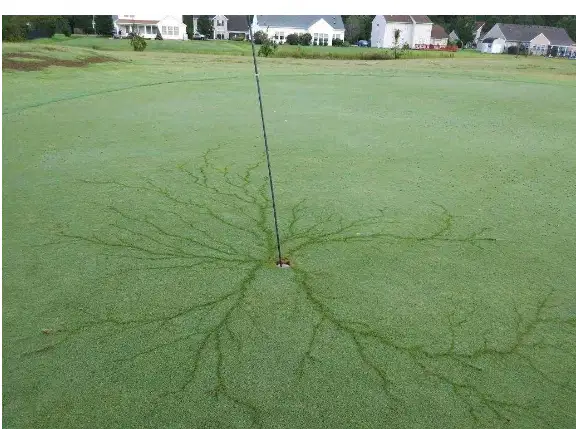
Which of the following should you avoid during a lightning storm?
Large trees
Flag/light poles
Standing water
All of the above
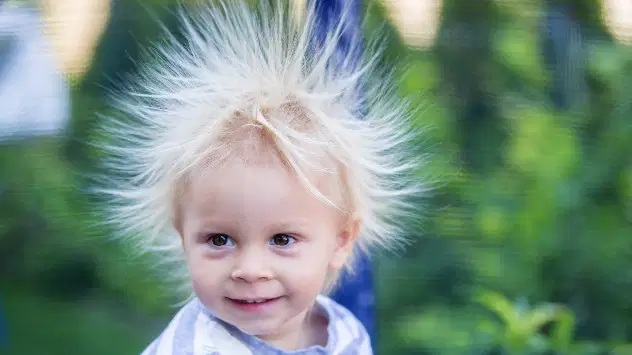
If the hair stands up on the back of your neck during a lightning storm, you are in imminent danger.
True
False
What does the Flash-to-bang method estimate?
The speed of lightning
The distance away from the storm
The amount of rainfall
The temperature during a storm
According to the Flash-to-bang method, how do you calculate the number of miles away from a storm?
Count the seconds between lightning and thunder and multiply by 2
Count the seconds between lightning and thunder and divide by 5
Count the seconds between thunder and lightning and divide by 10
Count the seconds between thunder and lightning and multiply by 5
NATA and National Weather Service recommend returning to the field ______ minutes following the last clap of thunder or lightning strike.
30
10
15
45
What does the NWS Air Quality Index (AQI) provide?
Weather forecasts
Real-time data on air pollution levels
Sports schedules
Water quality reports
Which of the following is NOT monitored by the AQI?
Ground-level Ozone
Particle Pollution (particulates)
Carbon Monoxide
Water Vapor
Which of the following is a guideline for schools and athletic programs regarding air quality?
Ignoring air quality reports
Adjusting or canceling events
Increasing outdoor activities
None of the above
Which of the following is a guideline for schools and athletic programs to help with air quality?
Mask usage
No changes to routine
Increase outdoor exposure
None of the above
According to the information provided, if the AQI surpasses what value should schools consider rescheduling events?
150
50
100
200

