
 Worksheets
Unit 1A Review: Elements, Compounds, Changes TEKS 7.6ABC
Total questions: 50
Worksheet time: 27mins
Element or Compound: CO2
Element
Compound
Element or Compound: Sn
Element
Compound
Element or Compound: S8
Element
Compound
Element or Compound: NH3
Element
Compound
Element or Compound: NaHCO3
Element
Compound
Element or Compound: Co
Element
Compound
Element or Compound: Combinations of two or more types of atoms
Element
Compound
Element or Compound: Combinations of two or more elements
Element
Compound
Element or Compound: Able to be broken down into simpler substances by a chemical reaction
Element
Compound
Element or Compound: A pure substance
Element
Compound
Element or Compound: Can be a molecule
Element
Compound
Element or Compound: Represented by a chemical symbol
Element
Compound
Element or Compound: Made up of atoms
Element
Compound
Element or Compound: Made from all the same type of atoms
Element
Compound
Element or Compound: Cannot be broken down further
Element
Compound
Element or Compound: Must be a molecule
Element
Compound
Element or Compound: Has different properties than the parts that make it up
Element
Compound

What could this model most likely represent?
Element
Compound
Atom
Molecule
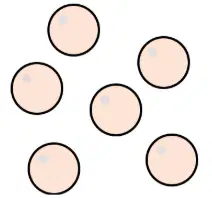
What could this model most likely represent?
Element
Compound
Atoms
Molecules
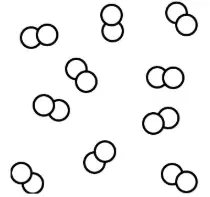
What could this model most likely represent?
Element
Compound
Atoms
Molecules
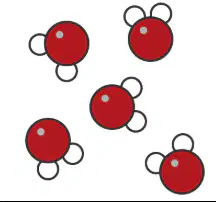
What could this model most likely represent?
Element
Compound
Atoms
Molecules
Compare: H2O and H2O2
Same chemical formulas
same elements
same molecules
same compounds
Contrast: H2O and H2O2
different chemical formulas
different elements
different symbols
different compounds
How many atoms make up a molecule of baking soda, NaHCO3?
6
4
5
3
How many elements make up a molecule of baking soda, NaHCO3?
6
4
5
3
How many atoms of each element make up a molecule of baking soda, NaHCO3?
Na = 1
H = 1
C = 1
O = 3
Na = 3
H = 3
C = 3
O = 3
Na = 1
H = 1
C = 1
O = 1
How many atoms of each element make up a molecule of baking soda, NaHCO3?
sodium = 1
hydrogen = 1
carbon = 1
oxygen = 3
sodium = 6
hydrogen = 6
carbon = 6
oxygen = 6
sodium = 1
hydrogen = 1
cobalt = 4
nitrogen = 1
hydrogen = 1
cobalt = 3
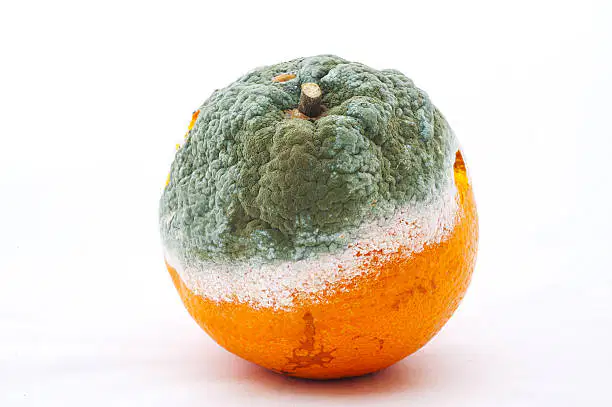
Physical Change or Chemical Change:
rotting fruit
Physical Change
Chemical Change

Physical Change or Chemical Change:
squeezing an orange
Chemical because a new substance was created
Physical because you are just changing the shape.

Physical Change or Chemical Change:
dissolving sugar in water
Physical Change
Chemical Change
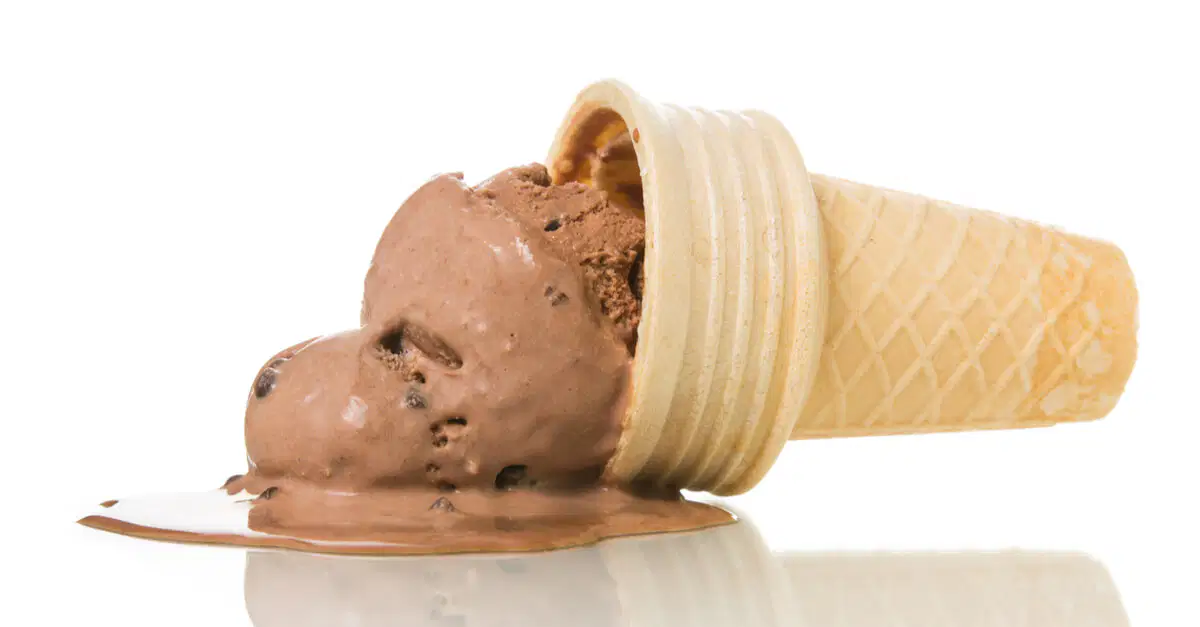
Physical Change or Chemical Change:
melting ice-cream
Physical Change
Chemical Change

Physical Change or Chemical Change:
burning wood
Physical Change
Chemical Change
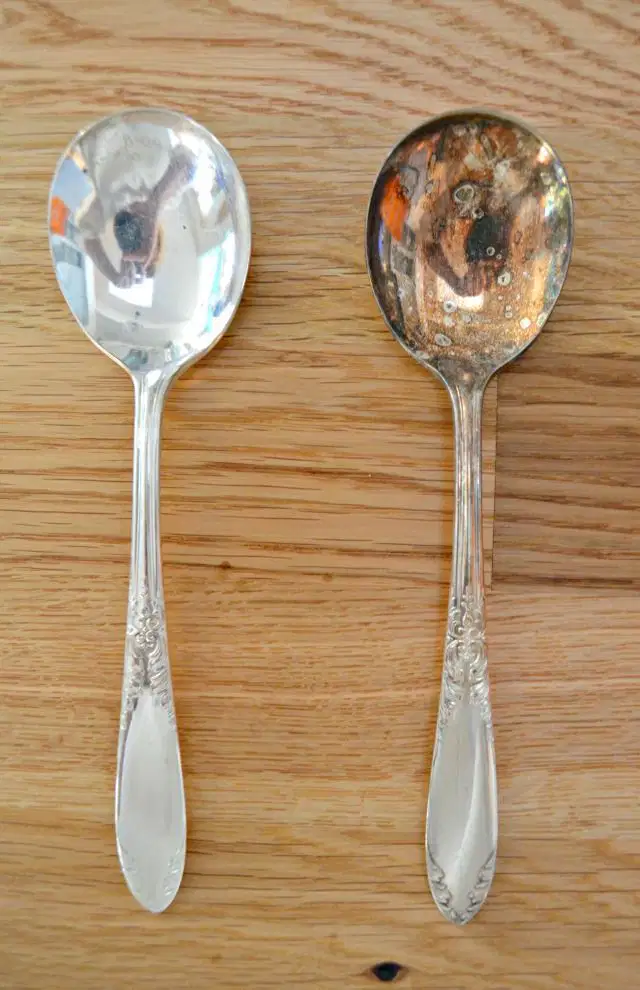
Physical Change or Chemical Change:
silver tarnishing
Physical Change
Chemical Change
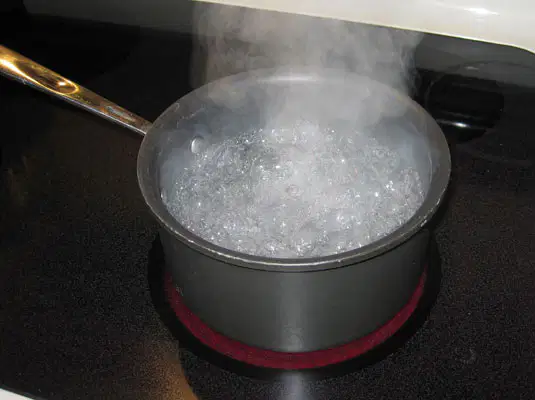
Physical Change or Chemical Change:
boiling water
Physical Change
Chemical Change

Physical Change or Chemical Change:
iron rusting
Chemical change
Physical change

Physical Change or Chemical Change:
Bubbles form when two or more substances are combined
(notice: no heat applied!)

Physical Change or Chemical Change:
leaves in Autumn change colors
Chemical change
Physical change
Physical Change or Chemical Change:
evaporating water
Chemical change
Physical change

Physical Change or Chemical Change:
change in smell or taste
Chemical change
Physical change

Physical Change or Chemical Change:
the candle wick is burning and the wax is melting
Only Physical
Only Chemical
Both Physical and Chemical

This is the chemical equation showing the reaction between vinegar and baking soda.
NaHCO3 + C2H4O2 → NaC2H3O2 + H2O + CO2
Which of the following is true based on this information?
new substances formed
some of the substances disappeared and left others behind
this is a physical change
the substances did not change
This is the chemical equation showing the reaction between vinegar and baking soda.
NaHCO3 + C2H4O2 → NaC2H3O2 + H2O + CO2
How do you know this is a chemical change?
The starting and ending substances have the same properties
The starting and ending substances have different properties
the starting substances have the same properties
the starting substances have different properties

Why is the below picture an example of a physical change?
The pencil is a different color
The materials making up the pencil did not change
It is no longer a pencil
A new substance was made
Which of the following could be an indication that a physical change occurred? (choose 3)
Change in size
Change in shape
Change in state of matter
A new substance is created
Which of the following could indicate a chemical change has occurred? (choose 3)
Change in size
Bubbles or fizzing
Change in state of matter
Change in color
Change in temperature
A chemical change-
changes the physical properties of an object, but does not create a new substance.
creates a new substance with a different combination of bonded atoms.
Physical or Chemical: involves making or breaking chemical bonds between atoms of a molecule
Chemical change
Physical change
Physical or Chemical: involves changing the arrangement or location of molecules in a substance, but does not break any chemical bonds
Chemical change
Physical change
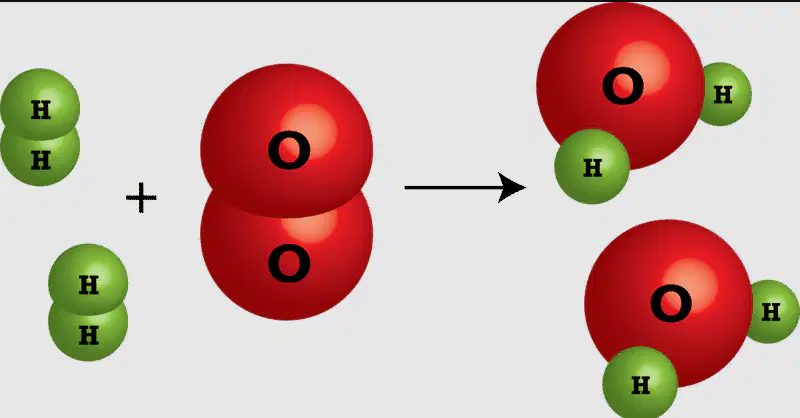
Physical Change or Chemical Change?
Chemical change
Physical change
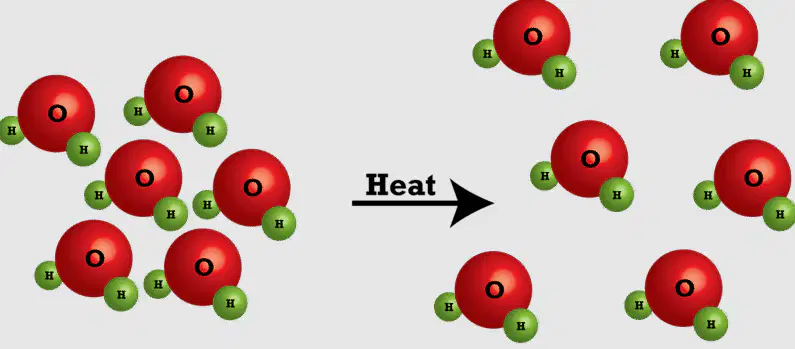
Physical Change or Chemical Change?
Chemical change
Physical change

