
 Worksheets
Domain 4 Summative Exam
Total questions: 78
Worksheet time: 50mins

What is this political cartoon suggesting since it includes the United States, Hawaii, Puerto Rico, and other places?
A. American imperialism created an American empire.
B. These were America's main trading partners and allies.
C. The bald eagle became the official bird of the Western Hemisphere.
D. America was finally strong enough as a nation to "spread its wings" in 1898.

This political cartoon from 1898 is referring to which of these?
World War I
U.S. Imperialism
Yellow Journalism
White Man's Burden
Choose the three correct statements that describes the United States' movement from neutrality to engagement in World War I.
As a result of the sinking of the Lusitania the United States declared war on Germany in 1916.
One of the main causes of the United States declaring war on Germany was the use of unrestricted submarine attacks.
President Wilson campaigned in the 1916 election with the slogan "He kept us out of war."
Prior to the war the United States gave more loans and had more trade with Germany than Great Britain.
The United States began to support war against Germany after the Zimmerman telegram was intercepted.
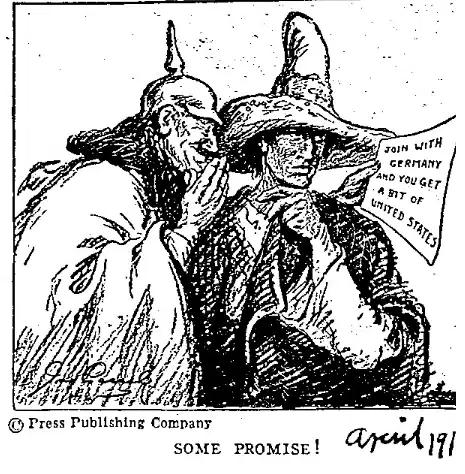
Using the political cartoon provided, why was the Zimmerman Telegram a reason for the United States to join World War I?
It provided weapons to Germany.
It asked the United States to join the war.
It asked Mexico to join the war with Germany.
It had secret information about Pearl Harbor.
During World War I, the western front in Europe was characterized by
trench warfare.
constant movement of troops.
unrestricted submarine warfare.
the breakdown of the Russian defense.
Three events contributed to President Woodrow Wilson's decision to request a declaration of war against Germany from Congress on April 2, 1917. Which of the following lists includes these events?
The sinking of the Lusitania, the Zimmermann Telegram, and Germany's resumption of unrestricted submarine warfare
The signing of the Treaty of Versailles, the Russian Revolution, and the League of Nations formation
The assassination of Archduke Franz Ferdinand, the Battle of the Somme, and the Christmas Truce
The Emancipation Proclamation, the Boston Tea Party, and the Missouri Compromise

Choose the THREE items that correctly describe the contributions of Henry Ford to early 20th Century.
Ford was one of the first to offer a high guaranteed daily wage- $5- for his workers.
Ford invented the automobile.
One of Ford's most popular early cars was the Model T.
Ford became successful because of the newest technologies that were included in his cars.
Ford was able to use the assembly line to make many cars quickly and efficiently.

Early Consumerism:
Use this quote and accompanying image to answer the question.
The Ford advertisement
makes owning a car seem like a luxury.
makes owning a car seem like a burden.
encourages purchasing a car when you can afford it
encourages purchasing a car by making installment payments

This quotation in the advertisement best describes which time period?
The Jazz Age
The Progressive Era
The First Red Scare
The Great Depression
In the early 20th century, American culture was affected by radio and the movies because
Americans became generally more accepting of a standard culture.
Americans became more interested in history than in entertainment.
the National Football League was "on hold" because of World War I.
one's occupation and career was not important in social situations.
"Okies" are MOST associated with what era of United States History?
World War II
The Gold Rush
Great Migration
Great Depression
By the start of 1929, more than half of the U.S. population was living below the poverty line. A major and immediate effect of this situation would be:
New Deal programs being created.
consumer goods were not being sold.
the stock market crash put people out of work.
wealthy people were losing huge sums of money.

Based on your knowledge of U.S. History, this logo is MOST associated with which time period?
World War I
The New Deal
World War II
The Progressive Era

Also based on your knowledge of U.S. History and the logo itself, which of these would have been MOST likely to have been a project undertaken by the Civilian Conservation Corps (CCC)?
fixing the banking industry
military training for young men
creating a state or national park
providing benefits to the elderly
The MOST significant impact on the crash of the stock market in the United States in 1929 was caused by:
Over-speculation in stocks
The end of World War I
The discovery of gold in California
The invention of the automobile
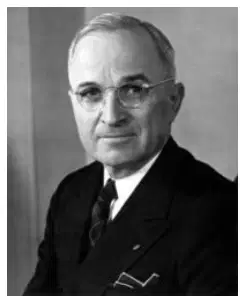
Why did President Harry S. Truman decide to hit the Japanese cities of Hiroshima and Nagasaki with two atomic bombs in 1945?
He knew doing so would win him another term as U.S. President.
He wanted revenge of the Japan's use of atomic bombs on Pearl Harbor.
He agreed to do it because Germany was ready to use an atomic bomb on England.
He hoped to prevent a ground invasion of Japan and save the lives of American soldiers.
Choose three correct statements that describe the First Red Scare in the United States after World War I.
Membership in labor unions increased in the 1920's.
The "First Red Scare" refers to the period after World War I where there was widespread fear of the spread of communism.
The National Origins Act set quota limits in order to limit immigrants from certain countries.
The Chinese Communist revolution led to fears of communism in the United States.
The Palmer Raids were led by Attorney General Palmer and deported suspected communists and anarchists from the United States.
Which of the following was a major cause of the Great Depression in the United States?
overproduction of consumer goods
underproduction by American farmers
currency deflation in the United States economy
the refusal of banks to invest in new businesses
The Red Scare following World War I was caused primarily by
the influenza outbreak.
fear of airborne diseases.
the actions of Wisconsin Senator Joseph McCarthy.
fear of communist infiltration of the United States.
Fearing an erosion of American sovereignty, the U.S. Senate was unwilling to enter this international peace-keeping organization in the 1920s.
United Nations.
the Warsaw Pact.
League of Nations.
North Atlantic Treaty Organization.
Gangsterism
The 18th Amendment
bootleggers
speakeasies
All of these terms are associated with what era in American history?
Prohibition
World War II
Civil Rights
Women's Suffrage
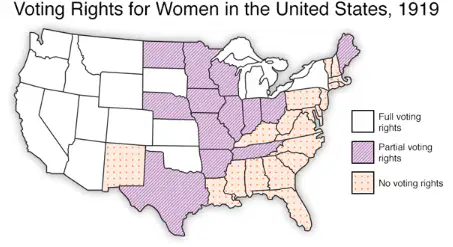
Based on this map, one can infer that women in the early 20th Century
were not allowed to vote in the Midwest.
had full voting rights in the Southeastern states.
did not have the benefit of suffrage in the western states.
had their voting rights protected by the federal government.
generally could not vote in states along the eastern seaboard.
Henry Ford was one of the most influential people of the Twentieth Century when he created the assembly line. What were three impacts of the assembly line on the American economy?
it increased trade with the Far East
made goods more easily available to consumers
lowered prices of goods
use of credit cards increased
increased productivity
New products such as refrigerators, washing machines and automobiles led to increased
isolation.
education.
consumerism.
teen culture.
During the 1920s, consumers became able to buy "big ticket" items which were previously only affordable to the wealthy. Which factor played the GREATEST role in consumers' ability to buy refrigerators, washing machines, radios, and cars?
stock market speculation
credit or "installment buying"
decreased federal income taxes
low interest rates on home loans
Which historical occurrence most significantly contributed to the Harlem Renaissance?
The Great Migration of the early 1900s
the Plessy v. Ferguson decision of the Supreme Court
the sinking of the Lusitania and the beginning of World War I
the election of Theodore Roosevelt as President of the United States
After World War I, the MAJOR cause of the migration of many African Americans to the North was:
increased job opportunities in Northern factories
the end of racial discrimination in the South
better climate in the North
the availability of free land in the North
The “flapper” style that emerged among women in the 1920s, characterized by short skirts and bobbed hair, demonstrated the
emphasis on formal behavior.
changing perceptions of women.
effects of the Great Depression.
popularity of European lifestyles.
It can be argued that radio's MOST important contribution to American life in the 1920s was
broadcast updates about the growing “Dust Bowl.”
it helped to create a common culture in the United States.
people could keep posted on all news about the war with Japan.
those in the city could hear Broadway plays instead of attending them.
Choose the three statements that CORRECTLY describe one of the causes of the Great Depression.
“Buying on the margin” was considered a risk free way of playing the stock market since the broker guaranteed your investment.
The novel Grapes of Wrath describes a family migrating to California due to the Dust Bowl.
Overproduction was a leading cause of the great Depression because of increased technologies and decreased demand for goods after WWI.
"Okies" was the nickname given to families who left the Dust Bowl and migrated further West for new opportunities.
Bank runs were caused by people panicking to withdraw their money, which led to thousands of banks failing.
Which of these played the BIGGEST role in causing the Dust Bowl?
high demand for agricultural crops
the lack of pesticides to protect farms
a lack of available labor for the fields
a reliance on industrial machinery in farming
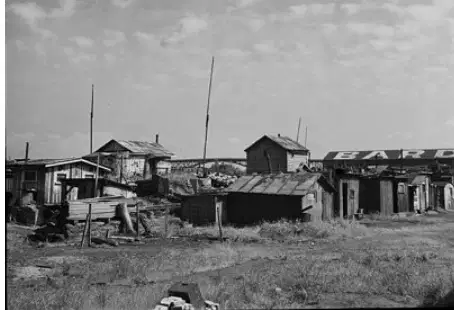
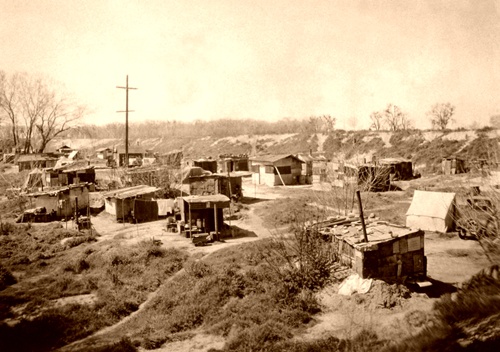
This photograph of a slum was taken in 1935. These slums were nicknamed after the U.S. President who was often blamed for the economic plight of the country during that period. Who was that President?
Harry Truman
Herbert Hoover
Calvin Coolidge
Warren G. Harding
Overproduction and underconsumption factored into causing the Great Depression by
causing falling prices on goods.
forcing a decrease in mechanization.
leading to more spending than saving.
scaring farmers into growing fewer crops.
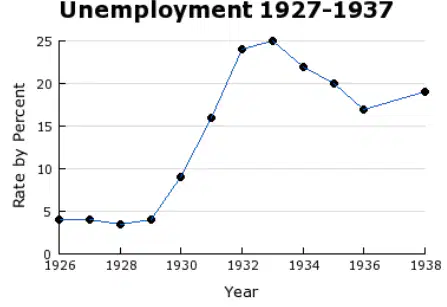
The rapid change in the percentage of unemployed people in the United States from 1927 to 1932 reflects changes caused by
World War I.
the New Deal.
World War II.
the Great Depression.

In this editorial cartoon, the relationship between the United States and the Republic of Santo Domingo is:
The editorial cartoon illustrates United States domination over the Republic of Santo Domingo.
The editorial cartoon illustrates United States protecting the Republic of Santo Domingo.
The editorial cartoon illustrates conflict between the United States and the Republic of Santo Domingo.
The editorial cartoon illustrates the economic troubles between the United States and the Republic of Santo Domingo.
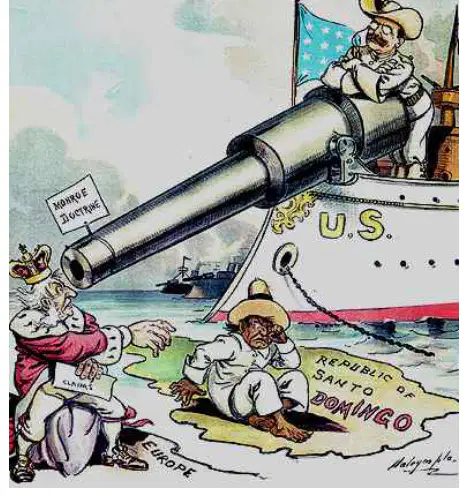
Based on this cartoon, how did the addition of the Roosevelt Corollary to the Monroe Doctrine change the perception of the United States around the world?
The corollary contributed to other nation's perception of the US as a weak new country.
The corollary showed the world that the United States is a force on the world front that cannot be ignored.
The corollary illustrated the weaknesses of the United States in terms of diplomacy with other world nations.
The corollary weakened the initial strength of the Monroe Doctrine and made it's policies more difficult to enforce.

What official foreign policy BEST coincides with the picture above?
Monroe Doctrine
Platt Amendment
The Square Deal
Roosevelt Corollary
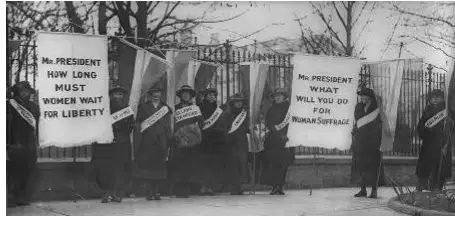
The suffragettes in the photograph shown are exercising their rights found in what amendment?
1st
5th
10th
19th
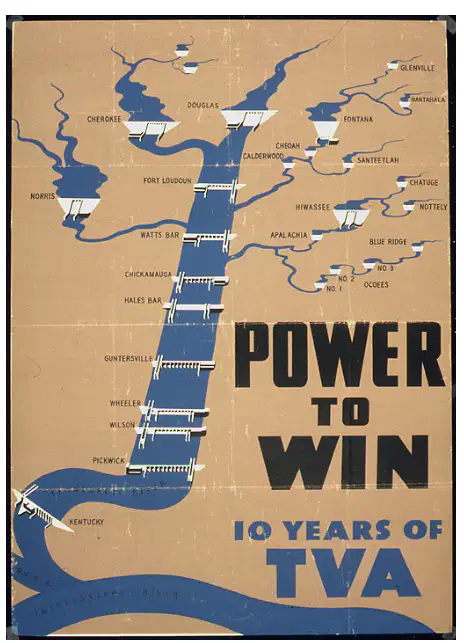
The Tennessee Valley Authority was a great public works project that provided many jobs for people during the Great Depression.
What were TWO other reasons that the TVA was important to this region of America?
The TVA provided irrigation and flood control for this region of the USA.
The TVA provided hydroelectric power and flood control for this region of the USA.
The TVA provided clean water and recreational opportunities for this region of the USA.
The TVA provided hydroelectric power and new habitats for wildlife in this region of the USA.

The source is an example of which 20th century historical development?
government guiding economic life
government intervention in the economy
government encouraging free market policies
governments controlling their national economies
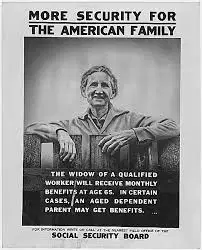
President Franklin Roosevelt is credited with increasing the power of the federal government in an attempt to relieve the Great Depression by
overriding Congress and suspending all income taxes.
cutting government agencies and reducing federal spending.
creating many new agencies and implementing new legislation such as the Social Security Act.
creating the Reconstruction Finance Corporation and loaning money to banks and railroad companies,

Where would you be MOST likely to find a sign like this one?
a car dealership
a post office
a school
a bank
Which of these BEST describes how the Agricultural Adjustment Administration (AAA) had an effect on farmers in Alabama and other parts of the American South?
It required southern farmers to pay higher wages.
It taxed the agricultural goods from northern states.
It limited the production of cash crops, such as cotton.
It increased the number of American agricultural exports.
Which event in history is seen by many people as the beginning of the Great Depression in the United States?
the Stock Market Crash of 1929
the beginning of the Dust Bowl
the end of fighting in World War I
the creation of the Federal reserve
The Judiciary Reorganization Bill of 1937 - often called the "Court-Packing Bill" - is notable in FDR's New Deal because it
suggested that aging Supreme Court Justices be forced to retire.
was the first of his bills to ever make it out committee in Congress.
created a Federal court system that would eliminate the Supreme Court.
showed that FDR's conservative opponents could effectively block his proposals.
During the 1930s, the "New Deal" demonstrated the willingness of the United States government to
strictly follow the practices of laissez-faire economics.
avoid any economic practices that could be labeled as socialistic.
provide military aid to European nations fighting against fascism.
become more involved in the direction of the United States' economy.
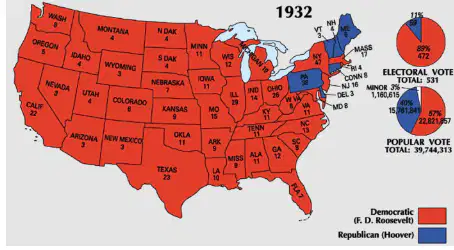
In studying the Election Results map of 1932, it can be deduced that
the Democratic Party won the election by a narrow margin.
the Republican Party maintained control of most Southern states.
Franklin D. Roosevelt won a landslide victory over Herbert Hoover.
third-party candidates received a significant portion of the electoral vote.
the Great Depression caused voters to want to change national leadership.
The FDIC (Federal Deposit Insurance Corporation), NRA (National Recovery Act), and CCC (Civilian Conservation Corps) were created in the early 1930s and are MOST associated with the
New Deal
Populist Era
Progressive Era
Prohibition Era
Buying things on __________ allowed many Americans to buy things like appliances and cars that they normally could not afford out of pocket.
Margin
Stock market
Overproduction
Credit

What cause of the Great Depression did the Agricultural Adjustment Act (AAA) attempt to solve?
Stock market speculation
Overproduction
Weak banking system
Unsafe loans

During the 1930s, poor land management and severe drought conditions across parts of the Midwest resulted in the
formation of the United States Department of Agriculture
creation of wheat surpluses
growth of the Populist movement
development of Dust Bowl conditions on the Great Plains

What was the New Deal?
President Hoover's plan to create government jobs to help people during the depression.
Government agencies created to give people support and jobs during the depression.
President Roosevelt's plan to provide, relief, recovery and reform to the US economy.
Government policies during the Korean War to help stop communism spreading.

Using the provided image, describe how the United States was able to help the allied cause in World war II without actively fighting in the war.
The U.S. protected British factories from sabotage.
The U.S. used espionage to harm the German war effort.
The U.S. supplied arms to the allies through the Lend-Lease Act.
The U.S. sold faulty equipment to the Germans via the lend-Lease Act.
Franklin Roosevelt's policies of "Cash and Carry" and "Lend-Lease"
Cash and Carry was a policy to promote domestic employment and production.
were aimed at supporting allies during World War II while maintaining U.S. neutrality.

Choose THREE statements that are supported by this map from the end of World War II.
Kokura was bombed after Nagasaki
Nagasaki was the last target to be struck
Okinawa was a secondary target for bombing
Hiroshima was the first target to be struck
Enola Gay and Bockscar were the names of the planes used in the bombings
What event is thought to have begun the arms race between the United States and the Soviet Union?
the Cuban Missile Crisis
a US Air Force spy plane was shot down over the USSR
the development of Intercontinental ballistic Missiles (ICBMs)
the dropping of the atomic bombs on Japan at the end of World War II
In order to defeat the Japanese forces in the Pacific Theatre of World war II, Allied commanders employed a naval strategy known as
Operation Torch
Island Hopping
Carpet Bombing
Operation Overlord
The Battle of Midway was significant in World War II because it marked the end of
the Japanese assault on China
the German advance into France
the Japanese eastward advance in the Pacific
the German bombing of British population centers

This map shows the resistance of American and Allied forces against the Germans offensive in late-1944, which became known as
D-Day
Battle of the Bulge
Operation Overlord
The Western Front

The Allied assault on German-occupied France in June 1944 is known as
Operation Barbossa
VJ Day
D-Day
Operation Market Garden
How did rationing impact American households during World War II?
It forced American companies to produce more affordable everyday items.
It provided support for the families of American soldiers.
It limited the availability of essential items like food and fuel.
It led to an increase in the consumption of luxury goods and services.
Choose THREE items that CORRECTLY describe the internment camps of World War II.
President Roosevelt disapproved of the internment camps.
The camps were located mainly in the interior of the US.
The camps were created out of fear of spies in the US.
The camps stripped some citizens of their Constitutional rights.
The case of Korematsu v. United States (1944) ended the internment camps.
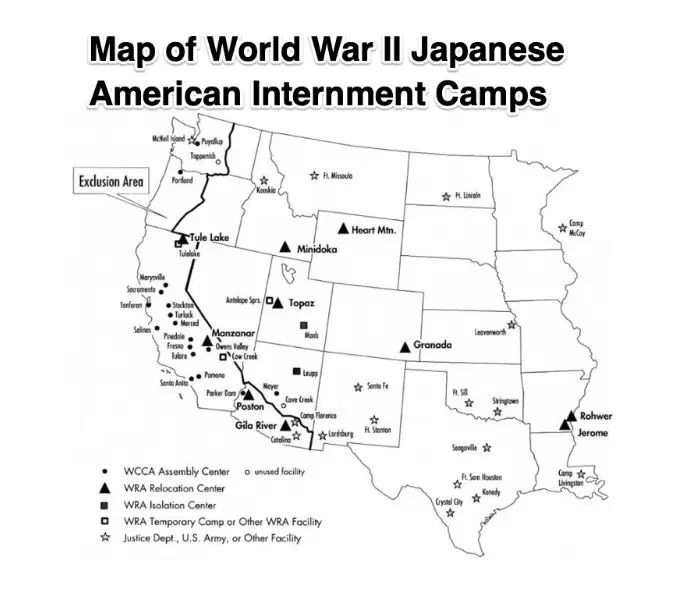
Using this map, choose all of the correct statements regarding internment camps.
Rohwer was the eastern-most Relocation Center.
Relocation Centers were concentrated along the West Coast.
All relocation Centers were found west of the Mississippi River.
Many of the Relocation Centers were found in the Exclusion Area.
California was home to more Relocation Centers than any other state.
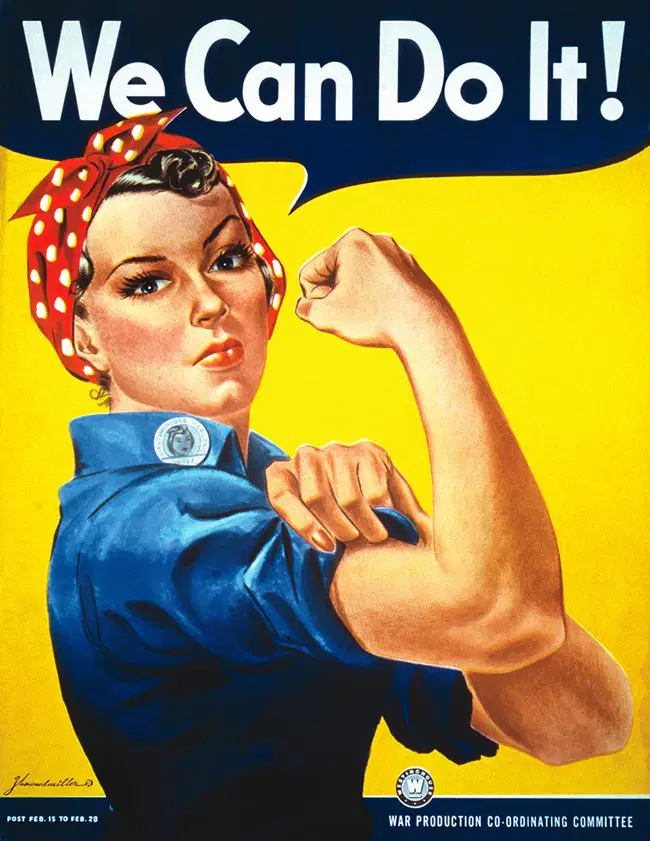
What was the purpose of the World War II poster of "Rosie the Riveter" (seen here)?
to pressure women to make their own clothes
to convince women to join the armed services
to persuade women to stay at home and care for children
to encourage women to work in making material for the war
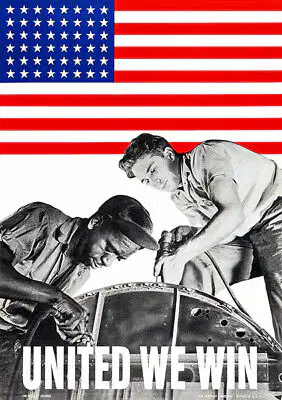
What is the point of view of this poster from 1943?
Passage of the Civil Rights is needed.
Racial equality is vital to United States prosperity.
Cooperation by all will result in American World War II victory.
Desegregation of the armed forces will cause victory in World War I.
Which of the following were direct consequences of the Battle of Berlin? (Choose 2)
the Allied invasion of Normandy.
the division of Germany.
the establishment of the United Nations.
the death of Adolf Hitler.
the dropping of the atomic bomb.
Choose TWO events that were part of the European Theatre of battle in World War II.
Battle of Midway
Normandy Invasion
Battle of Iwo Jima
Battle of the Bulge
Battle of El Alamein
What were the aims of the fascist leaders of World War II?
Make certain that the highest class rules and create hereditary titles.
Create a utopian type society in which the Supreme civil ruler is a god or deity.
Create a classless, moneyless and stateless social order structured on common ownership.
Eliminate any opposition to one leaders rule and control the masses through militarism and propaganda.
The 19th Amendment was officially added to the US Constitution in 1920.
A. Identify specifically what the 19th Amendment accomplished
B. Explain why the amendment was necessary
C. Identify at least ONE prominent person in US History who was involved in the movement that led to the amendment's ratification.
YOU MUST USE COMPLETE SENTENCES IN YOUR RESPONSE.

Which headline describes the primary issue faced by the federal government at the onset of the Great Depression?
A
B
C
D

What was the goal of the actions on this time line?
To ensure deposits into customer savings accounts
To increase government regulation of business
To end speculation in the stock market
To stabilize the national economy
Which of the following best describes the Great Depression?
A period of economic success and progressive ideas
A time period in which thousands of Americans mourned the loss of WWII soldiers
A time period where the banking industry improved even after the Stock Market crashed
A time of high unemployment and low economic activity occurring between WWI and WWII
During the Great Depression, which program did President Franklin D. Roosevelt create to provide immediate economic relief?
New Deal
Fair Deal
Square Deal
New Frontier

