
 Worksheets
Properties of Water Review Part 2
Total questions: 23
Worksheet time: 12mins
Name
Class
Date
1.
Which of the following is a consequence of water as a polar molecule that attracts other polar molecules?
a)
Water can only dissolve a limited amount of solute.
b)
Water is considered to be a universal solvent.
2.
Which property of water helps explain the high boiling point of water?
a)
specific heat
b)
universal solvent
3.
Which statement correctly describes a hydrogen bond?
a)
The bond between hydrogen in one water molecule and oxygen in a different water molecule.
b)
The bond between two hydrogen atoms within a molecule of water.
4.
Which property of water provides the cooling effect of sweating?
a)
high heat of vaporization
b)
surface tension
5.
Which of the following demonstrates the heat capacity/specific heat?
a)
ice floats in water
b)
it takes a long time of warm temperatures to raise lake water several degrees
6.

Which property of water is illustrated by the picture below?
a)
polarity
b)
surface tension
7.

Which property of water is responsible in causing salt to dissolve in it?
a)
polarity
b)
surface tension
8.
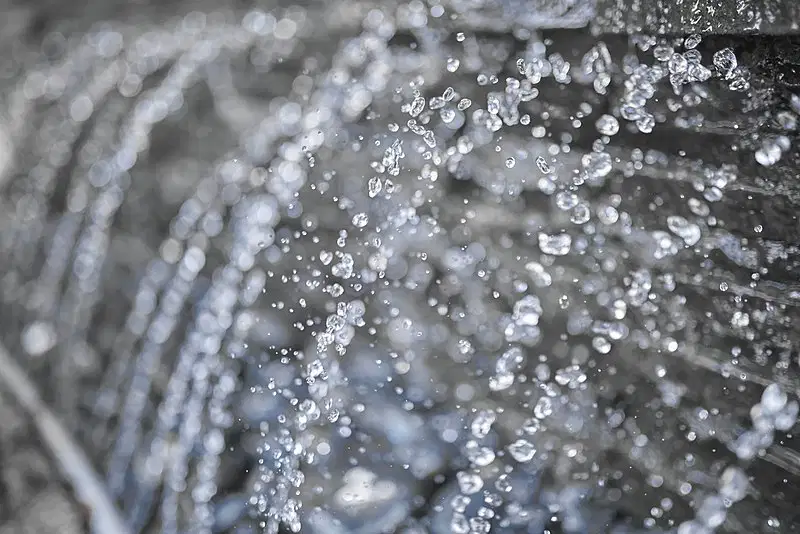
Which property of water allows it to form droplets?
a)
adhesion
b)
cohesion
9.
Which property of water causes water molecules to stick together?
a)
capillarity
b)
cohesion
10.
Water makes an upward curved meniscus in a graduated cylinder. What property of water accounts for the attraction of the water to the glass?
a)
adhesion
b)
cohesion
11.
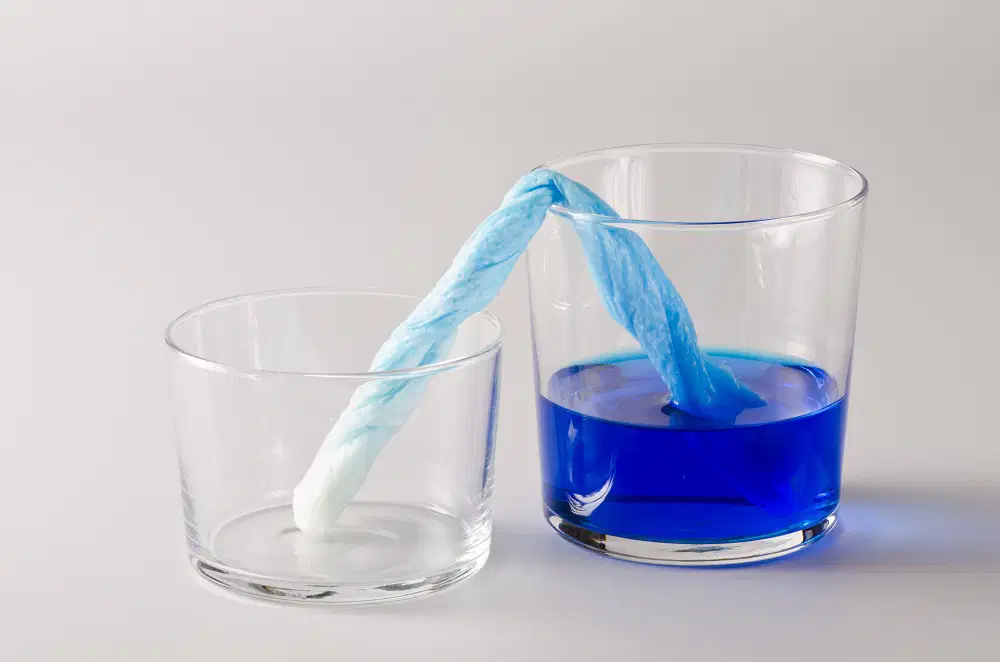
Which property of water is illustrated in the setup below?
a)
capillarity
b)
cohesion
12.

Why does water boil at 100 degrees Celsius or 212 degrees Fahrenheit?
a)
density
b)
heat capacity
13.
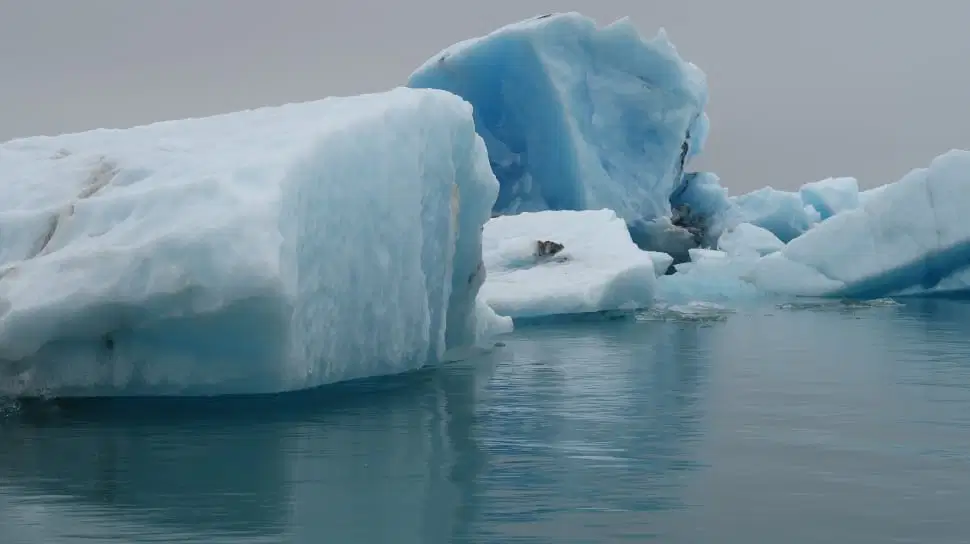
Why does ice stay on the surface of the water?
a)
ice is as dense as liquid water
b)
liquid water is denser than ice
14.
Why does ice become less dense than liquid water?
a)
When water freezes and becomes ice, the polarity causes hydrogen bonds to form but there is air in between causing it to expand.
b)
When water freezes and becomes ice, the capillarity causes covalent bonds to form making it lighter.
15.
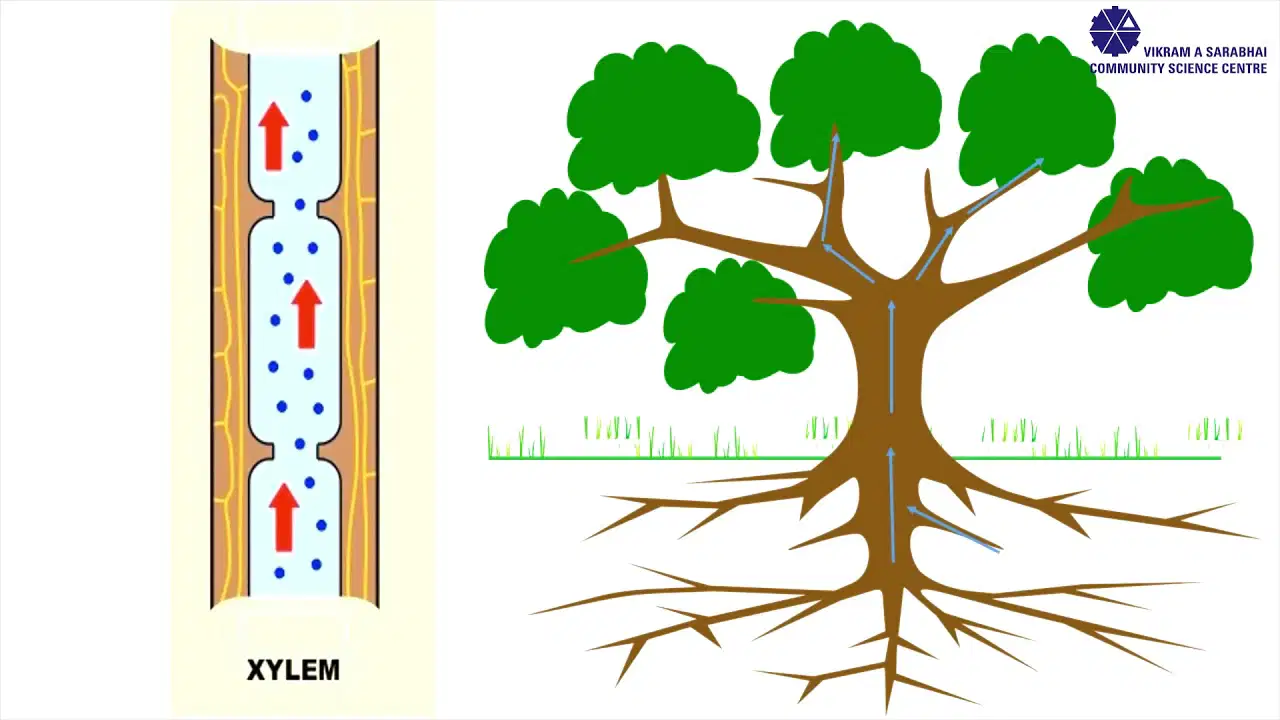
How can water move from the roots to the leaves of plants for photosynthesis?
a)
capillarity
b)
density
16.

Why does sweat make us feel cooled?
a)
sweat freezes on our skin
b)
sweat carries the heat as it evaporates
17.
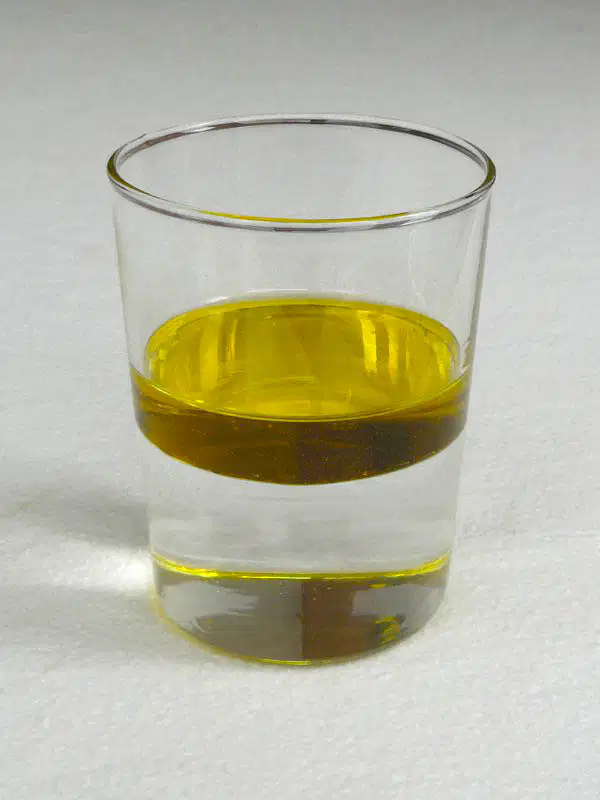
Which property of water is shown in the picture below?
a)
capillarity
b)
density
18.
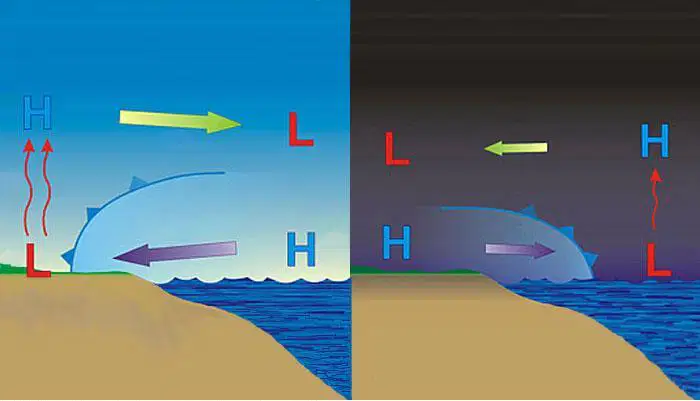
Why does the direction of the breeze change from daytime and nighttime?
a)
difference in specific heat between water and land
b)
difference in surface tension between water and land
19.
What happens to water vapor when it turns back to liquid?
a)
it loses heat
b)
it consumes energy
20.

Which property of water is shown by the picture below?
a)
adhesion
b)
density
21.
Which of the following characteristics about water explain how it can be easily transported from plants' roots up to other tissues, including leaves. Select two choices.
a)
Water has cohesive properties.
b)
Water has adhesive properties.
c)
Water boils at 100 degrees Celsius.
22.
Which words match those that will complete the statement below explaining the property of water which allows it to move through plant cells?
Water is a __________. This property __________.
a)
substance that exhibits cohesion
b)
allows water to dissolve the substances that are necessary for biological reactions to occur
c)
results in capillary action of water
23.
Which of the following properties most reasonably explains how trees draw water up from the soil?
a)
The cohesive and adhesive properties of water allow water to move through the roots in trees.
b)
The polar and nonpolar properties of water allow water to move through the roots in trees.
100 %

