
 Worksheets
Geography
Total questions: 89
Worksheet time: 49mins
The environment that we live can be divided into the physical and the human environment.
(a)
The Greek scholar, Eratosthenes is widely known as the “Father of Geography”.
(a)
Physical-human relationships refer to the influence the physical environment has on people and the impact people have on the environment.
(a)
We cannot use case studies to study a topic or environment in detail.
(a)
After studying Geography, we will gain knowledge and skills.
(a)
Fieldwork in geography involves gathering evidence directly from books to discover geographical features and understand the environment better.
(a)
The study of the Earth and the processes that shape it is called
Geography
Physic
History
The term geography was first used by
Aristotle
Eratosthenes
Ptolemy
Which doesn't belong to environmental geography
study of human behaviour
Study of the hole in the ozone layer
Study of the acidification of the oceans
Physical features refer to things that
have been modified by human to suit their needs
are built to protect human from weather elements such as stroms
occur naturally on the Earth
Humans depend on the physical environment for their basic needs. Which doesnʻt belong?
shelter
electronic
food
Choose the correct answer.
What gases make the Sun so hot and bright?
nitrogen and oxygen
methane and helium
helium and hydrogen
What planet has thousands of beautiful, tiny rings made of chunks of ice and rock?
Jupiter
Neptune
Saturn
Which planet has the longest year to orbit around the Sun?
Venus
Jupiter
Neptune
The path taken by Earth round the Sun is known as the _________.
revolution
rotation
orbit
The ___________ of the Earth causes day and night.
rotation
revolution
longitude
As the Earth is being damaged by human activities, which one of these will not occur?
Temperature level rises which can lead to the melting of glaciers.
More places become desert areas as forests are cleared.
More land is required for the dumping of rubbish.
Fewer people die from starvation or natural disasters.
Which human activity results in the biggest change in the physical environment?
Clearing a forest to grow crops
Hiking in a forest
Flying in a hot air balloon
Canoeing on a river
This is an example of ___________ environments. They include areas with houses, roads, railways, park and shops.
Human environment
Physical environment
Toxic environment
What are called the natural resources?
The materials which we use from the physical environment
The materials which we can find in the physical environment for our use
The materials which we use from the human environment for own use.
The materials which we can find the human environment
Which statement best describes an interrelationship between people and the environment?
Climatic conditions such as temperature and rainfall determine the types of plants found in a place.
Temperatures fall as the height of land increases, eg temperatures at mountain peaks are lower than the temperatures at the bases of mountains.
Houses are commonly built on flat land, eg the base of hills and mountains.
The volume of a river is influenced by the amount of rain received in the area.
Choose the most suitable answer.
1. Kalahari Desert is located in parts of the ______Africa.
South
North
Choose the most suitable answer.
2. Technology refers to the skills, knowledge and _______ that people use to meet their needs.
tools
information
Choose the most suitable answer.
3. Technology is used to ______ land from the sea.
arable
reclaim
Choose the most suitable answer.
4. !Kung Bushman placing an empty egg shell at the bottom of a tree to collect _______.
food
rainwater
A description of Canada as "north of the United States" is an example of absolute location.
40 ° North and 55 ° West is an example place.
How we adapt to nature around us is part of Human-Environment Interaction.
Migration is one way people, ideas, and materials move.
People who live in Alaska and wear thick layers of clothing is an example of region.
Human Environment Interaction
relation between people and the environment.
how people, goods and ideas move from one place to another.
area that share at least one common feature.
where a place can be found.
identifies the natural and human features of a place.
Movement
relation between people and the environment.
how people, goods and ideas move from one place to another.
area that share at least one common feature.
where a place can be found.
identifies the natural and human features of a place.
Region
relation between people and the environment.
how people, goods and ideas move from one place to another.
area that share at least one common feature.
where a place can be found.
identifies the natural and human features of a place.
Location
relation between people and the environment.
how people, goods and ideas move from one place to another.
area that share at least one common feature.
where a place can be found.
identifies the natural and human features of a place.
Place
relation between people and the environment.
how people, goods and ideas move from one place to another.
area that share at least one common feature.
where a place can be found.
identifies the natural and human features of a place.
Which of the following statement about the Earth is correct?
Earth has a shorter orbit than Mercury.
Earth is much bigger than Jupiter.
Earth is the only planet that is able to support life.
Earth is the planet that is nearest to Sun.
Which of the following statement explains why the Earth is fragile?
I. Human activities, like driving a car, release toxic gasses which is harmful to life on Earth.
II. Many plants and animals are becoming extinct due to deforestation.
III. The Earth is getting hotter because it is moving nearer to the Sun.
IV. The Earth’s resources are rapidly used up as population increases.
I and II
II and III
I, II, IV
All of the above
Which of the following would be the result if the Earth does not revolve around the sun?
The whole Earth will experience 24 hours of day.
All countries in the world will have four seasons.
The Earth will not have a solar system of 365 ¼ days.
The moon will not be visible from Earth.
Adjusting the way we live in or around landforms to meet our needs can be called human adaptation.
The thin layer of air that surrounds the Earth is also called hydrosphere.
The Kung Bushmen have adapted to their environment and have made many changes.
Industries and agriculture are not contributed to water pollution.
Environment is sufficient to provide for the needs of the !Kung Bushmen.
People in largely human environment use low level of technology.
Read the questions and choose the correct answer.
Which of the Earth’s spheres contains rocks and sediments?
(a)
Read the questions and choose the correct answer.
Which of the Earth’s spheres includes water?
(a)
Which of these is not a way of how photographs can be used by geographers?
Sources of information
Records of changes
Visual data for storage
Tools to study the environment
___________ provide us with a bird’s eye view of an area.
Landscape photographs
Aerial photographs
Satellite images
All of the above
The picture shows a\an ___________.
satellite image
landscape photograph
largely human environment
aerial photograph
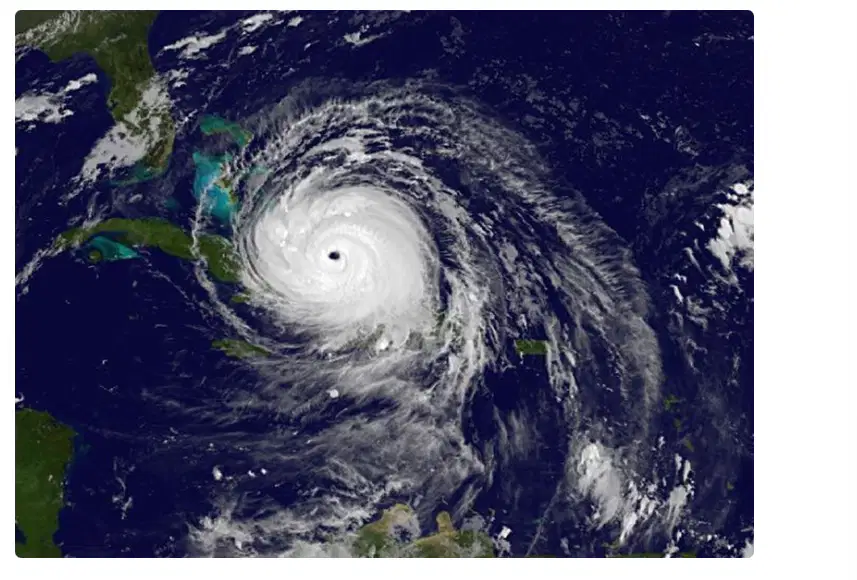
The picture shows a/an ____________.
aerial photograph
satellite image
landscape photograph
largely human environment

The ______________ of the photograph shows the valley.
foreground
middle ground
background
frontal region
It is useful for geographers to obtain different information from different types of photographs so that they can _________________.
plan for the future
interpret the interrelationship between people and the environment
show others their findings
decide if the environment is a physical or a human one
Which statement does not describe a landscape photograph?
It is a type of photograph taken at the ground level.
It shows the main physical and human features of a place.
It shows a bird's eye view of an area.
It is useful in studying a feature in detail.

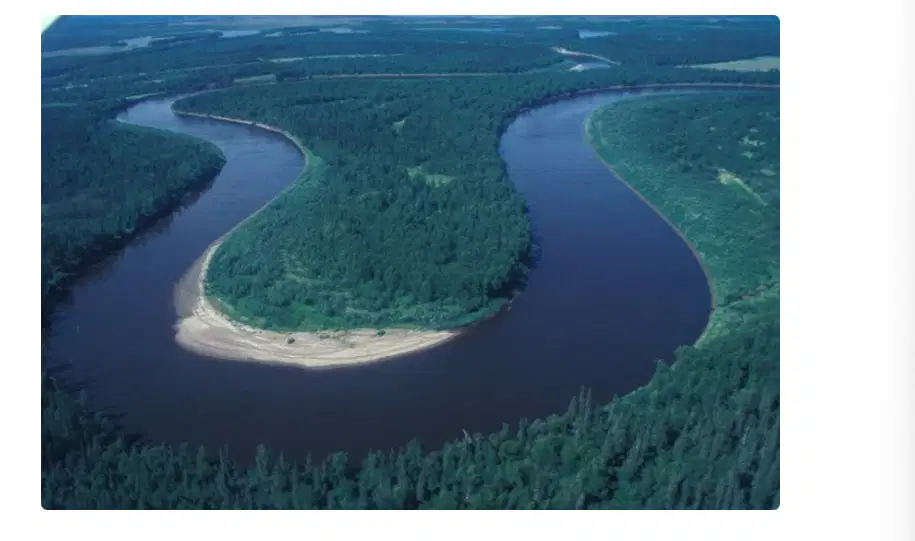
What type of environment does the photograph show?
A river environment
A floating market environment
A human environment
A natural environment
How is the people making use of the river as shown?
For fishing
As an industrial source of water
As a dumping ground
As a means of transport
What type of photograph is this?Single choice.
Oblique aerial
Vertical aerial
Landscape photograph
Satellite image

Fig 1 shows a/an ________________________________. It is a _____________________.
aerial photograph/largely human environment
satellite image
landscape photograph/largely physical environment
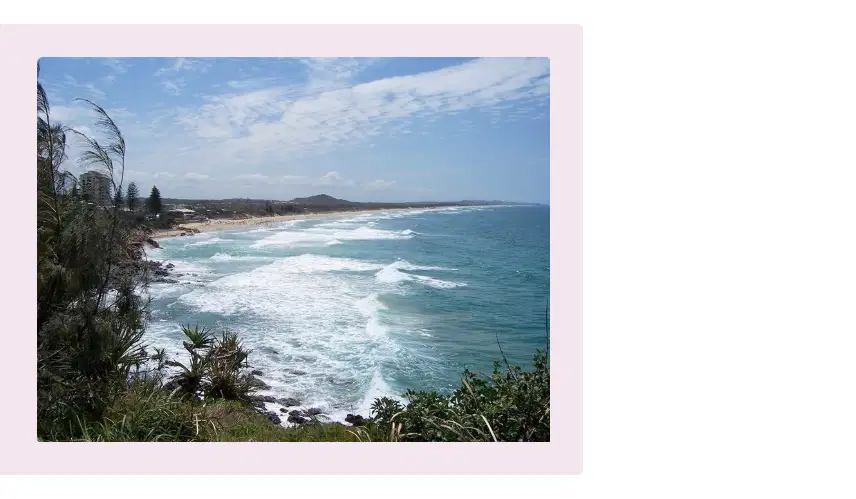
The ________________________ of the photograph shows the sky. It is a _________________ environment.
foreground /physical
middle ground/human
background/physical
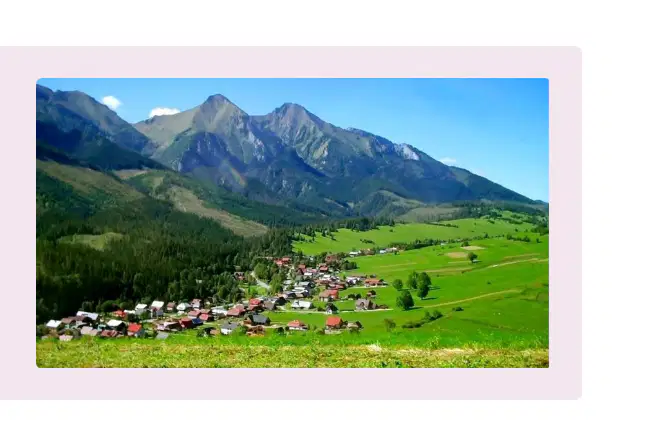
Which of the following statements below does not describe Fig 3?
This photograph can be used to study the impact of human actions on the physical environment.
The foreground of the photograph shows a steeply sloped hill.
This is a landscape photograph that shows the different types of plants such as tall grasses and bushes found in the environment.

Fig 4 shows a/an ___________________________. It is a _________________________.
landscape photograph/largely physical environment
aerial photograph/largely human environment
satellite images
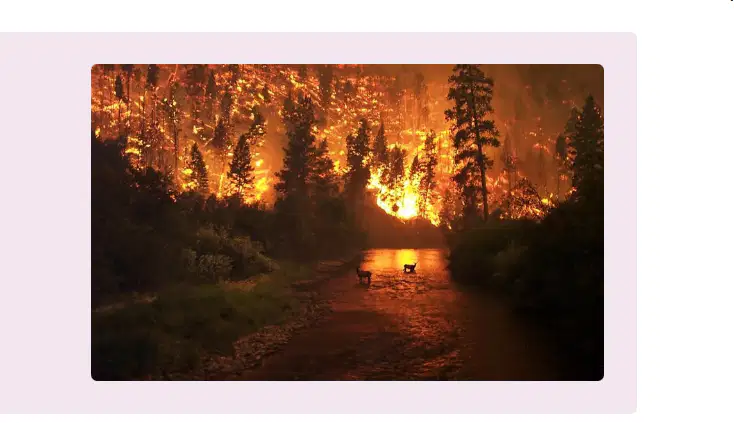
What is the use of the photograph in Fig 5?
as sources of information
as records of changes
as a tool to study the environment
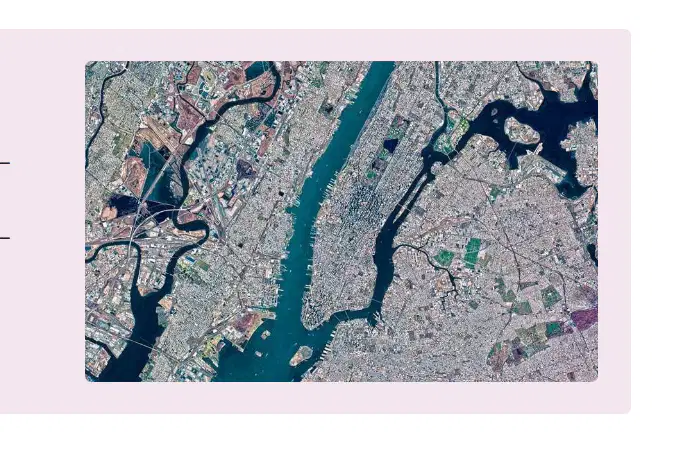
Fig 6 shows a/an ___________________________. It shows _________________________.
satellite images/a large area of the Earth's surface
aerial photograph/a small area of the Earth's surface
Landscape photograph/the big picture of an area
Which is NOT one of the Five Themes of Geography?
Location
Movement
Language
Human-Environment Interaction
The human and physical features of a location are included in which theme?
Location
Region
Place
Movement
Place can be described by both physical and _____ characteristics.
regional
logistical
humanWeather
Which theme includes how humans adapt, modify or depend on the environment?
human environment interaction
movement
Place
Region
Humans depend on the physical environment for their basic needs. Which doesnʻt belong?
food
clothing
shelter
electronics
How do humans affect their environment?
positively
negatively
both
Which of these are NOT examples of physical environments?
plants
climate
transportation
soil
Which of the following statement best describes Physical Geography?
the distribution of populations and resources, land use, and industries
branch of geography dealing with natural features and processes.
branch of geography dealing with how human activity affects or is influenced by the earth's surface
the study of Continents and Oceans
What theme of geography deals with the transport of goods around the world?
region
location
movement
human-environment interaction
What is Human Geography?
the distribution of populations and resources, land use, and industries
branch of geography dealing with natural features and processes.
branch of geography dealing with how human activity affects or is influenced by the earth's surface
the study of Continents and Oceans
Absolute and relative are two ways of describing the theme of...
regions
movement
location
human environment interaction
Which is NOT an example of absolute location?
"Katie's Restaurant is near the high school"
35°N, 52°W
6636 Northwest Road
61°4′S, 21°15′E
A general location of one place to another described with direction or distance words is...
absolute location
relative location
The human and physical features of a location are included in which theme?
location
region
place
movement
Which theme includes how humans adapt, modify or depend on the environment?
movement
place
region
human environment interaction-environment
What question does the theme: Human Environment Interaction ask?
How do humans negatively impact the earth?
What is the relationship between humans and the environment?
How are humans and their environment similar?
How do humans positively impact the earth?
The Greek scholar, (a) is widely known as the 'Father of Geography'.
In the study of Geography, our environment is divided into two. What are they?
Climatic and vegetation environments
Physical and human environments
Atmospheric and physical environments
Human and cultural environments
Which is an example of how humans depend on the environment?
dumping waste into our rivers
cooling our buildings with air conditioning
using land to grow crops (agriculture/farming)
plowing snowy roads
What do human features refer to?
things that occur naturally on the Earth
things that have been modified by humans to suit their needs
things that are built to protect humans from weather elements such as storms
things that are found near human settlement
Which newspaper heading is not relevant to the study of geography?
Plans for developing a new town
Asia experiences lowest temperature in 100 years
UN’s Secretary General awarded Nobel Peace Prize
Singapore under haze
Which statement refers to the physical environment?
Wave action along to the beach
Building of the Three Gorges Dam in China
Terracing slopes for cultivation of padi (wet rice)
Mining minerals and creating large holes in the ground
Which of the following is not classified as part of the human environment?
Villages, towns and cities
Waves, rain and snow
Farmland and terraced slopes
Transport lines and industries
Fieldwork is work at first hand, gathering evidence directly from the environment rather than from books.
True
False
Fieldwork is work at first hand, gathering evidence directly from the environment rather than from books.
True
False
We cannot use case studies to study a topic or environment in detail.
True
False
Making observations in the field, recording data, interpreting data and drawing conclusions are the steps of case studies.
True
False

