
 Worksheets
Unit 1 Review
Total questions: 149
Worksheet time: 2hrs 10mins
What is 78.5 rounded to one significant figure?
79
78.5
70
80
Round 0.010229 to four significant figures
1022
1023
0.01023
0.01022
What is 0.658 rounded to 1 significant figure?
0
0.66
0.7
0.658
How many significant figures: 450 m
3
2
1
0
0.000008
27000000
How many significant figures are there in 1008 grams?
1
2
3
4
(12.470)(271)
What should you wear in science lab to be safe and protected from dangerous chemicals?
Goggles
Lab apron
Closed toe shoes
ALL OF THESE
When finished working with hazardous chemicals, you should always:
Treat your hands with some lotion
Wash your hands with soap and water
Wipe your hands on a towel only
Wipe your hands on your clothes
Long hair in the lab MUST be:
Cut short
Tied back
Neatly brushed
Held over a flame
If you do not understand a direction, you should:
Try several methods until something works
Ask the teacher before proceeding
Skip it and go onto the next part
Mix chemicals randomly
If a fire erupts, immediately:
Notify the teacher
Run for the fire extinguisher
Throw water on the fire
Open the windows
Horseplay and pranks are allowed in the science lab.
TRUE
FALSE
It is okay to eat or drink in the science lab.
TRUE
FALSE
I should wear goggles and gloves for lab safety.
TRUE
FALSE
If glassware breaks, I should pick it up with my hands and throw it in the trashcan.
TRUE
FALSE
If I cut or burn myself, I don't need to tell the teacher.
TRUE
FALSE
What should you wear in the science lab to be safe? CHECK ALL THAT APPLY.
Opened toe shoes
Lab coat
Apron
Goggles
Long earrings
It is safe to chew gum in the science lab.
TRUE
FALSE


crucible tongs
beaker tongs
forceps
tweezers


iron ring
ring stand
face mask
Bunsen burner stand


Identify the lab equipment in the picture.
Test Tube Rack
Test Tube Clamp with Spring
Crucible Tongs
Forceps

wire gauze
Bunsen burner
thermometer
utility clamp

scoopula
dropper
crucible tongs
glassware tongs


forceps
tongs
thermometer
scoopula

wash bottle
mortar and pestle
evaporating dish
graduated cylinder

Identify the equipment shown here:
igniter
test tube holder
flame snuffer
utility clamp

Name the object.
Test tube rack
Test tube clamps
Goggles
Petri dish
Ring stand

This is a(n)_________.
mortar
pestle
wellplate
evaporating dish

evaporating dish
watch glass
mortar and pestle
funnel

Name this piece of lab equipment.
crucible
pestle
mortar
triangle
Match the following

wash bottle

ring stand

pipette

wire gauze

ring clamp
Convert 1 Degree Celsius to Kelvin:
274.15 K
- 283.15 K
0 K
373 K
Convert a 136 Degrees Fahrenheit to Degrees Celsius:
57.777 oC
330 K
57.5 oF
220 C
Convert 0 Kelvin to Degrees Celsius:
- 273.15 oC
- 273 K
273.15 oC
273 K
Convert a - 194 Degrees Celsius to Degrees Fahrenheit:
- 317.2 oF
338.5 K
- 273 oC
0 oF
Convert 253 Degrees Celsius to Kelvin:
526.15 K
625 K
0 K
186 K
Convert 25.0 Degrees Celsius to Degrees Fahrenheit:
77 oF
77 oC
100 oF
100 oC
Convert 186.5 Kelvins to Degrees Celsius:
- 86.65 oC
- 50 oC
- 68.4 oC
180 K
Convert a - 317.2 Degrees Fahrenheit to Degrees Celsius:
- 194 oC
79 K
230.9 oC
- 48.2 oC
Convert 150 Degrees Fahrenheit to Degrees Celsius:
65.5556 oC
65.5 oF
338.5 oC
338.5 oF
Convert 212 Degrees Fahrenheit to Degrees Celsius:
100 oC
100 K
100 oF
50 oC
According to the kinetic molecular theory, a gas consists of molecules in constant fixed motion.
True
False
According to kinetic molecular theory-Gas molecules influence each other only by collision; they exert no other forces on each other.
True
False
According to the kinetic molecular theory, all collisions between gas molecules are inelastic; all kinetic energy is lost.
True
False
According to the kinetic molecular theory, the volume actually occupied by the molecules of a gas is negligibly small; the vast majority of the volume of the gas is empty space through which the gas molecules are moving.
True
False
In the KMT, pressure is the force exerted against the wall of a container by the continual collision of molecules against it.
True
False
The total kinetic energy of a collection of gas molecules is inversely proportional to the absolute temperature of the gas.
True
False
Real gases (in real life), like to have high temperatures and low pressures. They like to be warm and free flowing.
True
False
Ideal gases (best conditions) are light molecules such as hydrogen and helium. Heavier gases do not follow this rule.
True
False
Real gases have attraction to other gas molecules which is opposite of the kinetic molecular theory. This way they can have a chemical reaction with each other.
True
False
Gases like to be in very cold conditions and highly pressurized (just like you).
True
False
CHOOSE THE WRONG ANSWER
CHOOSE THE WRONG ANSWER
when water changes from a liquid to a gas - caused by heat
evaporation
condensation
freezing
melting
when water vapor (a gas) is cooled and forms liquid water
evaporation
condensation
freezing
melting
What must be done to change water from liquid to solid?
Raise the temperature.
Lower the temperature.
What must be done to change water from solid to liquid?
Raise the temperature.
Lower the temperature.
What must happen to water vapor (gas) to become liquid water?
It must be heated.
It must be cooled.
What must happen for liquid water to evaporate (become a gas)?
It must be heated.
It must be cooled.
The change of one state of matter to another is called
Osmosis
Phase Change
Matter
Energy
Transition from a liquid to a gas
Condensation
Freezing
Evaporation
Melting
Gas condenses to a liquid
Evaporation
Melting
Freezing
Condensation
What happens to molecules when their kinetic energy increases?
The molecules move slower
The molecules move faster
The molecules get heavier
It depends on the type of molecule

Three containers with the same amount of the same material are shown below. Which container has the substance with the highest amount of energy?
The container on the left
The middle container
The container on the right
All have an equal amount of energy
Three containers with the same amount of the same material are shown below. Which container has the substance with the lowest amount of energy?
The container on the left
The middle container
The container on the right
All have an equal amount of energy
Amy was sitting outside on a hot, summer day, enjoying a glass of sweet iced tea. She notices some water droplets on the outside of her glass. What is causing those water droplets?
The outside air is heating up the ice, causing it to melt into a liquid.
The cold liquid in the glass is cooling the air around it, making it condense into a liquid.
The outside air is heating up the liquid in the glass, causing it to evaporate.
The liquid in the glass is cooling the air around it, causing it to evaporate.
When you boil water in a pot, some of the water escapes as steam. Which of the following choices explains what is happening with the water molecules in this scenario?
The molecules slow down as the kinetic energy increases and move farther apart from one another.
The molecules slow down as the kinetic energy decreases and move closer together.
The molecules speed up as the kinetic energy increases and the molecules move farther apart from one another.
The molecules speed up as the kinetic energy decreases and the molecules move closer together.
Which statement best describes what happens when heat is added to a substance?
Energy moves out of the substance causing the molecules to slow down.
Energy moves out of the substance causing the molecules to speed up.
Energy moves into the substance causing the molecules to slow down.
Energy moves into the substance causing the molecules to speed up.
The slower the particles in a substance move,
the colder it is.
the warmer it is.
the more energy it has.
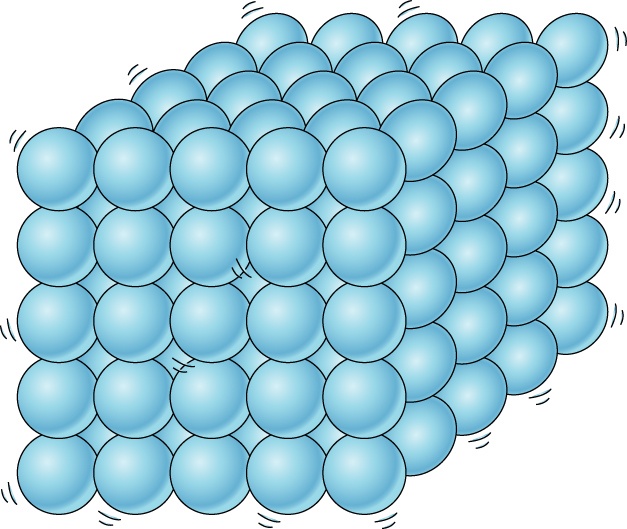
What state of matter?
Solid
Liquid
Gas
Plasma!!!
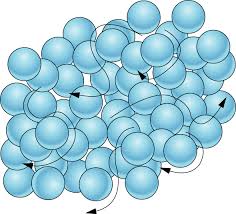
What state of matter?
Solid
Liquid
Gas
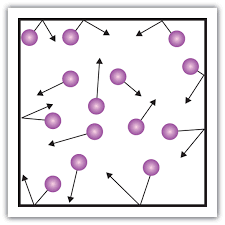
What state of matter?
Solid
Liquid
Gas

TRUE/FALSE: Matter can change from one phase to the other just as water can evaporate.
True
False

Based on this photo, when liquid turning to gas is which of the following down below?
Consensation
Freezing
Evaporation
Melting
This is when heat is absorbed, it is an
Exothermic reaction
endothermic reaction
both
none
When heat is released it is an
exothermic reaction
endothermic reaction
both
none
The temperature increases outside of this reaction
exothermic
endothermic
both
none
The temperature decreases outside of this reaction
exothermic
endothermic
both
none

Evidence of a chemical reaction is when 2 substances react, they
stay the same
form a new substance
both
none

Your hands get cold outside from not wearing gloves
exothermic
endothermic
both
none

Fire is an example of
exothermic reaction
endothermic reaction
none
both

Fireworks are an example of
exothermic
endothermic
both
none

A melting ice cube is an example of
exothermic
endothermic
none
both

An ice pack in an example of
exothermic
endothermic
both
none

photosynthesis is an example of
Exothermic reaction
Endothermic reaction
both
none

Frying an egg is an example of
exothermic reaction
endothermic reaction
both
none
In an endothermic reaction, heat is ...
taken in
given out
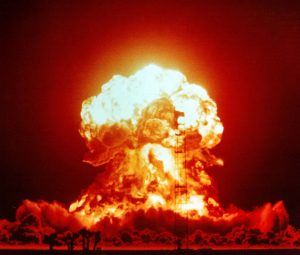
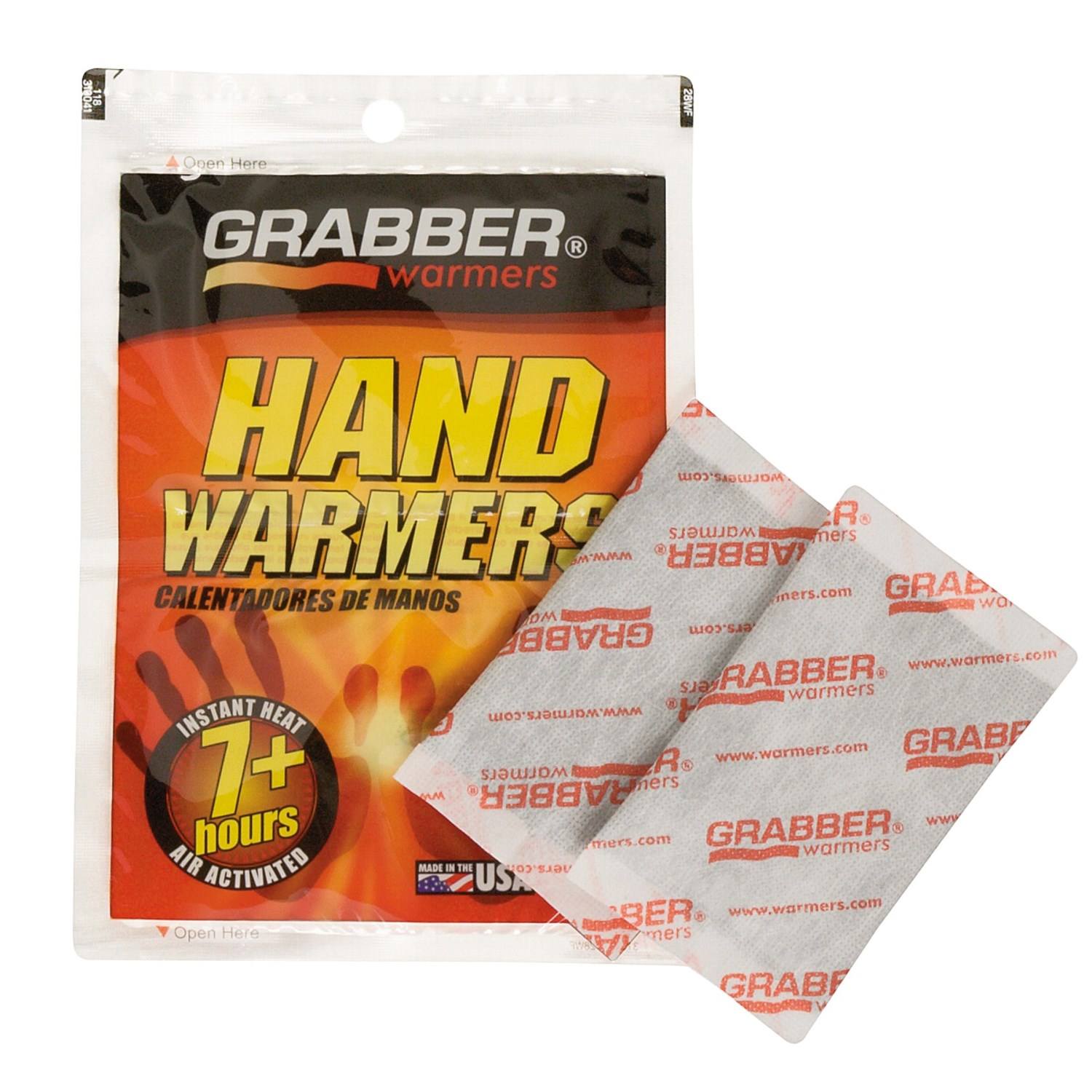
What type of reaction occurs in a hand warmer?
exothermic
endothermic
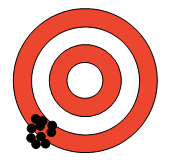
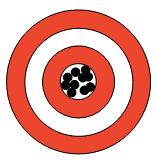

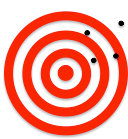
How close a measurement is to the accepted value is called..
Accuracy
Precision
Significant
Estimate
Measurements: 24.9, 25.2, 25.1, 24.8
True Value: 25.0
These measurements are…
Accurate, but not precise
Precise, but not accurate
Both precise and accurate
Neither precise nor accurate
Measurements: 2.5, 14.5, 10.1, 45.3
True Value: 25.0
These measurements are…
Accurate, but not precise
Precise, but not accurate
Both precise and accurate
Neither precise nor accurate

What is the length?
7
7.7
7.70
7.700

What is the volume?
50
45
45.0
40.5

WHAT IS THE VOLUME?
36
36.5
37.0
36.0

WHAT IS THE LENGTH?
11.45
11.4
11
11.450

WHAT IS THE VOLUME?
20.15
20.1
21.5
21.50

WHAT IS THE LENGTH?
29
29.2
29.20
30
Which of the following is a diatomic molecule?
CO2
CO
O2
C
elements that are stable as single atoms are called. . .
Molecules
Atoms
Monoatomic
Diatomic
What is the symbol for Hydrogen?
h
Hyd
H20
H
How many atoms of hydrogen are in the following molecule:
HCl
0
1
2
3
Pure substances made of 2 or more different elements that are chemically combined in a specific ratio is a . . .
Atom
Element
Compound
Molecule
Number of atoms in a molecule’s chemical formula is represented by . . .
Atomic number
Atomic mass
Subscript
Diatomic
A group of 2 or more atoms held together by chemical bonds.
Element
Molecule
Mixture
Subatomic particles
Pure substances listed on the periodic table that cannot be broken down into any other substances by chemical or physical means
Elements
Compounds
Molecules
Mixtures
Which of the following is an example of a monoatomic element?
N2O
F2
Ne
NaCl



