wayground logo

Free Printable Worksheets

Font size

S
M
L
XL
Worksheets

ciculatory system

Total questions: 55

Worksheet time: 35mins
Name
Class
Date
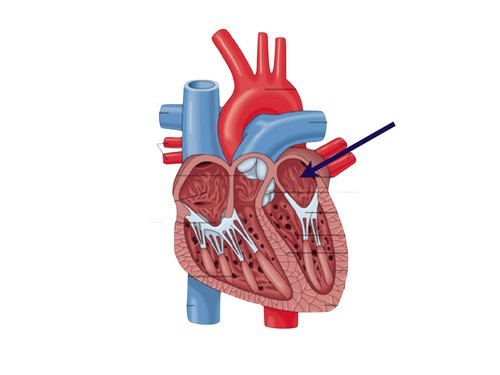
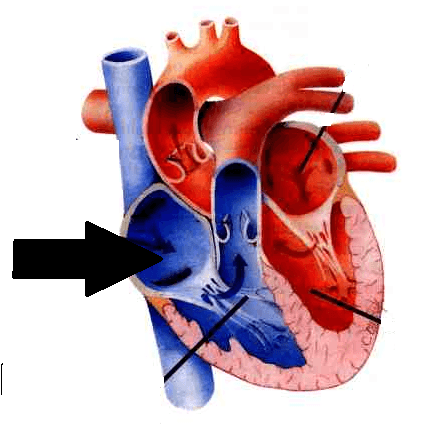
1.
Identify
a)
Left atrium
b)
Right atrium
c)
Left ventricle
d)
Right ventricle
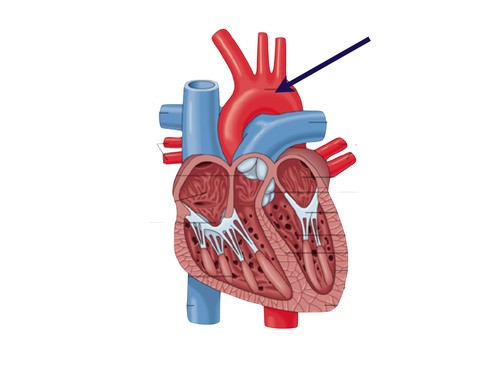
2.
Identify
a)
Pulmonary veins
b)
Pulmonary artery
c)
Aorta
d)
Vena cava
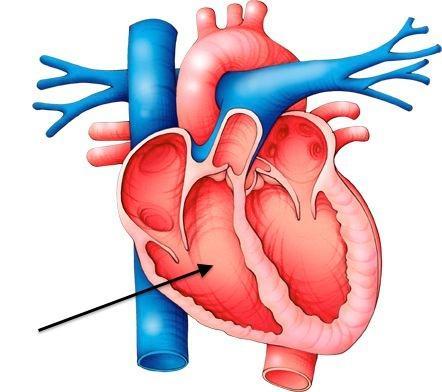
3.
Identify
a)
Left atrium
b)
Right atrium
c)
Left ventricle
d)
Right ventricle
4.

The mammalian heart has ___ chambers.

a)

1

b)

2

c)

3

d)

4

5.
This chamber of the heart RECEIVES blood returning from the body
a)
Right Atrium
b)
Right Ventricle
c)
Left Atrium
d)
Left Ventricle
6.
What is pulmonary circulation?
a)
Blood travelling to and from the lungs
b)
Blood travelling to and from the body
c)
A blood clot in the lungs
d)
The vessel that brings blood to the lungs
7.
Which is NOT a function of the circulatory system?
a)
deliver O2 and nutrients to cells
b)
remove CO2 and wastes from cells
c)
break down carbohydrates into glucose
d)
transport other materials through body
8.
Structure(s) that keep the blood flowing in one direction.
a)
Valve(s)
b)
Septum(s)
c)
Neuron(s)
d)
Bronchiole(s)
9.

_______ function in the life-saving process of clotting blood.

a)

Phagocytes

b)

Leucocytes

c)

Erythrocytes

d)

Platelets

10.

The blood in the vena cava is...

a)

oxygenated, returning to the heart

b)

deoxygenated, returning to the heart

c)

oxygenated, leaving the heart

d)

deoxygenated, leaving the heart

11.

Which of the following does NOT belong to the group?

a)

capillaries

b)

lungs

c)

veins

d)

arteries

12.

Circulatory system is made up of _____, _____ _______ and _____.

a)

lungs, ribs and diaphragm

b)

liver, large intestine and pancreas

c)

heart, blood and blood vessels

d)

cranium, sternum and femur

13.

_____ carry blood from the body cells back to the heart.

a)

heart

b)

capillaries

c)

veins

d)

arteries

14.

Blood vessels that carry blood away from the heart are called ________.

a)

capillaries

b)

arteries

c)

heart

d)

blood

15.

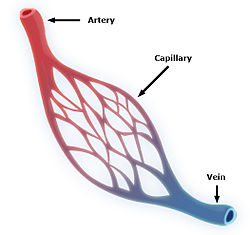
Blood moves from arteries to veins through tiny blood vessels called ___________.

a)

blood

b)

oxygen

c)

veins

d)

capillaries

16.

These tubes that carry the blood are called _____________.

a)

heart

b)

blood vessels

c)

lungs

d)

trachea

17.

The heart, blood, and blood vessels made up the _____________ system.

a)

digestive

b)

respiratory

c)

excretory

d)

circulatory

18.

The blood component, platelets, job is what?

a)

Fight infection

b)

Carry oxygen

c)

Blood clotting

d)

Carry nutrients

19.

What is the purpose of the circulatory system?

a)

to help us breath

b)

to transport acid

c)

to transport oxygen and nutrients

d)

to help us move

20.

What does our heart do?

a)

It absorbs water into our bloodstream.

b)

It absorbs oxygen into our bloodstream.

c)

It cleans our blood.

d)

It pumps blood around our body.

21.
What is the purpose of white blood cells?
a)
carry oxygen
b)

Defend the organism against illnesses

c)
help the kidneys
d)
identifies blood type
22.

The heart works similarly to a

a)

river

b)

joint

c)

pump

d)

hinge

23.

Which type of blood vessel carries blood TO the heart?

a)

arteries

b)

veins

c)

capillaries

24.
Identify
a)
Pulmonary veins
b)
Pulmonary artery
c)
Aorta
d)
Vena cava
25.
Identify
a)
Left atrium
b)
Right atrium
c)
Left ventricle
d)
Right ventricle
26.
The smallest type of blood vessel is the:
a)
nerve
b)
vein
c)
capillary
d)
artery
27.
The cells in the blood that help fight germs and illnesses are the...
a)
red blood cells
b)
platelets
c)
white blood cells
d)
axons
28.

name this

a)

white blood cell

b)

red blood cell

c)

platelets

d)

plasma

29.

Which blood vessels has a thicker wall?

a)

Arteries

b)

Veins

c)

Neither both have the same thickness

d)

I'm not sure

30.

Where does deoxygenated blood go to get oxygen?

a)

The heart

b)

The brain

c)

The lungs

d)

The stomach

31.

B is the

a)

Pulmonary artery

b)

Renal vein

c)

Hepatic artery

d)

Aorta

e)

Vena Cava

32.

Which blood group is able to donate whole blood to all other blood types?

a)

A

b)

B

c)

AB

d)

O

33.

Which blood type is able to receive whole blood from all other blood types?

a)

AB

b)

A

c)

B

d)

O

34.

Which blood type contains only Anti-A antibodies?

a)

AB

b)

A

c)

B

d)

O

35.

Individuals who do not have an Rh factor belong to which of these groups?

a)

O+

b)

Rh+

c)

O-

d)

Rh-

36.

What are the four main blood types in the ABO blood group system?

a)

X, Y, Z, W

b)

A, B, AB, O

c)

1, 2, 3, 4

d)

Positive, Negative, Neutral, Mixed

37.

Right side of the heart receives (a)  

38.
Oxygen rich blood leaves the heart through the
a)
right atrium
b)
left atrium 
c)
right ventricle
d)
right atrium
39.
The main function of the red blood cells is to 
a)
allow gases to exchange
b)
fight infection
c)
give blood its color
d)
help clot blood
40.
White blood cells
a)
allow for gases to exchange
b)
give blood its color
c)
fight infection and disease
d)
help clot blood
41.
Platelets 
a)
allow for gases to exchange
b)
give blood its color
c)
fight infection and disease
d)
help clot blood
42.
The plasma that contains blood cells is mainly made up of 
a)
cytoplasm
b)
nutrients
c)
waste
d)
water
43.
The heart is made up of _________ chambers
a)
one 
b)
two 
c)
three
d)
four
44.
Arteries carry nutrient and oxygen rich blood _____________ from the heart.
a)
back to
b)
away
c)
parallel
45.
Your blood is made up of which of the following...
a)
plasma, red blood cells, blue blood cells
b)
white and red blood cells
c)
plasma and platelets
d)
plasma, red blood cells, white blood cells, and platelets
46.
These cells, in the blood, carry oxygen and give the blood its color.
a)
white blood cells
b)
plasma
c)
platelets
d)
red blood cells
47.
This type of vessel carries blood TO the heart:
a)
vein
b)
nerve
c)
muscle
d)
artery
48.
Veins have special ________________ to stop blood from flowing backward.
a)
gravity
b)
valves
c)
arteries
d)
ventricles
49.
The cells in the blood that help fight germs and illnesses are the...
a)
red blood cells
b)
platelets
c)
white blood cells
d)
axons
50.
Identify
a)
Left atrium
b)
Right atrium
c)
Left ventricle
d)
Right ventricle
51.
Why are the walls of the left ventricle thicker than that of the right ventricle?
a)
The left ventricle must force blood into all the capillaries of the lungs 
b)
the left ventricle doesn't skip leg day
c)
This is false, the walls of the right ventricle are thicker
d)
Blood from the left ventricle is pumped throught the entire body 
52.
Circulation involving the lungs is called...
a)
Pulmonary Circulation
b)
Cutaneous Circulation
c)
Systemic Circulation
d)
Cardiac Convendency 
53.
Normal blood pressure is...
a)
120/80 mmHg
b)
80/120 mmHg
c)
140/90 mmHg
d)
80/140 mmHg
54.
During the systole phase of the cardiac cycle, the ventricles....
a)
Contract
b)
Relax
55.
Identify
a)
Pulmonary veins
b)
Pulmonary artery
c)
Aorta
d)
Vena cava