
 Worksheets
Infection Control in Phlebotomy Quiz
Total questions: 85
Worksheet time: 43mins
What is the primary purpose of infection control in healthcare settings?
To reduce and track the spread of infections
To increase patient visits
To improve hospital profits
To speed up patient discharge
Which of the following best describes the "chain of infection"?
A series of six connected factors that allow infections to develop and spread
A list of common pathogens found in hospitals
A type of personal protective equipment
A method for disposing of biohazard waste
Which organization is responsible for establishing guidelines and laws related to infection control in healthcare settings?
OSHA and the CDC
FDA and WHO
EPA and NIH
UNICEF and Red Cross
Which of the following is NOT a key term related to infection control?
Antibiotic Resistance
Airborne Precautions
Fomite
Reservoir
Why is it important for healthcare workers to understand each link in the chain of infection?
To know how to break the chain and prevent infection spread
To memorize hospital policies
To increase the number of patients
To reduce paperwork
Which of the following is an example of Personal Protective Equipment (PPE)?
Gloves
Thermometer
Stethoscope
Bandage
What is the role of proper hand hygiene in infection control?
It reduces infection risk
It increases infection risk
It has no effect on infection risk
It only benefits patients, not healthcare workers
What is a biohazard?
A source of harmful infectious agents
A type of medication
A cleaning solution
A hospital room
Which of the following is also called a pathogen and includes bacteria, viruses, fungi, and parasites that cause infection?
Reservoir
Infectious Agent
Portal of Exit
Mode of Transmission
What is the main purpose of identifying and treating pathogens early, according to the "Breaking the Chain" section?
To increase the spread of infection
To slow their growth and prevent them from spreading
To make them more resistant
To create new pathogens
Which of the following best describes a reservoir in the context of infection?
The process of killing pathogens
A place where an infectious agent can live and multiply
The method of transmission between hosts
The exit point for pathogens
What are fomites?
Living organisms that transmit disease
Surfaces or objects contaminated with infectious agents
Airborne particles that carry pathogens
Body fluids that spread infection
Which action is recommended to break the chain at the reservoir stage?
Practicing hand hygiene
Disinfecting work surfaces
Using personal protective equipment
Covering your mouth when coughing
What is a portal of exit?
The method by which pathogens enter a new host
The place where pathogens multiply
The opening through which an infectious agent leaves its reservoir
The process of disinfecting contaminated surfaces
Which of the following is an example of breaking the chain at the portal of exit?
Disinfecting work surfaces
Proper disposal of needles and lancets in sharps containers
Practicing hand hygiene
Covering your mouth when sneezing
Which mode of transmission involves physical contact between an infected person and a new host?
Indirect Contact
Droplet
Direct Contact
Vehicle
How do pathogens spread through the vehicle mode of transmission?
Through insect bites
Through contaminated food, water, or objects
Through physical contact
Through droplets in the air
Which of the following is a vector in the transmission of infectious agents?
Blood
Mosquitoes
Water
Air
What is the main strategy to break the chain of infection at the mode of transmission stage?
Disinfecting surfaces
Practicing proper hand hygiene and following standard precautions
Proper disposal of contaminated materials
Identifying pathogens early
What is the main goal of aseptic technique in healthcare settings?
To eliminate any pathogen that may cause infection
To increase the speed of patient recovery
To reduce the cost of medical procedures
To improve patient comfort
Which of the following is NOT considered a body fluid under Standard Precautions?
Sweat
Blood
Saliva
Urine
What is a healthcare associated infection (HAI)?
An infection acquired by a patient after admission to a healthcare facility
An infection that only affects healthcare workers
An infection that is always present at birth
An infection caused by food poisoning
According to the text, which group is especially vulnerable to infection?
Newborn infants
Healthy adults
Elderly people only
People with no medical history
Which of the following is a recommended way to "break the chain" at the portal of entry?
Disinfection and sterilization
Ignoring standard precautions
Reusing venipuncture needles
Avoiding vaccinations
Why must phlebotomists treat every patient as a potential source of infection?
Because many infections can spread even when a person shows no signs or symptoms
Because all patients are always infected
Because it is required by law in every country
Because it makes the job easier
Which of the following is a key component of maintaining a healthy lifestyle to protect against infection?
Staying current with vaccinations and immunizations
Avoiding all contact with other people
Only eating organic food
Exercising daily without rest
What is the purpose of Standard Precautions in infection control?
To treat all blood, body fluids, nonintact skin, and mucous membranes as though they are infected
To only treat patients with visible symptoms
To avoid using gloves during procedures
To reduce the number of healthcare workers
Which of the following is the correct procedure for hand hygiene according to standard precautions?
Wash hands only after removing gloves
Clean hands before putting on gloves and immediately after removing them
Only wash hands if they look dirty
Use hand sanitizer instead of washing hands
What should you do immediately after performing venipuncture?
Put on a new pair of gloves
Wash your hands and remove gloves
Dispose of the needle in the trash
Recap the needle
Which type of personal protective equipment (PPE) is required for airborne precautions?
Gloves and gown
Surgical mask
N95 mask or respirator
Face shield only
Which of the following is considered a biohazard?
Clean gloves
Blood and bodily fluids
Unused syringes
Paper towels
Why are patients with airborne infections placed in a negative pressure room?
To keep the room warm
To allow air to flow in but prevent it from escaping to the rest of the facility
To provide more comfort to the patient
To increase oxygen levels
Which of the following infections requires droplet precautions?
Tuberculosis
Chickenpox (varicella)
Pertussis (whooping cough)
Adenovirus
What is the main difference between droplet and contact precautions?
Droplet precautions require gloves, contact precautions require a mask
Droplet precautions are for infections spread by large respiratory droplets, contact precautions are for infections spread by direct contact
Droplet precautions are only for viral infections, contact precautions are for bacterial infections
Droplet precautions require a negative pressure room, contact precautions do not
A phlebotomy technician must always wear gloves when:
Touching only clean surfaces
Touching blood, body fluids, nonintact skin, or mucous membranes
Entering a patient’s room
Writing patient information
What is the correct procedure for disposing of a used needle?
Recap the needle and throw it in the trash
Place the needle directly into a sharps container without recapping
Wash the needle and reuse it
Place the needle in a biohazard bag
Which of the following is an example of an infection that requires airborne precautions?
Influenza
Tuberculosis
Scarlet fever
Group A streptococcus
Which of the following is an example of an infection that requires transmission-based precautions?
Clostridium difficile (C. diff)
Common cold
Seasonal allergies
Migraine
What should be posted on the door of a patient’s room who is under transmission-based precautions?
A sign alerting healthcare workers and visitors
A list of medications
A patient’s meal schedule
A family photo
What is the main purpose of having PPE available outside a patient’s room under transmission-based precautions?
To ensure proper protection before entering
To decorate the hallway
To provide comfort to patients
To store extra supplies
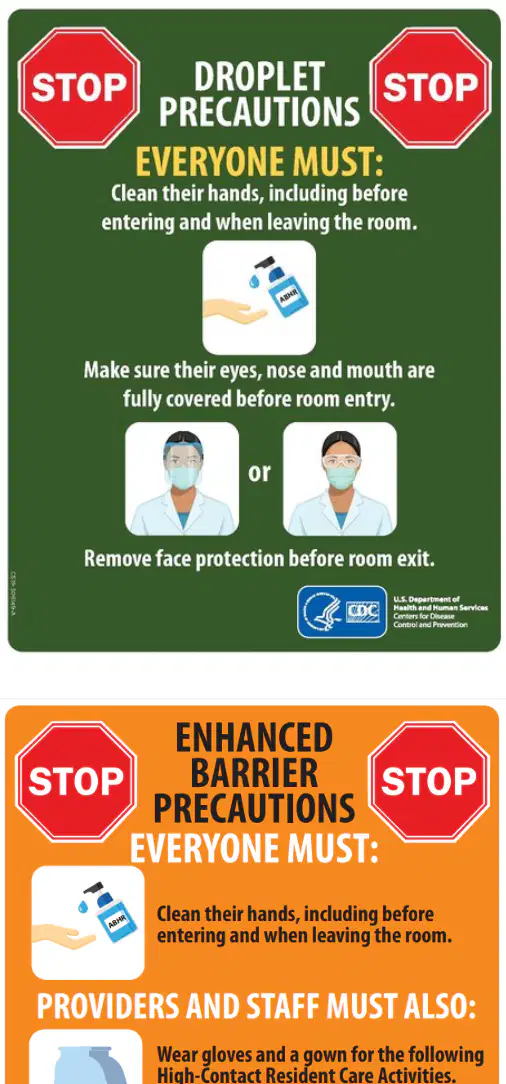
According to droplet precautions, what must everyone do before entering and after leaving the room?
Clean their hands
Take off their shoes
Eat a snack
Call the nurse
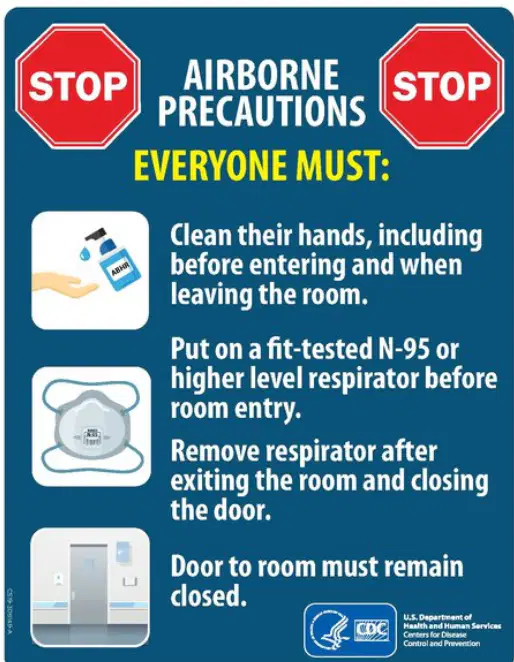
Which type of mask is required before entering a room under airborne precautions?
Fit-tested N-95 or higher level respirator
Surgical mask
Cloth mask
No mask is needed
Which of the following is NOT a high-contact resident care activity requiring gloves and a gown under enhanced barrier precautions?
Reading to the patient
Dressing
Bathing/Showering
Changing linens
Why is it important not to wear the same gown and gloves for the care of more than one person?
To prevent cross-contamination between patients
To save money
To look professional
To keep the gown clean
What should be done after removing a respirator when exiting a room under airborne precautions?
Close the door to the room
Wash the respirator
Leave the door open
Give the respirator to another person
Which of the following is NOT one of the three main bloodborne pathogens (BBPs) of concern in healthcare?
Human Immunodeficiency Virus (HIV)
Hepatitis B Virus (HBV)
Influenza Virus
Hepatitis C Virus (HCV)
What does HIV attack in the human body?
Red blood cells
Platelets
T lymphocytes (white blood cells)
Liver cells
Which disease can untreated HIV develop into?
Hepatitis
Acquired Immunodeficiency Syndrome (AIDS)
Jaundice
Cirrhosis
What is a common early symptom of Hepatitis B Virus (HBV) infection?
Skin rash
Jaundice (yellowing of the skin and eyes)
Hair loss
Blurred vision
According to OSHA, what must all healthcare employers offer to employees who may be exposed to blood?
Free medical checkups
HBV vaccine at no cost
Free health insurance
HCV vaccine at no cost
Which bloodborne pathogen is considered curable with proper treatment?
HIV
HBV
HCV
Influenza
What is the main difference between disinfection and sterilization?
Disinfection kills all microorganisms, sterilization does not
Sterilization kills all microorganisms including spores, disinfection does not
Disinfection is only used on people, sterilization is not
Sterilization uses chemicals, disinfection uses heat
Which law was enacted to protect healthcare workers from bloodborne pathogens by requiring safer medical devices and training?
The Healthcare Safety Act
The Needlestick Safety and Prevention Act
The Pathogen Protection Act
The Medical Device Safety Act
Why is sterilization required for certain medical items?
To clean visible dirt
To destroy all microorganisms, including spores, for items entering the bloodstream or sterile areas
To make items smell better
To reduce the cost of equipment
A healthcare worker is cleaning a countertop with a 10% sodium hypochlorite solution. What process are they performing?
Sterilization
Disinfection
Vaccination
Inoculation
Which of the following is a standard precaution that phlebotomists must follow when handling blood and body fluids?
Reuse gloves for each patient
Put on new gloves for every patient
Place needles inside transport bags
Leave specimen tubes open
What should phlebotomists do if their gloves become wet, soiled, or torn during a procedure?
Wash and reuse the gloves
Change gloves immediately
Continue using the same gloves
Disinfect the gloves with alcohol
Why is it important to place all specimens in a biohazard bag for transport?
To keep them organized
To prevent contamination and spread of infection
To make them easier to carry
To label them for identification
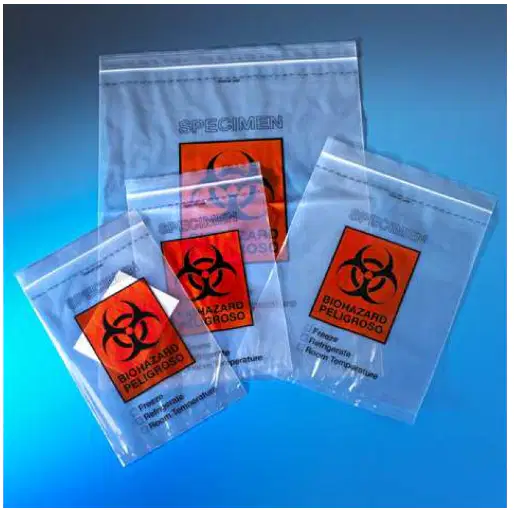
What is the purpose of the bags shown in the image?
For storing food items
For transporting biohazardous specimens safely
For carrying personal belongings
For disposing of regular trash
What is the correct order for donning (putting on) PPE before beginning a phlebotomy procedure?
Mask, Gown, Gloves, Goggles
Gown, Mask, Goggles, Gloves
Gloves, Gown, Mask, Goggles
Goggles, Mask, Gown, Gloves
Why should you avoid touching your face or handling personal items after donning PPE?
To keep your hands clean
To prevent contamination and spread of pathogens
To save time during procedures
To avoid damaging the PPE
When doffing (removing) PPE, why should gloves be removed first?
They are the easiest to remove
They are the most contaminated
They are the least important
They are the last item put on
Which method should be used to remove gloves safely after a procedure?
Pull both gloves off at once
Use the “inside-out” method to avoid touching the outside
Cut the gloves off with scissors
Wash the gloves before removing them
Imagine you are a phlebotomist who has just completed a blood draw. Describe the steps you would take to safely remove your PPE and explain why following the correct order is important.
Remove gloves, then gown, then mask/goggles, to avoid contaminating yourself with pathogens on the PPE.
Remove mask first, then gloves, then gown, to breathe more easily.
Remove gown first, then gloves, then mask, to save time.
Remove all PPE at once to finish quickly.
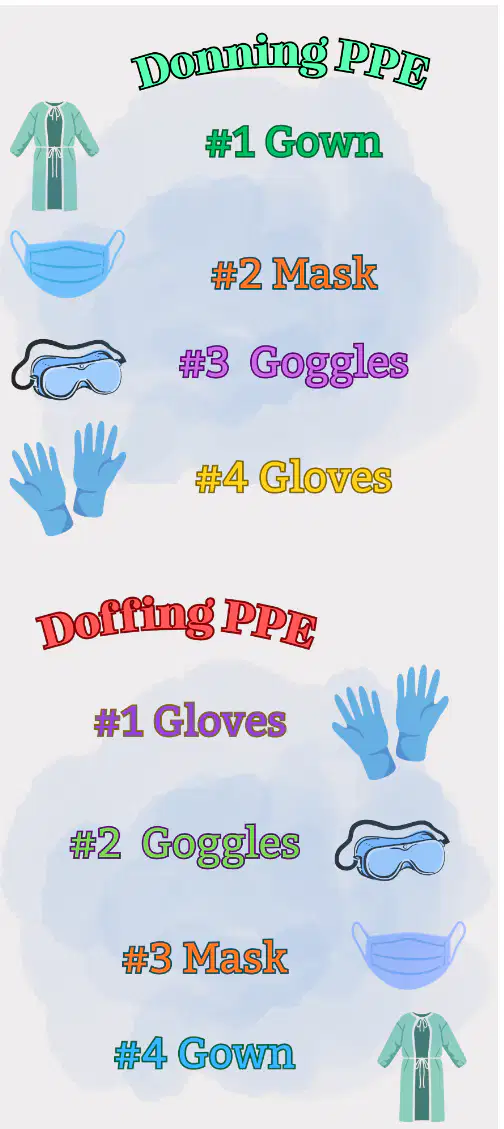
Which of the following is the correct order for donning (putting on) personal protective equipment (PPE)?
Gown, Mask, Goggles, Gloves
Gloves, Goggles, Mask, Gown
Mask, Gown, Gloves, Goggles
Goggles, Mask, Gown, Gloves
What should you do immediately after removing all PPE?
Discard the PPE in a regular trash bin
Perform hand hygiene with soap and water or an alcohol-based hand sanitizer
Put on a new set of PPE
Wipe your hands with a dry towel only
According to the guidelines, when should you remove your N95 mask?
Before entering the patient’s room
After leaving the patient’s room
Before removing your gloves
After removing your gown
Why is hand hygiene considered the most important practice for a phlebotomist in preventing infection?
It helps keep the hands moisturized
It prevents the spread of healthcare-associated infections (HAIs)
It makes gloves unnecessary
It is required by law
Which of the following statements about alcohol-based hand sanitizer is TRUE?
It should always replace handwashing with soap and water
It is a quick and effective method, but should not replace regular handwashing
It is only effective if used for less than 10 seconds
It should be used only when hands are visibly dirty
What is the recommended procedure when using an alcohol-based hand sanitizer?
Apply a small amount and let it air dry for 5 seconds
Apply the recommended amount and rub vigorously for about 20 seconds until dry
Rinse hands with water after applying
Only apply to the fingertips
Why is it important to follow proper donning and doffing procedures for PPE?
It saves time during patient care
It protects both the healthcare worker and the patient
It is only required for certain diseases
It reduces the need for hand hygiene
Which of the following is NOT a key point to remember when using PPE?
Always put on PPE before contact with the patient
Always remove PPE before leaving the patient care area
Follow your facility’s policies and standards
Only wear PPE if you feel it is necessary
Which of the following is NOT recommended for phlebotomy technicians as part of personal grooming for infection control?
Wearing rings, bracelets, or other jewelry
Keeping fingernails short, smooth, and clean
Avoiding artificial nails and nail polish
Washing hands frequently
When should hand sanitizer NOT be used more than five times in a row without washing with soap and water?
When hands are visibly dirty or contaminated
When hands are dry
When hands are cold
When hands are wet
Which of the following is a correct step in performing hand hygiene?
Turn on the water and avoid touching the inside of the basin
Apply lotion before washing hands
Keep hands above the elbows while washing
Dry hands before applying soap
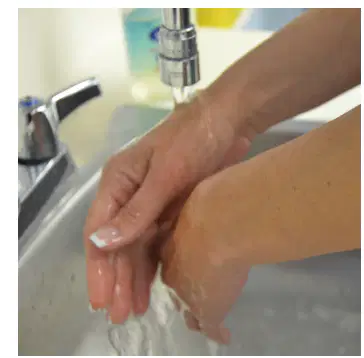
What is the correct position of the hands while washing, according to the steps for performing hand hygiene?
Below the elbows with fingertips pointed downward
Above the elbows with fingertips pointed upward
At chest level with fingers spread apart
Resting on the edge of the sink
Which of the following situations requires hand hygiene to be performed? (Select the BEST answer)
After touching garbage or trash
After reading a book
After sitting at a desk
After walking in a hallway
Why should artificial nails and nail polish be avoided by phlebotomy technicians?
They trap bacteria and increase the risk of infection
They make hands look unprofessional
They are difficult to clean
They are expensive to maintain
Which of the following is a reason for performing hand hygiene after removing gloves?
Gloves may have microscopic tears allowing contamination
Gloves are uncomfortable
Gloves are expensive
Gloves are reusable
What is the minimum recommended time for rubbing hands together with soap during hand hygiene?
At least 20 seconds
At least 5 seconds
At least 1 minute
At least 2 minutes
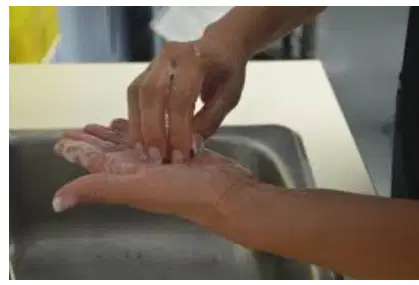
What is the recommended method for cleaning under the fingernails during handwashing?
Rubbing them against the palm of the opposite hand
Scratching them on a towel
Rinsing them under cold water only
Using a brush only
When rinsing your hands, in which direction should the water flow?
From fingertips toward the wrists
From wrists toward the fingertips
In any direction
From elbows to shoulders
Why is it important to use a clean, dry paper towel to dry your hands after washing?
To avoid recontaminating your hands
To save water
To make your hands smell nice
To keep the towel clean
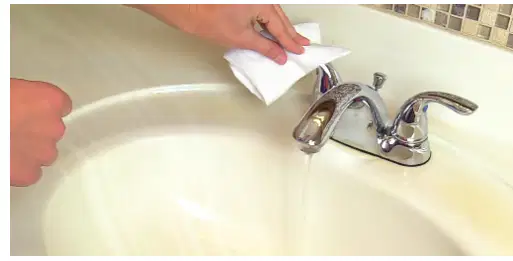
What is the purpose of using a new, clean paper towel to turn off the faucet after washing your hands?
To avoid contaminating your clean hands
To dry the faucet
To save paper towels
To clean the sink
A student washes their hands but forgets to dry all surfaces of their hands and wrists. What could be a possible consequence of this action?
Their hands may remain partially contaminated
Their hands will dry faster
The soap will be more effective
The faucet will stay clean

