wayground logo

Free Printable Worksheets

Font size

S
M
L
XL
Worksheets

Safety / Ecology Quiz

Total questions: 51

Worksheet time: 37mins

Name
Class
Date
1.
You have been injured in the lab (cut, burned, etc.) First you should -
a)
apply first aid yourself
b)
tell the teacher at once
c)
see a doctor after school
d)
visit the school nurse after class
2.
Cleaning up the science classroom is the job of -
a)
each student
b)
new students
c)
the teacher
d)
old students
3.
The most important thing during lab experiments is
a)
neatness
b)
finishing first
c)
safety
d)
getting the correct answer
4.
You should never ______ chemicals in the lab. 
a)

taste

b)

touch

c)

smell

d)

use

5.
When you finish working with chemicals, biological specimens, and other lab substances, always -
a)
treat your hands with skin lotion
b)
wash your hands thoroughly with soap and water
c)
wipe your hands on a towel
d)
wipe your hands on your clothes
6.
What process to smell chemicals is this person doing
a)
sniffing 
b)
snorting 
c)
wafting 
d)
wifting 
7.
When should accidents be reported to the teacher?
a)
if the injury is minor, it doesn't need to be reported
b)
immediately, no matter how small
c)
at the end of class 
8.

Your safety is the responsibility of

a)

the teacher

b)

your classmates

c)

You and everyone

9.
In what condition should the work areas should be kept? 
a)
As messy as you like - mess equals creativity.
b)
Clean and tidy at all times
c)
Clean and tidy if there is time, if not the next group will clean up.
d)
With all your books, laptops and art materials on them, in case they are needed.
10.

You should never ____ anything in the science lab without permission.

a)

drink

b)

equipment

c)

read

d)

fire

11.

When should you tie back long hair or baggy clothing?

a)

When working with chemicals

b)

When working with a Bunsen burner

c)

When doing dissections.

d)

Any time you are working in the lab.

12.
I must follow all instructions, written and verbal, about the laboratory procedures given by the teacher.
a)
True
b)
False
13.

I will perform only those activities that have been authorized by the instructor.

a)

True

b)

False

14.
If you are not sure what to do during a lab activity:
a)
guess
b)
change lab partners
c)
ask a teacher
d)
just sit quietly and do nothing
15.
Disrupting other students in the laboratory with horseplay in the lab is:
a)
helpful.
b)
allowed
c)
dangerous.
d)
the quickest way to do a job.
16.
What is the most important rule to follow in a science lab?
a)
tie hair back
b)
wear goggles
c)
follow directions
d)
get started right away
17.
When you walk into the science lab, you see the experiment set up at your table. You should:
a)
Start the experiment.
b)
Pick up each of the pieces of equipment.
c)
Wait for the teacher's directions.
d)
Walk around the lab to see other experiment set-ups.
18.

It's ok to "play and joke around" while performing experiments because science is FUN!

a)

true

b)

false

19.

Before you leave the science room, you should

a)

clean your work area and equipment.

b)

return all equipment to the proper storage area.

c)

wash your hands with soap and water.

d)

All of the above.

20.

Read all procedures thoroughly before performing a laboratory investigation.

a)

True

b)

False

21.

All unauthorized experiments are prohibited.

a)

True

b)

False

22.

It is okay to pick up broken glass with your bare hands as long as the glass is placed in the trash can.

a)

True

b)

False

23.

The one (1) piece of equipment a classroom or laboratory should have to solve a cut, or a burn is a ______ _______ kit.

a)

second

aid

b)

first

aid

c)

third

aid

d)

fourth

aid

24.

The one (1) piece of equipment a classroom or laboratory should have to solve a fire is a ______ _______.

a)

camp

fire

b)

fire

can

c)

fire

box

d)

fire

extinguisher

25.

Conduct yourself in a ______________ manner at all times.

a)

childish

b)

responsible

c)

horrible

d)

lethargic

26.

What do you wear to protect your eyes?

a)

goggles

b)

gloves

c)

apron

27.

What do you wear to protect your hands?

a)

Gloves

b)

Goggles

c)

apron

28.

Which of the following best describes the role of bacteria in the food web above?

a)

Uses energy from light, to combine oxygen, carbon dioxide and water and converts it into energy in the form of sugar.

b)

Uses energy from dead organisms or waste material to break down dead organisms and waste material into nutrients.

c)

Controls the population by removing energy from living organisms

d)

Uses energy from dead organisms or waste material to transfers energy

29.
Where do all life forms get their energy?
a)
Earth's Core
b)
Water
c)
Plants
d)
The Sun
30.
Which one is NOT an example of a decomposer?
a)
mushroom
b)
leaves
c)
mold
d)
worm
31.
What is a producer?
a)
an organism that gets energy from eating other organisms
b)
an organisms that uses sunlight to make its own food
c)
an organism that gets energy from eating dead organisms, non-living material or waste
d)
an organism that uses chemical energy to make its own food
32.
What is a herbivore?
a)
an animal that gets energy from eating other animals
b)
an organism that gets energy from eating only plants
c)
an animal that gets energy by eating both plants and other animals
d)
an animal that eats only herbs
33.
What is a carnivore?
a)
an animal that gets energy by eating other animals
b)
An animal that gets energy by eating only plants
c)
an animal that gets energy by eating both plants and animals
d)
an animal that makes its own energy through photosynthesis
34.
An animal that gets energy from eating both plants and animals is a 
a)
herbivore
b)
carnivore
c)
omnivore
d)
autotroph
35.
The shrew provides energy for the _______?
a)
cricket
b)
grasshopper
c)
frog
d)
snake
36.
Which of the following is a herbivore?
a)
cricket
b)
frog
c)
hawk
d)
shrew
37.
What is this called?
a)
Food Web
b)
Food Chain
c)
Abiotic Factors
38.
What is this called?
a)
Food Web
b)
Food Chain
c)
Abiotic Factors
39.
All food chains begin with a ____________.
a)
primary consumer
b)
secondary consumer
c)
producers
d)
scavengers
40.
An animal that eats other animals is a....
a)
carnivore
b)
omnivore
c)
herbivore
d)
decomposer
41.
Which best describes what a food chain shows you?
a)
Energy flow through an ecosystem
b)
Food flowing through an ecosystem
c)
Consumers going into other consumers
d)
Who eats who
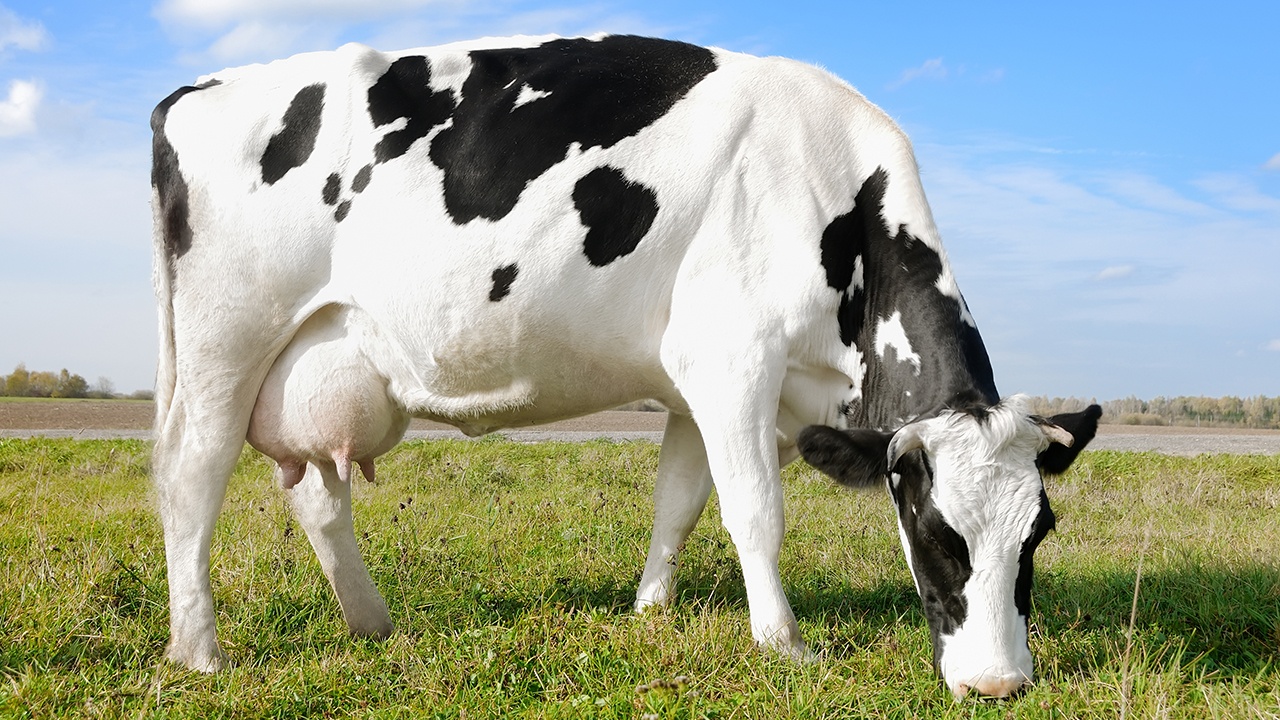
42.
The image provided is an example of a:
a)
Producer
b)
Heterotroph
c)
Consumer
d)
Decomposer
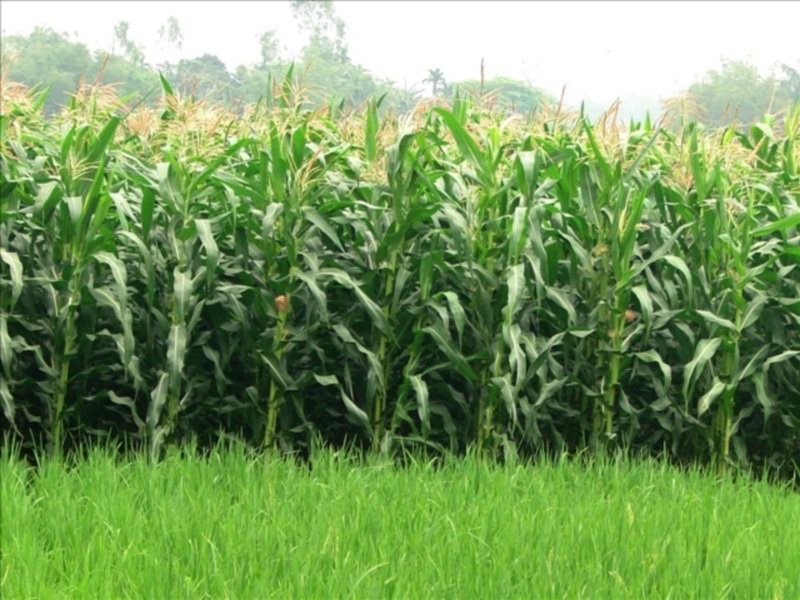
43.
The image provided is an example of a(n):
a)
Autotroph
b)
Carnivore
c)
Herbivore
d)
Decomposer
44.

What is a niche?

a)

The habitat that an organism lives in

b)

An organism’s “role” in an ecosystem

c)

A type of consumer

d)

The relationship between a producer and consumer

45.

What is biodiversity?

a)

The different ways species reproduce

b)

The degree of variation of life on Earth

c)

A way to describe similarities between different species

d)

The process of creating new species

46.
Which of the following terms describes an area where an organism lives?
a)
community
b)
habitat
c)
area
47.
Which is represented by all of the bullfrogs living around a pond?
a)
community
b)
habitat
c)
population
48.
What does a food web represent?
a)
All connections of energy flow throughout all organisms in a habitat.
b)
The specific ways that mutualism is carried out.
c)
A single pathway or energy flow between organisms. 
d)
How carnivores get their food. 
49.
The nonliving aspects of an ecosystem.
a)
Abiotic factors
b)
Biotic factors
50.
A collection of organisms that make up a community as well as all of the nonliving aspects of the environment.
a)
Population
b)
Community
c)
Habitat
d)
Ecosystem
51.
Different populations living and interacting with each other in the same area
a)
Biome
b)
Ecosystem
c)
Community
d)
Niche