
Font size
 Worksheets
Aging and Its Effects on Skin, Hair, and Nails
Total questions: 90
Worksheet time: 45mins
What changes occur to the skin as we age?
Skin becomes thicker and more resilient
Skin becomes thinner and more fragile
Skin becomes more elastic and hydrated
Skin becomes less sensitive to touch
What happens to hair as we age?
Hair becomes thicker and darker
Hair becomes curly and vibrant
Hair thins and turns gray
Hair grows faster and stronger
Which of the following is a common change in nails as we age?
Nails become softer and more flexible
Nails harden and become more brittle
Nails grow faster and stronger
Nails become more colorful and shiny
What is a possible effect of reduced circulation to the skin in older adults?
Increased skin elasticity
Enhanced skin hydration
Dryness and itching
Faster healing of wounds
Which of the following is a variation of normal in the integumentary system?
Breaks in skin
Consistent skin tone
Smooth and even skin texture
No changes in scalp or hair
What might pale, white, or reddened areas on the skin indicate?
Normal skin condition
Variation of normal in the integumentary system
Healthy skin tone
No significance
Which of the following is NOT a variation of normal in the integumentary system?
Black and blue areas
Rash, itching, or skin discoloration
Consistent hair growth
Changes in scalp or hair
Which of the following is a variation of normal in the integumentary system?
Normal temperature
Ulcers, sores, or lesions
Smooth skin
No drainage
What is a sign of abnormality in the integumentary system?
Healthy skin tone
Swelling
Moist skin
No lesions
What virus causes shingles, which also causes chickenpox?
Influenza virus
Varicella-zoster virus
Herpes simplex virus
Epstein-Barr virus
How long does a shingles outbreak typically last?
1 to 2 weeks
3 to 5 weeks
6 to 8 weeks
9 to 12 weeks
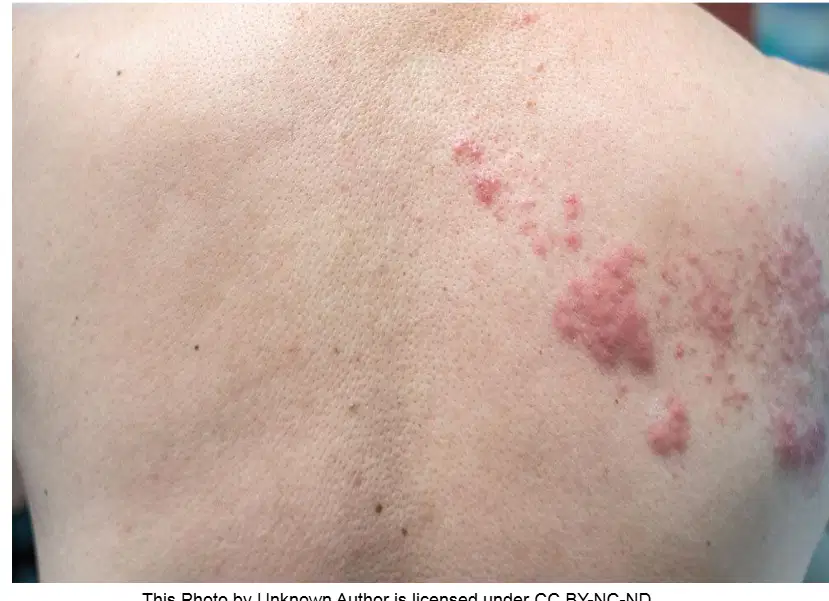
What type of rash is associated with shingles?
Itchy dry rash
Painful weeping rash
Blistering rash
Scaly rash
What is the treatment for shingles?
Antibiotics
Antiviral medicine
Vaccination
Painkillers
Under what condition is shingles considered infectious?
When lesions are dry
When lesions are crusty
When lesions are red
When lesions are itchy
What are common signs of a Shingle infection?
Fever and chills
Rash or blister on one side of the body
Sore throat
Headache
Who should avoid contact with residents infected with Shingles?
People who have had chicken pox
People with a strong immune system
Pregnant individuals
People who are vaccinated against chicken pox
What is the recommended action for a nurse aide when dealing with a shingles rash?
Keep the rash uncovered
Keep the rash covered until crusty
Apply lotion to the rash
Expose the rash to sunlight
What should residents be reminded to do often to prevent the spread of shingles?
Wash hands often
Wear gloves
Use hand sanitizer
Avoid drinking cold water
For whom is the shingles vaccine recommended?
People under 20 years old
People who have never had chicken pox
People 60 years or older who have had chicken pox
People with no history of skin conditions
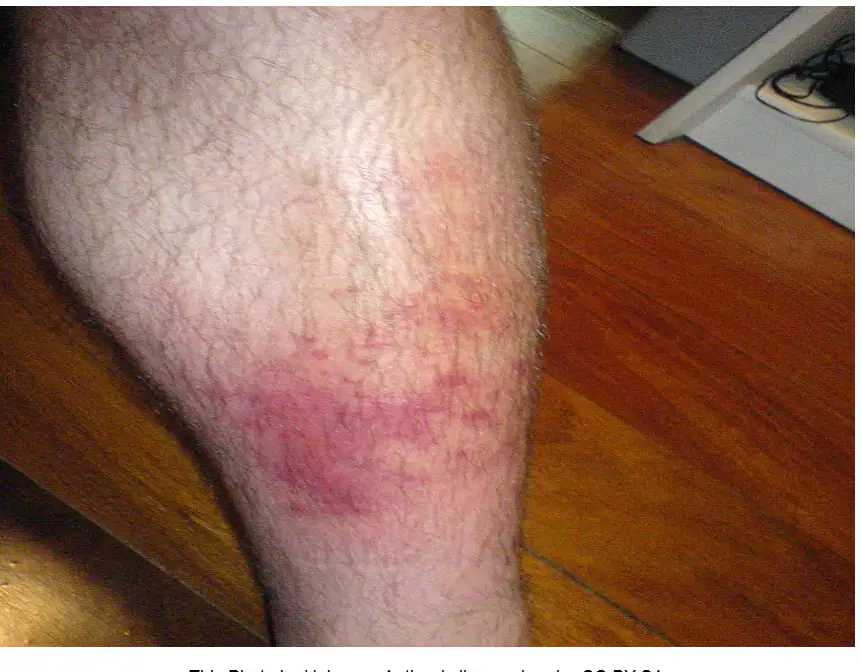
What part of the body is primarily affected by stasis dermatitis?
Upper arms
Lower legs and ankles
Abdomen
Neck
What can cause the buildup of fluid under the skin in stasis dermatitis?
Increased circulation
Decreased circulation, heart disease, or varicose veins
High blood pressure
Excessive exercise
What is a potential consequence of stasis dermatitis on the skin?
Strengthened skin
Fragile skin leading to open ulcers and wounds
Increased skin elasticity
Enhanced skin tone
What are the early signs of Stasis Dermatitis?
Swelling of legs, ankles, or other areas
Scaly, red, itchy areas
Thin skin, darkening skin
Leg pain
Which of the following is a later sign of Stasis Dermatitis?
Scaly, red, itchy areas
Swelling of legs, ankles, or other areas
Healthy skin
No pain
What is one of the responsibilities of a nurse aide regarding patient skin care?
Prescribe medication for skin conditions
Observe skin while providing care
Perform surgical procedures
Diagnose skin diseases
What should a nurse aide do if they notice changes in a patient's skin lesions or rash?
Ignore the changes
Report changes in skin lesions/rash to the nurse
Treat the rash with over-the-counter medication
Wait for the next scheduled check-up
What is a standard precaution that a nurse aide must use?
Use of Standard Precautions
Prescribing medication
Diagnosing illnesses
Performing surgeries
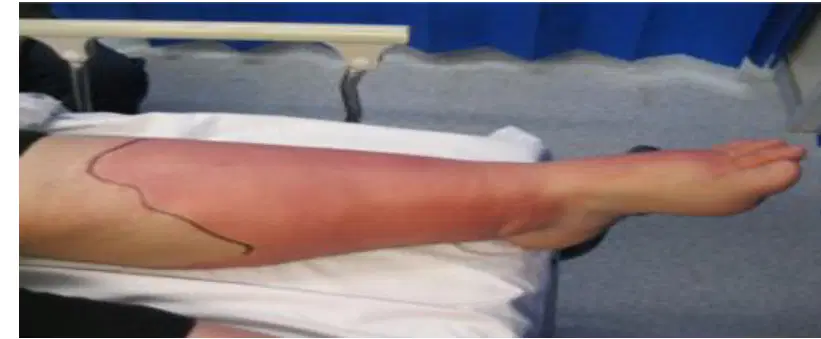
What is cellulitis?
A viral infection of the skin
A bacterial infection of the skin
A fungal infection of the skin
An allergic reaction of the skin
What can happen if cellulitis is not treated properly?
It may heal on its own
It may become a chronic condition
It may worsen and become sepsis
It may cause a rash
How does cellulitis spread?
Slowly over months
Rapidly
Only through direct contact
Through airborne particles
What is a common cause of cellulitis?
Viral infection
Break in the skin from a surgical incision
Allergic reaction
Fungal infection
Which of the following is a high-risk factor for cellulitis?
High blood pressure
Diabetes
Asthma
Migraine
How is cellulitis typically treated?
Antivirals
Antifungals
Antibiotics
Antihistamines
What action should be taken if a resident has warm, red, swollen skin and a fever?
Give the resident a cold bath
Report the symptoms to the nurse
Apply ice directly to the skin
Ignore the symptoms
What should be done to the lower extremities of a resident with cellulitis?
Massage them regularly
Elevate them
Apply heat packs
Keep them covered
What is a bony prominence?
An area where bone sticks out or projects from the flat surface of the body
A type of muscle injury
A condition affecting the skin
A type of joint inflammation
What is a pressure injury?
A lesion caused by unrelieved pressure that results in damage to underlying tissue
A bruise caused by a fall
A cut caused by a sharp object
A rash caused by an allergic reaction
What is shear in the context of pressure injuries?
Rubbing of one surface against another
When layers of skin rub against each other or when skin remains in place but tissues underneath move and stretch
A type of skin infection
A method of treating pressure injuries
What does friction refer to in the context of pressure injuries?
A type of skin infection
Rubbing of one surface against another; skin is dragged across a surface
A method of treating pressure injuries
A lesion caused by unrelieved pressure
Which of the following is a risk factor for residents that can lead to pressure injuries?
High physical activity
Lowered mental awareness
Excellent circulation
Young age
Which condition might increase the risk of pressure injuries due to difficulty in sensing pain or pressure?
High mental awareness
Problems sensing pain or pressure
Strong circulatory system
Being underweight
What is a characteristic of Stage 1 pressure injury?
Open wound
Intact skin
Blanchable redness
Deep tissue damage
In Stage 1 pressure injury, what happens when the skin is pressed?
It turns white
It becomes an open sore
It is non-blanchable
It bleeds
Where is redness observed in Stage 1 pressure injury?
Over muscles
Over bony prominence
On the palms
On the scalp
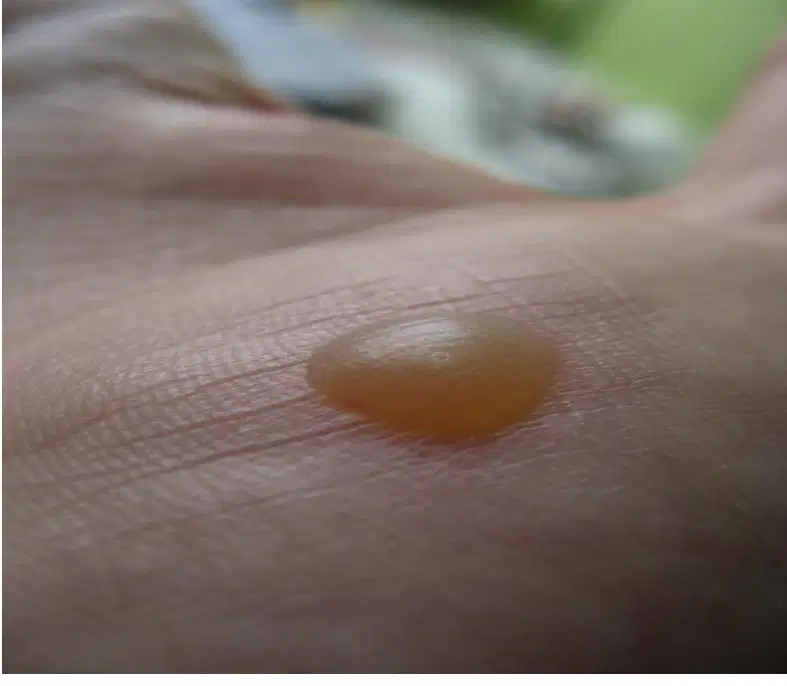
What is a characteristic of a Stage 2 pressure injury?
Full-thickness skin loss
Presence of a blister or shallow ulcer
Intact skin with redness
Deep tissue damage
What is a characteristic of Stage 3 pressure injuries?
Skin is intact
Skin loss is partial-thickness
Skin loss is full-thickness
No subcutaneous fat is visible
In Stage 3 pressure injuries, what type of tissue may be present?
Healthy tissue
Slough
Muscle tissue
Bone tissue
What colors can slough vary in during Stage 3 pressure injuries?
Red, blue, purple
White, yellow, green, or tan
Black, brown, gray
Pink, orange, violet
What is a characteristic of Stage 4 pressure injuries?
Partial-thickness skin loss
Full-thickness skin and tissue loss with muscle, tendon, and bone exposure
Redness and swelling
Intact skin with non-blanchable redness
What color is the eschar often found in Stage 4 pressure injuries?
Red or pink
Yellow or green
Black or brown
Blue or purple
What characterizes an unstageable pressure injury?
Full-thickness tissue loss covered by slough and/or eschar
Purple or deep red localized area of discolored skin
Partial-thickness skin loss with exposed dermis
Intact skin with non-blanchable redness
What is a common cause of deep tissue injury?
Exposure to extreme temperatures
Damage from pressure and/or shear
Infection by bacteria
Allergic reaction
How is a deep tissue injury typically identified?
By the presence of a blood-filled blister
By a full-thickness tissue loss
By a partial-thickness skin loss
By intact skin with non-blanchable redness
What is the maximum angle to which the bed should be raised in the 30° lateral position?
20°
30°
45°
60°
Where should pillows be placed in the 30° lateral position?
Under the knees
Under the head, shoulder, and leg
Under the back
Under the feet
What is the purpose of lifting the hip at a 30° angle in the 30° lateral position?
To increase comfort
To avoid pressure on the hip
To improve circulation
To enhance breathing
In the 30° lateral position, how should the person be positioned in relation to their hip?
Lying directly on the hip
Not lying on the hip
Lying on the back
Lying on the stomach
What should a nurse aide do every time care is provided to prevent pressure injury?
Apply hot water
Inspect the skin
Use soap frequently
Ignore the care plan
Why should a nurse aide avoid using hot water when providing skin care?
It can cause burns
It is too expensive
It can dry and irritate the skin
It is not effective
Which of the following is part of the care plan for preventing pressure injury?
Use hot water
Prevent incontinence
Avoid moisturizers
Skip bathing schedule
What should be applied to dry areas to prevent pressure injury?
Soap
Hot water
Moisturizer
Alcohol
What should a nurse aide report to the nurse regarding a resident's skin?
Any changes in the resident's skin, breaks or cracks
The resident's favorite color
The resident's meal preferences
The resident's daily schedule
How often should a nurse aide turn a resident to prevent pressure sores?
Every 2 hours
Every 6 hours
Once a day
Every 30 minutes
What is important to ensure about the linen for residents?
It is wrinkle-free and free of food crumbs
It matches the room decor
It is colorful and bright
It is made of silk
What is one of the benefits of changing a patient's position regularly?
It reduces the need for medication.
It promotes easier breathing.
It increases appetite.
It improves memory.
Why is promoting circulation important in patient care?
To enhance digestion.
To prevent pressure ulcers and contractures.
To improve vision.
To increase energy levels.
Which of the following is a reason for changing a patient's position?
To promote well-being and comfort.
To increase muscle mass.
To improve hearing.
To enhance taste.
What is the position called when a person is lying flat on their back?
Supine
Prone
Lateral
Sims
In which position is a person lying on their abdomen?
Fowler’s
Prone
High Fowler’s
Supine
What is the Fowler’s position?
Lying flat on the back
Semi-sitting at 45 to 60 degrees
Sitting up almost straight 60 to 90 degrees
Positioned on the abdomen
Which position involves sitting up almost straight at 60 to 90 degrees?
High Fowler’s
Supine
Sims
Lateral
What is the Sims position?
Positioned flat on back
Positioned on right or left side
Positioned in left side lying position
Semi-sitting at 45 to 60 degrees
What should be avoided to prevent skin breakdown when moving a resident?
Lifting
Shearing
Rolling
Sliding
What should you do if you do not feel it is safe to move a resident by yourself?
Attempt to move them anyway
Get help
Leave them as they are
Ask the resident to move themselves
Why is it important to discuss with the resident what you are going to do before moving them?
To ensure they are comfortable
To involve them in the process
To make them aware of the plan
All of the above
What should be avoided when giving a back rub to prevent pressure injury?
Rubbing over boney prominences
Using lotion
Applying gentle pressure
Using a soft cloth
How should linen be maintained to help prevent pressure injuries?
Clean, dry, and free of wrinkles
Wet and wrinkled
Damp and smooth
Stiff and dry
What is recommended to avoid during bathing or drying to prevent pressure injuries?
Scrubbing vigorously
Patting gently
Using warm water
Applying moisturizer
What should be used to avoid skin-to-skin contact in order to prevent pressure injuries?
Pillow or blanket
Towel
Sheet
Mattress
What should not be applied directly on a pressure injury?
Heat
Cold compress
Moisturizer
Bandage
What is a key strategy in preventing pressure injuries?
Identifying residents at risk
Increasing fluid intake
Reducing physical activity
Limiting social interactions
Which of the following measures is directed at preventing pressure injuries?
Handling, moving, and positioning of the resident
Increasing sugar intake
Encouraging prolonged sitting
Reducing sleep hours
What is an important aspect of skin care in preventing pressure injuries?
Providing skin care
Avoiding skin moisturizers
Using harsh soaps
Limiting skin cleaning
Where do pressure injury points most commonly occur?
Over muscular areas
Over bony areas
Over fatty areas
Over joint areas
Which of the following objects can contribute to pressure injuries?
Soft pillows
Eyeglasses
Cotton clothing
Wooden furniture
What is a common site for pressure injuries?
Elbow
Sacrum
Knee
Wrist
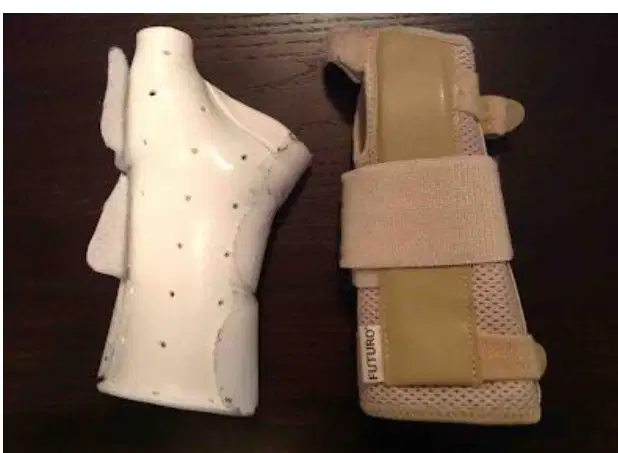
Pressure areas can occur where skin is in contact with skin. Which of the following is an example of such a location?
Forehead
Abdominal folds
Palms
Ankles
Which of the following is a characteristic of residents at risk according to the learning material?
Regular physical activity
Bedfast (confined to bed)
Excellent nutrition
Strong muscle control
What condition requires residents to need some or total help moving?
Agitation
Good fluid balance
Coma
Regular exercise
Which of the following is NOT a risk factor for residents according to the document?
Urinary or fecal incontinence
Exposure to moisture
Strong immune system
Poor nutrition

