
 Worksheets
Characteristics and Classification of Life Test
Total questions: 36
Worksheet time: 26mins
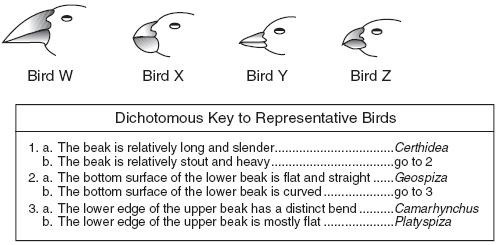


A dichotomous key for insects is given. To what order does an insect with two pairs of scaly wings belong?
Coleoptera
Diptera
Heteroptera
Lepidoptera

A student discovers an arachnid with a segmented abdomen, long legs, and a tail with no stinger. The student uses the dichotomous key to identify it. Which arachnid has the student found?
A. Daddy Long Legs
B. Scorpion
C. Wind scorpion
D. Whip scorpion



Which Characteristics of Living Things is represented by the picture?
Maintain Homestasis
Made of Cells
Respond to stimuli
same chemical make up
Which of the following is the smallest or most specific level of taxonomy?
phylum
species
domain
order


Students collected leaf samples. The students used the leaf identification key below to identify a leaf sample.
Based on the identification key, which type of tree is this sample from?
Ginkgo
Honey locust
Horse Chestnut
Black Maple


Which level of classification comes directly below 'Family' in the taxonomic hierarchy?
Species
Order
Class
Genus
According to binomial nomenclature, which part of the scientific name is always written in lowercase?
Family
Species
Genus
Order

The following list represents characteristics of a living thing :
made of cells, has lungs, can reproduce
made of cells, grows and develops, uses energy
has similar chemicals, makes noises, made of cells
Any living thing is called a _____________.
organism
cell
matter
atom
Identify all of the following that are living.
Volcano
Tree
Sun
Fungus
You are cooking dinner. You accidentally touch the hot pan and pull your hand back. Which characteristics of living things does this represent?
Response to stimuli
made up of cells
Evolve as a species
maintain homeostasis

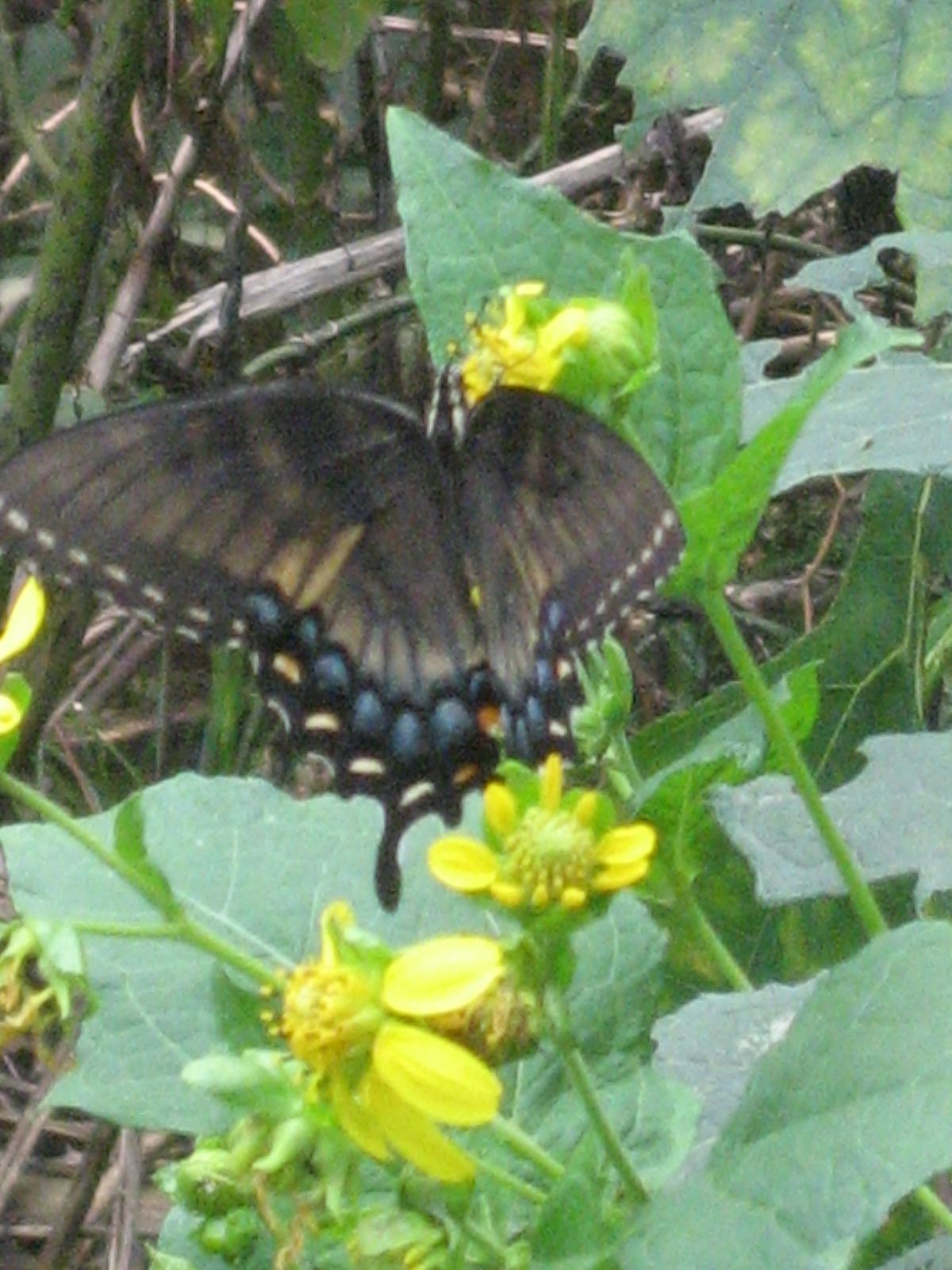
A student examines the winged insect using the picture.
Based on the key, in what order should this insect be classified?
Mantodea
Raphidioptera
Coleoptera
Lepidoptera
Which of the following is the correct order for least related to most related?
Domain
Kingdom
Phylum
Class
Order
Family
Genus
Species
Species
Kingdom
Phylum
Class
Order
Family
Genus
Domain
Species
Genus
Family
Order
Class
Phylum
Kingdom
Domain
Domain
Kingdom
Class
Phylum
Order
Genus
Family
Species
What would the scientific name of this organism be?
Kingdom: Animalia
Phylum: Chordata
Class: Mammalia
Order: Carnivora
Family:Canidae
Genus: Canis
species: mesomelas
Mammalia carnivora
Canidae mesomelas
Canis mesomelas
Animalia chordata
Which of the following sets of animals would be the most closely related?
Animals in the same order
Animals in the same genus
Animals in the same class
Animals in the same family
The American lobster (Homarus americanus) is most closely related to which of the following organisms?
Cape lobster (Homarinus capensis)
Common lobster (Homarus gammarus)
Patagonian lobsterette (Thymops birsteini)
Scarlett clawed lobster (Nephropsis atlantica)
What is the study of classification?
taxonomy
biology
botany
microbiology

The binomial nomenclature of the animals of the world makes it?
Easier to identify organisms for science
Harder to identify organisms for science.
Not necessary for science.
Confusing and difficult

The classification system in which each species is assigned a two-part scientific name?
Binomial Nomenclature
Cladogram
Phylogeny
Classonomy

Swedish botanist and founder of the modern binomial classification system for plants and animals.
Binomial Nomenclature
Carl Linnaeus
Plant Kingdom
Eukaryotic Cells

