
 Worksheets
Cardiac Emergencies - Chapter 13
Total questions: 15
Worksheet time: 51mins
Define the following term: angina.
Angina is chest pain or discomfort due to reduced blood flow to the heart muscle.
Angina is a type of skin rash caused by an allergic reaction.
Angina is a condition where the bones become brittle and weak.
Angina is a viral infection that affects the liver.
Define the following term: cardiac compromise.
Cardiac compromise refers to any condition that affects the heart's ability to function properly, often resulting in inadequate blood flow to the body.
Cardiac compromise is a term used to describe high blood pressure in the arteries.
Cardiac compromise refers to a condition where the lungs are unable to supply enough oxygen to the blood.
Cardiac compromise is a digestive disorder affecting the absorption of nutrients.
Define the following term: conduction pathway.
The conduction pathway is the route taken by electrical impulses through the heart, which controls the heartbeat.
The conduction pathway is the process of oxygen exchange in the lungs.
The conduction pathway is the movement of blood through the arteries and veins.
The conduction pathway is the breakdown of food in the digestive system.
Define the following term: heart failure.
Heart failure is a condition in which the heart is unable to pump blood effectively to meet the body's needs.
Heart failure is a condition where the heart beats faster than normal at all times.
Heart failure is a disease where the heart stops beating suddenly without warning.
Heart failure is a condition in which the heart produces excess blood.
Define the following term: myocardial infarction.
Myocardial infarction is the medical term for a heart attack, which occurs when blood flow to a part of the heart is blocked.
Myocardial infarction is a type of lung infection caused by bacteria.
Myocardial infarction refers to a broken bone in the arm.
Myocardial infarction is the medical term for high blood pressure.
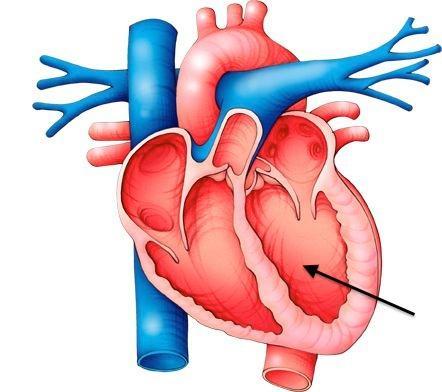
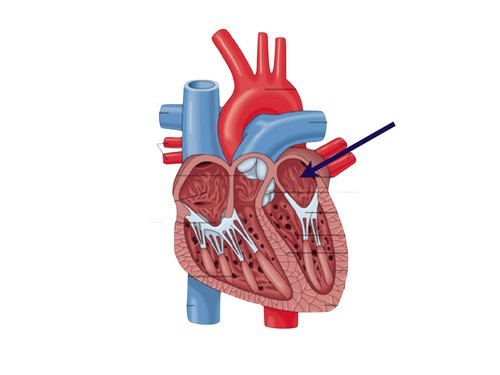
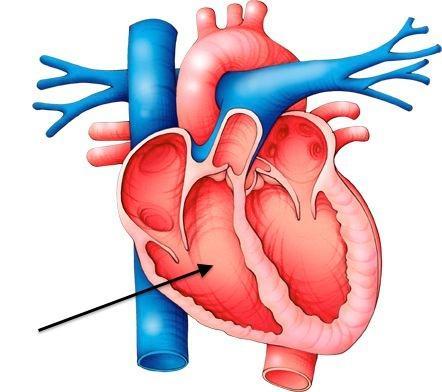
The normal flow of blood through the heart is best described as:
Right atrium → Right ventricle → Lungs → Left atrium → Left ventricle → Body
Left atrium → Left ventricle → Lungs → Right atrium → Right ventricle → Body
Right ventricle → Right atrium → Lungs → Left ventricle → Left atrium → Body
Left ventricle → Left atrium → Lungs → Right ventricle → Right atrium → Body
Common causes of cardiac compromise include:
Myocardial infarction, arrhythmias, heart failure, and cardiac tamponade
Asthma, diabetes, and arthritis
Liver cirrhosis, peptic ulcer, and pancreatitis
Migraine, epilepsy, and depression
The signs and symptoms of a patient experiencing cardiac compromise include:
Chest pain, shortness of breath, sweating, and nausea
Fever, chills, and sore throat
Abdominal pain, diarrhea, and vomiting
Joint pain, rash, and swelling
Differentiate and explain the pathophysiology of angina, myocardial infarction, and heart failure.
Angina is due to narrowing of coronary arteries, myocardial infarction is caused by prolonged blockage leading to tissue death, and heart failure results from the heart's inability to pump blood effectively.
Angina is caused by heart valve infection, myocardial infarction is due to high blood pressure, and heart failure is a result of lung disease.
Angina is a genetic disorder, myocardial infarction is caused by viral infection, and heart failure is due to excess exercise.
Angina is due to low blood sugar, myocardial infarction is caused by dehydration, and heart failure is a result of kidney failure.
The appropriate assessment and care for a patient experiencing cardiac compromise includes:
Monitoring vital signs, administering oxygen (spO2 <95), and preparing for advanced care.
Only providing fluids and rest.
Ignoring chest pain if it subsides quickly.
Delaying assessment until symptoms worsen.
Identify one way to determine a person's heart rates.
put a hand on the heart to measure pulse
put a thumb on the wrist to measure pulse
put a thumb on the neck to measure pulse
put two fingers on the wrist to measure pulse

