
 Worksheets
Fire Safety Quiz
Total questions: 62
Worksheet time: 31mins
What are the three elements of the fire triangle?
Heat, Water, Fuel
Heat, Oxygen, Fuel
Oxygen, Water, Fuel
Heat, Carbon Dioxide, Fuel
Which of the following is NOT a method of fire spread?
Radiation
Conduction
Convection
Evaporation
What is the role of a fire marshal or warden?
To extinguish fires
To assess fire risks
To enforce fire safety standards
To manage fire detection systems
Which of the following is a fire detection system?
Fire extinguisher
Smoke alarm
Fire triangle
Fire marshal
What is the purpose of setting measurable goals in the SMART framework?
To ensure goals are easy
To ensure you can measure success
To ensure goals are vague
To ensure goals are irrelevant
What is a common cause of fires related to electrical equipment?
Careless disposal of smokers’ materials
Neglect or misuse of electrical equipment
Children playing with matches
Portable heating appliances
Which of the following is a deliberate act that can cause fires?
Cooking equipment faults
Portable heating appliances
Arson
Hot works or work equipment
What is a potential fire hazard involving children?
Cooking equipment
Children playing with matches
Portable heating appliances
Hot works or work equipment

Which activity related to work equipment can lead to fires?
Careless disposal of smokers’ materials
Hot works or work equipment
Neglect of electrical equipment
Cooking equipment faults
What are the most common fire hazards?
Electrical equipment, cooking, smoking
Water leaks, dust, noise
Cold weather, rain, wind
Sunlight, humidity, insects
How can these hazards be prevented?
Ignoring safety protocols
Regular maintenance, proper storage, awareness
Increasing the use of flammable materials
Leaving appliances on when not in use
What is the most common cause of fires according to the diagram?
Electrical
Smoking
Arson
Other
What percentage of fires are caused by electrical issues?
10%
25%
15%
50%
Which cause of fires accounts for the smallest percentage?
Arson
Electrical
Smoking
Other
Which of the following is a reason why arson might be committed?
Insurance fraud
Environmental conservation
Urban development
Scientific research
Arson can be committed to conceal what?
A new business venture
Another crime
A public event
A scientific discovery
Which of the following is NOT a reason for committing arson?
Political or ideological views
Return to work/school
Mental illness
Environmental protection
What is a possible motive for arson related to personal feelings?
Revenge
Charity
Education
Exploration
Which of the following is a method to prevent arson?
Leave windows open at night
Limit number of entrances and exits used
Allow unrestricted access to non-employees
Ignore waste management
What should staff do to help prevent arson?
Be vigilant at all times
Lock all fire exits
Avoid coordinating with other employers
Leave doors unlocked
How can waste management help in preventing arson?
By ignoring waste collection
By regular collections and safe storage
By storing waste near exits
By leaving waste in open areas
What is a recommended action for securing the perimeter to prevent arson?
Leave gaps under doors
Secure perimeter
Remove locks from doors
Allow easy access to all areas
Why should lights be left on at night to prevent arson?
To increase electricity bills
To deter potential arsonists
To make the building warmer
To confuse employees
Who is considered the "responsible person" under the Regulatory Reform (Fire Safety) Order 2005?
A firefighter on duty
Any visitor to the premises
The employer or person with control of the premises
A security guard
What defines a "relevant person" according to the Regulatory Reform (Fire Safety) Order 2005?
Any person lawfully in the premises or nearby, excluding firefighters on duty
Only employees of the premises
Firefighters on duty
Any person within a 5-mile radius
What are the three components of the fire triangle?
Oxygen, Fuel, Ignition/Heat
Water, Fuel, Ignition
Oxygen, Water, Ignition
Fuel, Water, Heat
Which of the following is a source of heat/ignition in the fire triangle?
Wood
Lighter
Natural Gas
HVAC
Which of the following is considered a fuel in the fire triangle?
Matches
Sunlight
Rubber
Cylinders
What is a source of oxygen in the fire triangle?
Friction
Plastics
Chemical Reaction
Butane
What is one of the hazards that a fire can create?
Increased oxygen
Heat
Water accumulation
Noise pollution
Which of the following is a gaseous product of combustion that can be a hazard during a fire?
Carbon dioxide
Water vapor
Gaseous combustion products
Nitrogen
What hazard can cause difficulty in seeing during a fire?
Reduced visibility
Increased brightness
Enhanced clarity
Clear air
Which of the following is a structural hazard that can occur due to a fire?
Building collapse
Building expansion
Building reinforcement
Building elevation
What happens to oxygen levels during a fire?
Increased oxygen
Reduced oxygen
Constant oxygen
Oxygen saturation
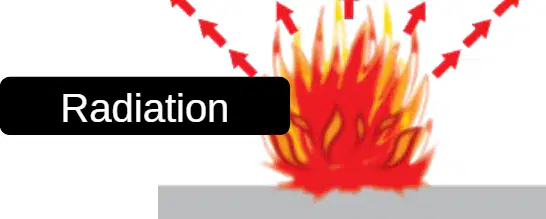
Which method of fire spread involves the transfer of heat through electromagnetic waves?
Conduction
Convection
Radiation
Direct burn
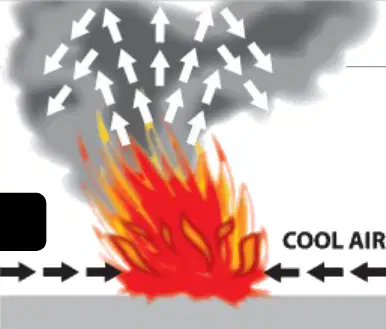
What is the primary method of fire spread that involves the movement of hot air and smoke?
Conduction
Convection
Radiation
Direct burn

Which method of fire spread involves direct contact with flames?
Conduction
Convection
Radiation
Direct burn
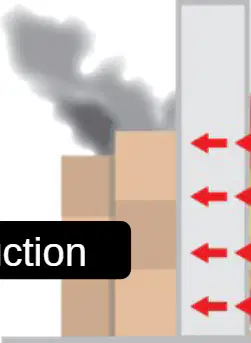
How does conduction spread fire?
Through electromagnetic waves
By direct contact with flames
Through the movement of hot air
By heat transfer through materials
What is the rapid transition from a growing fire to a fully developed fire called?
Backdraft
Flashover
Combustion
Ignition
What term describes the explosion or rapid burning of fire gases resulting from the introduction of oxygen to a subdued fire?
Flashover
Backdraft
Conflagration
Smoldering
Which of the following is a sign of a flashover?
The fire is occurring in a well-ventilated compartment
The fire is contained to a small area
There is a slow build-up of heat
The smoke is clear and odorless
What indicates a rapid build-up of heat during a flashover?
The room temperature decreases
The room temperature remains constant
There is a rapid build-up of heat
The fire extinguishes itself
What can be seen in the smoke above the fire during a flashover?
Water droplets
Tongues of flame
Ash particles
Clear air
What happens to combustible materials in the room during a flashover?
They become non-flammable
They give off flammable gases
They cool down
They turn into water
What is a sign of a backdraft involving smoke and flames?
A large amount of smoke with no visible flames
Bright flames with no smoke
Smoke with visible flames
No smoke or flames
How does smoke behave in a backdraft situation at gaps in doors and windows?
Smoke appears to pulse in and out
Smoke remains still
Smoke flows continuously outward
Smoke flows continuously inward
What color is the smoke that may indicate a backdraft?
Blue or green
Yellow or brown
Red or orange
White or gray
What appearance might windows have from the outside during a backdraft?
Clear and transparent
Blackened or browned
Frosted and white
Shiny and reflective
Which of the following is a physical factor to stop the spread of smoke and fire?
Compartmentation
Fire alarms
Sprinkler systems
Emergency lighting
What is the purpose of fire separation in buildings?
To enhance aesthetic appeal
To restrict smoke and fire spread
To improve energy efficiency
To increase natural lighting
Which element is NOT listed as a factor in restricting smoke and fire spread?
Doors
Ventilation
Fire alarms
Internal and external walls
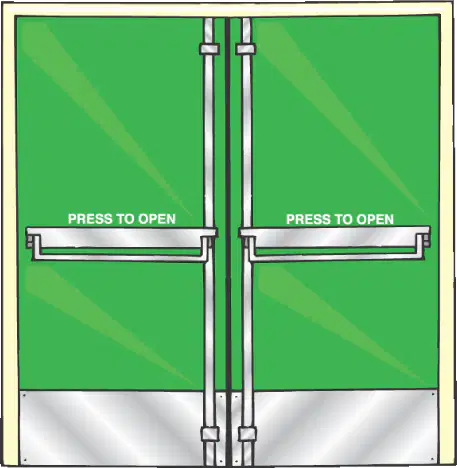
What is the primary requirement for people in a building regarding means of escape?
They must be able to reach a place of absolute safety without being affected by heat and smoke.
They must be able to reach the nearest window.
They must be able to find a fire extinguisher.
They must be able to call emergency services.
Which of the following is NOT mentioned as a factor in maintaining means of escape?
Signs and notices
Lighting
Ventilation
Maintaining means of escape
Which class of fire involves flammable liquids such as petrol and solvents?
Class A
Class B
Class C
Class D
What type of materials are involved in Class A fires?
Flammable gases
Cooking fats
Free-burning materials like paper, wood, plastics
Metals like potassium and sodium
Class C fires involve which of the following?
Flammable gases like methane and hydrogen
Cooking fats
Metals like magnesium
Electrical fires
Which class of fire is associated with cooking fats?
Class A
Class B
Class C
Class D
Fires involving electricity are classified under which class?
Class A
Class B
Class E
Class F
Which class of fire involves flammable gases like methane and hydrogen?
Class A
Class B
Class C
Class D
What type of materials are involved in Class A fires?
Metals like potassium and sodium
Free burning materials like paper, wood, textiles
Flammable liquids like petrol
Cooking fats
Which class of fire is associated with cooking fats?
Class A
Class B
Class E
Class F
Class D fires involve which type of materials?
Flammable gases
Metals like potassium, sodium, magnesium
Flammable liquids
Free burning materials

