
 Worksheets
UNIT 2 On-Scene Management HW
Total questions: 57
Worksheet time: 29mins
Which of the following is a principle of on-scene management?
Maintain the safety of disaster workers
Increase the number of disaster workers
Reduce the number of rescue efforts
Eliminate leadership roles
Why is it important to provide clear leadership and organizational structure during on-scene management?
To ensure everyone knows their roles and responsibilities
To make the scene more chaotic
To reduce the number of workers
To avoid communication
Which of the following best describes the purpose of improving the effectiveness of rescue efforts in on-scene management?
To save more lives and resources during a disaster
To slow down the rescue process
To increase confusion among workers
To reduce the number of leaders
A disaster response team is struggling with unclear roles and poor communication. Which principle of on-scene management should they focus on to resolve this issue?
Provide clear leadership and organizational structure
Increase the number of rescue workers
Reduce the effectiveness of rescue efforts
Ignore safety protocols
Which of the following is a key component of CERT On-Scene Management?
Well-defined management structure
Randomized resource allocation
Unrestricted span of control
Informal communication only
What does "manageable span of control" refer to in CERT On-Scene Management?
Ensuring each supervisor oversees a reasonable number of personnel
Allowing supervisors to control as many people as possible
Having no supervisors at all
Letting team members manage themselves
Why is common terminology important in CERT On-Scene Management?
It helps ensure clear and effective communication among team members.
It allows for more creative language use.
It encourages the use of slang.
It reduces the need for communication.
Which of the following best describes the purpose of consolidated action plans in CERT On-Scene Management?
To coordinate team efforts and ensure everyone is working toward the same goals
To allow each member to create their own plan
To avoid planning and act spontaneously
To focus only on individual tasks
A CERT team is struggling with resource allocation during a disaster response. Which principle should they focus on to improve their effectiveness?
Comprehensive resource management
Ignoring available resources
Limiting communication
Reducing accountability
How does accountability contribute to effective CERT On-Scene Management?
It ensures that all team members are responsible for their actions and roles.
It allows team members to avoid responsibility.
It encourages secrecy among team members.
It reduces the need for supervision.
Which of the following is an objective for on-scene management?
Identify scope of incident
Increase incident frequency
Ignore available resources
Delay documentation
What is the purpose of determining the overall strategy during on-scene management?
To plan the best approach for handling the incident
To ignore the incident
To avoid using resources
To document unrelated actions
Which action is NOT part of the objectives for on-scene management?
Deploy resources
Document actions and results
Ignore the incident
Identify scope of incident
A CERT leader is managing a disaster scene. Which sequence of actions best demonstrates strategic thinking in on-scene management?
Identifying the scope of the incident, determining an overall strategy, deploying resources, and documenting actions and results
Ignoring the incident, waiting for help, and leaving the scene
Deploying resources without a plan, then documenting nothing
Only documenting actions without assessing the situation

Which of the following is NOT part of the Command Staff in the Incident Command System?
Public Information Officer
Safety Officer
Operations Section Chief
Liaison Officer
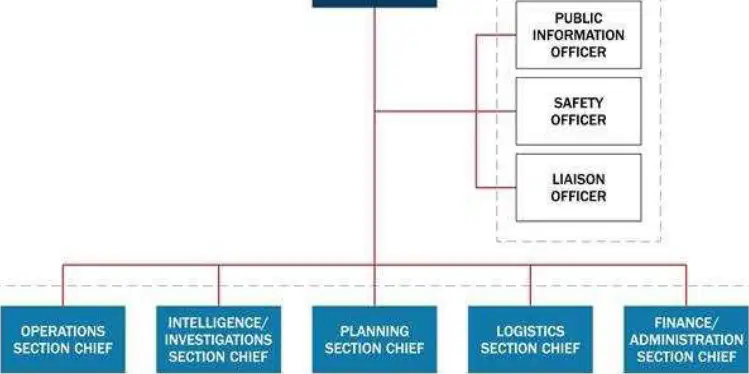
Which section is responsible for managing resources and supplies in the Incident Command System?
Planning Section
Logistics Section
Finance/Administration Section
Intelligence/Investigations Section

If you were tasked with ensuring the safety of all personnel at an incident, which position would you most likely hold in the Incident Command System?
Safety Officer
Planning Section Chief
Liaison Officer
Operations Section Chief

Analyze the structure of the Incident Command System and explain why having both Command Staff and General Staff is important for effective emergency response.
It allows for clear division of responsibilities and specialized roles, improving coordination and efficiency.
It reduces the number of people involved in the response.
It ensures only one person makes all decisions.
It eliminates the need for communication between teams.

Which of the following is NOT listed as a component of CERT Operations?
Command structure
CERT Team Leader
Command Post
Emergency Medical Technician

What is the role of the CERT Team Leader in CERT Operations?
To provide medical care
To lead and coordinate the CERT team
To manage financial resources
To operate heavy machinery
Why might the structure of CERT Operations be expanded?
To reduce the number of team members
To address additional needs as situations become more complex
To limit communication
To avoid using a command post
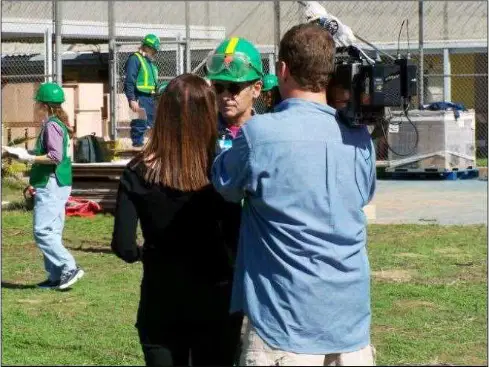
According to CERT guidelines, to whom should media inquiries be referred?
CERT Incident Commander/Team Leader
Any available CERT member
The nearest law enforcement officer
The general public
What should CERT members avoid when dealing with the media?
Letting the media inhibit CERT goals
Providing detailed technical information
Wearing their CERT uniform
Referring to the CERT handbook
Why is it important for CERT members to be careful about the information they release to the media?
To protect sensitive or inaccurate information from being shared
To ensure the media gets exclusive stories
To promote CERT on social media
To avoid answering any questions
A CERT member is approached by a reporter for information during an incident. What is the most appropriate action for the CERT member to take?
Refer the reporter to the CERT Incident Commander/Team Leader
Answer all questions to the best of their ability
Ignore the reporter and walk away
Share only personal opinions
What is the main purpose of NIMS Implementation as described in the material?
To create new emergency response teams
To improve the ability to work together
To provide medical training
To develop new technology
Which course provides an introduction to the Incident Command System (ICS)?
IS-700
IS-200
IS-100
IS-800
What does the IS-700 course introduce?
Introduction to CERT
Introduction to ICS
Introduction to NIMS
Introduction to FEMA
Why is it important for emergency response teams to complete both IS-100 and IS-700 courses?
To learn about medical procedures and technology
To ensure they can work together using standardized systems and processes
To become certified firefighters
To understand weather patterns
What does the image on the right side of the slide represent?
A weather forecast website
The FEMA Emergency Management Institute course welcome page for ICS 100
A CERT team meeting
A map of emergency shelters

What is the first responsibility of CERTs during mobilization?
Take care of themselves, their families, their homes, and their neighbors
Proceed to the staging area
Prioritize actions
Establish a team leader
Which of the following best describes the organization of CERT during mobilization?
Rigid and unchanging
Flexible and evolves based on new information
Only follows initial plans
Disorganized and random
After taking care of themselves and their families, what is the next step for CERT members?
Go home and wait for instructions
Proceed to the predesignated staging area
Start prioritizing actions
Disband the group
Why is it important for the TL to prioritize actions during CERT mobilization?
To ensure the group is organized and effective
To delay response time
To avoid taking any action
To ignore new information
Which of the following is the first step in the On-Scene Size-up process?
Assess and Communicate Damage
Gather Facts
Make Decisions
Take Action
During the On-Scene Size-up, what should you do after you have established priorities?
Evaluate Progress
Develop Plan of Action
Make Decisions
Assess and Communicate Damage
Which step in the On-Scene Size-up process involves determining what is most important to address first?
Establish Priorities
Consider Probabilities
Take Action
Assess Your Own Situation
Why is it important to evaluate progress as the final step in the On-Scene Size-up process?
To gather facts for the next incident
To ensure that actions taken are effective and adjust plans if necessary
To communicate damage to others
To make initial decisions
If you have already gathered facts, assessed damage, and considered probabilities, what is the next logical step according to the On-Scene Size-up process?
Take Action
Assess Your Own Situation
Make Decisions
Evaluate Progress

What is the first priority for rescuers according to CERT Basic Training?
Rescuer safety
Evacuating victims
Documenting damage
Assessing property loss
What action should be taken in areas with heavy damage during a rescue operation?
No rescue
Locate, assess, evacuate
Continue size-up and document
Provide first aid
If a building has moderate damage, what steps should rescuers follow?
Locate, assess, evacuate
No rescue
Continue size-up and document
Only document
How does the response differ for light damage compared to moderate damage in a rescue scenario?
For light damage, rescuers also continue size-up and document.
For light damage, no rescue is performed.
For light damage, only evacuation is performed.
For light damage, rescuers ignore the site.
Which of the following is NOT a type of information documented by the Command Post according to CERT Basic Training?
Incident locations
Access routes
Identified hazards
Medical procedures
What is the primary role of Section Chiefs in relation to the Command Post?
Provide Command Post with information
Direct field operations
Transport victims
Manage supplies
Why is it important for the Command Post to document support locations during an emergency response?
To ensure resources and assistance are efficiently allocated
To keep track of weather changes
To monitor media coverage
To record volunteer attendance

Which of the following is NOT listed as a documentation form in CERT Basic Training?
Damage Assessment
Personnel Resources Sign-In
Financial Report
Equipment Inventory
What is the purpose of the CERT Assignment Tracking Log?
To track the assignments given to CERT members
To record medical treatments
To log communication messages
To assess equipment damage
Which documentation form would most likely be used to record the arrival and participation of volunteers?
Treatment Area Record
Personnel Resources Sign-In
General Message
Communications Log
If a CERT team needs to keep a record of all equipment used during an emergency, which form should they use?
Equipment Inventory
Briefing Assignment
Damage Assessment
General Message
A CERT member is asked to document all communications during an incident. Which form should they use?
Communications Log
Treatment Area Record
CERT Assignment Tracking Log
Damage Assessment
How might the Treatment Area Record form be strategically used during a CERT operation?
To document the medical care provided to victims in a designated area
To track the location of all CERT members
To record the inventory of supplies
To log general messages sent to headquarters

Which document is associated with the "Arriving CERT volunteers" in the Documentation Flow?
Damage Assessments
Inventory
Log
Incident Briefing
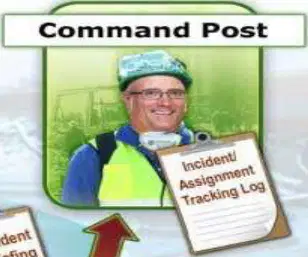
What is the primary purpose of the Command Post in the CERT Documentation Flow?
To provide food and water
To track incident assignments
To treat victims
To sign in personnel

Which area is responsible for maintaining the "Victim Treatment Area Record"?
Equipment
Communications
Victim Treatment Area
Staging/Logistics

If you are assigned to manage resources and personnel sign-in, which section of the CERT Documentation Flow are you working in?
Staging/Logistics
Functional Teams
Equipment
Command Post
How does the flow of information typically move between the Command Post and other areas in the CERT Documentation Flow?
Through incident briefings and assignment tracking logs
By direct phone calls only
By email communication only
Through public announcements

