
 Worksheets
2025 Q1-G9-HW02- Managing your weight
Total questions: 15
Worksheet time: 8mins
What does it mean to be overweight?
Weighing less than is healthy for your age
Weighing more than is healthy for a person of your gender, height, age, and body type
Weighing exactly the average for your country
Weighing more than your friends
Why is it important to keep your weight in a range that is right for your body?
It helps you win sports competitions
It is important for your overall health
It makes you taller
It changes your eye color
Why might being underweight be a problem for young people?
It can affect their health negatively.
It always means they are eating too much.
It means they are very strong.
It is never a problem for young people.
If a friend is concerned about being underweight, what factors should they consider before deciding if their weight is healthy?
Their gender, height, age, and body type
Only their age
Only their height
Only their gender
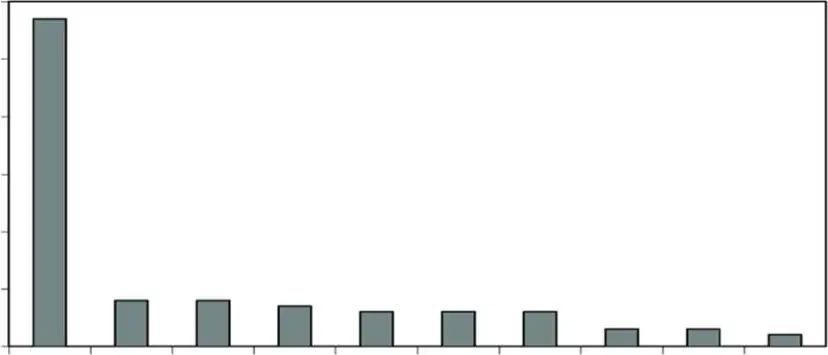
According to the bar graph, which country has the highest number of underweight children (in millions)?
Bangladesh
India
Nigeria
China
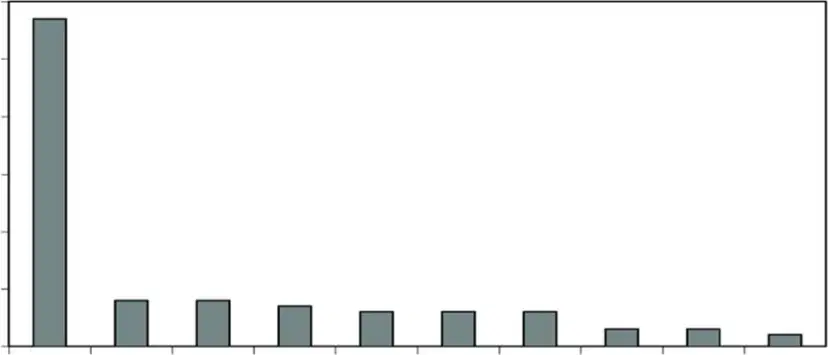
Based on the data in the bar graph, which of the following countries has fewer underweight children than Bangladesh but more than the Philippines?
Pakistan
India
Viet Nam
Ethiopia
What does BMI stand for in the context of assessing healthy weight?
Body Mass Index
Body Measurement Indicator
Basic Mass Index
Body Muscle Indicator
What is the purpose of calculating your Body Mass Index (BMI)?
To assess your body size based on your height and weight
To measure your muscle strength
To determine your daily calorie intake
To check your blood pressure
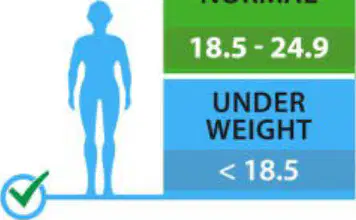
If a person has a BMI of 17, which category do they fall into according to the chart?
Normal
Underweight
Overweight
Obese
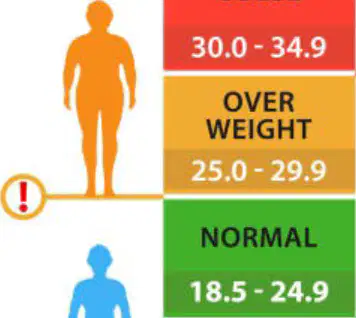
A student has a BMI of 28. Based on the chart, what steps might they consider to move into the "Normal" category?
Increase calorie intake and reduce physical activity
Maintain current lifestyle
Adopt a balanced diet and increase physical activity
Gain more weight
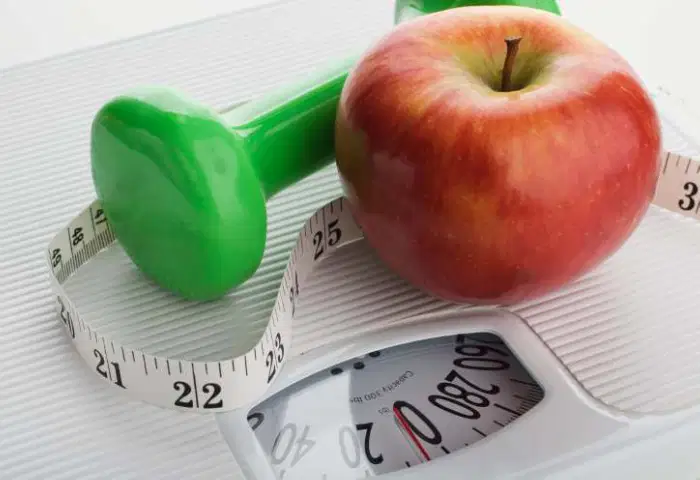
What happens when you consume more calories than your body uses?
You lose weight.
Your body stores the extra calories as body fat.
Your body converts fat into energy.
You become dehydrated.
If you eat fewer calories than your body needs, what is the result?
You gain weight.
Your body stores more fat.
Your body converts stored body fats into energy and you lose weight.
You become more energetic.
Suppose a person consumes more calories than their body uses over a period of time. Using the concept of the energy equation, what is likely to happen to their body weight?
Their body weight will decrease.
Their body weight will stay the same.
Their body weight will increase.
Their body weight will fluctuate randomly.

What are diets called that often require you to eat a lot of certain specific foods or avoid some types of food completely, and may rely on pills, supplements, or extreme workout programs?
Fad diets
Balanced diets
Traditional diets
Mediterranean diets
Why are many diet plans considered ineffective or harmful?
They often involve extreme restrictions or reliance on supplements.
They are always based on scientific evidence.
They encourage balanced eating habits.
They promote gradual lifestyle changes.

