
 Worksheets
Carrying Capacity and Limiting Factors
Total questions: 40
Worksheet time: 30mins
What do limiting factors do?
Separate biotic factors from abiotic factors.
Determine which is the predator and which is the prey.
Regulate how many organisms live in an ecosystem.
Determine which natural disasters will hit an area.
Organisms need _____ to live and survive.
space and resources
resources
space
space
Which of the following are abiotic limiting factors?
The decomposers in an ecosystem.
Carrying capacities of several species.
The populations of producers in a given habitat.
Water, space, and oxygen.
Which of the following is a biotic limiting factor?
The amount of breathable oxygen available to a population.
The nitrogen to oxygen ratio in the air supply.
Food available for organisms.
The number of bodies of water in a habitat.
In biology, what is carrying capacity?
How much weight an organism can lift.
The maximum population size an ecosystem can support.
A total list of the limiting factors.
How much pain an organism can tolerate.

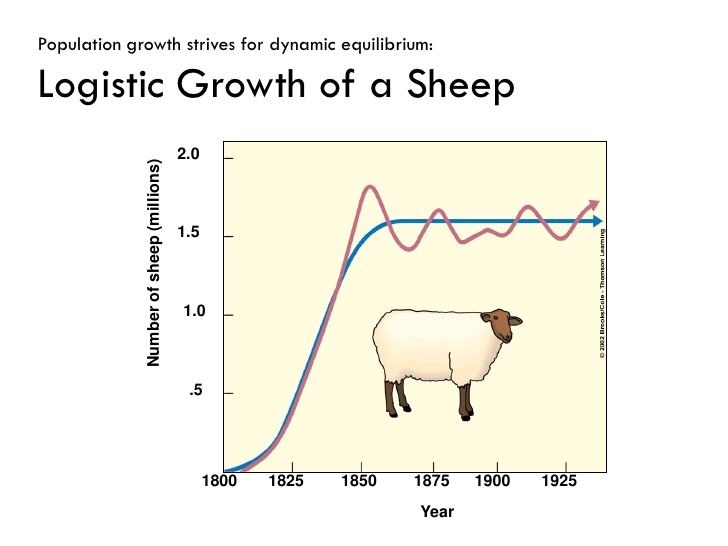
What will happen if all of the frogs in a population die?
The frogs' predators will decrease and the frogs' prey will increase
The frogs' predators will increase and the frogs' prey will decrease
We better all pray because there isn't anymore frogs.

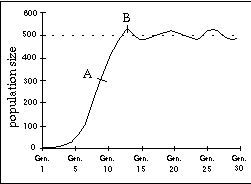
A scientist was studying a population of fish in a pond over a period of 10 years. He observed that
the population increased each year for 3 years, and then remained nearly constant for the rest of
the study. The best explanation for this observation is that the population had
stopped reproducing
reached carrying capacity
mutated into a different species
run out of food and all died
Which limiting factor would increase due to the number of individuals in a population (aka; density-dependent)?
Unusual weather
Natural disaster
Disease


Something that regulates the size of a population is called...
a limiting measure
a limiting factor
carrying capacity
biodiversity


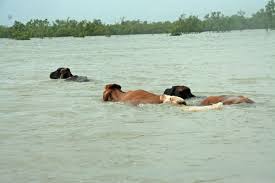
Natural disasters can be considered limiting factors.
true: density independent limiting factors
false; natural disasters are not limiting factors
true: density dependent limiting factors
false: because Mrs. Schaffer said
A lion and a cheetah attempt to occupy the same niche. The more aggressive lion survives; the cheetah does not.
Density-Dependent: Competition
Density-Independent: Competition
Density-Dependent: Predator-Prey
Density-Independent: Predator-Prey
A severe frost wipes out 50% of the coffee crop in Brazil.
Density-Dependent
Density-Independent
Due to severe overcrowding in an Asian village, many children do not survive to reach adulthood.
Density-Dependent: Disease
Density-Independent: Disease
Since lynx prey on hares, an increase in the hare population causes an increase in the lynx population.
Density-Dependent: Competition
Density-Independent: Competition
Density-Dependent: Predator-Prey
Density-Independent: Predator-Prey
A severe flood in the Red River Valley causes a decline in the deer population.
Density-Dependent
Density-Independent
Due to stress, large numbers of female lemmings miscarry their young and fail to reproduce.
Density-Dependent
Density-Independent
Travelers who visit a crowded African village become infected with a disease caused by parasites.
Density-Dependent
Density-Independent
Many fish die due to a change in the winds and the appearance of the El Nino ocean current off the coast of Peru and Chile.
Density-Dependent
Density-Independent
Fish on a coral reef stake out their territory and chase away any younger fish that try to live there.
Density-Dependent
Density-Independent
An extensive drought in the Serengeti Plain threatens wildebeest, giraffe, zebra, and springbok populations.
Density-Dependent
Density-Independent
All of the individuals of a species in an area.
Population
Carrying Capacity
Limiting Factors

Where on the graph has the population reached its carrying capacity?
A to B
B to C
A to C
Where on the graph have the limiting factors began to affect the the population growth?
A
B
C
Where on the graph does the population experience exponential growth?
A to B
B to C
A to C

