
 Worksheets
Test: Citizenship
Total questions: 21
Worksheet time: 11mins
According to Thomas Hobbes, which of the following best describes his view of human nature and government?
Men were evil and needed a strong government to protect them.
Men are born as blank slates and government should protect our basic rights
Men are blank slates but should be educated
Men are good and need no government
According to John Locke, which of the following best describes his beliefs?
People are inherently evil and require a strong government for protection.
Individuals are born as blank slates and governments should safeguard their fundamental rights.
People are blank slates but must be educated.
Humans are naturally good and do not need government.
Which philosopher is most associated with the belief that individuals must give up their rights to a strong authority in order to avoid a life that is 'solitary, poor, nasty, brutish, and short'?
John Locke
Thomas Hobbes
Thomas Jefferson
Alexander Hamilton
According to the Declaration of Independence, from where do governments obtain their 'just powers'?
The divine right of kings
The consent of the governed
The wealth of the upper class
The strength of the military
What is the main goal of the U.S. Census, which is carried out every decade?
To set a budget
To identify all undocumented immigrants for deportation
To determine each state's representation in Congress and allocate federal funds
To determine the number of military service members needed
Which of the following best illustrates the government's role in 'Providing Services'?
Conducting foreign relations with other countries
Setting up armed forces to defend the country
Establishing public schools and libraries
Passing and enforcing traffic laws
In a democracy, what fundamental concept should be upheld alongside 'majority rule' to maintain fairness?
Respect for minority rights
The will of the political party in power
The decisions of the wealthiest citizens
The need for absolute government efficiency
Who is considered a native-born citizen?
A person who has citizenship based on birth in the United States or inherits it from their parents.
A person who was born an alien but has lawfully become a citizen of the United States under the U.S. Constitution and laws.
A person who comes to the United States
A person who visits the United States
Who is considered a naturalized citizen?
Someone who is a citizen by birth in the United States or through their parents.
Someone who was born a foreign national but has legally become a U.S. citizen according to the Constitution and laws.
Someone who moves to the United States.
Someone who is visiting the United States.
All adult citizens are obligated to serve on a jury if they are summoned.
True
False
In what ways can someone become a citizen of the United States?
Only by being born in the country
By applying for citizenship at age 21
Only through the naturalization process
By being born in the country or by completing the naturalization process
What significant impact did the 1965 Immigration Act have on the demographic makeup of the United States?
It eliminated national origin quotas and increased immigration from Asia and Latin America.
It established strict quotas that favored Northern Europeans.
It banned all immigration from Asian countries.
It completely sealed the border with Mexico.
Which of the following is NOT a reason why noncitizens are granted visas?
Visiting family in the US
Working for a company in the US
Attending college in the US
Receiving social services or welfare in the US
Which regions are currently the largest sources of migrants?
Africa
Europe
Latin America (Mexico, Venezuela, Guatemala, etc)
Asia (China, India, etc)
What is meant by the rule of law?
It means all people do not need to follow the law
Powerful people don't need to follow the law
The poor must follow the law
Everyone must follow the law
Whose philosophy do you align with more—Locke or Hobbes? Please explain your reasoning.
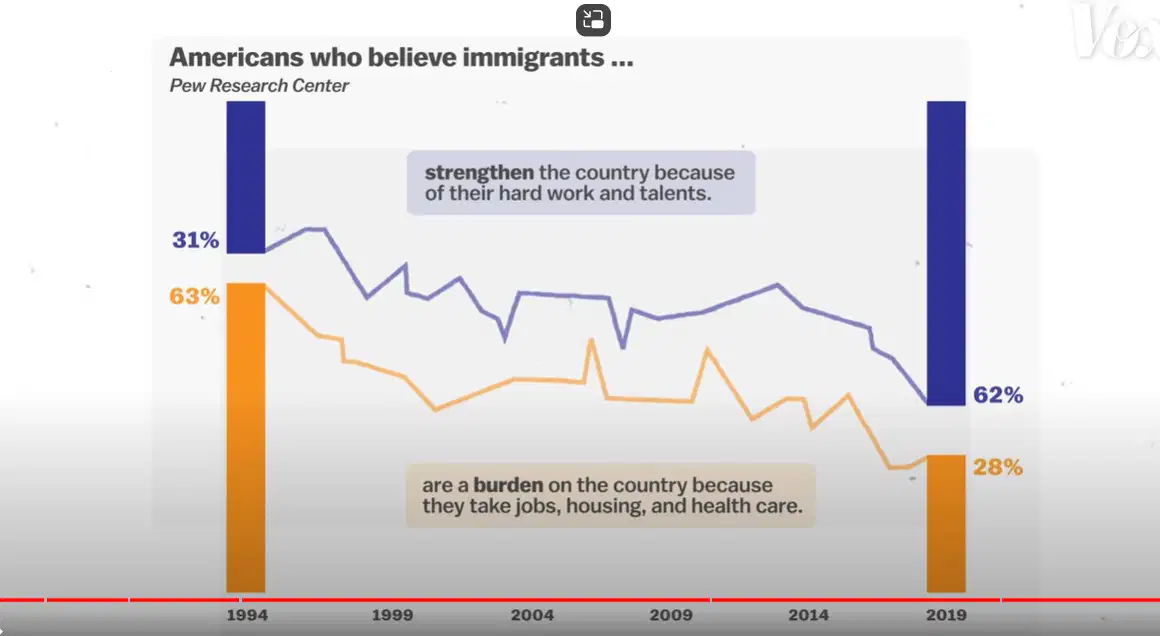
Which of the following perspectives do you support? Please explain your reasoning: 1) Immigrants strengthen the country because of their hard work and talents, or 2) Immigrants are a burden on the country because they take jobs, housing, and health care.
What are the legal obligations that citizens must follow? Provide examples.
What are the qualities or actions that define a good citizen? Provide examples.
What are the primary reasons supporting and opposing government intervention in society?
What are the five main functions carried out by all governments? Provide a brief explanation of why each function is significant.
Analyze how the principles of government and individual rights outlined in the Declaration of Independence compare to the way modern governments operate. Are the “unalienable rights” mentioned in the Declaration still safeguarded today? In what ways has the idea of “consent of the governed” changed over time?

