
 Worksheets
Unit 3 Test: The Colonies are Settled & Grow
Total questions: 38
Worksheet time: 37mins
Name
Class
Date
1.
What was the main reason for the founding of Jamestown?
a)
A. Colonists sought to convert Native Americans to Christianity.
b)
B. Investors in the colony hoped to become wealthy.
c)
C. England needed a place to ship criminals and prisoners of war.
2.
What did the Mayflower Compact accomplish?
a)
A. It set up an organized, orderly government for Plymouth Colony.
b)
B. It guaranteed freedom of religion for all members of Plymouth Colony.
c)
C. It established Plymouth Colony as a theocracy.
3.
The settlers at Plymouth Colony would probably not have survived their first winter without help from
a)
A. supplies sent overseas from England.
b)
B. Native Americans who lived nearby.
c)
C. supplies provided by colonists from Jamestown.
d)
D. their superior hunting and farming skills.
4.
The above description suggests that the author thought Virginia was
a)
* A. ready to be granted its independence.
b)
* B. a source of great potential wealth.
c)
* C. likely to be attacked by Native Americans.
d)
* D. richer in natural resources than any other colony.
5.
One important reason for the settlement of the English colonies was
a)
A. its potential for agricultural production.
b)
B. its strategic significance in ongoing European wars.
c)
C. the pursuit of scientific knowledge.
d)
D. a desire for spices.
6.
In which colony would subsistence farming most likely occur?
a)
A. Virginia
b)
B. Pennsylvania
c)
C. Rhode Island
d)
D. South Carolina
7.
Which of the following was an important part of New England's economy, given the region's geography?
a)
A. mining for gold
b)
B. fishing
c)
C. growing rice
d)
D. raising livestock
8.
Pennsylvania was founded by the Quakers, a religious group who had been
a)
A. impoverished in England.
b)
B. persecuted in England.
c)
C. expelled from England.
9.
Which of these were factors that led American colonists toward a belief in strong self-government?
a)
A. the slow development of manufacturing in the Southern Colonies
b)
B. the discussion of local issues at town meetings
c)
C. the vast distance between the colonies and England
d)
D. the defeat of the Wampanoag in King Philip's War
10.
Most people in colonial America worked as
a)
A. traders.
b)
B. hunters.
c)
C. trappers.
d)
D. farmers.
11.
The first enslaved Africans were brought against their will to which English colony?
a)
A. South Carolina
b)
B. Virginia
c)
C. Massachusetts
d)
D. Georgia
12.
Jamestown was established by the Virginia Company, a joint-stock company. Which of the following is true about a joint-stock company?
a)
A. The company claimed complete ownership of all land used by the colonists.
b)
B. Each colonist in Jamestown was a partner in the company.
c)
C. Investors share in the profits or losses of the company.
d)
D. The company, not the colonists, decided how the colony should be governed.
13.
In 1660, which nation controlled the lands between the New England Colonies and Virginia?
a)
A. Spain
b)
B. the Netherlands
c)
C. England
d)
D. France
14.
Which two cities in the Middle Colonies became prosperous centers of trade?
a)
A. New York and Philadelphia
b)
B. Albany and New York
c)
C. Philadelphia and Boston
d)
D. Boston and Portsmouth
15.

Which words best characterize William Penn's dealings with Native Americans?
a)
A. deceitful and corrupt
b)
B. strict and cruel
c)
C. naive and immature
d)
D. kind and fair
16.
How did the founding of Massachusetts differ from the founding of Virginia?
a)
A. Massachusetts colonists sought wealth, while Virginia colonists sought religious freedom.
b)
B. Massachusetts colonists sought independence from England, while Virginia colonists were loyal to the king.
c)
C. Massachusetts colonists were loyal to the king, while Virginia colonists sought independence from England.
d)
D. Massachusetts colonists sought religious freedom, while Virginia colonists sought wealth.
17.
The founding of Rhode Island was based on the principle of
a)
A. religious tolerance.
b)
B. universal voting rights.
c)
C. representative government.
d)
D. separation of powers.
18.
Which statement about the economy of the Carolina colony is accurate?
a)
A. Wet coastal lowlands land meant rice and indigo dominated Carolina agriculture.
b)
B. Rocky soil made growing crops difficult, so raising livestock become central to the economy.
c)
D. Manufacturing cloth was the primary industry.
19.
Which of the following is one reason the colony of Georgia was founded?
a)
A. as a buffer against Native Americans
b)
B. as a place for pacifists to settle
c)
C. as a refuge for English debtors
d)
D. as a dumping ground for prisoners of war
20.
Why did most enslaved people live in the Southern Colonies?
a)
A. The economy of the Southern Colonies was built around labor-intensive farming.
b)
B. Slavery was illegal throughout New England and the Middle Colonies.
c)
C. New England and the Middle Colonies lacked harbors to receive ships carrying enslaved Africans.
d)
D. Agriculture was a minor part the economies of New England and the Middle Colonies.
21.
Which English principles of government had the greatest effect on the development of government in the American colonies?
a)
A. checks and balances and protecting rights
b)
B. federalism and the divine right of kings
c)
C. protecting rights and representative legislatures
22.
Which best describes the role and status of women in colonial America?
a)
A. They were not allowed to operate home-based businesses or work in trades.
b)
B. They contributed significantly to the economic activities of their families.
c)
C. They worked primarily as domestic servants and schoolteachers.
23.
How did the Great Awakening impact colonial society?
a)
A. It convinced most colonists that slavery was immoral for religious reasons.
b)
B. It increased religious diversity and promoted the idea of religious freedom.
c)
D. It helped establish a single and uniquely “American" church.
24.
Based on this description of Pennsylvania's economy, what can you infer about the Middle Colonies?
a)
A. The climate was hot and humid.
b)
C. The climate was generally cold and rainy.
c)
B. Swampy land discouraged agriculture.
d)
D. The soil was excellent for farming.
25.
What Indian helped the Pilgrims?
a)
Squanto
b)
Pocahontas
c)
Massasoit
d)
Powhatan
26.

Identify this colony
a)
Rhode Island
b)
Connecticut
c)
Delaware
d)
Georgia
e)
Maryland
27.

Identify this colony
a)
Massachusetts
b)
Connecticut
c)
Delaware
d)
Georgia
e)
Maryland
28.
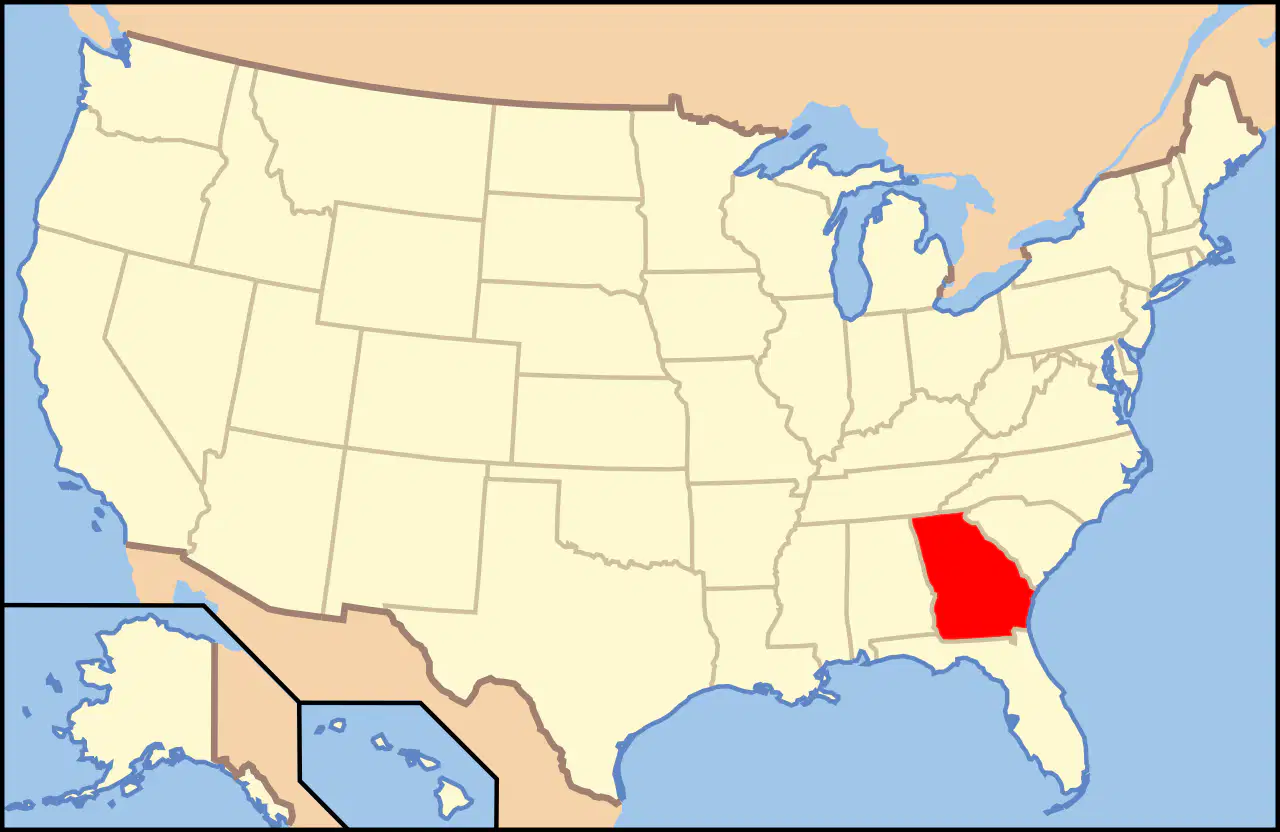
Identify this colony
a)
Georgia
b)
Connecticut
c)
Delaware
d)
Maryland
e)
Massachusetts
29.

Identify this colony
a)
Connecticut
b)
Delaware
c)
Georgia
d)
Maryland
e)
Massachusetts
30.
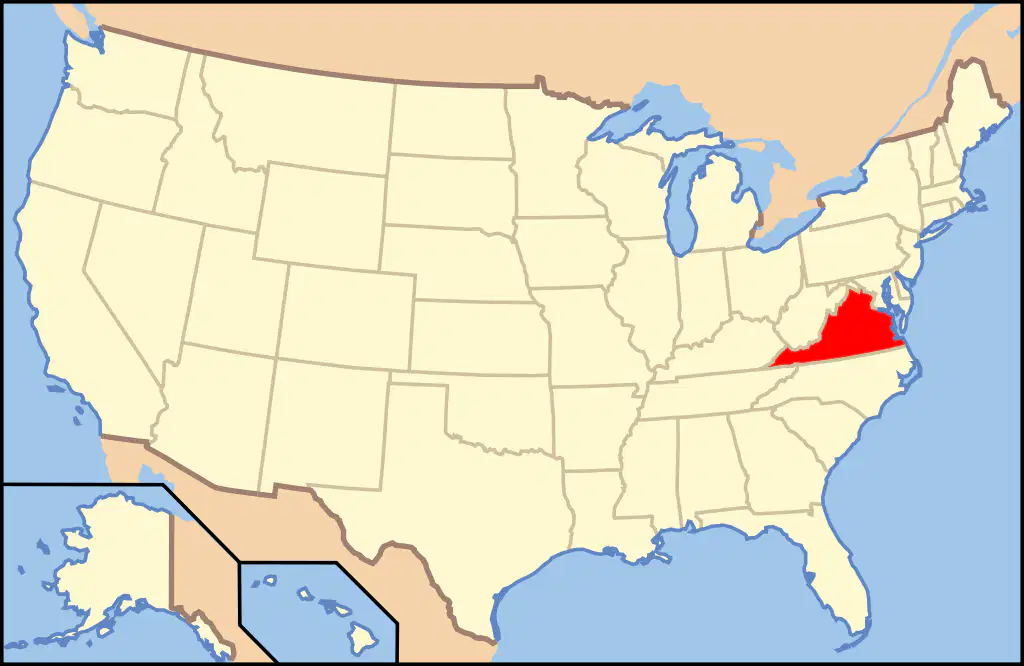
Identify this colony
a)
Virginia
b)
Connecticut
c)
Delaware
d)
Georgia
e)
Maryland
31.
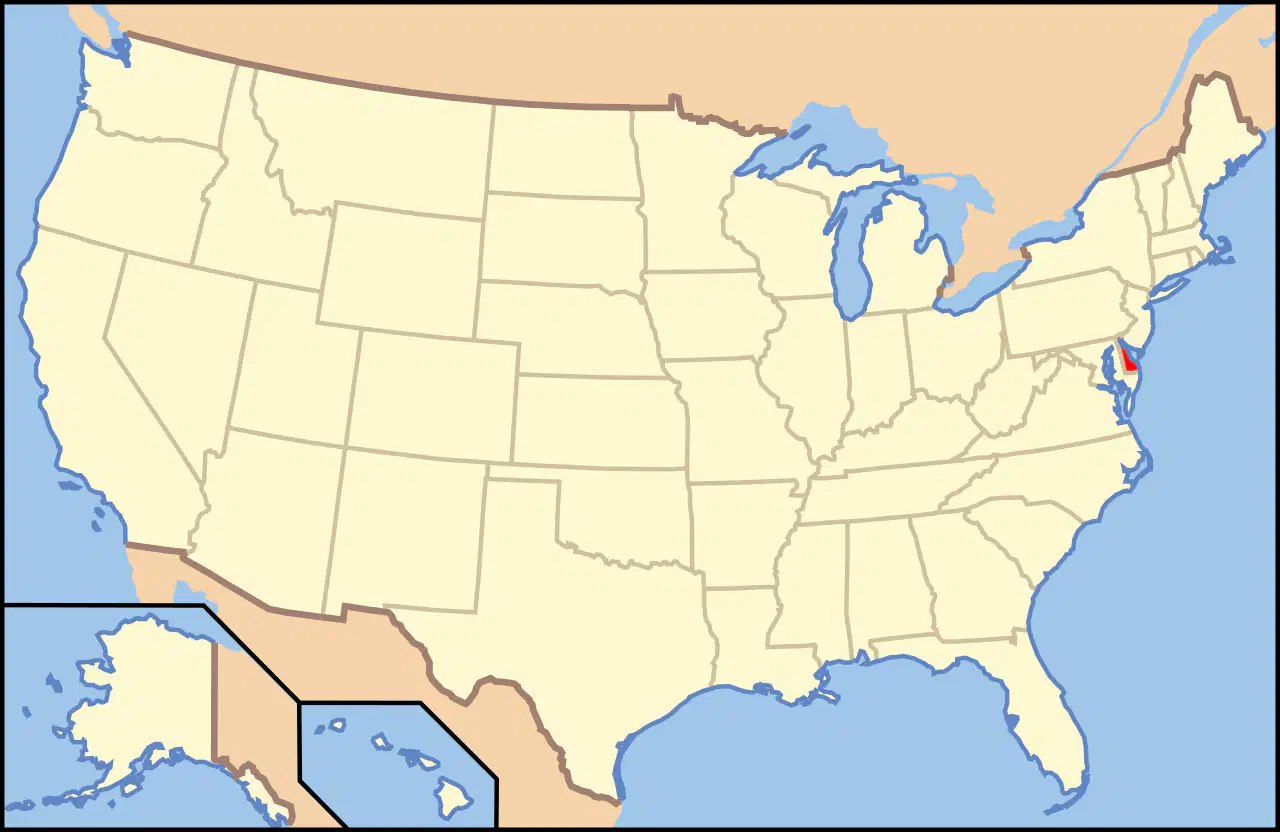
Identify this colony
a)
Delaware
b)
Connecticut
c)
Georgia
d)
Maryland
e)
Massachusetts
32.
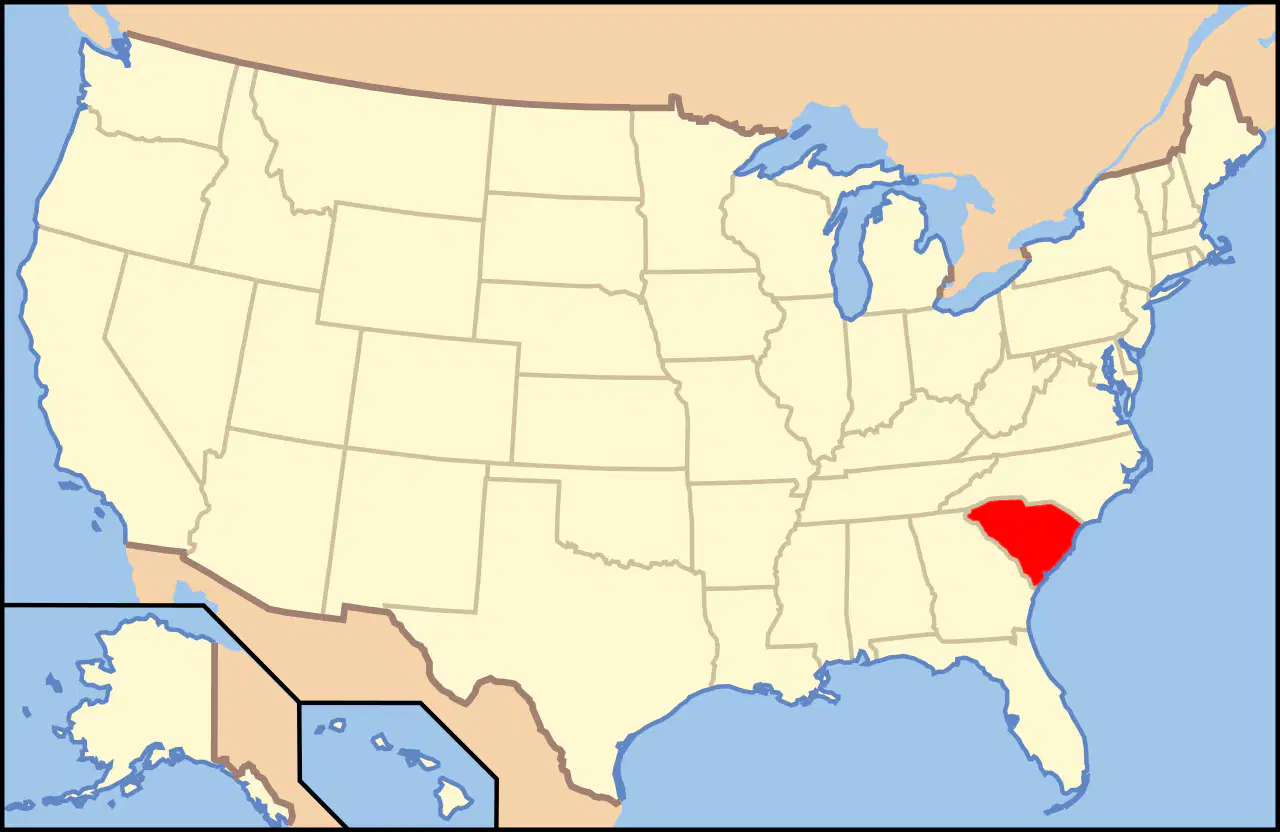
Identify this colony
a)
South Carolina
b)
Connecticut
c)
Delaware
d)
Georgia
e)
Maryland
33.

Identify this colony
a)
Pennsylvania
b)
Connecticut
c)
Delaware
d)
Georgia
e)
Maryland
34.
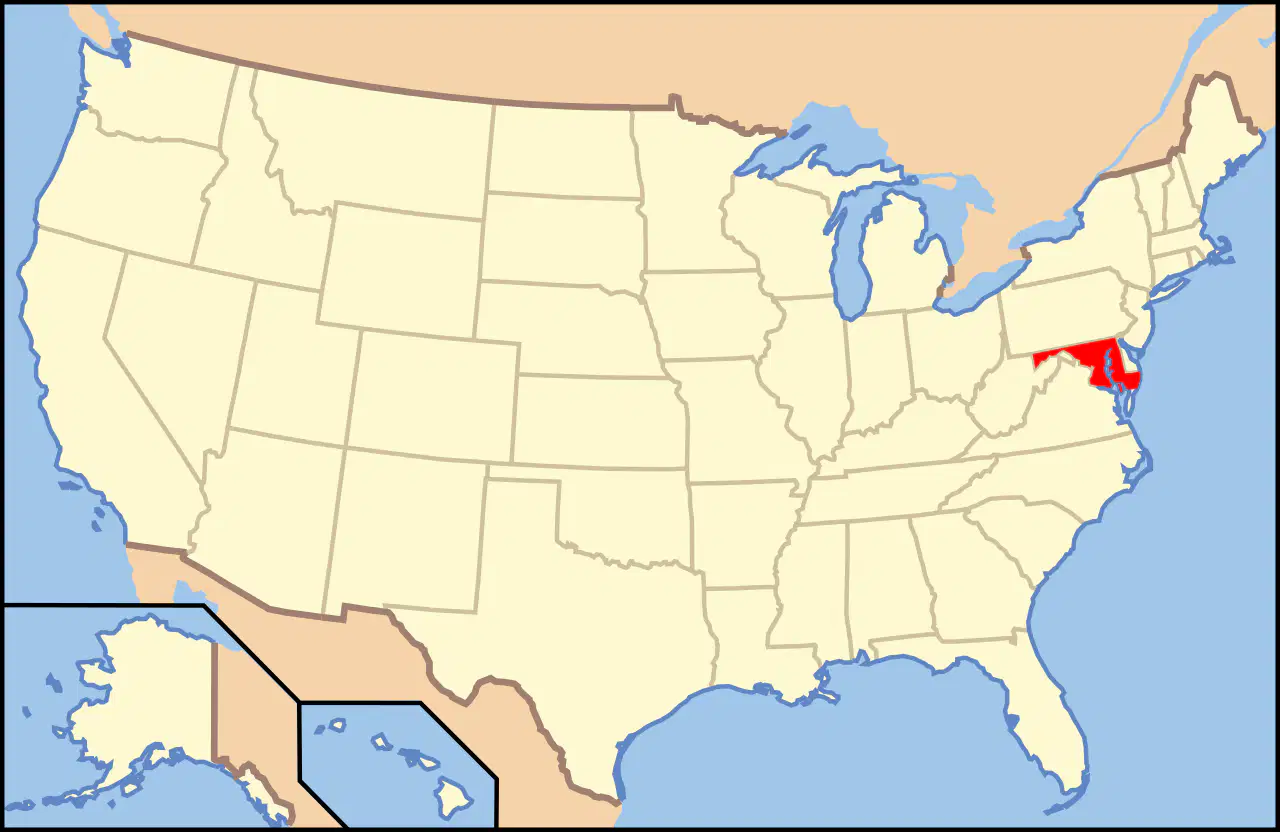
Identify this colony
a)
Maryland
b)
Connecticut
c)
Delaware
d)
Georgia
e)
Massachusetts
35.
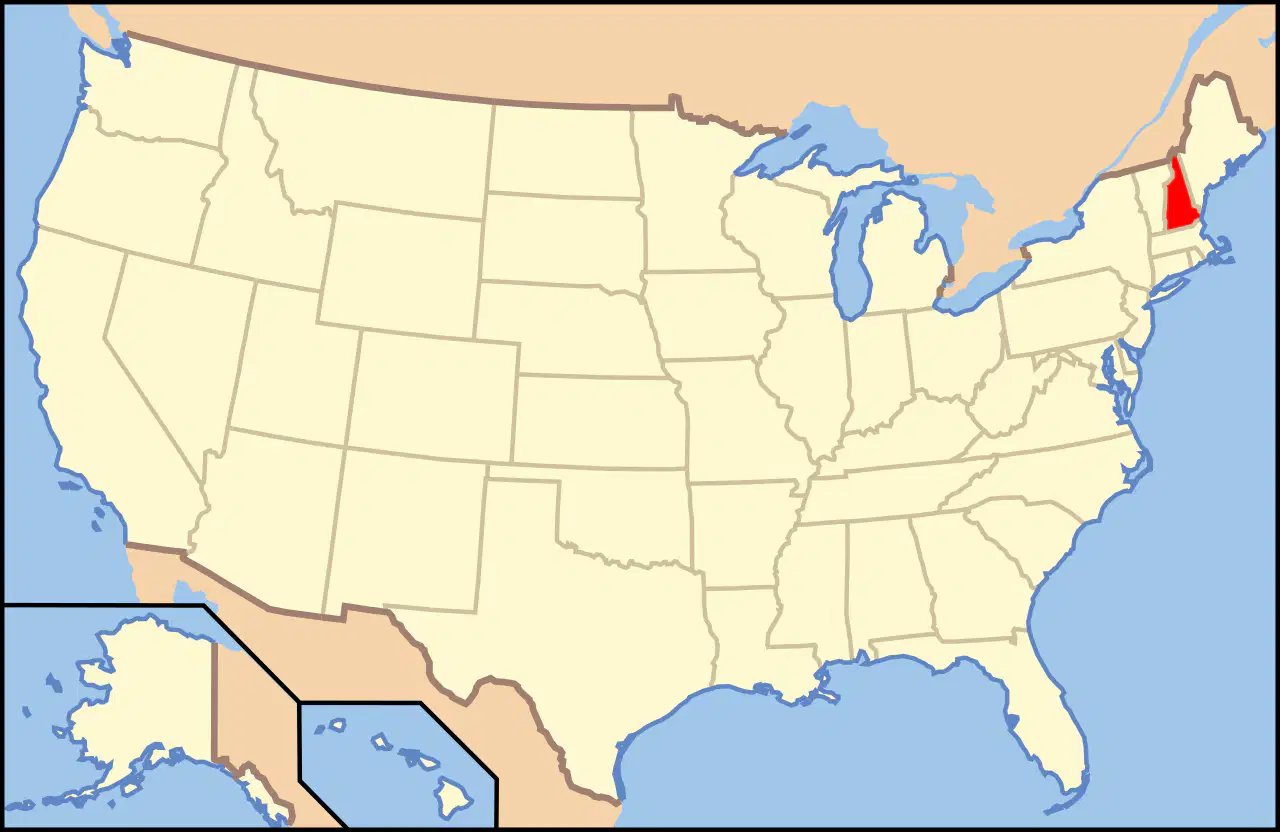
Identify this colony
a)
New Hampshire
b)
Connecticut
c)
Delaware
d)
Georgia
e)
Maryland
36.
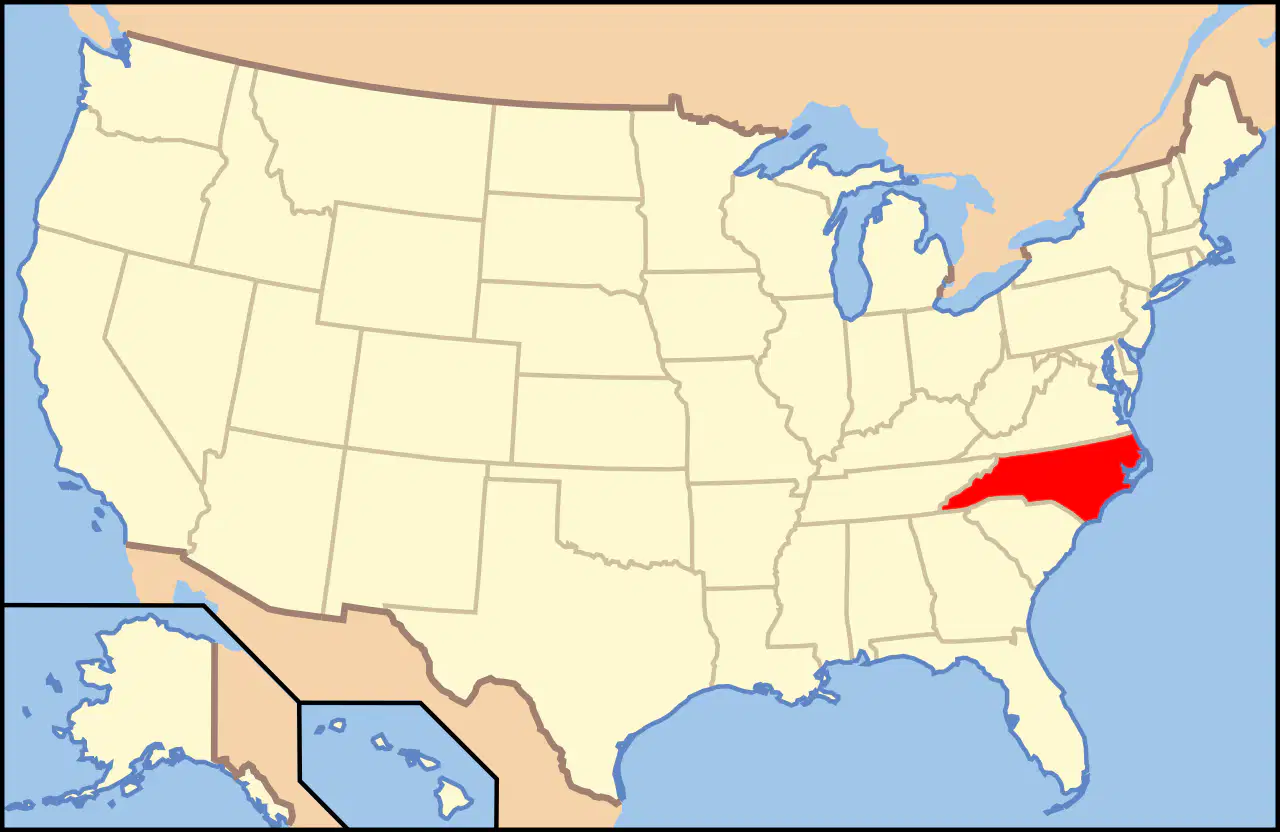
Identify this colony
a)
North Carolina
b)
Connecticut
c)
Delaware
d)
Georgia
e)
Maryland
37.

Identify this colony
a)
New Jersey
b)
Connecticut
c)
Delaware
d)
Georgia
e)
Maryland
38.
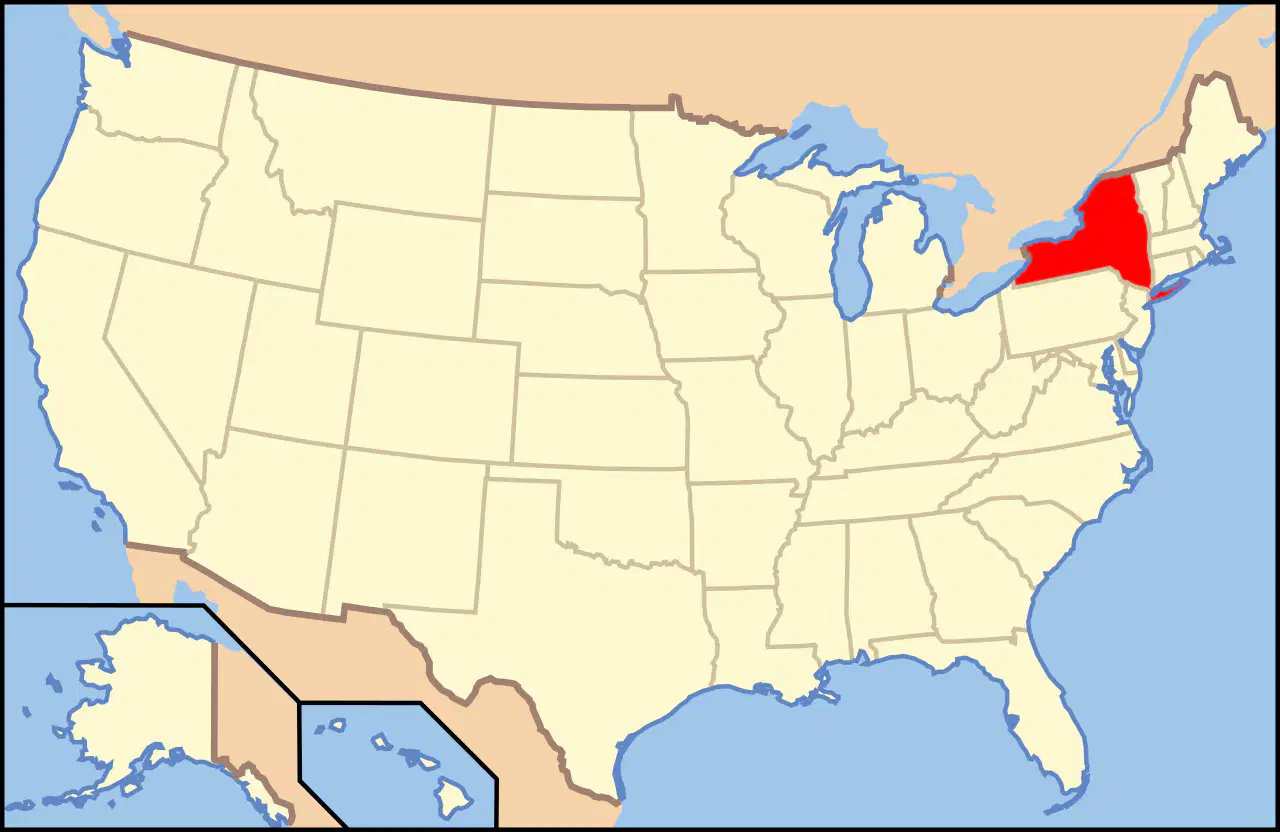
Identify this colony
a)
New York
b)
Connecticut
c)
Delaware
d)
Georgia
e)
Maryland
100 %

