
 Worksheets
Major Organs and Common Diseases
Total questions: 94
Worksheet time: 42mins
What disease affects the brain and is caused by an infection?
Meningitis
Heart attack
Kidney stones
Tuberculosis
What is the treatment for meningitis?
Rest and hydration
Physical therapy
Surgery
Take antibiotic and other medication prescribed by the doctor
What disease is characterized by a blockage of the coronary arteries?
Hepatitis
Stomach ulcer
Osteoporosis
Heart attack
What should you do if someone is having a heart attack?
Give them water
Perform CPR immediately
Call for an ambulance only if they lose consciousness
Keep the person calm and have them sit or lie down
What bacteria causes tuberculosis (TB)?
Streptococcus
Salmonella
Mycobacterium tuberculosis
E. coli
What is the treatment for tuberculosis?
Surgery
Take antibiotic and other medication prescribed by the doctor
Rest and hydration
Pain relief medication
What causes kidney stones?
Bacterial infection
Dehydration and obesity
Viral infection
Low calcium intake
What is the recommended treatment for kidney stones?
Pain relief medication
Surgery
Physical therapy
Drink water and medical therapy prescribed by the doctor
What viral infection affects the liver?
Meningitis
Hepatitis
Tuberculosis
Kidney stones
What is the treatment for hepatitis?
Rest and hydration
Injection of antibodies
Pain relief medication
Surgery
What causes stomach ulcers?
Bacterial infection
Viral infection
Dehydration
Obesity
What is the treatment for stomach ulcers?
Surgery
Pain relief medication
Medical prescription by the doctor
Rest and hydration
What condition is caused by low calcium intake?
Osteoporosis
Heart attack
Tuberculosis
Kidney stones
What is the recommended treatment for osteoporosis?
Rest and hydration
Pain relief medication
Surgery
Healthy diet and exercise, medical prescription by the doctor
What organ is affected by osteoporosis?
Bones
Liver
Heart
Lungs
Which of the following pumps blood, allowing the distribution of nutrients in all parts of the body?
heart
kidney
lungs
brain
Which is the command center of the body?
blood
stomach
brain
bones
Which of the following is not a function of the kidneys?
It regulates blood pressure
It excretes wastes in the blood
It balances the body
It serves as the framework of the body
Which of the following protects the major organs of the body?
brain
heart
bones
intestines
It breaks down excess proteins, maintain cholesterol and glucose levels in the blood.
stomach
small intestines
large intestines
liver
It filters the blood of the human body and controls the level of fluid in the body.
stomach
kidney
intestine
muscles
It absorbs water and salts from the material that has not been digested as food.
small intestine
large intestine
stomach
liver
It absorbs and churns the food to make it easier to digest.
Kidney
Stomach
Lungs
The organs in our body work together to keep you alive and active.
True
False
The filtering units of the kidney.
Brain
nephrons
stomach
large intestines
It supplies oxygen in the body necessary for respiration or exchange of gases.
Brain
Lungs
Stomach
Bones
It is responsible for learning and acquiring skills (writing, dancing, singing, drawing, etc.).
Brain
Heart
Muscles
Large intestine
It is a complex process of turning the food you eat into nutrients.
Inhalation
Exhalation
Digestion
Excretion
Undigested solid food or feces goes to ________.
small intestine
stomach
large intestines
kidneys
A child is suffering from diarrhea, what particular organ of the body do not function properly?
Lungs
Stomach
Brain
Kidney
Rico loves to eat salty and fatty foods, what particular organs can be affected by his bad habit?
brain
kidney
heart
lungs
What is one of the functions of the skeletal system?
Provides support of the body
Produces energy
Regulates temperature
Digests food
What does the skeletal system protect in the body?
The internal organs in the body
The hair on the head
The taste buds on the tongue
The nails on the fingers
The skeletal system provides ________.
movement
digestion
photosynthesis
evaporation
Which of the following is a function of the skeletal system?
Provides important minerals and stores calcium
Produces hormones
Filters blood
Controls breathing
The skeletal system produces ________.
blood cells
hormones
digestive enzymes
carbon dioxide
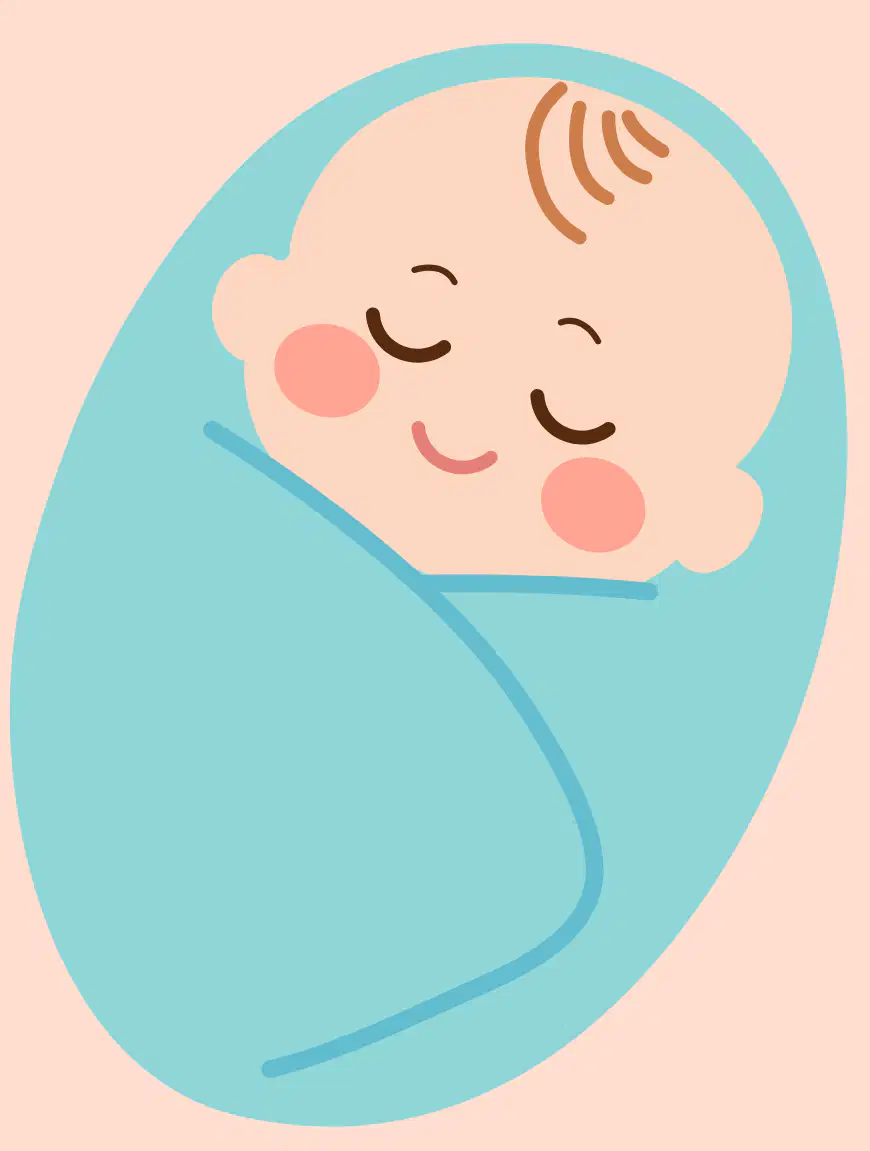
How many bones does a new born baby have?
206
350
400
150
How many bones does an adult have?
206
201
250
180
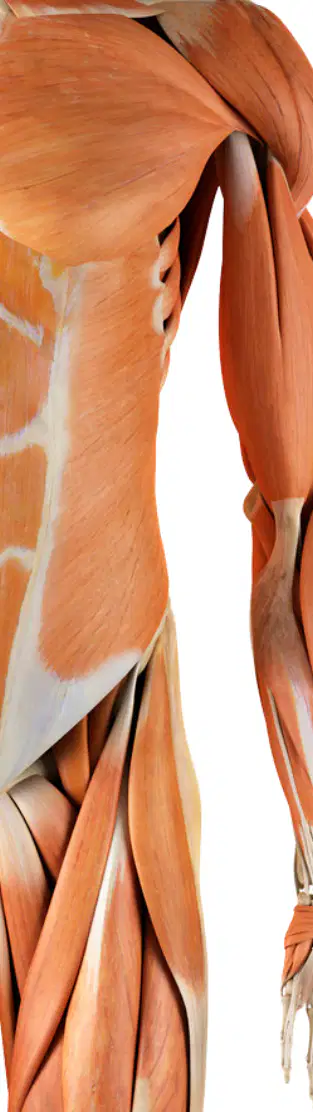
What is the muscular system made up of?
206 bones
650 muscles
100 organs
50 nerves
Fill in the blank: The muscular system helps you move, breathe, pump blood, and even ________ food.
digest
paint
freeze
multiply
The muscular system works with your bones to allow movement and support.
True
False
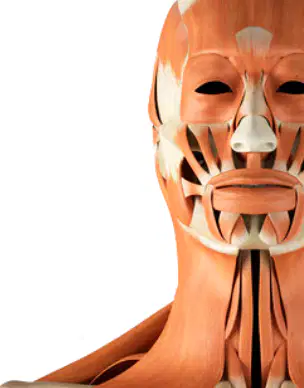
Without the muscular system, simple actions like walking, talking, or even blinking would be ________.
impossible
easy
funny
slow
The muscular system is important for the human body because it:
allows movement and supports bodily functions.
produces hormones for growth.
filters waste from the blood.
controls the body's temperature directly.

Which type of muscle is voluntary, striated, and attached to bones, responsible for locomotion and posture?
Skeletal muscle
Cardiac muscle
Smooth muscle
Which type of muscle is found in the heart and contracts rhythmically to pump blood?
Skeletal muscle
Cardiac muscle
Smooth muscle
Which type of muscle controls processes like digestion and blood flow and is found in the walls of organs and vessels?
Skeletal muscle
Cardiac muscle
Smooth muscle

Fill in the blank: ________ muscle is voluntary and responsible for locomotion and posture.
Skeletal
Cardiac
Smooth
Visceral
Fill in the blank: ________ muscle is involuntary and found in the heart.
Cardiac
Skeletal
Smooth
Striated
Fill in the blank: ________ muscle is involuntary and controls processes like digestion and blood flow.
Smooth
Skeletal
Cardiac
Striated
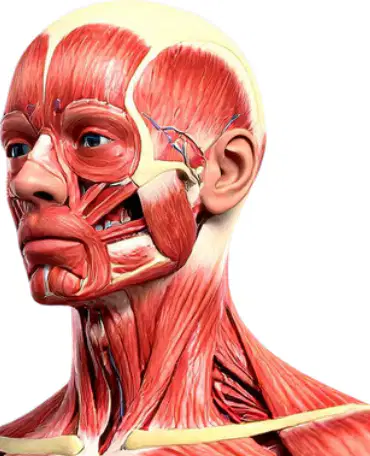
What are skeletal muscles?
Muscles you cannot see or feel
Muscles you can see and feel
Muscles found only in the heart
Muscles that work automatically
Skeletal muscles are ________ muscles, which means you control them. (Fill in the blank)
voluntary
involuntary
smooth
cardiac
When one skeletal muscle contracts, the other ________ to help your body move smoothly. (Fill in the blank)
relaxes
contracts
shrinks
expands
Skeletal muscles work in pairs to help your body move smoothly.
True
False
Which of the following statements is true about skeletal muscles?
They are involuntary muscles
They work in pairs
You cannot control them
They do not help in movement
Where are smooth muscles found in the human body?
In the heart
In the stomach, intestines, and blood vessels
In the arms and legs
In the brain
Smooth muscles are involuntary, meaning you don’t have to think about using them.
True
False
What is one function of smooth muscles in the digestive system?
To move food through the digestive system automatically.
To produce digestive enzymes.
To absorb nutrients from food.
To store bile for fat digestion.
Smooth muscles help control blood pressure by ______ or relaxing blood vessels.
tightening
loosening
breaking
shrinking
Are smooth muscles voluntary or involuntary?
Involuntary
Voluntary
Both voluntary and involuntary
Neither voluntary nor involuntary
What is the only place in the body where cardiac muscle is found?
Brain
Heart
Lungs
Stomach
Cardiac muscle is (voluntary/involuntary) and never gets tired. Fill in the blank.
involuntary
voluntary
skeletal
smooth
What is the main function of cardiac muscle?
Pumping blood throughout the body
Helping you move your arms
Digesting food
Producing hormones
Cardiac muscle contracts and relaxes continuously, pumping blood throughout your body 24/7.
True
False
Without the cardiac muscle, what would happen to your heart?
Your heart wouldn’t be able to beat.
Your heart would pump faster.
Your heart would grow larger.
Your heart would stop needing oxygen.

The process of breaking down foods into smaller parts is called
digestive
indigestion
digestion
digging

Identify the function of the given organ.
Protects the brain.
Pumps blood to all parts of the body.
Gives shape to our body.
Similar tissues join to form an _________.
organ system
organ
cells
The part of the brain responsible for muscle movement, maintain posture, and balance.
Cerebrum
Cerebellum
Brain Stem
The part of the brain that acts a relay center to the spinal cord.
Cerebrum
Cerebellum
Brain Stem
The largest part of the brain where the different lobes are located.
Cerebrum
Cerebellum
Brain Stem
Which of the following is a function of the brain stem?
connects the cerebrum and cerebellum to the spinal cord
coordinates muscle movements
maintains posture and balance
controls our speech and senses
Cerebellum is bigger than the cerebrum.
true
false
How many chambers does the heart have?
4
10
3
1
What keeps blood flowing in the right direction?
Atria
Chambers
Valves
Veins
Which of the following are chambers of the heart?
Valves
Atrium and ventricle
Arteries and veins
Sinoatrial nerve
The Heart and Lungs work together
to bring oxygen to the only parts of the body
to bring oxygen to the entire body
to bring Carbon dioxide to the body
It carries the oxygen and nutrients in our body, and at the same time collects carbon dioxide.
Platelets
White blood cells
Red blood cells
_____________ fights against bacteria and virus in our body.
White blood cell
Red blood cell
Platelets
What organ controls the voluntary activities like thinking, solving problem, memorizing and decision making?
heart
stomach
lungs
brain

