
 Worksheets
Unit 2 Study Guide
Total questions: 40
Worksheet time: 1hrs 26mins

What state of matter does the picture below represent?
solid
liquid
gas
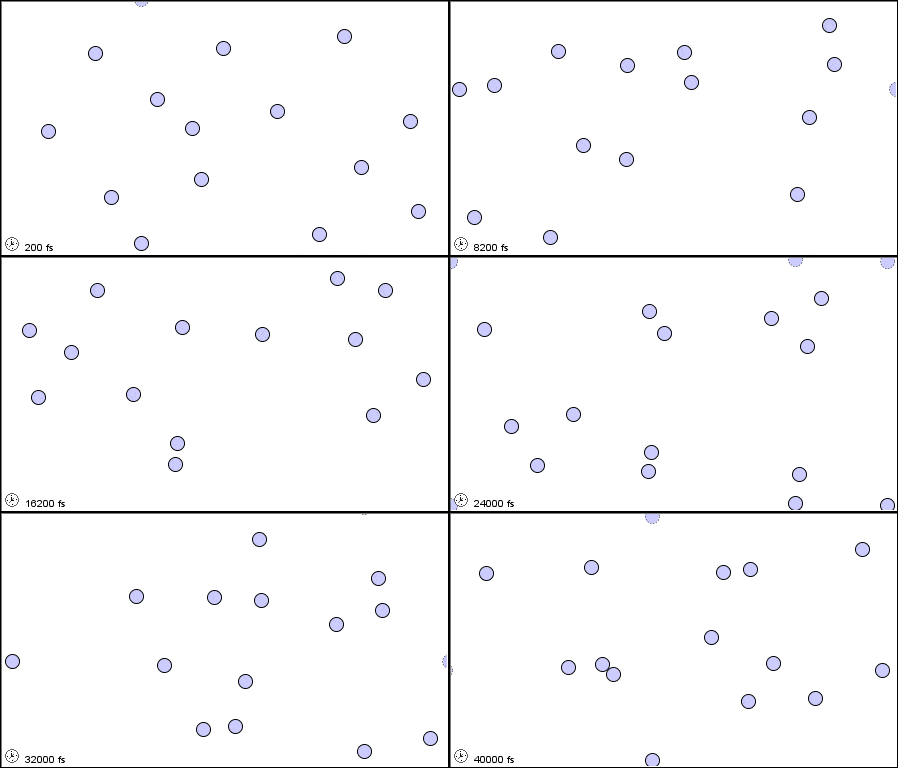
What state is represented in the gif?
solid
liquid
gas
Solid to Gas
Deposition
Sublimation
Evaporation
Which of the following is found in the earths Geosphere
Soil
Rocks
Minerals
All of the Above

Water availability impacts plant growth and animals who depend on plants for food are interactions between the
Geosphere and Hydrosphere
Cryosphere and atmosphere
Biosphere and geosphere
Hydrosphere and biosphere
The prefix "Bio" means ____
Life
Earth
Water
Air
The prefix "Geo" means ____
earth, ground and soil
water
life
air
The prefix "Hydro" means ____
ground
water
life
air


________ is the process where liquid water turns into water vapor due to heat from the sun.
Condensation
Transpiration
Sublimation
Evaporation
What is transpiration?
Excess water being released from plants in the form of water vapor
Excess sugar being released from the leave
The way a plant makes its food
When the plant uses sugar for energy
Water that has soaked into the ground is known as ______.
Precipitation
Groundwater
Runoff
Water Vapor
Which of the following is in the correct order?
Evaporation -> Transpiration -> Groundwater
Precipitation -> Condensation -> Evaporation
Evaporation -> Sublimation -> Precipitation
Condensation -> Precipitation -> Runoff
Water can change to gas through which process?
Evaporation
Sublimation
Transpiration
All answer choices are correct
A hypothesis must be _____.
testable
a result
a conclusion
a problem
A tentative scientific explanation that can be tested by further observation or by experimentation
Observation
Inference
Hypothesis
Controlled Experiment
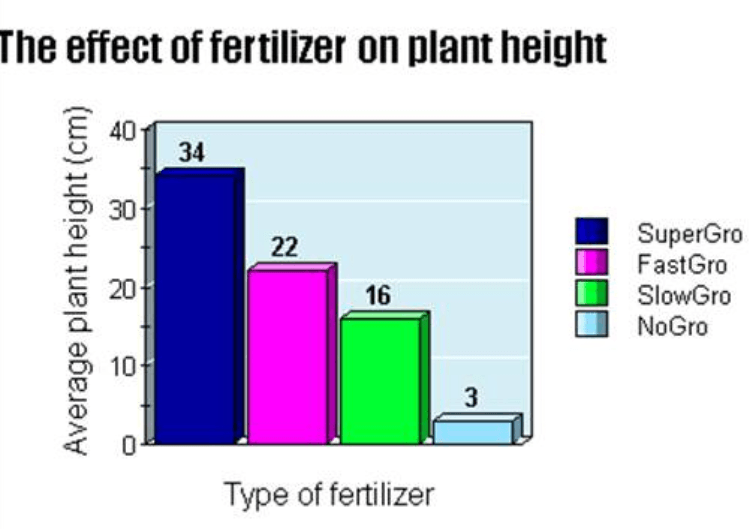
What is the title of this graph?
Type of fertilizer
Average plant height
The effect of fertilizer on plant height
The effect of plant height on fertilizer
What is the independent variable?
Type of fertilizer
Average plant height
The effect of fertilizer on plant height
The effect of plant height on fertilizer

Which variable is the one that can be changed?
Dependent
Independent
Both
Neither
Which variable gets measured?
Dependent
Independent
Both
Neither
An entomologist (bug scientist) wants to determine if temperature changes how many times a cricket chirps.What is the DEPENDENT VARIABLE?
Cricket Chirps
Temperature Change
Entomologist

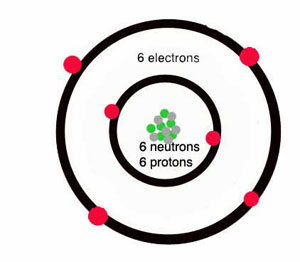
The circulation of the element Carbon among Earth's atmosphere, land, oceans, and organisms is called _____________.
the Carbon Cycle
the Oxygen Cycle
the Carbon dioxide Cycle
the Water Cycle
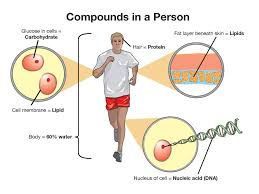
_____________ is an essential element of all living creatures.
Gold
Carbon
Carbon dioxide
Silver
The carbon cycle is like a _________ over the planet.
Tarp
Cement Covering
Nylon covering
Blanket
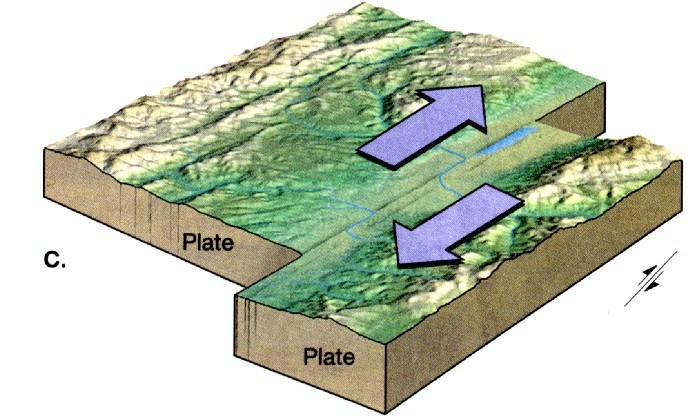

New oceanic crust (sea floor) is created at this boundary.
Divergent Oceanic
Divergent Continental
Convergent Oceanic
Transform

According to this diagram, plants absorb ______________
nitrates
animals
nitrogen fixing bacteria
decomposers

A correct path that nitrogen could take would be _____
air -> animals->plants->bacteria
animals->air->bacteria->plants
air -> bacteria ->plants -> animals
bacteria ->air -> animals->plants

True or False: Bacteria fix nitrogen from the atmosphere into a form plants can use
True
False

True or False:
Bacteria release nitrogen from dead organisms into the soil
True
False
Which stage of the nitrogen cycle involves changing atmospheric nitrogen into ammonium ions?
nitrogen fixation
ammonification
nitrification
denitrification

