
Font size
 Worksheets
TLE Drafting 9 SA 2.1
Total questions: 37
Worksheet time: 30mins
A list of line symbols that engineers use in technical drawings to communicate specific shapes, sizes, or surfaces.
(a)
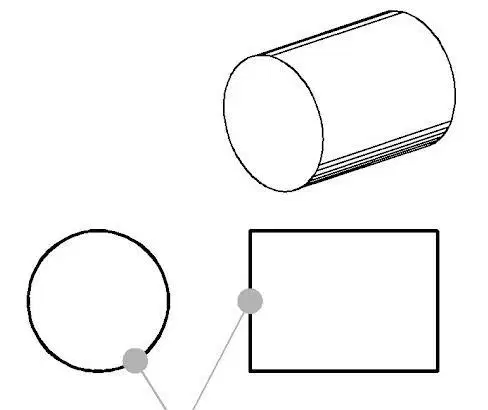
Thick dark line use to show outline of object, visible edges and surfaces.
(a)
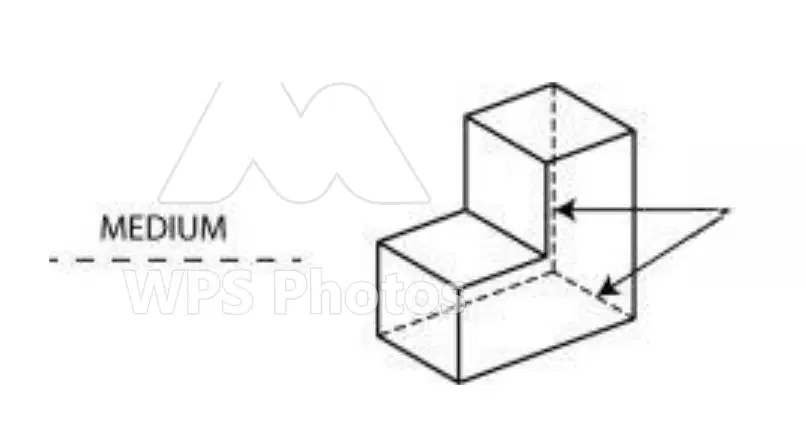
Short dash lines use to show non visible surfaces and usually shows as medium thickness.
(a)
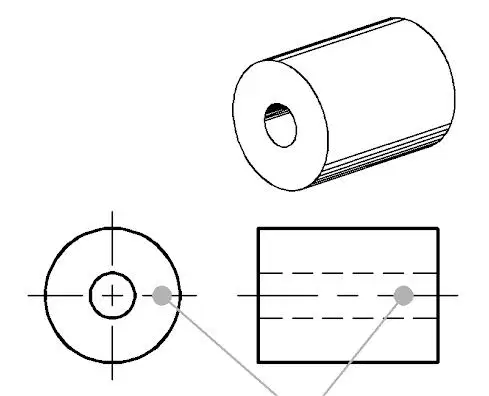
Long and short dash lines usually indicates center of holes, circles, and arcs. The line is thin and dark.
(a)

Thin and dark lines used to show the size (span) of an object with a numeric value and usually terminates with arrowheads or tick markings.
(a)
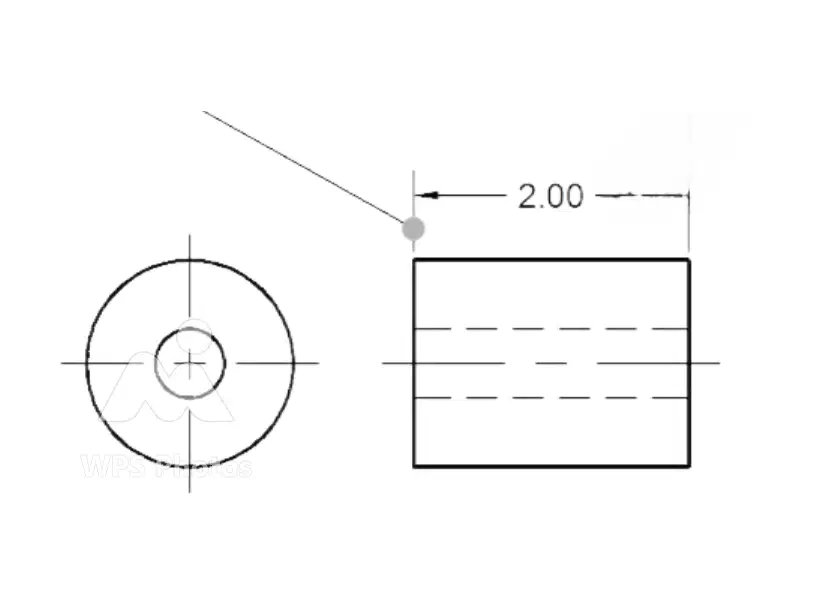
Thin and dark line used to show the starting and ending of dimension.
(a)

Medium line with arrowhead to show notes or label for size or special information about a feature.
(a)
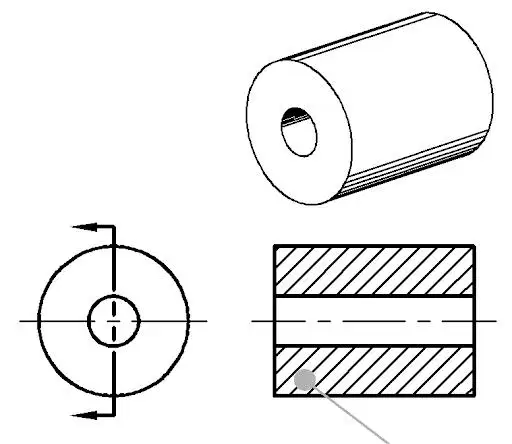
A medium lines drawn at 45 degrees used to show interior view of solid areas of cutting plane line.
(a)

Extra thick lines used to show cutaway views or plane of projection where a section view is taken. The arrow indicates the direction of view.
(a)

Used to break out sections for clarity or shortening a part.
(a)
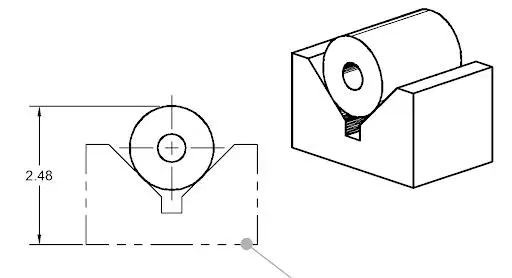
The following statements are the characteristics of Phantom lines, except _____.
Very light and thin line used to construct layout work.
Thin lines made up of long dashes alternating with pairs of short dashes.
Can show where a part is moving to and from.
Long line followed by two short dashes used to show alternate position of a moving part.

Very light and thin line used to construct layout work.
(a)
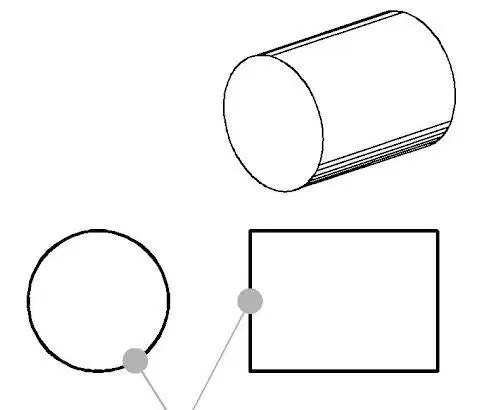
Visible line are light, heavy lines.
true
false
Long thin lines made up of long dashes alternating with pairs of short dashes is called (a) .

Colors that are adjacent to each other on the color wheel.
analogous
complementary
monochromatic
triadic
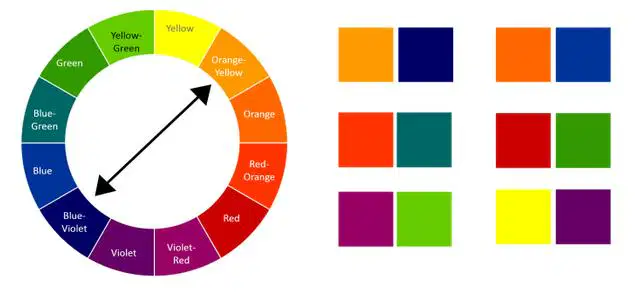
Colors opposite each other on the color wheel.
analogous
complementary
monochromatic
triadic
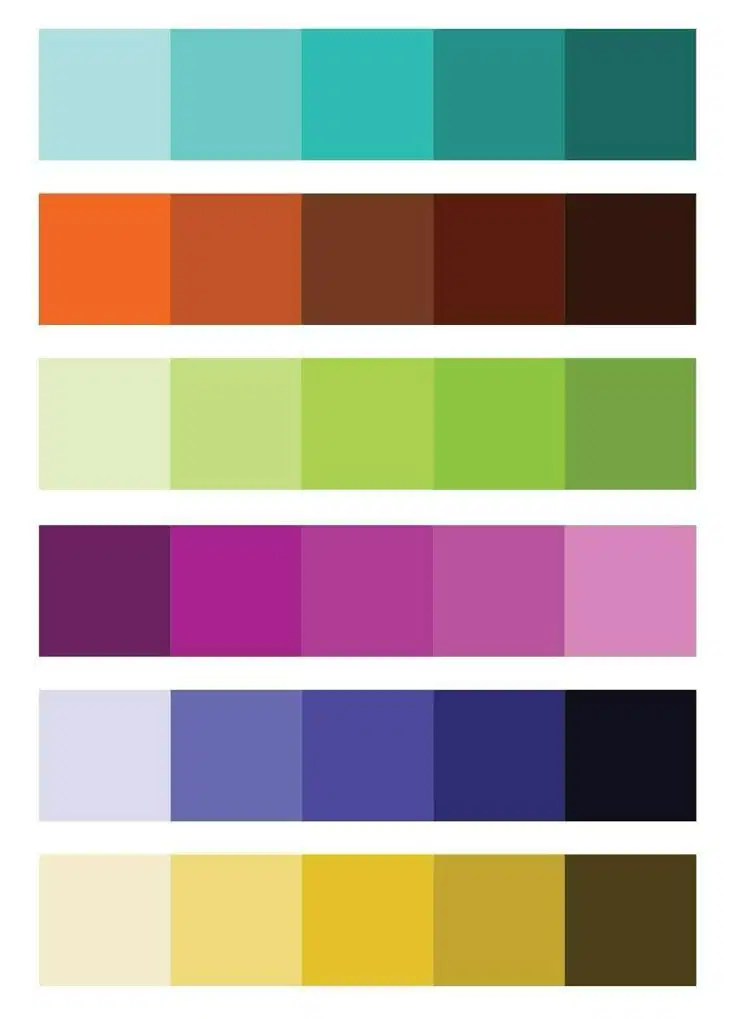
Colors of single hue.
analogous
complementary
monochromatic
triadic
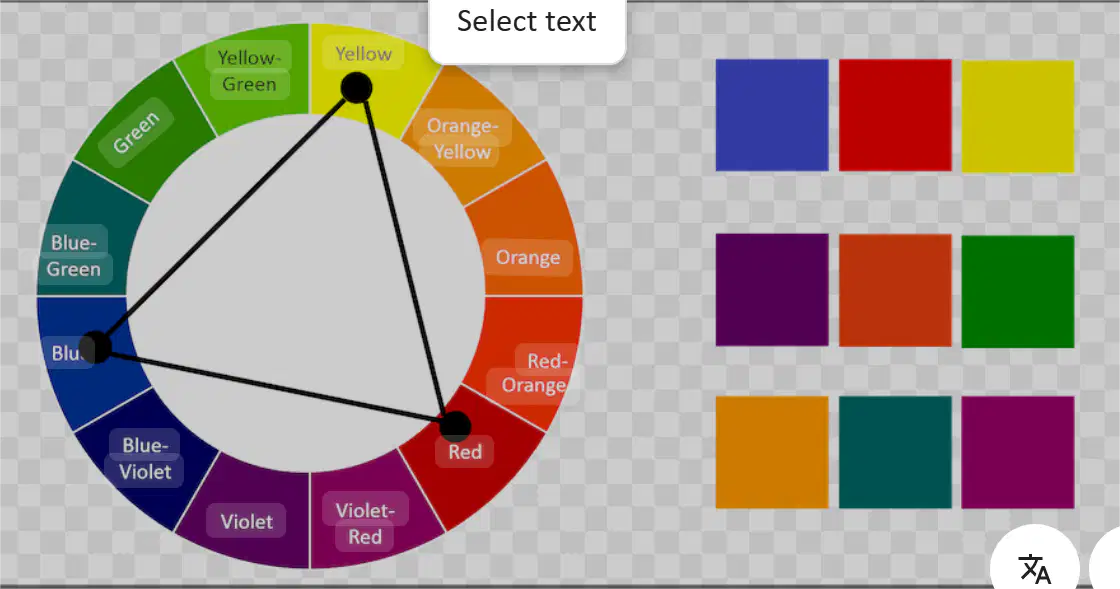
Three colors spaced equally apart on the wheel.
analogous
complementary
monochromatic
triadic
Optical Illusions just trick you into seeing something else.
true
false
They are an error in our perception of the illusion.
(a)
Refers to the standard or commonly accepted way of creating drawings and patterns using basic lines, shapes, and colors.
(a)
Refers to the concept or idea of how something will look or work.
(a)
Refers to the technical drawing that shows the details of the design.
(a)
The traditional color wheel was created by (a) .
The following colors are primary colors, except _____.
red
green
yellow
blue
The three secondary colors are _____, _____, and _____.
yellow
green
orange
red
purple
Tertiary colors are also known as (a) .
What are the four qualities of colors?
hue
saturation
tone
value
temperature
What are the types of values in colors?
tone
warm
cool
tint
shade
The temperature in colors are warm and cool.
true
false
The colors that cannot be created by mixing other colors.
primary colors
secondary colors
tertiary colors
By mixing three primary colors, you can create a secondary colors.
true
false
The following are some examples of tertiary colors, except _____.
red-orange
yellow-orange
green-violet
red-violet
blue-green
It is the most basic property of color and is represented on the color wheel.
(a)
The lightness or darkness of hue is called (a) .
The brightness or dullness of hue is called (a) .
Analogy.
(a) : name :: value : lightness or darkness :: saturation : brightness or dullness

