
 Worksheets
Analgesic Drugs and antipyretics
Total questions: 15
Worksheet time: 15mins
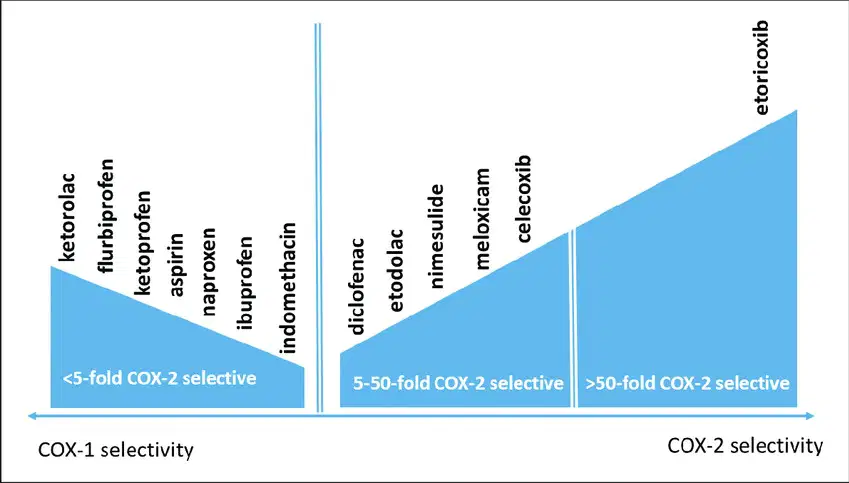
What are drugs with strong analgesic effects that are effective COX-1 inhibitors?
Ketorolac, ketoprofen, diclofenac sodium, naproxen.
Paracetamol, ibuprofen, aspirin, celecoxib.
Morphine, codeine, fentanyl, tramadol.
Lidocaine, bupivacaine, procaine, tetracaine.

What are the common adverse effects of nonsteroidal anti-inflammatory drugs (NSAIDs)?
Gastrointestinal issues, cardiovascular risks, kidney problems. COX-1 inhibitors → more GI and bleeding side effects. COX-2 inhibitors → safer for GI, but increased cardiovascular risk.
Increased appetite, weight gain, and improved sleep patterns.
Hair growth, improved vision, and enhanced memory.
Decreased heart rate, improved digestion, and increased bone density.
Which COX enzyme is primarily responsible for the production of prostaglandins that mediate inflammation?
COX-2.
COX-1.
COX-3.
COX-4.

The mechanism of action of acetaminophen is:
Inhibition of prostaglandin synthesis in the central nervous system
Inhibition of acetylcholinesterase
Blockade of beta-adrenergic receptors
Stimulation of opioid receptors
The primary use of ibuprofen is:
Reducing pain and inflammation
Treating bacterial infections
Lowering blood sugar
Improving vision
The difference between COX-1 and COX-2 enzymes is:
COX-1 is constitutive and involved in physiological functions,
while COX-2 is inducible and mainly involved in inflammation.
COX-1 is only found in the brain,
while COX-2 is only found in the liver.
COX-1 produces only harmful prostaglandins,
while COX-2 produces only beneficial ones.
COX-1 is an enzyme in plants,
while COX-2 is found in animals.
The potential risks associated with long-term use of NSAIDs include:

Gastrointestinal bleeding

Improved kidney function

Increased bone density

Reduced risk of heart disease

What are the common contraindications for using NSAIDs?
Peptic ulcer disease, severe renal impairment, and hypersensitivity to NSAIDs.
Hypertension, diabetes mellitus, and hyperthyroidism.
Asthma, anemia, and hyperlipidemia.
Migraine, insomnia, and hypothyroidism.
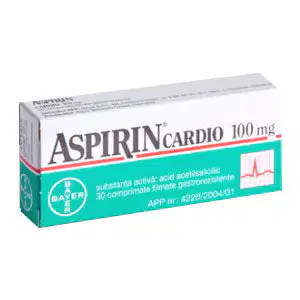
How do NSAIDs affect platelet function?
Aspirin has antithrombotic effect. They can inhibit platelet aggregation that prevent stroke, and has adverse effect that increasing the risk of bleeding.
NSAIDs increase platelet production, leading to higher clotting risk.
NSAIDs have no effect on platelet function or bleeding risk.
NSAIDs stimulate platelet aggregation, reducing the risk of bleeding.

Why ibuprofen??? ;)
Ibuprofen is considered one of the safest drugs in the NSAID group. Ibuprofen can be used during the 1st and 2nd trimesters of pregnancy.
Ibuprofen is an opioid analgesic and is not recommended for any trimester of pregnancy.
Ibuprofen is a steroid and is always preferred over paracetamol in pregnancy.
Ibuprofen is an antibiotic and is used to treat bacterial infections during pregnancy.

Which antipyretics are safe for infants?
From 0 to 6 months, paracetamol is the recommended antipyretic. Dose: 20–40 mg/kg. Forms: drops, suppositories.
Ibuprofen is recommended from birth for infants at a dose of 10–20 mg/kg.
Aspirin is safe for infants under 6 months at a dose of 5–10 mg/kg.
Diclofenac is the preferred antipyretic for infants from 0 to 6 months.

Which NSAIDs are considered safer for patients with cardiovascular risk, and what precautions should be taken when using them?
Naproxen – considered the safest NSAID for patients with cardiovascular risk. Ibuprofen – can be used if necessary, but should be given at the lowest effective dose for the shortest duration.
Aspirin – considered the safest NSAID for patients with cardiovascular risk. Diclofenac – can be used freely without dose restrictions.
Celecoxib – considered the safest NSAID for patients with cardiovascular risk. Indomethacin – can be used at high doses for long durations.
Ketorolac – considered the safest NSAID for patients with cardiovascular risk. Piroxicam – can be used without any precautions.

Which NSAIDs are most effective for managing dental pain and menstrual pain?
Mefenamic acid – effective for mild to moderate dental pain and also the best for menstrual pain.
Ibuprofen – only effective for severe dental pain, not for menstrual pain.
Aspirin – best for both dental and menstrual pain.
Paracetamol – more effective than NSAIDs for both dental and menstrual pain.

Which NSAID is considered safe for use in patients with asthma?
No NSAIDs use in asthmatic patient; you can only use paracetamol.
Ibuprofen
Aspirin
Diclofenac

Most effective NSAID for anti-inflammatory action?
celecoxib (a selective COX-2 inhibitor)
paracetamol
aspirin
acetaminophen

