
NEW
Font size
 Worksheets
Physical Science: Ch 10: Sound Waves
Total questions: 60
Worksheet time: 54mins
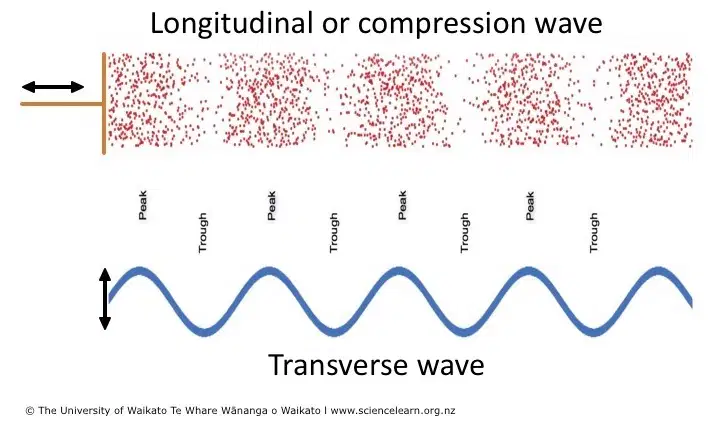
Sound is actually which type of wave?
Longitudinal or compression wave
Transverse wave
1) Waves have characteristic properties that do not depend on the ___ of wave.
2) Waves carry ___ from one place to another.
3) Sound is a ___ wave whose speed depends on the properties of the ___ in which it propagates.
1: type
2: energy
3: longitudinal, medium
1: size
2: energy
3: longitudinal, medium
1: type
2: particles
3: longitudinal, medium
1: type
2: particles
3: transverse, medium
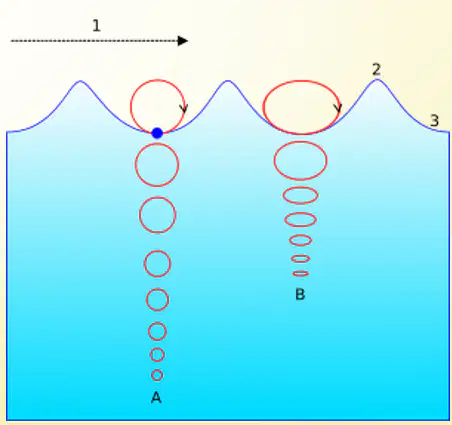
1) As an ocean wave propagates from ocean to shore, do the water molecules move with the wave? Y or N
2) Energy from a storm that disturbs the surface of the ocean travels hundreds of miles and is released as a wave breaking on a shore. T or F
3) Water molecules from the middle of the Pacific Ocean do not travel with the wave that will break on the shore. T or F
1: N
2: T
3: T
1: Y
2: T
3: T
1: N
2: F
3: T
1: N
2: T
3: F
1: Y
2: F
3: F
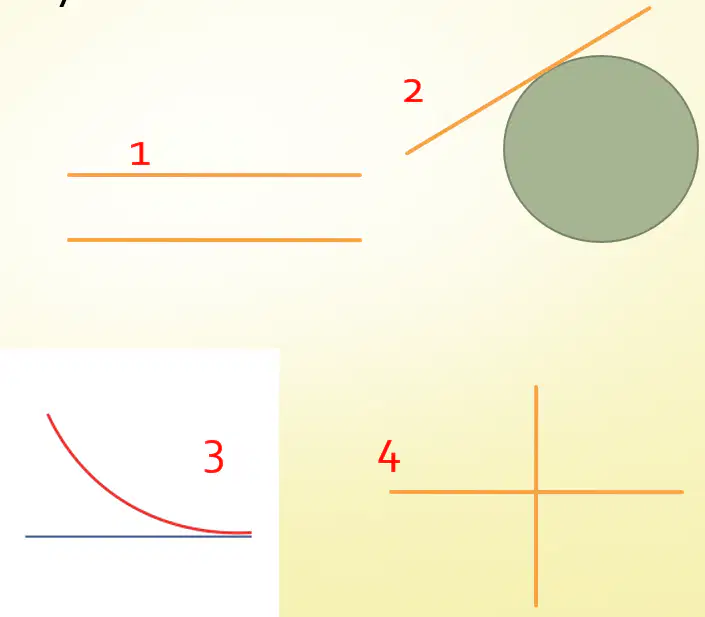
A) Tangential
B) Asymptotic
C) Perpendicular
D) Parallel
1: D
2: A
3: B
4: C
1: A
2: D
3: B
4: C
1: D
2: A
3: C
4: B
1: C
2: A
3: B
4: D
1: B
2: C
3: A
4: D
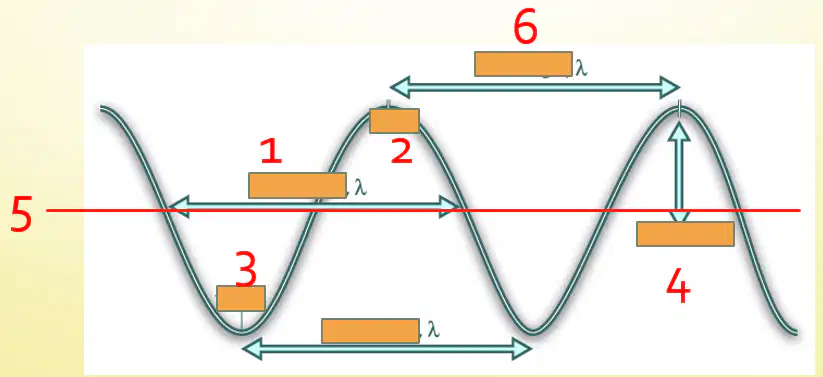
A) Amplitude
B) Peak/Crest
C) Wavelength
D) Trough
E) Midpoint
1: C
2: B
3: D
4: A
5: E
1: B
2: C
3: D
4: E
5: A
1: C
2: B
3: E
4: A
5: B
1: C
2: E
3: D
4: A
5: B
1: C
2: B
3: A
4: E
5: D

1: B
2: A
3: B
4: A
1: A
2: B
3: A
4: B
1: B
2: A
3: A
4: B
1: A
2: B
3: B
4: A
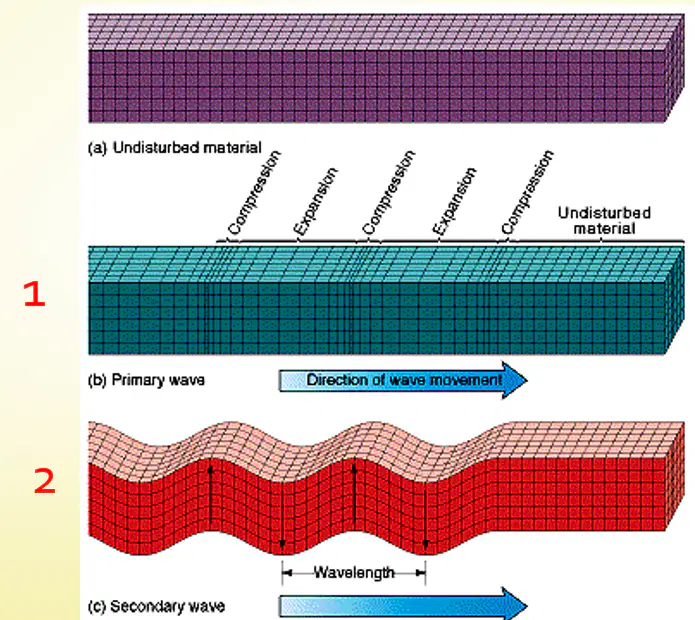
1) Displacements are parallel to direction of propagation.
2) Displacements are perpendicular to propagation direction.
1: Longitudinal
2: Transverse
1: Transverse
2: Longitudinal
1) The number of vibrations an object makes in a unit of time
2) The distance from the top of one crest to the top of the next one
3) The time needed to complete one vibration
4) The distance from the midpoint to the crest or trough
A) Wavelength B) Amplitude C) Frequency D) Period
1: C
2: A
3: D
4: B
1: C
2: A
3: B
4: D
1: A
2: C
3: D
4: B
1: B
2: A
3: D
4: C
1: A
2: D
3: C
4: B
Waves that have the same direction of oscillation or vibration along their direction of travel:
Longitudinal
Transverse
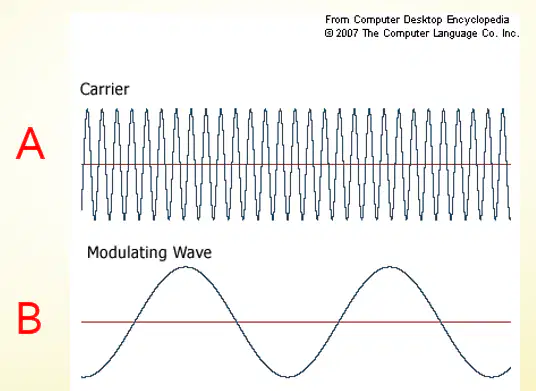
1) Long Period
2) Short Period
3) Low Frequency
4) High Frequency
5) High Energy
6) Low Energy
1: B
2: A
3: B
4: A
5: A
6: B
1: A
2: B
3: A
4: B
5: B
6: A
1: B
2: A
3: A
4: B
5: A
6: B
1: B
2: A
3: B
4: A
5: B
6: A
1: A
2: B
3: B
4: A
5: B
6: A
This is the same in both waves:
Wavelength
Amplitude
Frequency
Period
1) Radar and microwave ovens, billions of vibrations a second
2) FM radio, millions of vibrations a second
3) The unit of frequency
4) AM radio, 1000’s of vibrations a second
A) Hertz (Hz) B) Kilohertz C) Megahertz D) Gigahertz
1: D
2: C
3: A
4: B
1: C
2: D
3: A
4: B
1: D
2: C
3: B
4: A
1: D
2: A
3: C
4: B
1: B
2: C
3: A
4: D
1) The source of all wave motion is a ___ object.
2) A vibration cannot exist in one instant. It needs ___ to move back and forth.
3) A disturbance that is transmitted progressively from one place to the next with no actual transport of ___ is a wave.
4) A ___ cannot exist in one place but must extend from one place to another.
5) Light and sound are both forms of ___ that move through spaces as waves.
1: vibrating
2: time
3: matter
4: wave
5: energy
1: stationary
2: time
3: matter
4: wave
5: energy
1: vibrating
2: energy
3: matter
4: wave
5: time
1: vibrating
2: time
3: energy
4: wave
5: matter
1: solitary
2: wave
3: matter
4: time
5: energy
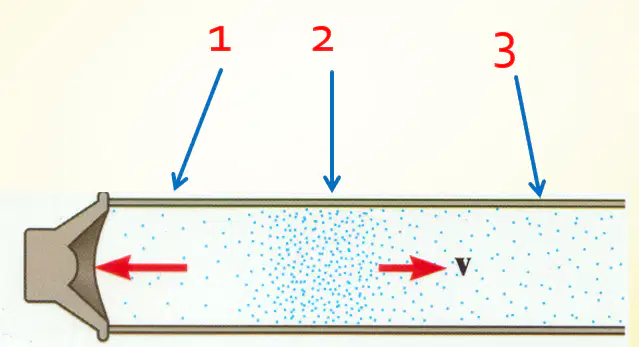
A) Compression
B) Rarefaction
C) Normal Air Pressure
1: B
2: A
3: C
1: A
2: B
3: C
1: B
2: C
3: A
1: C
2: A
3: B
1: A
2: C
3: B
1) A wave is created when a source of energy causes a vibration to move through a ___.
2) The three main types of mechanical waves are transverse, ___, and surface waves.
3) ___: an area of a longitudinal wave where the particles of the medium are close together.
4) ___: an area of a longitudinal wave where the particles of the medium are spread out.
1: medium
2: longitudinal
3: Compression
4: Rarefaction
1: medium
2: longitudinal
3: Rarefaction
4: Compression
1: vacuum
2: latent
3: Compression
4: Rarefaction
1: vacuum
2: longitudinal
3: Rarefaction
4: Compression
1: longitudinal
2: transverse
1: transverse
2: longitudinal

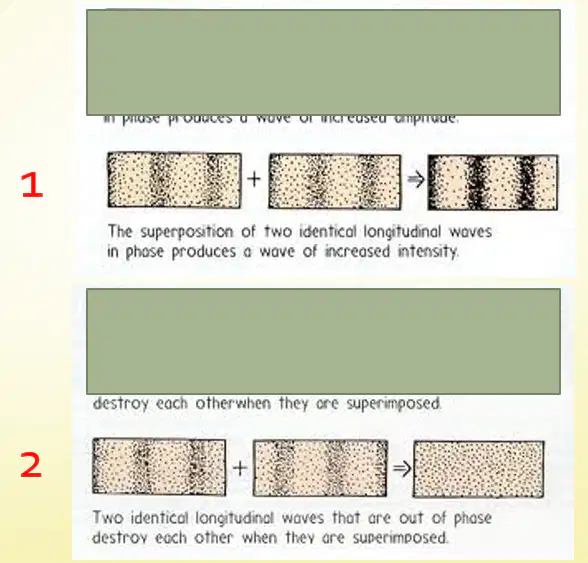
1: Destructive interference
2: Constructive interference
1: Constructive interference
2: Destructive interference
Longitudinal / Compression wave
1: Constructive interference
2: Destructive interference
1: Destructive interference
2: Constructive interference
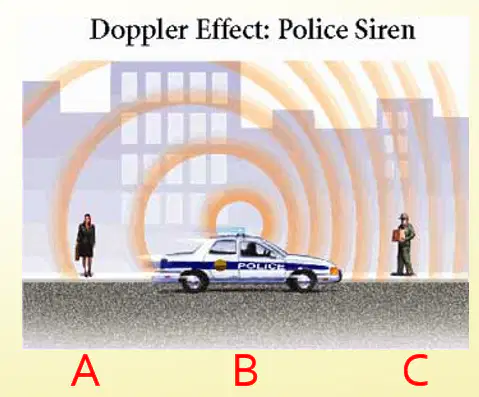
1) Where does the siren have a higher pitch?
2) Where is the frequency of the longitudinal sound wave lower?
3) If the wave emitter and the wave receiver are not moving, can the Doppler effect occur? Y or N
1: C
2: A
3: N
1: A
2: C
3: N
1: C
2: A
3: Y
1: B
2: A
3: N
1: A
2: B
3: Y
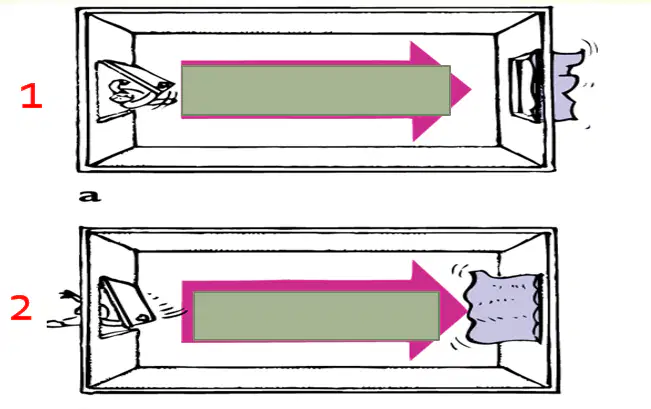
1: Compression
2: Rarefaction
1: Rarefaction
2: Compression

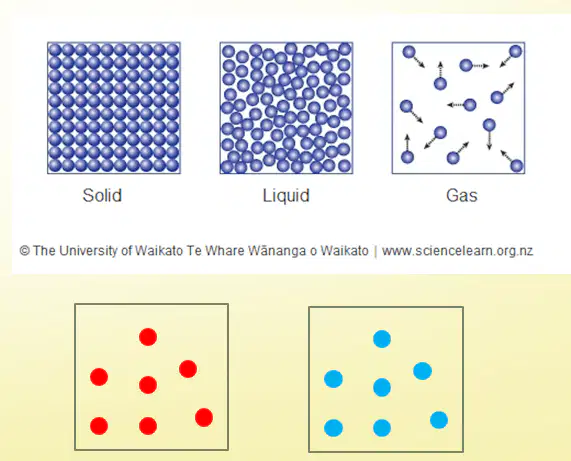
1) Which is a hot, solid?
2) Which atoms vibrate faster: B or D?
3) A sound wave would travel faster through A or C?
4) A sound wave would travel faster through C or D?
5) Review: Which would feel colder to the touch even if they were the same temperature: C or D?
1: B
2: B
3: A
4: D
5: D
1: B
2: D
3: A
4: D
5: D
1: B
2: B
3: A
4: C
5: C
1: D
2: B
3: A
4: C
5: D
1: A
2: B
3: C
4: D
5: C
1) Which phase of matter does sound travel the fastest through?
2) Which does sound travel faster through: a hot or cold medium?
1: Solid
2: Hot
1: Solid
2: Cold
1: Liquid
2: Hot
1: Liquid
2: Cold
1: Gas
2: Hot
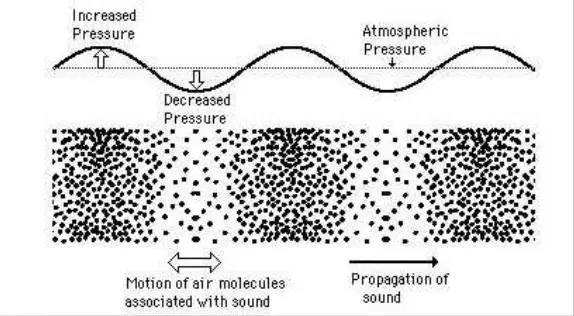
The trough of the transverse wave corresponds to the ___ of the longitudinal / compression wave of sound traveling through the medium of air.
rarefaction
the decrease density and pressure of the air molecules
compression
Only two answers are correct
All the answers are correct
1) The speed of sound is determined by the medium it travels through. T / F
2) Air at 20°C
3) Steel
4) Water at 20°C
5) Air at 0°C
1: T
2: 331 m/s
3: 5960 m/s
4: 1482 m/s
5: 343 m/s
1: F
2: 331 m/s
3: 343 m/s
4: 5960 m/s
5: 1482 m/s
1: T
2: 343 m/s
3: 5960 m/s
4: 1482 m/s
5: 331 m/s
1: T
2: 331 m/s
3: 1482 m/s
4: 5960 m/s
5: 343 m/s
1: F
2: 5960 m/s
3: 1482 m/s
4: 343 m/s
5: 331 m/s
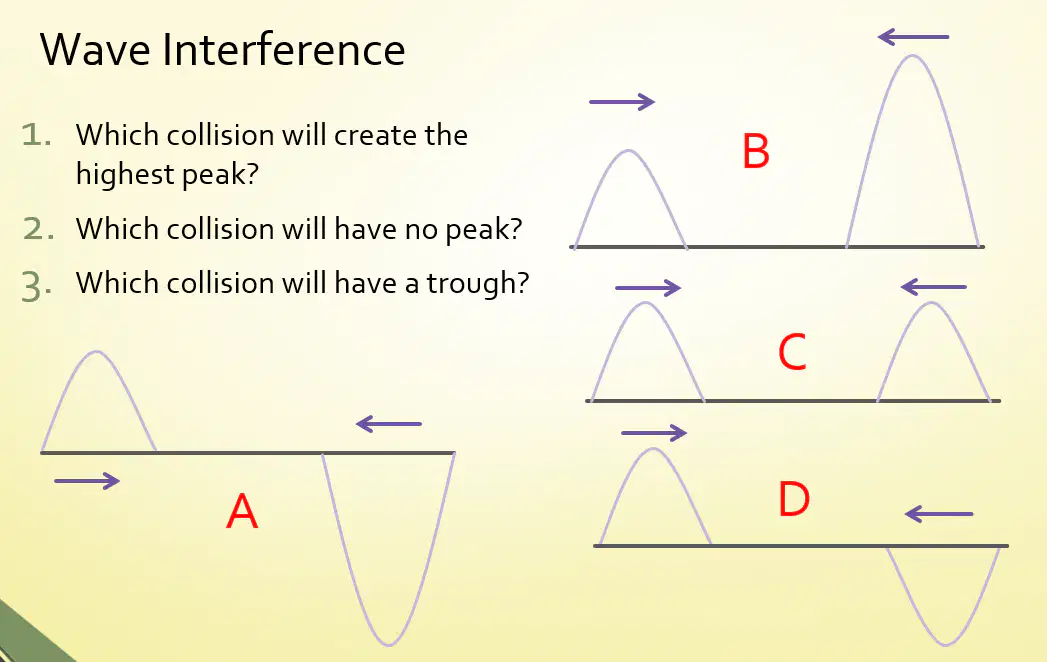
1: B
2: D
3: A
1: B
2: D
3: C
1: C
2: D
3: A
1: B
2: C
3: A
1: A
2: D
3: B
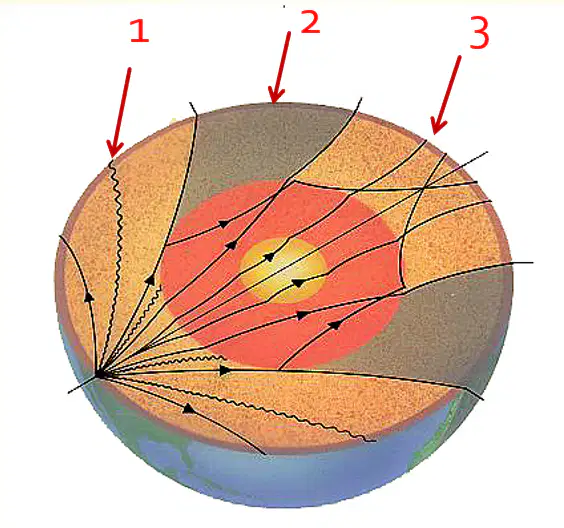
1: Transverse wave
2: Shadow zone
3: Longitudinal wave
1: Shadow zone
2: Transverse wave
3: Longitudinal wave
1: Longitudinal wave
2: Shadow zone
3: Transverse wave
1: Transverse wave
2: Longitudinal wave
3: Shadow zone
1) Only transverse, earthquake waves with their displacement perpendicular to their propagation can travel through a liquid like the outer core and be detected by seismographs on the opposite side of Earth. T / F
2) The shadow zone is another piece of evidence that the core of Earth has a liquid outer layer. T / F
1: F
2: T
1: T
2: F
1: T
2: T
1: F
2: F
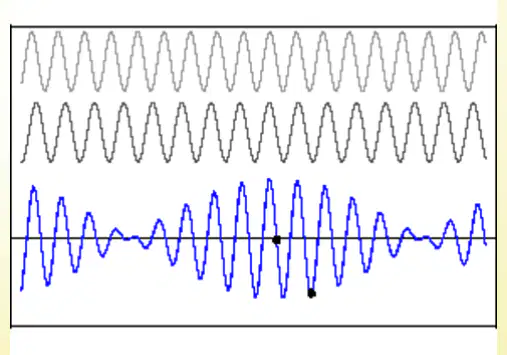
1) Periodic fluctuations in peak ___ which occur when two sinusoids with slightly different frequencies are superimposed.
2) ___ are periodic variations in the loudness of a sound. Beats are heard when two tones of slightly different frequency are sounded at the same time.
3) Where the wave displacement disappears, what two parts of the waves are aligned?
1: amplitude
2: Beats
3: A trough and a peak
1: wavelength
2: Beats
3: A trough and a peak
1: amplitude
2: Beats
3: A trough and a trough
1: frequency
2: Beats
3: A peak and a peak
1: amplitude
2: Interference
3: A trough and a peak
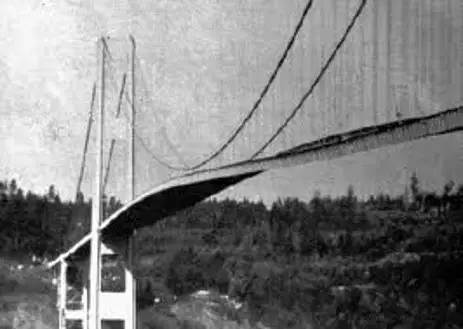
1) Resonance: when an object receives waves that ___ interfere so the vibration gets larger.
2) A vibration of ___ amplitude produced by a relatively ___ vibration near the same frequency of vibration as the natural frequency of the resonating system.
1: constructively
2: large, small
1: destructively
2: large, small
1: constructively
2: small, large
1: destructively
2: small, large
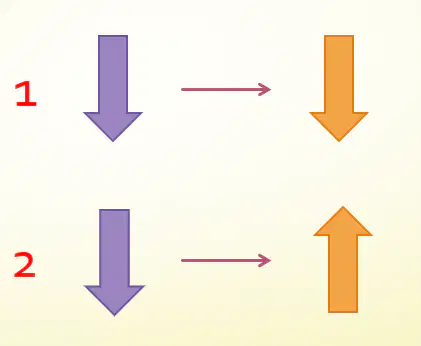
1: Directly proportional
2: Inversely proportional
1: Inversely proportional
2: Directly proportional
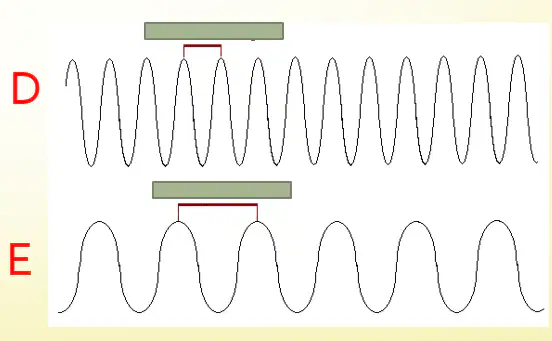
1) Which has high frequency?
2) Which has long wavelength?
3) As the frequency increases, the wavelength ___.
A) Shortens B) Lengthens C) Remains constant
1: D
2: E
3: A
1: E
2: D
3: A
1: D
2: E
3: B
1: D
2: E
3: C
1: E
2: D
3: B
Frequency and wavelength are ___ related.
Proportionally or Inversely
Inversely
Proportionally
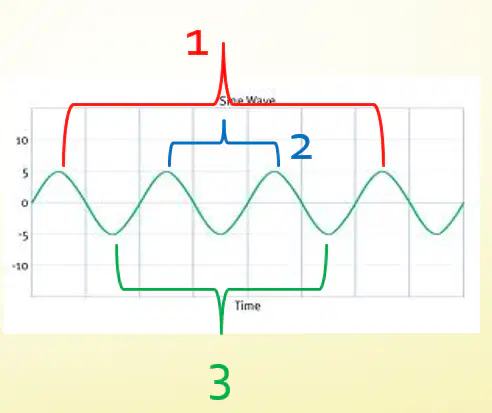
If this many waves pass by you in one second, what is the frequency in hertz?
A) 1/4 hertz B) 1/3 hertz C) 1/2 hertz D) 1 hertz
E) 2 hertz F) 3 hertz G) 4 hertz
1: F
2: D
3: E
1: B
2: D
3: C
1: F
2: A
3: E
1: F
2: D
3: C
1: B
2: D
3: E
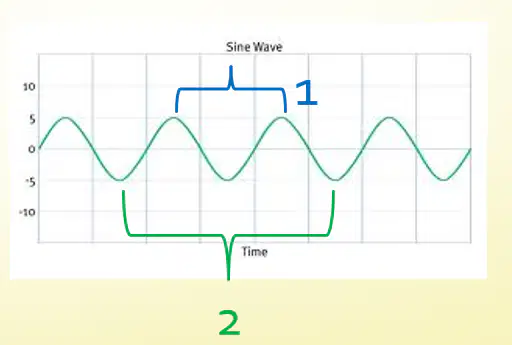
If this many waves pass by you in two seconds, what is the frequency in hertz?
1: 0.5 Hz
2: 1 Hz
1: 1 Hz
2: 2 Hz
1: 2 Hz
2: 4 Hz
1: 0.1 Hz
2: 0.2 Hz
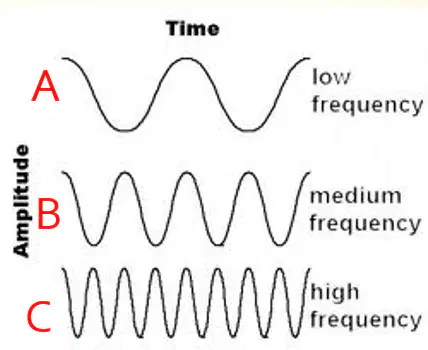
1) Which wave has the longest period?
2) All three waves have different amplitudes. T / F
1: A
2: F
1: B
2: F
1: C
2: F
1: A
2: T
1: C
2: T
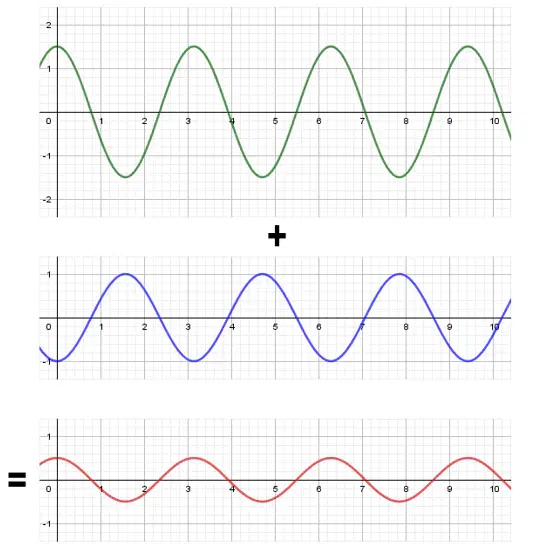
1) Which has a larger amplitude: green or blue?
2) Which type of wave interference is shown as a resultant in the red wave?
3) Green and blue actually have the same wavelength: T / F
1: green
2: destructive
3: T
1: green
2: destructive
3: F
1: blue
2: destructive
3: T
1: green
2: constructive
3: T
1: blue
2: constructive
3: F
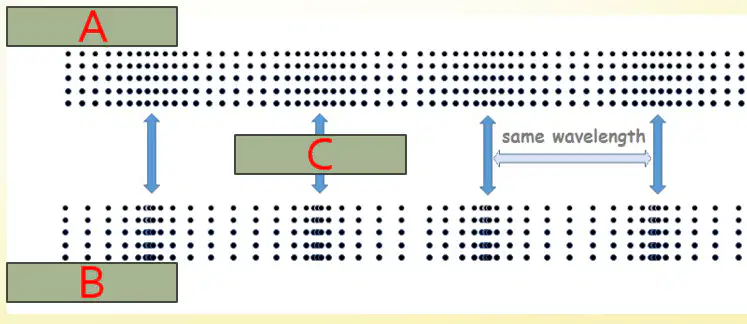
1) Which longitudinal wave has the smaller amplitude: A or B?
2) Is C a compression or a rarefaction?
1: A
2: compression
1: A
2: rarefaction
1: B
2: compression
1: B
2: rarefaction
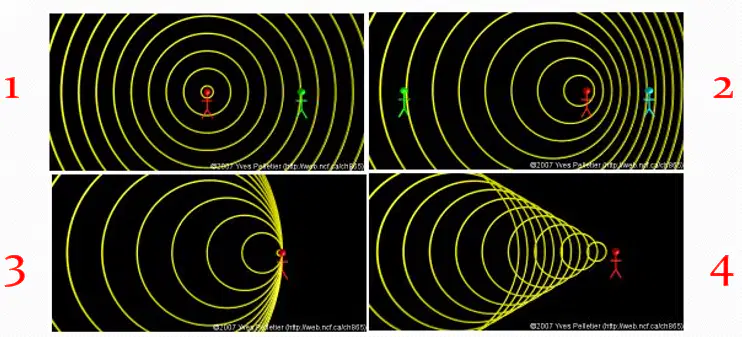
A) A Shock Wave Forms Traveling Faster Than Sound
B) Traveling at the Speed of Sound
C) Normal Sound Wave Emission, Not Moving
D) Doppler Effect
1: C
2: D
3: B
4: A
1: D
2: C
3: B
4: A
1: C
2: D
3: A
4: B
1: C
2: B
3: D
4: A
1: A
2: D
3: B
4: C
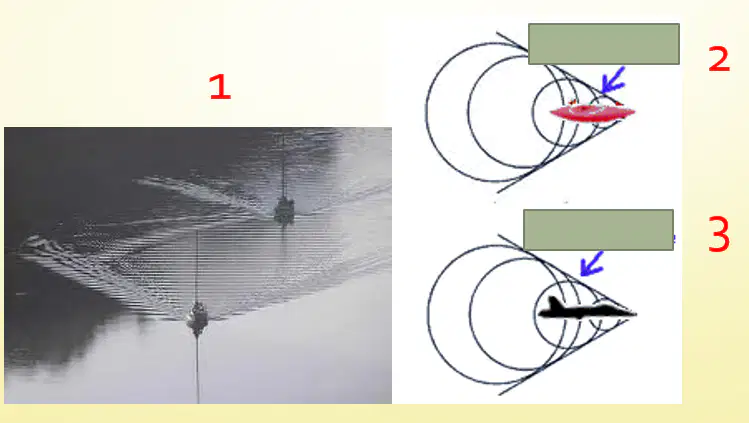
A) Shock wave
B) Bow wave
1: B
2: B
3: A
1: B
2: A
3: A
1: A
2: A
3: B
1: A
2: B
3: B
1: A
2: B
3: A
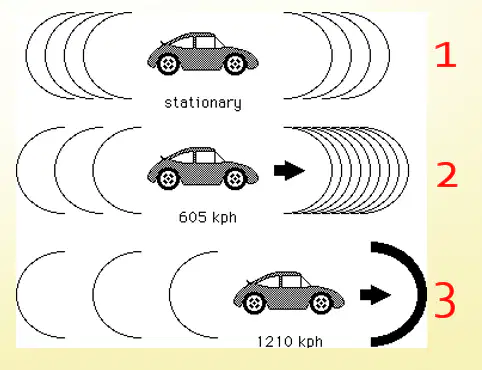
A) A Shock Wave Forms Traveling Faster Than Sound
B) Traveling at the Speed of Sound
C) Normal Sound Wave Emission
D) Doppler Effect
1: C
2: D
3: B
1: A
2: D
3: B
1: D
2: A
3: B
1: B
2: C
3: D
1: C
2: B
3: D
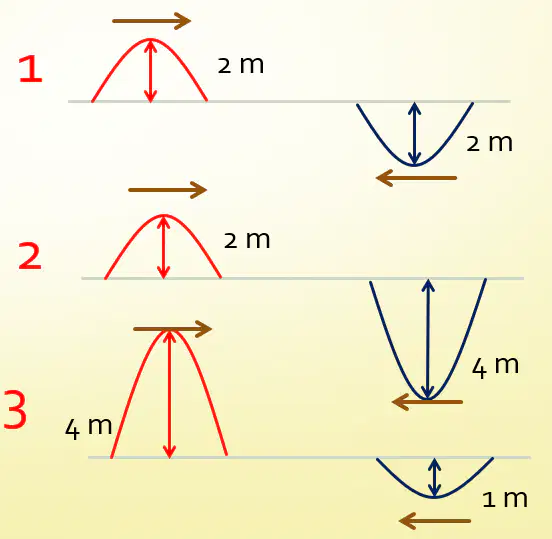
When the waves meet, they will interfere with each other. What will be the resultant amplitude in meters, and will it be a peak or trough?
1: 0 meters, no peak or trough
2: 2 meter trough
3: 3 meter peak
1: 0 meters, no peak or trough
2: 3 meter trough
3: 2 meter peak
1: 1 meter, peak
2: 2 meter trough
3: 3 meter peak
1: 0 meters, no peak or trough
2: 2 meter peak
3: 3 meter trough
1: 4 meters, trough
2: 6 meter trough
3: 5 meter peak
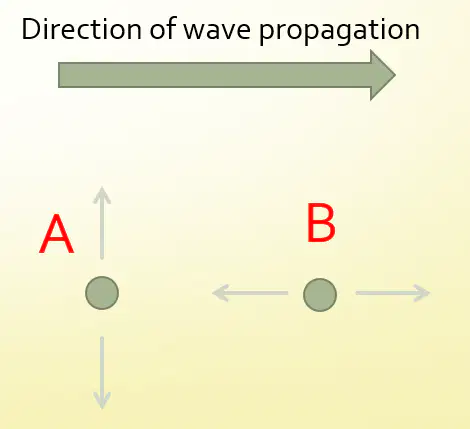
1) How do the particles of the medium vibrate when a longitudinal wave like an earthquake P-wave passes through?
2) How do the particles move in a medium when a transverse wave like an earthquake S-wave passes through?
1: B
2: A
1: A
2: B
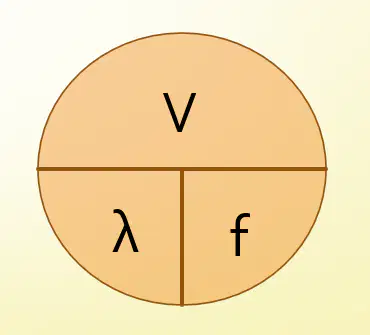
1) λ = 10 m, f = 20 Hz, V = __ m/s
2) λ = __ m, f = 80 Hz, V = 40 m/s
3) λ = 10 m, f = __ Hz, V = 200 m/s
1: 200 m/s
2: 0.5 m
3: 20 Hz
1: 2 m/s
2: 0.5 m
3: 2 Hz
1: 100 m/s
2: 1 m
3: 20 Hz
1: 200 m/s
2: 2 m
3: 2000 Hz
1: 200 m/s
2: 2 m
3: 20 Hz
A sound wave traveling through a solid material has a frequency of 500 hertz. The wavelength of the sound is 2 meters. What is the speed of the sound in the material?
1000 m/s
250 m/s
25 m/s
100 m/s
2500 m/s
1) λ x frequency 2) Acceleration 3) Electricity
A) Newton’s 2nd Law B) Wave speed C) Ohm’s Law
1: B
2: A
3: C
1: C
2: A
3: B
1: B
2: C
3: A
1: A
2: B
3: C
1: C
2: B
3: A
1) A = F/m 2) I = V/R
3) Uses kg and m/s/s 4) Uses hertz or cycles per second
5) Uses Ω of resistance
A) Newton’s 2nd Law B) Wave speed C) Ohm’s Law
1: A
2: C
3: A
4: B
5: C
1: A
2: C
3: B
4: A
5: C
1: B
2: C
3: A
4: B
5: C
1: B
2: A
3: C
4: B
5: C
1: A
2: C
3: C
4: A
5: B
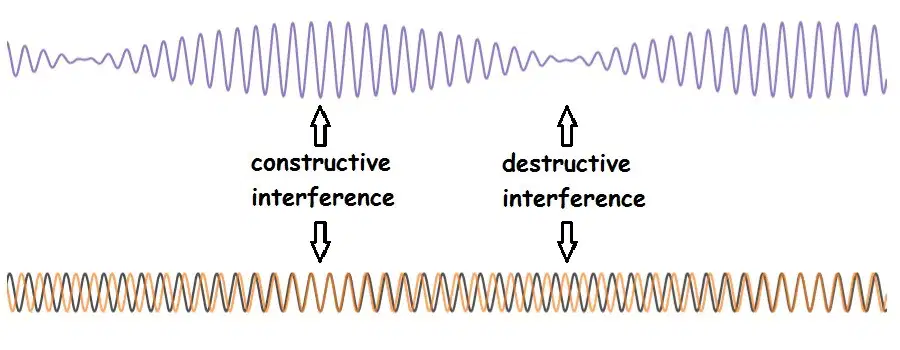
This is showing:
beats
wave speed
longitudinal wave
changes in amplitude
Two answers are correct
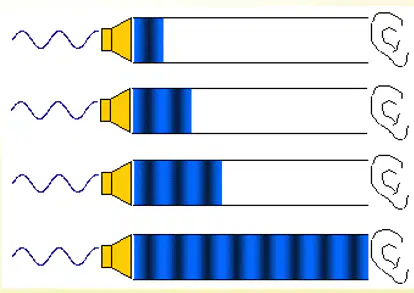
1) A trough in a transverse wave corresponds to a ___ in a longitudinal wave.
2) A peak in a transverse wave corresponds to a ___ in a longitudinal wave.
1: rarefaction
2: compression
1: compression
2: rarefaction
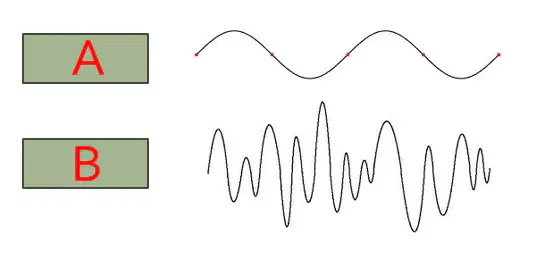
1) Notes
2) Noise
3) When representing sound, a peak in a transverse wave correlates to a rarefaction in a longitudinal wave. T / F
1: A
2: B
3: F
1: B
2: A
3: F
1: A
2: B
3: T
1: B
2: A
3: T
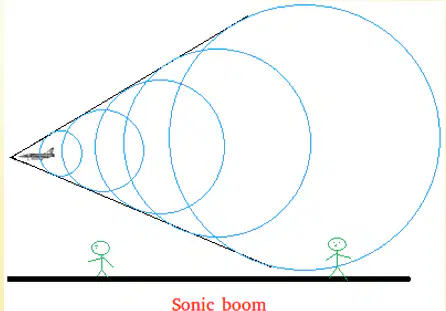
1) You can see a supersonic object much sooner than you can hear a supersonic object. T / F
2) An airplane or rocket only makes a singular sonic boom the moment it breaks the sound barrier. T / F
1: T
2: F
1: T
2: T
1: F
2: F
1: F
2: T
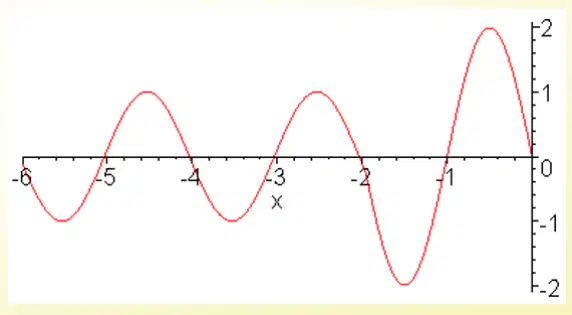
1) When a wave reflects off of something, it can ___with its own reflection.
2) The interference is alternately constructive or ___ as the two waves move past each other.
3) This creates a ___.
1: interfere
2: destructive
3: standing wave
1: interfere
2: destructive
3: flat line
1: ignore
2: destructive
3: long silence
1: interfere
2: additive
3: standing wave
Unlike a transverse wave, a longitudinal wave has ____.
no wavelength
no speed
no amplitude
no frequency
none of these
In a longitudinal wave, the compressions and rarefactions travel:
in the same direction
in opposite directions
1) The vibrations of a transverse wave move in a direction ___.
2) The vibrations of a longitudinal wave move in a direction ___.
A) along the direction of travel B) at right angles to the direction of travel
1: B
2: A
1: A
2: B
Wave interference occurs for
sound waves
light waves
water waves
all waves
The Doppler Effect is a characteristic of:
sound waves
light waves
water waves
all waves
The Doppler Effect occurs when a source of sound:
moves away from you
moves towards you
either of these
neither of these
1) A wave barrier is produced when a wave source moves:
2) A wave bow is produced when a wave source moves:
A) nearly as fast as the waves it produces B) as fast as the waves it produces
C) faster than the waves it produces
1: B
2: C
1: C
2: B
1: A
2: B
1: B
2: A
1: C
2: A
Some of a wave's energy dissipates as heat. In time, this will reduce the wave's:
amplitude
frequency
wavelength
period
speed
1) An irregular vibration:
2) A repeating vibration of the same shape:
1: noise
2: musical note
1: musical note
2: noise

