
Font size
 Worksheets
Function of the Skeleton - Protection of Vital Organs
Total questions: 94
Worksheet time: 47mins
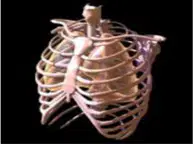
Our skeleton protects all our vital organs. The organs are very sensitive and they wouldn’t be able to cope without the skeleton to protect them. For example, the ribs protect the _____?
heart
lungs
stomach
brain
Sporting Example – The cranium protects the _____ in a rugby scrum.
brain
lungs
spine
heart
The main function of the skeleton as described in the notes is:
To provide support and structure to the body
To help in digestion of food
To regulate body temperature
To produce hormones
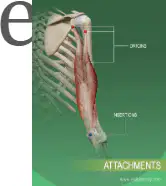
How do muscles attach to bones to cause movement?
Via ligaments
Via tendons
Via cartilage
Via nerves
The attachment of muscles to bones via tendons allows a vast range of movement, from the intricate movement of the _______ to the large range movement in the shoulder.
hand
foot
knee
elbow
This allows a netball player to quickly and effectively move around the court. What function of the skeleton does this example illustrate?
Protection
Blood cell production
Attachment for skeletal muscle
Mineral storage
What function does the skeleton provide according to the notes? Our bone size gives us our body shape and our bones hold our body together. It allows the body to maintain its _______.
shape
temperature
color
weight
According to the notes, what allows movement to occur in the body? As the muscles contract and pull on the bones, a _______ occurs.
movement
reaction
fracture
spasm
What is the function of bones in relation to weight bearing?
Bones are strong to enable them to take the weight of other parts of the skeleton.
Bones are soft to allow flexibility in the skeleton.
Bones are hollow to reduce body weight.
Bones are weak to prevent injury.
Why are the bones of the pelvis and legs strong and thick?
To take the weight of the entire skeleton and maintain stature.
To help in digestion of food.
To improve blood circulation in the body.
To enhance the sense of touch.
In a sprint, which bones take the weight of the body as they press against the starting block?
Carpals
Tarsals
Femur
Ribs
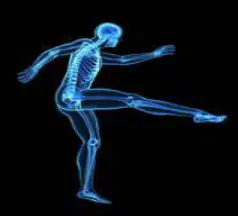
According to the notes on the function of the skeleton, what can bone length determine?
Our weight
Our height and the amount of leverage the bones can exert
Our eye color
Our muscle strength
Why is it an advantage for basketball players to have long bones and be tall?
Because they can reach the basket more easily.
Because it makes them run slower.
Because it helps them dribble better.
Because it makes them get tired quickly.
Sporting Example – Usain Bolt’s longer leg bones allow him to cover more distance in a shorter amount of time allowing him to run faster.
True
False
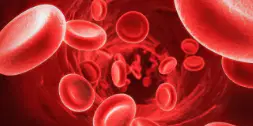
What is one of the functions of the skeleton?
Producing blood
Producing energy
Producing hormones
Producing muscles
Which bones are mainly responsible for producing blood in the skeleton?
Femur, tibia, fibula
Sternum, vertebral column, pelvis
Skull, ribs, scapula
Humerus, radius, ulna
The skeleton produces blood in the red _______ inside the bones.
marrow
tissue
cartilage
membrane
Red and white blood cells are produced in the skeleton.
True
False
What is one of the functions of the skeleton according to the notes?
Storage of minerals
Production of hormones
Digestion of food
Regulation of temperature
Bones store minerals such as _______ (which is essential for muscle contraction and bone repair) and phosphorous.
calcium
potassium
iron
magnesium
According to the notes, what can happen if there is too little phosphorous in the body?
Muscle weakness can occur if there is too little phosphorous in the body.
Excessive hair growth can occur if there is too little phosphorous in the body.
Improved vision can occur if there is too little phosphorous in the body.
Rapid weight gain can occur if there is too little phosphorous in the body.
The storage of minerals is important for sportspeople because:
it helps in muscle contraction and energy production.
it increases body fat percentage.
it reduces the need for hydration.
it slows down metabolism.
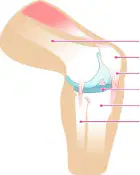
What is a joint?
A place where two muscles meet
A place where two bones meet
A type of cartilage
A type of ligament
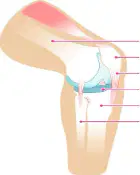
The ends of bones at a joint are covered with ________ or articular cartilage, which helps to reduce friction and allows for ease of movement in that area.
hyaline
elastic
fibrous
adipose
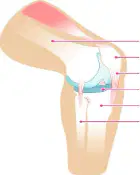
Why is reducing friction at a joint important for athletes such as boxers?
It helps them build muscle
It allows for fluid movements during a match
It increases bone strength
It prevents sweating
What is the function in sport of long bones?
Movement - to generate strength and speed
Protection of vital organs
Production of hormones
Storage of digestive enzymes
What is the function in sport of short bones?
Shock absorption - spreading load
Energy storage - storing glycogen
Oxygen transport - carrying oxygen
Hormone production - releasing insulin
What is the function in sport of flat (plate) bones?
Protection of vital organs, attachment of muscles to help movement
Production of red blood cells only
Storage of fat and minerals only
Facilitation of joint movement only
What is the function in sport of irregular bones?
Provide shape, protection
Store calcium, produce hormones
Aid in digestion, filter blood
Regulate body temperature, produce energy
Which of the following is a joint in the Upper Skeleton?
Hip
Knee
Shoulder
Ankle
Which of the following is a joint in the Lower Skeleton?
Elbow
Wrist
Shoulder
Knee
List all the joints that are part of the Upper Skeleton according to the notes.
Shoulder, Elbow, Wrist
Hip, Knee, Ankle
Jaw, Collarbone, Pelvis
Spine, Sacrum, Coccyx
List all the joints that are part of the Lower Skeleton according to the notes.
Hip, Knee, Ankle
Shoulder, Elbow, Wrist
Skull, Jaw, Neck
Clavicle, Scapula, Sternum
The articulating bones at the Shoulder joint are _________.
Scapula & Humerus
Femur & Tibia
Radius & Ulna
Clavicle & Sternum
The articulating bones at the Elbow joint are _________
Humerus, Radius & Ulna
Femur, Tibia & Fibula
Scapula, Clavicle & Humerus
Tibia, Fibula & Talus
The articulating bones at the Wrist joint are _________
Radius & Carpals
Femur & Tibia
Humerus & Ulna
Scapula & Clavicle
The articulating bones at the Hip joint are _________.
Pelvis & Femur
Scapula & Humerus
Tibia & Fibula
Radius & Ulna
The articulating bones at the Knee joint are _________.
Femur & Tibia
Humerus & Ulna
Scapula & Clavicle
Femur & Radius
The articulating bones at the Ankle joint are _________.
Tibia, Fibula & Tarsals
Femur, Patella & Tibia
Radius, Ulna & Carpals
Scapula, Clavicle & Humerus
______ joints are fixed and allow no movement. Example: Coccyx.
Fibrous/Fixed
Cartilaginous
Synovial
Ball and Socket
______ joints are slightly moveable, for example, between the lumbar vertebrae.
Cartilaginous
Fibrous
Synovial
Ball-and-socket
Which type of joint is freely moveable and provides the greatest range of movements?
Fibrous/Fixed
Cartilaginous
Synovial
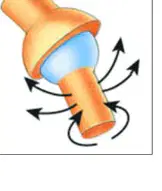
What type of joint allows for the greatest range of movement?
Hinge joint
Ball and socket joint
Pivot joint
Gliding joint
Where can ball and socket joints be found in the human body?
At the hip and shoulder
In the fingers and toes
At the knee and elbow
In the neck and spine
Which of the following movements are allowed by a ball and socket joint?
Flexion
Extension
Abduction
All of the above
A sporting example of a ball and socket joint is ___ .
when a hurdler lifts their leg to clear a hurdle
when a cyclist grips the handlebars
when a runner bends their knee
when a swimmer points their toes
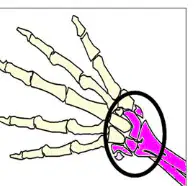
What type of joint is found at the wrist?
Hinge joint
Condyloid joint
Ball and socket joint
Pivot joint
Which of the following movements are allowed by a condyloid joint?
Flexion and extension
Abduction and adduction
Circumduction
All of the above
Condyloid joints allow movement in ______ planes.
two
one
three
four
Sporting Example: Allows a gymnast to put their hand flat on the floor when performing a cartwheel. Which joint is being described?
Condyloid joint
Hinge joint
Ball and socket joint
Pivot joint
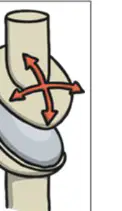
What is the function of a gliding joint?
Allows sliding or twisting
Allows rotation only
Allows bending only
Allows stretching only
Where can gliding joints be found in the human body?
At the ankle and wrist
In the knee and elbow
In the shoulder and hip
In the neck and spine
What is another name for a gliding joint?
Plane joint
Hinge joint
Ball and socket joint
Pivot joint
What action does the gliding joint allow in hockey?
Allows the hand action in hockey as you dribble
Allows you to kick the ball in hockey
Allows you to jump in hockey
Allows you to head the ball in hockey
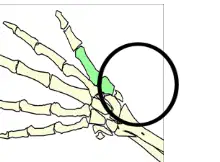
Where can the saddle joint be found in the human body?
In between the carpals and metacarpals at the thumb
Between the femur and tibia
In the shoulder joint
Between the vertebrae
Which of the following movements are allowed by the saddle joint?
Abduction
Extension
Flexion
All of the above
Adduction
Sporting Example – The saddle joint allows a tennis player to grip a racquet and ball.
True
False
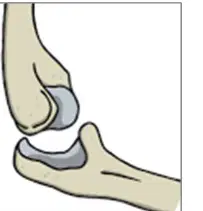
What type of motion does a hinge joint allow?
Only backwards and forwards motion like a door
Circular motion
Side to side motion
Rotational motion
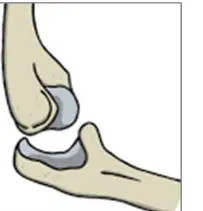
Where can hinge joints be found in the human body?
At the knee and elbow.
At the shoulder and hip.
At the skull and jaw.
At the wrist and ankle.
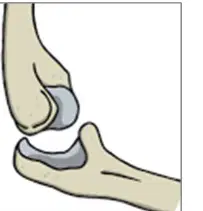
Hinge joints allow for which of the following movements?
Flexion
Extension
Dorsiflexion
Plantarflexion
All of the above
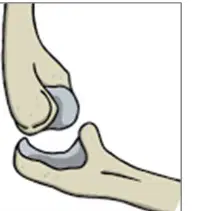
Sporting Example: A hinge joint allows a volleyball player to ______ their arm to serve the ball.
bend
stretch
rotate
shake
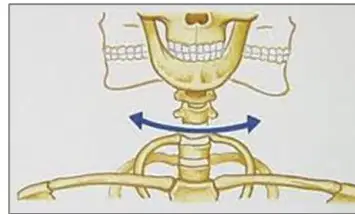
What is the main function of a pivot joint?
Allows us to rotate and twist
Helps in bending forward and backward
Provides cushioning between bones
Connects muscles to bones
Where can pivot joints be found in the human body?
At the neck and elbow
At the knee and ankle
At the shoulder and wrist
At the hip and fingers
What action does a pivot joint allow a footballer to perform in football?
A glancing header
A bicycle kick
A chest trap
A sliding tackle
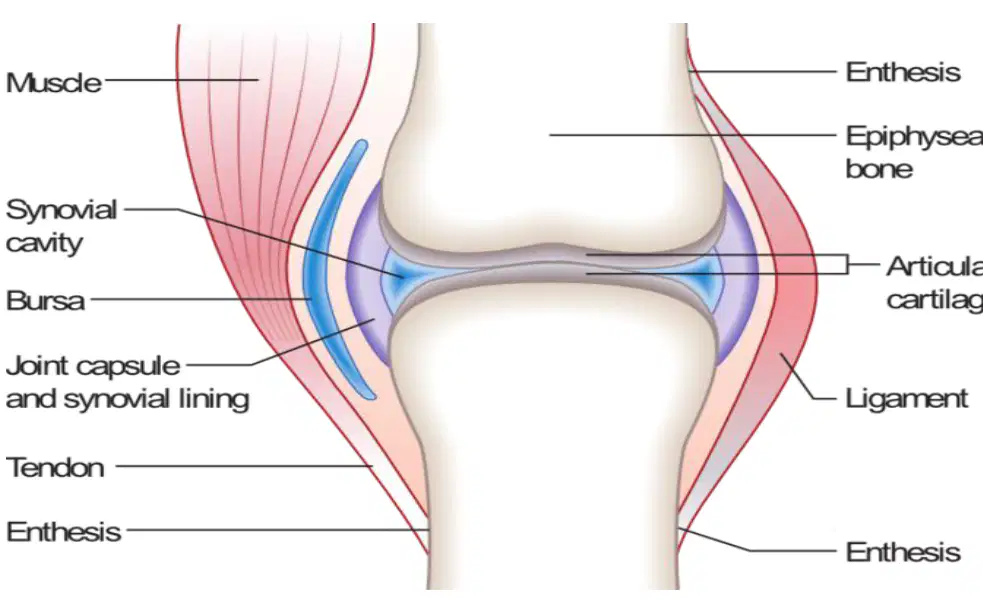
Refer to the diagram of the Synovial Joint Structure. Which part is responsible for connecting muscle to bone?
Ligament
Tendon
Bursa
Articular cartilage
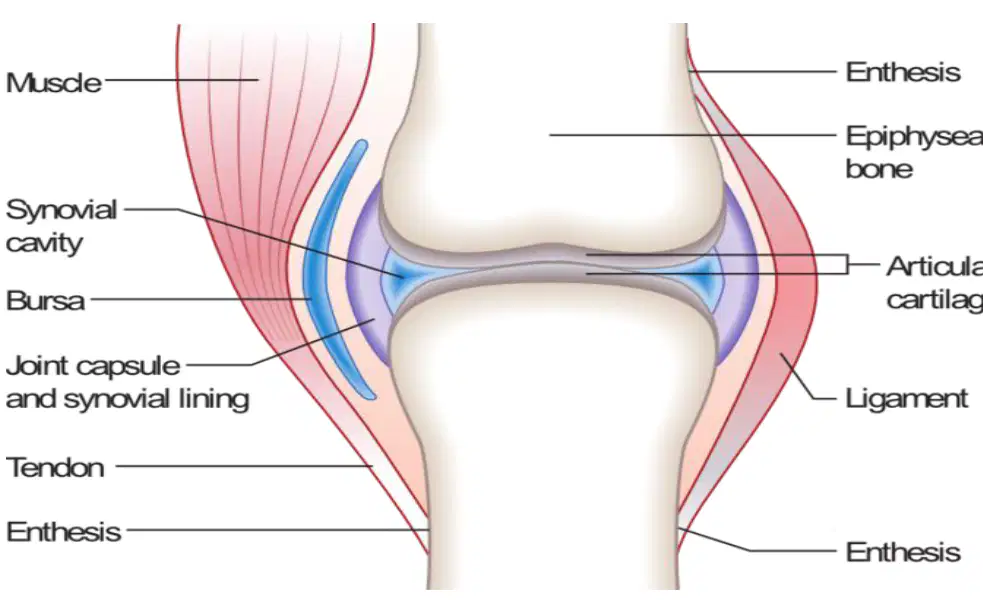
Refer to the diagram of the Synovial Joint Structure. The space within the joint that contains synovial fluid is called the ________.
synovial cavity
articular cartilage
ligament
joint capsule
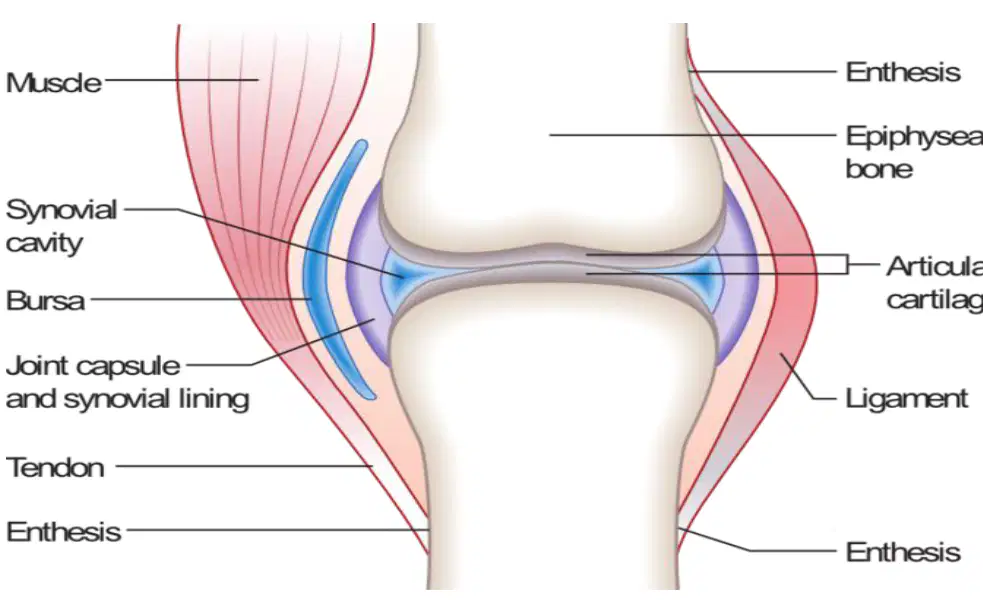
True or False: The joint capsule and synovial lining enclose the synovial cavity.
True
False
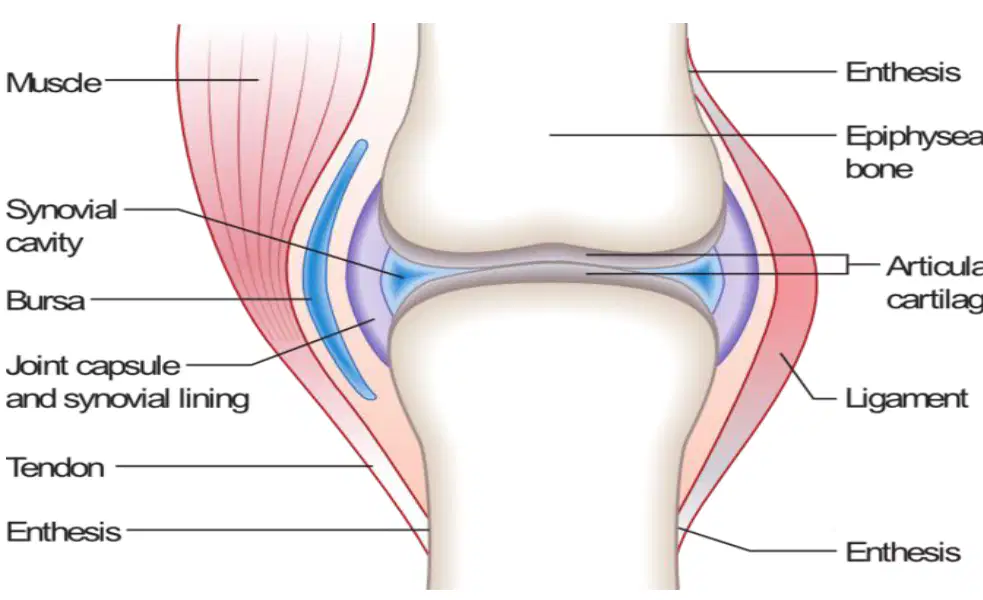
Refer to the diagram of the Synovial Joint Structure. The ________ is the region where a tendon or ligament attaches to the bone.
enthesis
meniscus
synovial membrane
articular cartilage
What is the connective tissue that connects bone to bone, provides stability, attaches articulating bones together, and reduces injury?
Ligament
Tendon
Cartilage
Muscle
Which anatomical structure is described as a shiny, elastic material that acts as a shock absorber, prevents rubbing and friction, prevents injury, and is found on the ends of articulating bones?
Articular Cartilage
Ligament
Tendon
Synovial Membrane
What is the name of the sac that surrounds the articular cavity, holds synovial fluid in place, helps the joint to stay lubricated and in place, and is found in between the synovial cavity and synovial membrane?
Joint Capsule
Meniscus
Ligament
Tendon
What are small fluid filled sacs that cushion the joint, reduce friction, reduce injury, and are found embedded in the synovial membrane called?
Bursa
Ligament
Tendon
Meniscus
Which connective tissue lines the inner surface, secretes synovial fluid, helps the joint to move freely, and is found in between muscle and joint capsule?
Synovial Membrane
Tendon
Ligament
Cartilage
What is the thick liquid that lubricates joints, provides nutrients, removes waste products, and is found in the synovial cavity?
Synovial Fluid
Cerebrospinal Fluid
Plasma
Lymph
What connects bone to muscle and provides stability and strength?
Tendon
Ligament
Cartilage
Nerve
What is flexion? Flexion is a bending movement that ________ the angle between body parts.
decreases
increases
stabilizes
rotates
Which of the following joints can provide flexion?
All of the above
Shoulder
Elbow
Knee
Hip
Give a sporting example of flexion.
A bicep curl in the gym
Standing still
Throwing a javelin
Balancing on one foot
What is extension? Extension is a straightening movement that ________ the angle between body parts.
increases
decreases
rotates
stabilizes
What is adduction?
A lateral movement towards the midline of the body
A movement away from the midline of the body
A rotational movement around a joint
A movement that increases the angle between two body parts
What is abduction?
A lateral movement away from the midline of the body
A movement towards the midline of the body
A rotational movement around a joint
A movement that decreases the angle between two body parts
Which joints can provide adduction?
shoulder, hip, condyloid joint, and ball and socket joint
elbow, knee, and pivot joint
saddle joint, hinge joint, and gliding joint
wrist, ankle, and cartilaginous joint
Which joints can provide abduction?
shoulder, hip, condyloid joint, and ball and socket joint
elbow, knee, and pivot joint
suture, gomphosis, and syndesmosis
hinge joint, saddle joint, and gliding joint
A golfer on the tee swings the club down towards the ball. Is this an example of adduction or abduction?
Adduction
Abduction
What is the definition of circumduction?
A circular motion that allows the greatest range of movement. Circumduction can be provided by the shoulder, hip, pivot joint and ball and socket joint.
A movement that decreases the angle between two body parts.
A movement that increases the angle between two body parts.
A movement that involves only rotation around a single axis.
Which sporting example demonstrates circumduction?
A cricketer bowling a ball.
A footballer kicking a ball.
A tennis player serving a ball.
A basketball player dribbling.
What is the definition of rotation?
A circular motion that occurs when the bone at the joint turns around an axis. Rotation can be provided by the shoulder, hip, pivot joint and ball and socket joint.
A movement that increases the angle between two bones at a joint.
A movement that brings a limb closer to the midline of the body.
A movement that decreases the angle between two bones at a joint.
Which joints can provide both circumduction and rotation?
Shoulder, hip, pivot joint, and ball and socket joint.
Hinge joint, saddle joint, and gliding joint.
Elbow, knee, and interphalangeal joints.
Suture, syndesmosis, and gomphosis joints.
What is Plantarflexion? Plantarflexion is the pointing of the foot ______ from the tibia.
away
towards
above
beneath
What joint provides Plantarflexion? Plantarflexion can be provided by the ______ and hinge joint.
ankle
elbow
shoulder
wrist
Which of the following is a sporting example of Plantarflexion?
A sprinter positions their feet on the starting blocks
A floor gymnast points their toes
A basketball player dribbles the ball
A swimmer breathes in the water
What is Dorsiflexion? Dorsiflexion is the pointing of the foot ______ the tibia.
towards
away from
above
below
What joint provides Dorsiflexion? Dorsiflexion can be provided by the ______ and hinge joint.
ankle
elbow
shoulder
wrist
Which of the following is a sporting example of Dorsiflexion?
A floor gymnast points their toes
A sprinter positions their feet on the starting blocks
A basketball player shoots a basket
A swimmer dives into the pool

