
NEW
Font size
 Worksheets
Upper Respiratory Quiz
Total questions: 23
Worksheet time: 12mins
A nurse positions a client with an active nosebleed. Which position is correct?
Supine with head turned
High-Fowler’s leaning forward
Flat with legs elevated
Side-lying
Which medication may contribute to recurrent epistaxis?
Acetaminophen
Ibuprofen
Cetirizine
Fluticasone
When providing home teaching for epistaxis prevention, which statement requires correction?
I’ll use a humidifier.
I’ll blow my nose gently after bleeding stops.
I’ll avoid aspirin.
I’ll keep my head higher when resting.
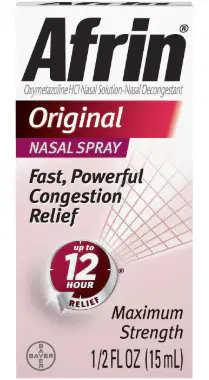
The nurse evaluates teaching for a client using oxymetazoline nasal spray. Which client statement shows understanding?
I’ll use it every 4 hours as needed.
I’ll limit use to 3 days.
It’s safe with my blood-pressure pills.
I can share the bottle with my spouse.
A client with hypertension asks which OTC cold medication is safest.
Pseudoephedrine
Loratadine
Oxymetazoline
Phenylephrine
Which instruction should be included when teaching about intranasal corticosteroids?
Aim spray toward nasal septum.
Stop if you notice mild burning.
Use daily even if you feel better.
Use for immediate relief.
The nurse cares for a client with sinusitis. Which finding best indicates bacterial rather than viral infection?
Watery discharge
Symptoms < 7 days
Fever > 101 °F with purulent drainage > 10 days
Mild pressure only
Which nursing action has highest priority for sinusitis with severe congestion?
Encourage increased fluids
Apply cold compresses
Offer throat lozenges
Provide extra blanket
A client has influenza A for 3 days. Which medication should the nurse question?
Oseltamivir
Acetaminophen
Guaifenesin
Dextromethorphan
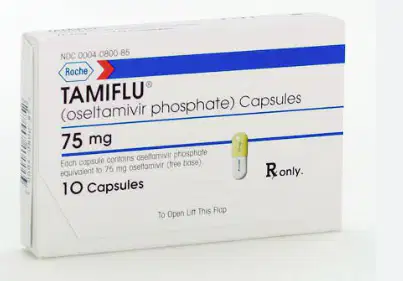
What teaching should accompany oseltamivir therapy?
It replaces the vaccine.
It shortens symptoms if started early.
It cures the infection completely.
I can stop once I feel better.
Which instruction about the influenza vaccine is correct?
It gives lifetime protection.
Antibodies develop in 2 weeks.
Egg allergy means I can’t get it.
It prevents all viral infections.
Which nursing action prevents spread of influenza in hospitalized patients?
Standard precautions only
Airborne isolation
Droplet precautions with mask and gown
Negative-pressure room
The nurse identifies which client as highest risk for flu complications?
24-year-old athlete
48-year-old smoker with DM2
8-year-old vaccinated child
16-year-old with mild asthma on inhaler
For pharyngitis caused by Group A strep, which order should the nurse question?
Amoxicillin PO × 10 days
Throat culture
Aspirin for fever in child
Salt-water gargles
After tonsillectomy, which assessment requires immediate action?
Low-grade fever 99.8°F
Frequent swallowing
Mild sore throat
Drowsiness after anesthesia
Which liquid should be avoided after tonsillectomy?
Apple juice
Red gelatin
Water
Ice chips
Which medication should be given first for a post-tonsillectomy patient reporting pain level 8/10?
Ibuprofen
Aspirin
Acetaminophen
Morphine
A nurse teaches a client with allergic rhinitis about montelukast. Which statement shows understanding?
It will help my nasal swelling immediately.
I should take it once daily at night.
I’ll use it only when my nose is stuffy.
It may make me sleepy, so I’ll drive carefully.
A client with sinusitis reports facial pain and thick drainage. Which order should the nurse implement first?
Administer amoxicillin
Obtain nasal specimen for culture
Apply warm compress
Encourage rest
Which symptom requires immediate reassessment after antihistamine administration?
Mild drowsiness
Dry mouth
Confusion or urinary retention
Nasal dryness
Which holistic action complements pharmacologic therapy for sinusitis?
Cold compress
Steam inhalation and fluids
Which client should avoid pseudoephedrine?
Seasonal allergies only
Hypertension and CAD
Mild sinus headache
Nasal congestion from cold
A PCT is measuring a patient's oxygen saturation, but the patient has artificial nails on. Which of the following is an alternative location for the technician to use to obtain the measurement?
finger
thumb
earlobe
nose

