
 Worksheets
CH4 Skeletal System REVIEW
Total questions: 50
Worksheet time: 25mins
The primary function of the skeletal system that provides shape and internal framework for the body is
protection
support
storage
movement
Which function of the skeletal system occurs in trabecular bone?
protection
storage
blood cell formation
movement
Which mineral stored in bone is essential for muscle contraction and blood clotting?
potassium
calcium
iron
sodium
The ribs protect which organs?
liver and kidneys
heart and lungs
brain and spinal cord
stomach and intestines
Which organ is enclosed by the skull?
Kidneys
Brain
Liver
Lungs
The two main types of bone tissue are:
hard and soft
trabecular and cortical
trabecular and cancellous
cortical and compact

Compact bone is composed of structural units called:
trabeculae
osteons
lacunae
lamellae
The porous network of bone that contains red bone marrow is called:
cortical bone
trabecular bone
medullary cavity
epiphyseal plate
Which type of bone is located primarily in the outer layer of all bones?
cortical
trabecular
cancellous
spongy
The periosteum is important because it:
contains marrow
covers the outer bone surface
stores minerals
lines the medullary cavity
The epiphyseal plate is made of:
fibrocartilage
hyaline cartilage
elastic cartilage
dense connective tissue
Which type of bone marrow is primarily found in the diaphysis of adult long bones?
red
yellow
white
spongy
Which bone region contains red marrow responsible for hematopoiesis?
diaphysis
epiphyses
medullary cavity
periosteum
The axial skeleton includes the:
arms and legs
skull, vertebral column, and thoracic cage
pelvic and pectoral girdles
shoulder and hip
The appendicular skeleton’s primary function is:
protection
support
movement
mineral storage
How many bones make up the axial skeleton?
126
80
206
86
The pectoral girdle consists of the:
ilium and ischium
scapula and clavicle
femur and tibia
radius and ulna
The pelvic girdle includes which bones?
ilium, ischium, pubis
femur, tibia, fibula
humerus, radius, ulna
scapula, clavicle, sternum
The upper arm bone is the:
radius
humerus
ulna
clavicle
Which bones form the vertebral column?
ribs
femur, tibia, fibula
cervical, thoracic, lumbar, sacrum, coccyx
scapula, clavicle
The bone that allows head rotation as in saying “no” is the:
atlas
axis
occipital
mandible
The true ribs attach directly to the:
scapula
sternum
clavicle
thoracic vertebrae only
The joint between teeth and jaw sockets is a:
syndesmosis
suture
gomphosis
synchondrosis
The functional classification of immovable joints is:
amphiarthroses
synarthroses
diarthroses
multiaxial joints
The elbow is an example of a _______ joint.
ball and socket
hinge
pivot
gliding
The atlas and axis form what type of joint?
pivot
hinge
saddle
condyloid
The thumb carpometacarpal joint is what type of synovial joint?
saddle
hinge
pivot
gliding
Which joint type allows the widest range of movement?
condyloid
saddle
ball and socket
gliding
Synovial fluid functions to:
store minerals
lubricate and nourish the joint
attach ligaments
absorb calcium
A student jumping rope uses joints classified as:
synarthroses
diarthroses
amphiarthroses
fibrous joints
Longitudinal bone growth occurs at the:
medullary cavity
periosteum
epiphyseal plate
diaphysis
Appositional growth increases:
bone length
bone thickness
bone density only
marrow volume
Osteoblasts are responsible for:
bone resorption
bone formation
bone maintenance
collagen breakdown
Osteoclasts function to:
deposit minerals
form new bone
resorb bone tissue
maintain bone matrix
The four phases of bone repair begin with:
fibrocartilaginous callus formation
hematoma formation
bony callus formation
remodeling
Which fracture type is caused by twisting forces?
transverse
spiral
compression
impacted
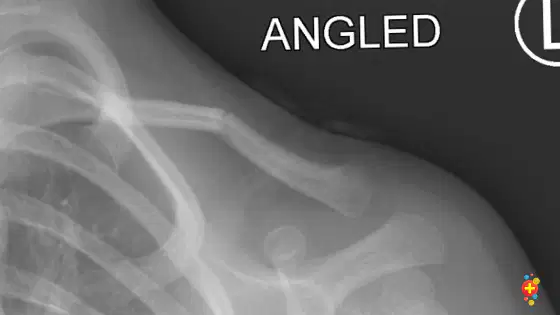
A greenstick fracture is most common in:
infants
children
adults
elderly
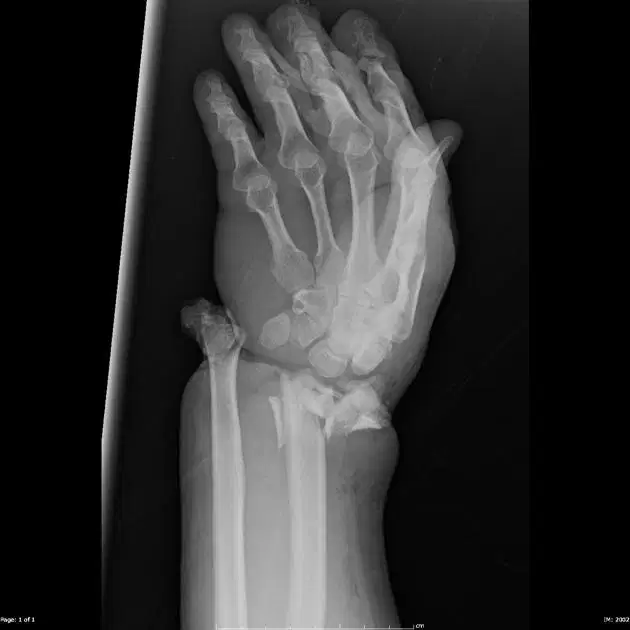
A fracture where bone ends protrude through the skin is:
simple
compound
stress
transverse
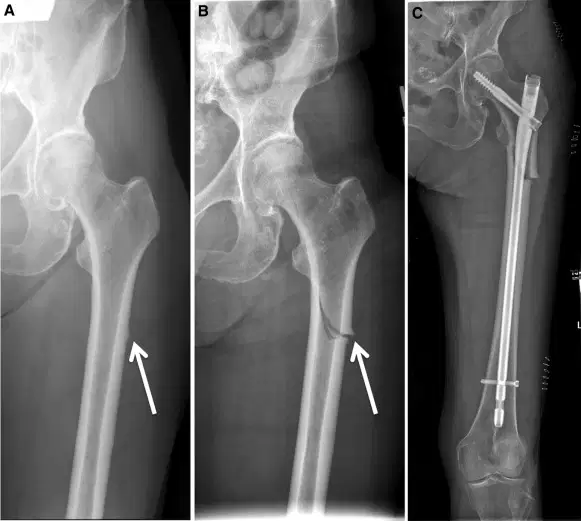
A fracture resulting from weakened bone due to osteoporosis is called:
comminuted
oblique
pathologic
impacted
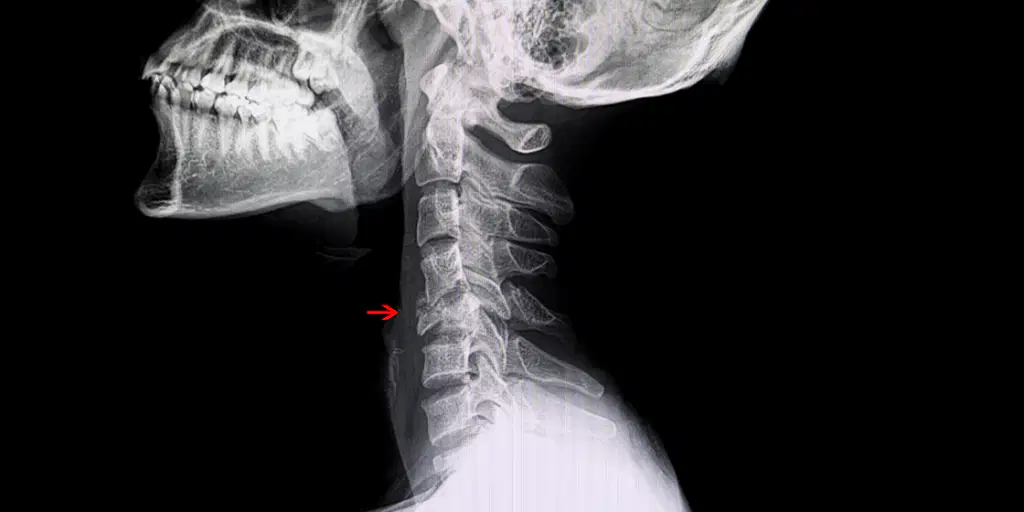
A vertebral compression fracture most likely occurs in:
young athletes
postmenopausal women
children
healthy adults

Scoliosis involves:
excessive forward curvature
lateral curvature of the spine
backward curvature
rotation of the hip
Osteoporosis is characterized by:
increased bone mass
reduced bone mass but normal composition
loss of calcium only
excessive bone flexibility
The most common primary bone cancer in adolescents is:
Ewing’s sarcoma
osteosarcoma
melanoma
chondrosarcoma
A patient with bone cancer complains of pain and swelling. This symptom occurs due to:
nerve compression from tumor growth
increased calcium intake
muscular weakness
joint immobility
Which factor increases the risk of osteoporosis?
high estrogen levels
weight-bearing exercise
low vitamin D intake
excessive calcium intake
During bone repair, which cells form collagen fibers to connect broken bone ends?
osteoblasts
fibroblasts
osteocytes
osteoclasts
Which of the following joints is multi-axial?
knee
shoulder
thumb
ankle
The skull bones are joined by:
symphyses
sutures
synovial membranes
ligaments
The fibula is located in the:
forearm
lower leg
upper arm
spine
Which bone serves as the only bone not directly attached to another bone?
hyoid
mandible
clavicle
occipital

