
 Worksheets
Electrical supply
Total questions: 46
Worksheet time: 23mins
According to the Electricity at Work Regulations B7671, what is the voltage colour for 25V AC operating voltage?
Violet
Blue
Yellow
Red
According to the Electricity at Work Regulations B7671, what is the use for 50V AC operating voltage?
Damp conditions
High voltage transmission lines
Domestic lighting circuits
Industrial motor control
According to the Electricity at Work Regulations B7671, which AC operating voltage is associated with general site voltage?
25V
50V
110V
230V
According to the Electricity at Work Regulations B7671, what is the voltage colour for 230V AC operating voltage?
Blue
Red
Yellow
Green
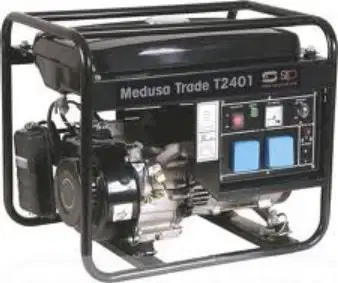
Fill in the blank: One way to provide electricity on a site is to use ________ operated equipment.
battery
manual
solar
wind
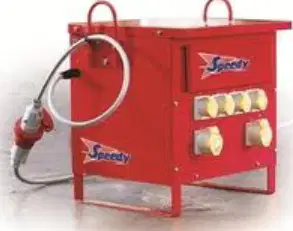
Fill in the blank: A common voltage for single phase AC on a site is ________.
110v
24v
480v
12v
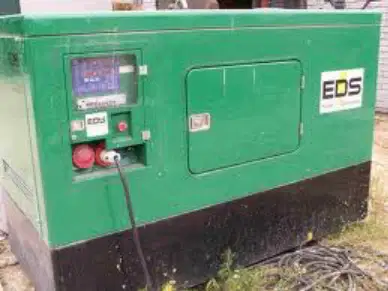
Another voltage option for single phase AC on a site is ________.
230v
415v
110v
12v
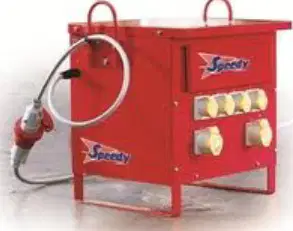
Fill in the blank: To reduce voltage for site electricity, you can use a ________ transformer.
step-down
step-up
isolation
auto
Fill in the blank: When working with brickwork, you should beware of hidden _______.
conduit
paint
tiles
nails
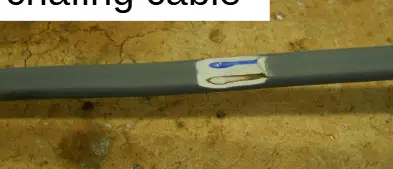
Fill in the blank: You should beware of _______ cable, which can occur when the cable rubs against a surface repeatedly.
chafing
twisting
splicing
fraying
Fill in the blank: Storing cable incorrectly can be hazardous.
True
False

Fill in the blank: You should beware of _______ cable with heated tube, as it can cause melting and damage.
melting
twisted
short
insulated
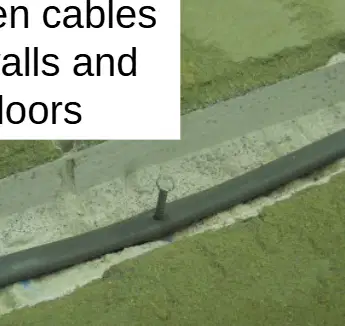
Fill in the blank: You should beware of hidden cables in _______ and _______.
walls, floors
ceilings, windows
doors, cupboards
tables, chairs
Fill in the blank: Exposed _______ can be a serious electrical hazard.
wires
lights
switches
paint

Fill in the blank: Damage to power tool _______ can expose users to electrical hazards.
casing
handle
switch
cord
Fill in the blank: You should beware of cables when _______ as they can be easily damaged.
soldering
painting
measuring
cleaning
Which of the following is an electrical hazard?
Faulty installations
Clean equipment
Proper use
Dry conditions
Fill in the blank: ________ is an electrical hazard related to equipment that does not function properly.
Faulty equipment
Proper wiring
Insulated gloves
Regular maintenance
Which of the following is considered misuse as an electrical hazard?
Using equipment as intended
Using equipment incorrectly
Regular maintenance
Proper installation
Fill in the blank: Trailing, buried, hidden – or cables too close to pipework are examples of ________.
electrical hazards
fire exits
plumbing tools
safety signs
Which of the following is an electrical hazard?
Correct fuse
Incorrect fuse
No fuse
Double fuse
Fill in the blank: ________ can occur when too many devices are plugged into a single socket, creating an electrical hazard.
Overloading sockets
Short circuiting wires
Water leakage
Low voltage
Which of the following is an electrical hazard?
Regular inspection
Neglect
Careful use
Proper storage
Fill in the blank: ________ conditions increase the risk of electrical hazards.
Wet
Dry
Cold
Windy
Should you inspect cables during electrical checks?
True
False
Should you inspect casing during electrical checks?
True
False
Should you inspect lead condition during electrical checks?
True
False
Should you inspect the length of leads during electrical checks?
True
False
Should you use a cable finder during electrical checks?
True
False
Should you take care when lifting floorboards during electrical checks?
True
False
Should you report to supervisor during electrical checks?
True
False
Should you check for a PAT test label during electrical checks?
True
False
Should you check for double insulation during electrical checks?
True
False
Should you check for RCD for 230v during electrical checks?
True
False
What is the first step in electrical safe isolation?
Lock and label
Identify circuit or appliance
Test voltage indicator
Start work.
Fill in the blank: Before isolating an electrical circuit, you should check with the _______.
customer
electrician
supervisor
neighbor
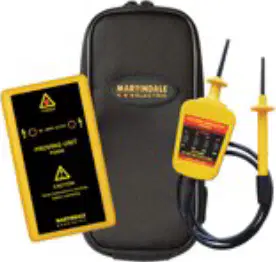
Which device should be selected and tested during electrical safe isolation?
Fuse
Voltage indicator
Safety lock
Label
Fill in the blank: You must prove the circuit is ______ before pulling the fuse or switching off the MCB.
live
off
neutral
safe
What should you do after proving the circuit is live?
Lock and label
Start work
Pull fuse or switch off MCB
Test voltage indicator
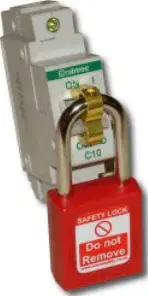
Fill in the blank: After pulling the fuse or switching off the MCB, you should ______ and label.
lock
open
remove
test
What must be proven after locking and labelling the circuit?
Circuit is live
Circuit is dead
Voltage indicator is working
Start work
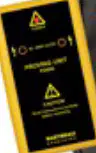
Fill in the blank: After proving the circuit is dead, you should test the ______ indicator.
voltage
current
temperature
pressure
What is the final step in electrical safe isolation?
Lock and label
Start work
Test voltage indicator
Identify circuit or appliance
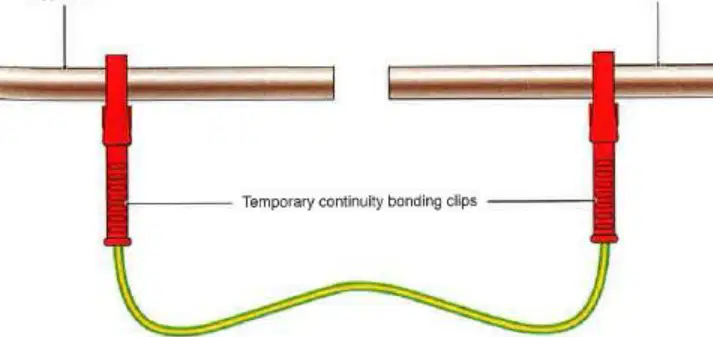
Whenever you cut or remove a section of pipe, what should you always use?
Insulation tape
Temporary continuity bonds
Plastic ties
Rubber gloves
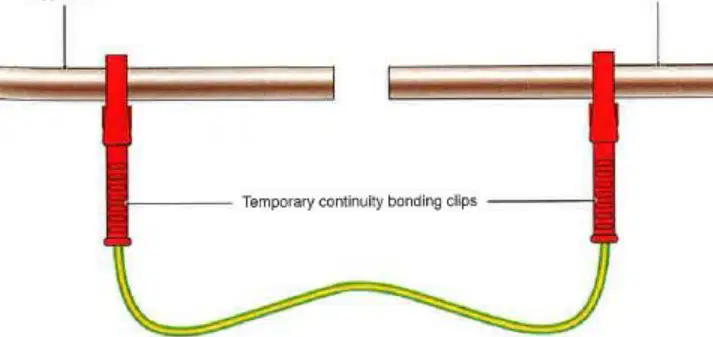
What is the purpose of using two crocodile clips joined with 10mm² earth cable when working with copper pipes?
To hold the pipes together
To prevent electric shocks if there is a fault
To measure the pipe length
To insulate the pipes
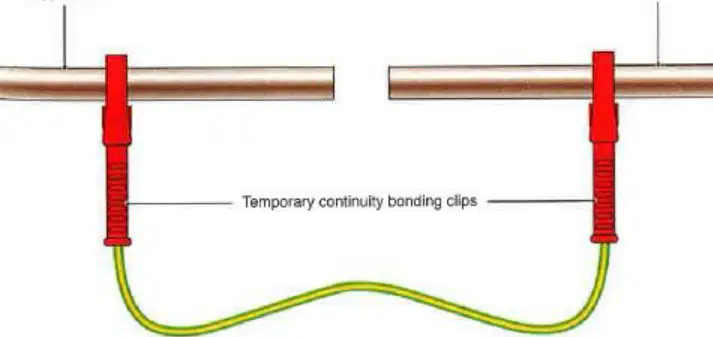
Electrical safety: Fill in the blank. Whenever you cut or remove a section of pipe always use _________
temporary continuity bonds
insulated gloves
plastic ties
copper wire

