
 Worksheets
3.4 Costs and Revenue
Total questions: 58
Worksheet time: 29mins
Which of the following is NOT a type of cost mentioned in the learning material?
Fixed
Variable
Direct
Marginal
What does the acronym "STEEPLE" in the Business Management Toolkit refer to?
Social, Technological, Economic, Environmental, Political, Legal, Ethical
Strategic, Technological, Economic, Environmental, Political, Legal, Ethical
Social, Technological, Economic, Ethical, Political, Legal, Environmental
Social, Technological, Economic, Environmental, Political, Legal, Educational
Which assessment objective is associated with understanding the types of costs and revenue streams in the learning material?
AO1
AO2
AO3
AO4
Which of the following is an example of an indirect cost?
Raw materials
Factory rent
Direct labor
Packaging costs
What is the term used to describe the money businesses spend to earn money?
Revenue
Costs
Profit
Savings
What does "set-up costs" refer to in a business context?
The ongoing costs of running the business
The expenditure needed to start a business
The profit earned by the business
The revenue generated by the business
What are "running costs" in a business?
The costs of producing a good or service
The costs of marketing a product
The ongoing costs of running the business
The costs of hiring employees
Which of the following is an example of a start-up cost for a clothing shop?
Utility bills (e.g., electricity and telephone lines)
Packaging materials (e.g., carrier bags)
Rental deposit for premises
Wages and salaries
What type of cost is "Repairs and maintenance costs" for a clothing shop?
Start-up cost
Running cost
Both start-up and running cost
Neither start-up nor running cost
Which of the following costs is classified as a running cost for a clothing shop?
Fixtures and fittings (e.g., change rooms, signage, counters, and shelving)
Initial stock of supplies (inventories)
Replenishing stocks from suppliers
Renovation of premises

Which of the following is an example of a start-up cost for a clothing shop?
Marketing costs (e.g., in-store promotions)
Legal and professional fees
Repairs and maintenance costs
Utility bills (e.g., electricity and telephone lines)
What is the classification of "Wages and salaries" in the context of costs for a clothing shop?
Start-up cost
Running cost
Both start-up and running cost
Neither start-up nor running cost
Which of the following is NOT a type of cost mentioned in the learning material?
Fixed
Variable
Direct
Marginal
What type of cost remains constant regardless of the level of production or sales?
Fixed
Variable
Direct
Indirect/Overhead
Which type of cost changes with the level of production or sales?
Fixed
Variable
Direct
Indirect/Overhead
Which type of cost can be directly attributed to a specific product or service?
Fixed
Variable
Direct
Indirect/Overhead
What is another term used for indirect costs?
Fixed costs
Overhead costs
Variable costs
Direct costs
What are fixed costs in the context of business management?
Costs that vary with the level of production or sales
Costs that a business must pay regardless of how much it produces or sells
Costs that are only incurred when there is output
Costs that decrease as production increases
Which of the following statements about fixed costs is true?
Fixed costs are only paid when there is output
Fixed costs decrease as production increases
Fixed costs must be paid even if there is no output
Fixed costs are represented by a downward-sloping line on a graph
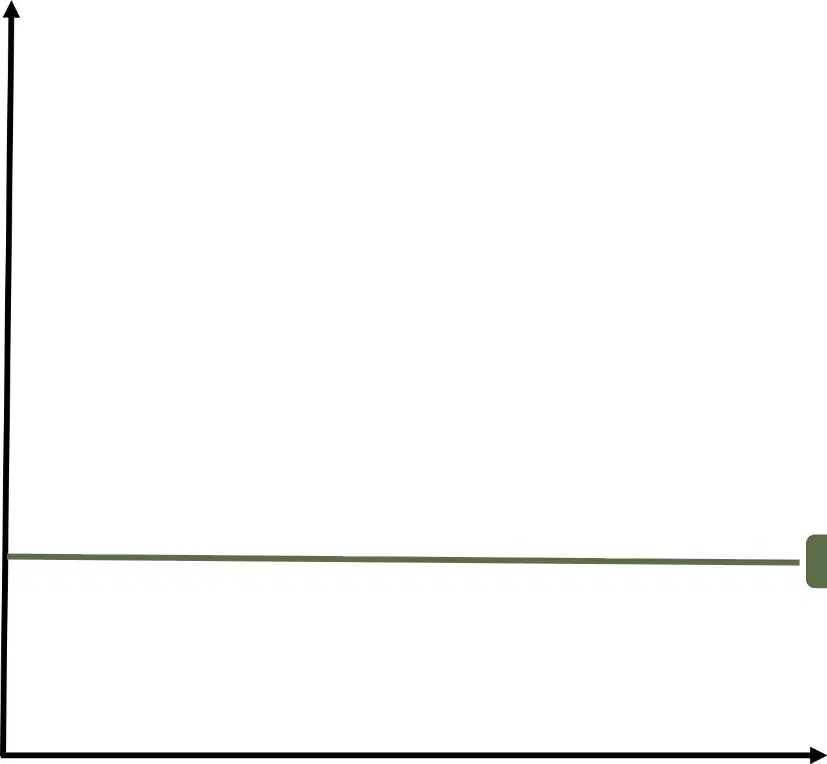
What does the graph of total fixed costs (TFC) typically look like?
A horizontal line
A vertical line
A downward-sloping line
An upward-sloping line
Which of the following is an example of a fixed cost in business management?
Raw materials
Rent on leased premises
Commission for sales staff
Utility bills based on usage
Which of the following is NOT an example of a fixed cost?
Market research
Advertising expenditure
Interest payments on bank loans
Cost of raw materials
What type of cost is associated with management salaries in a business?
Variable cost
Fixed cost
Semi-variable cost
Marginal cost
Security expenses in a business are categorized as:
Fixed costs
Variable costs
Semi-variable costs
Direct costs
What are variable costs in production?
Costs that remain constant regardless of output level.
Costs of production that change in proportion to the level of output.
Costs that are fixed at $5,000.
Costs that only occur when output is zero.
What happens to total variable costs when output is zero?
Total variable costs are $5,000.
Total variable costs are infinite.
Total variable costs are zero.
Total variable costs remain constant.
What does the graph in the image represent?
Total fixed costs and total variable costs.
Total revenue and total costs.
Total profit and total loss.
Total costs and total sales.
Which of the following is an example of a variable cost in business management?
Rent for office space
Raw materials
Insurance premiums
Loan repayments
What type of cost is associated with commission payments to staff in business management?
Fixed cost
Variable cost
Sunk cost
Opportunity cost
Which of the following is NOT an example of a variable cost?
Packaging
Utilities
Repair and maintenance
Property taxes
Why are wages considered a variable cost in business management?
They remain constant regardless of production levels.
They fluctuate based on the number of hours worked or production levels.
They are paid annually and do not change.
They are unrelated to business operations.
What is the formula to calculate total costs in a business?
Total costs = Total fixed costs - Total variable costs
Total costs = Total fixed costs + Total variable costs
Total costs = Total fixed costs x Total variable costs
Total costs = Total fixed costs ÷ Total variable costs
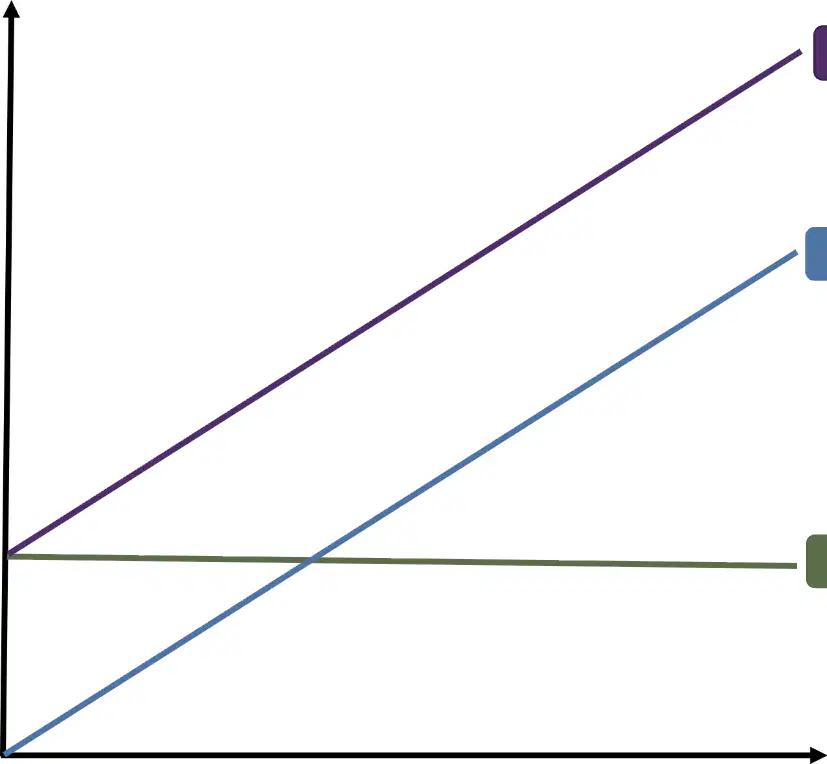
What does the graph represent in the context of business management?
The relationship between revenue and profit
The relationship between costs and revenue
The relationship between total costs, total variable costs, and total fixed costs
The relationship between output and revenue

In the graph, what does the horizontal line labeled 'TFC' represent?
Total Fixed Costs
Total Variable Costs
Total Costs
Total Revenue

What is the significance of the point where the 'TVC' line starts on the graph?
It represents the total costs at zero output.
It represents the total fixed costs at zero output.
It represents the total variable costs at zero output.
It represents the total revenue at zero output.
What are direct costs?
Costs that cannot be clearly traced to the production or sale of any single product.
Costs specifically related to an individual project or the output of a particular product.
Costs that are always fixed.
Costs that are difficult to identify with a particular business activity.
Which of the following is true about indirect/overhead costs?
They are always variable costs.
They are specifically related to an individual project.
They cannot be clearly traced to the production or sale of any single product.
They are easy to identify with a particular business activity.
What is a typical characteristic of direct costs?
They are always fixed costs.
They are typically variable costs.
They are difficult to identify with a particular business activity.
They cannot be traced to the production of a single product.
How do indirect/overhead costs differ from fixed costs?
Overheads are always variable costs.
Overheads are easy to identify with a specific business activity.
Overheads are difficult to identify with a particular business activity.
Overheads are always related to the output of a particular product.
Which of the following costs is classified as both "Fixed" and "Direct" for a coffee house?
Rent for premises
Advertising costs
Wages for baristas
Utilities
What type of cost are "Wages for baristas" in a coffee house?
Fixed and Direct
Variable and Direct
Fixed and Indirect
Variable and Indirect
Which of the following is an example of a "Fixed" and "Indirect" cost in a coffee house?
Legal expenses
Utilities
Raw materials
Wages for baristas
Raw materials (e.g., coffee beans, milk, paper cups) are classified as:
Fixed and Direct
Variable and Direct
Fixed and Indirect
Variable and Indirect
Which cost is classified as "Fixed" and "Indirect" in the context of a coffee house?
Salaries for administrative staff
Utilities
Rent for premises
Raw materials
What is the formula for calculating sales revenue?
Sales revenue = Price + Quantity sold
Sales revenue = Price × Quantity sold
Sales revenue = Price ÷ Quantity sold
Sales revenue = Price - Quantity sold
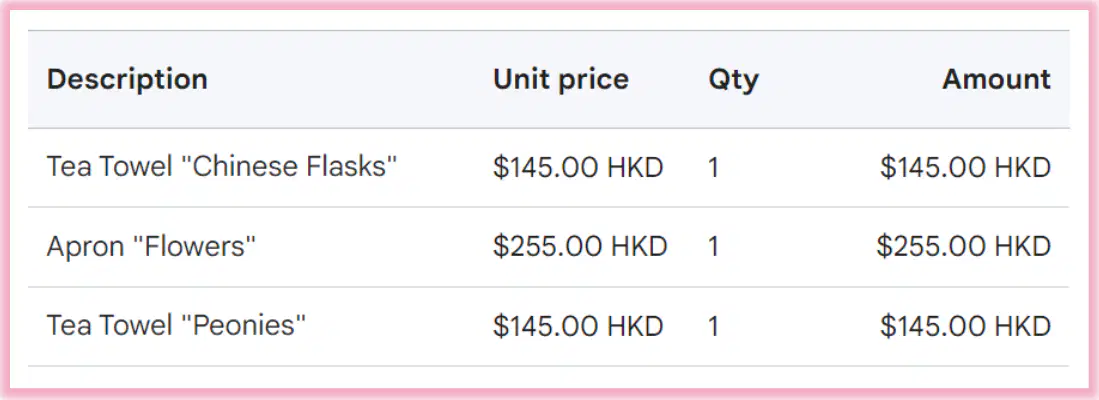
What is the total sales revenue for the given order in the table?
$445 HKD
$545 HKD
$645 HKD
$745 HKD
Which of the following best defines revenue in a business context?
The total cost of goods sold by a business
The money coming into a business from selling goods and/or services
The profit earned after deducting expenses
The total number of products sold by a business
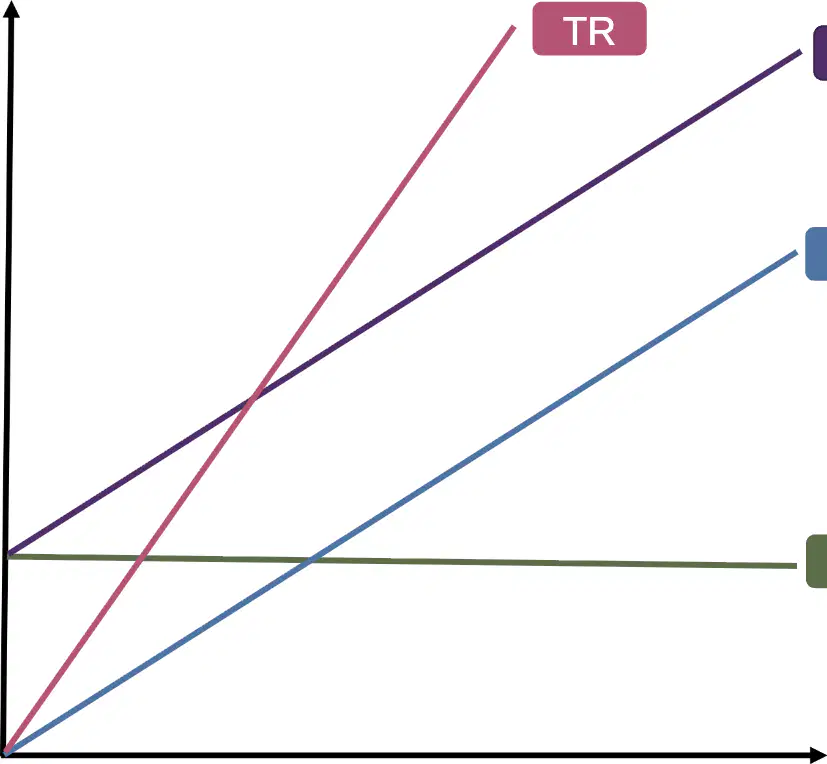
What does the graph represent in the context of business management?
Total revenue and costs plotted against time
Total revenue and costs plotted against output
Total revenue and costs plotted against profit
Total revenue and costs plotted against expenses
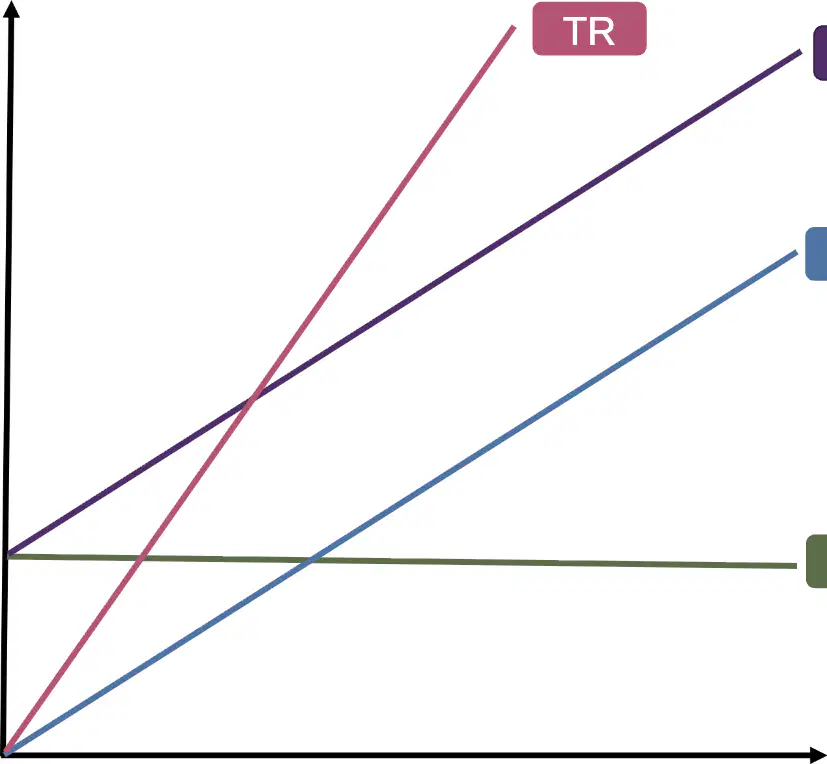
Which line on the graph represents Total Fixed Cost (TFC)?
The upward-sloping red line
The horizontal green line
The upward-sloping blue line
The upward-sloping purple line
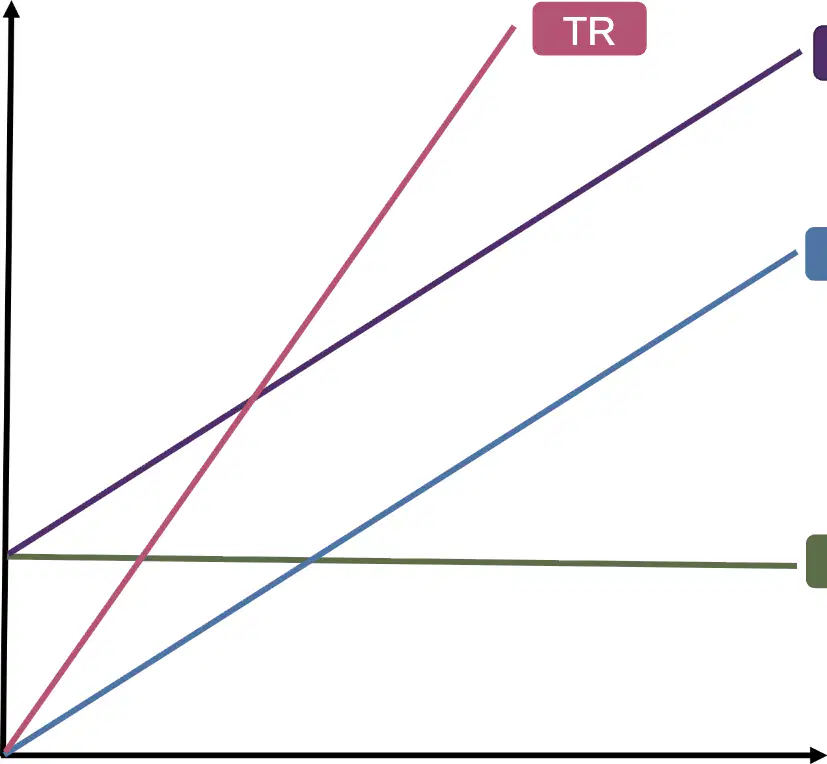
What does the upward-sloping red line labeled "TR" represent in the graph?
Total Cost
Total Revenue
Total Variable Cost
Total Fixed Cost
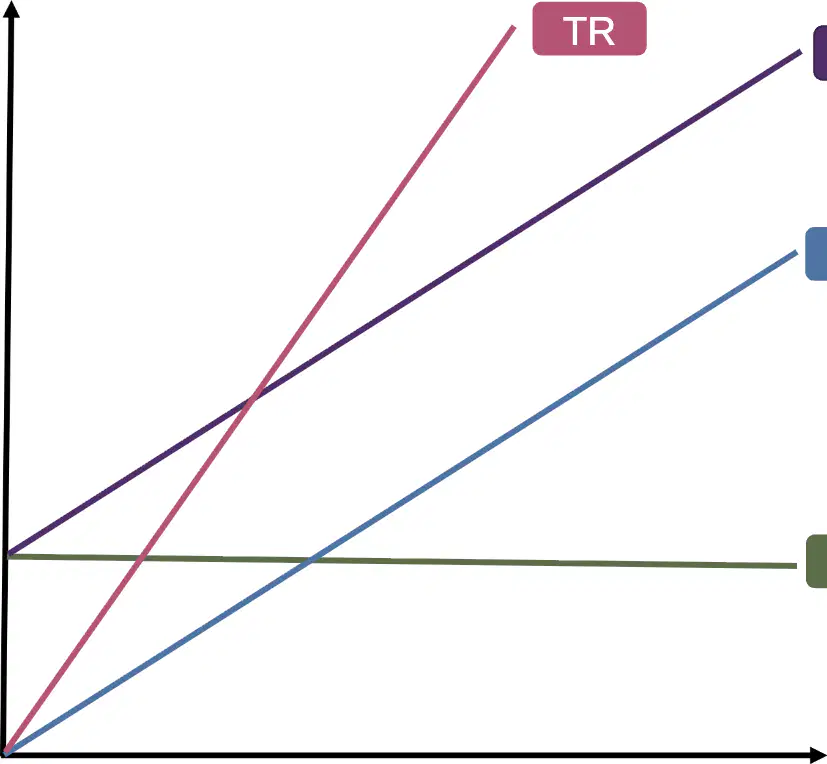
At what value does the Total Fixed Cost (TFC) line remain constant on the graph?
$0
$5,000
$10,000
$15,000
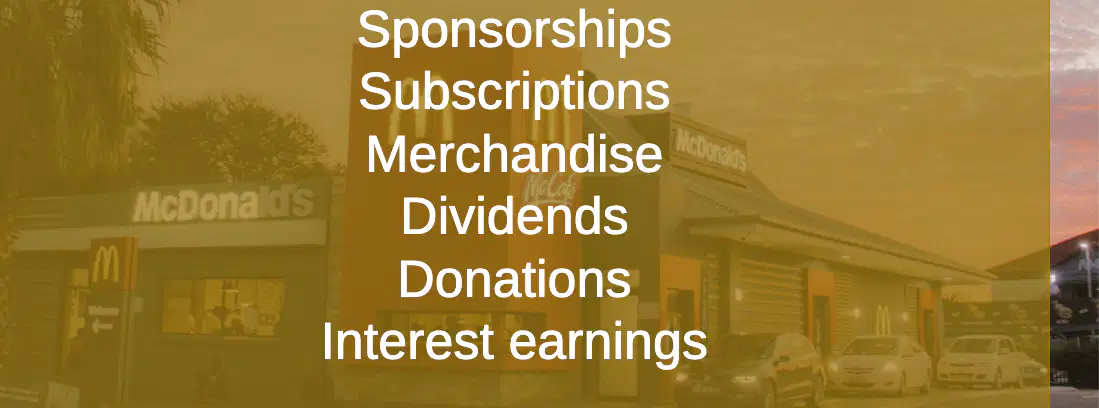
What is the term used to describe money coming into a firm from means other than sales revenue?
Revenue streams
Sales revenue
Profit margin
Operating costs
Which of the following is an example of a revenue stream?
Advertising
Employee salaries
Office rent
Utility bills
Which of the following is NOT an example of a revenue stream?
Sponsorships
Subscriptions
Dividends
Inventory costs
What type of revenue stream involves earning money from lending funds or investments?
Interest earnings
Merchandise sales
Transaction fees
Sponsorships

What is an example of a revenue stream for a theme park like Disneyland, other than selling park tickets?
Selling food, drinks, and branded merchandise
Offering free rides
Providing free parking
Giving away promotional items
Which of the following is NOT mentioned as a revenue stream for Disneyland in the provided material?
Selling park tickets
Selling food and drinks
Selling Disney branded merchandise
Offering free entry to the park
What activity is suggested in the learning material for brainstorming revenue streams for a business?
Working in pairs to decide on a business type and suggest revenue streams
Writing an essay about successful businesses
Creating a financial report for a business
Researching famous entrepreneurs

