Wayground logo

Free Printable Worksheets

Font size

S
M
L
XL
Worksheets

FN Unit 3 Review 25/26

Total questions: 109

Worksheet time: 55mins

Name
Class
Date
1.
How are dietary minerals classified?
a)
Major & Trace
b)
Water Soluble & Fat Soluble
c)
Prevalent & Scarce
d)
Hard and Soft
2.
What is an electrolyte?
a)
Chemical particles that maintain/retain fluid and aids in muscle contraction
b)
Organic substances required for normal cell function, growth, and development
c)
Protect cells from damage caused by substances called free radicals
d)
Unstable molecules that can damage DNA, proteins, and cell membranes
3.
Where do we store minerals and what is the common way we get rid of any excess?
a)
Body Structure & Urine
b)
Body Structure & Sweat
c)
Blood Stream & Sweat
d)
Blood Stream & Urine
4.
What is an antioxidant?
a)
Protect cells from damage caused by substances called free radicals
b)
Chemical particles that maintain/retain fluid and aids in muscle contraction
c)
Organic substances required for normal cell function, growth, and development
d)
Unstable molecules that can damage DNA, proteins, and cell membranes
5.
Which mineral controls the thyroid, can cause goiters if deficient and is commonly added to salt?
a)
Iodine
b)
Iron
c)
Manganese
d)
Selenium
6.
Which mineral is found in municipal water sources, remineralises teeth, and can cause cavities if deficient?
a)
Fluoride
b)
Copper
c)
Zinc
d)
Calcium
7.
Which mineral if deficient is the #1 cause of anemia, can decrease zinc if over consumed, and is crucial for growth and development?
a)
Iron
b)
Phosphorus
c)
Potassium
d)
Selenium
8.
Which mineral do we have the most of in our body, forms bones, and can cause kidney stones if overconsumed?
a)
Calcium
b)
Sodium Chloride
c)
Magnesium
d)
Potassium
9.
Which mineral makes up 1% of a person's body weight, helps make molecule ATP to store energy, and if deficient can cause confusion?
a)
Phosphorus
b)
Selenium
c)
Zinc
d)
Magnesium
10.
Which mineral do we need in higher doses, is an electrolyte, can cause hyponatremia if deficient and hypertension/high blood pressure if over consumed?
a)
Sodium Chloride
b)
Calcium
c)
Magnesium
d)
Potassium
11.
Which mineral is an electrolyte that helps maintain a regular heart rate, can cause difficulty breathing if deficient, and is eliminated through urination if overconsumed?
a)
Potassium
b)
Phosphorus
c)
Zinc
d)
Maganese
12.
Which mineral regulates blood sugar & blood pressure, can cause kidneys to hault urine production if deficient, and if over consumed is expelled through urine?
a)
Magnesium
b)
Potassium
c)
Calcium
d)
Sodium Chloride
13.
Which mineral is needed for our sense of smell/taste, can cause loss of hair if deficient, and can cause copper deficientcy if overconsumed?
a)
Zinc
b)
Copper
c)
Selenium
d)
Fluoride
14.
Which mineral creates connective tissues & blood vessels, can cause high levels of cholesterol in the blood if deficient, and liver damage if over consumed?
a)
Copper
b)
Selenium
c)
Calcium
d)
Phosphorus
15.
Which mineral makes antioxidants, if deficent in, can worses iodine deficientcies, and can cause garlic breath if over consumed?
a)
Selenium
b)
Iodine
c)
Iron
d)
Sodium Chloride
16.
Which mineral is vital for reproductive hormones, causis loss of hair color in men if deficient, and can cause hearing problems if overconsumed?
a)
Manganese
b)
Magnesium
c)
Zinc
d)
Iron
17.
Which minerals do we need in higher doses?
a)
Calcium, Phosphorus, Potassium, Sodium Chloride, & Magnesium
b)
Phosphorus, Manganese, Fluoride, Iron, Zinc, Iodine, & Copper
c)
Iron, Zinc, Iodine, Fluoride, Copper, Selenium, & Manganese
d)
Selenium, Calcium, Magnesium. Potassium, & Sodium Chloride
18.
Which minerals do we need in smaller doses?
a)
Iron, Zinc, Iodine, Fluoride, Copper, Selenium, & Manganese
b)
Selenium, Calcium, Magnesium. Potassium, & Sodium Chloride
c)
Phosphorus, Manganese, Fluoride, Iron, Zinc, Iodine, & Copper
d)
Calcium, Phosphorus, Potassium, Sodium Chloride, & Magnesium
19.
How are vitamins classified?
a)
Water Soluble & Fat Soluble
b)
Prevalent & Scarce
c)
Major & Trace
d)
Essential & Non-Essential
20.
Which vitamins are antioxidants?
a)
A,C, & E
b)
All B Vitamins
c)
A, D, E, & K
d)
Vitamin C and All B vitamins
21.
Which vitamins are you most likely to have build up to toxic levels as they are stored in the body?
a)
A, D, E, & K
b)
A,C, & E
c)
All B Vitamins
d)
Vitamin C and All B vitamins
22.
Whic vitamins are we more likely to be deficient in?
a)
Vitamin C and All B vitamins
b)
A, D, E, & K
c)
A,C, & E
d)
All B Vitamins
23.
Which vitamins release energy from macronutrients?
a)
All B Vitamins
b)
A, D, E, & K
c)
Vitamin C and All B vitamins
d)
A, C, & E
24.
Which vitamin comes in the form of beta-carotenes/retinyl, commonly found in orange colored produce, and if deficient can cause night blindness?
a)
Vitamin A
b)
Biotin
c)
Vitamin C
d)
Niacin
25.
Which vitamin is needed to reduce neural tube damage, helps produce DNA, and if deficient can cause birth defects?
a)
Folate
b)
Niacin
c)
Vitamin B1
d)
Vitamin D
26.
Which vitamin is needed for normal blood clotting, if deficient can cause hemorrhage, and if overconsumed, can cause jaundice?
a)
Vitamin K
b)
Vitamin B2
c)
Vitamin B6
d)
Vitamin D
27.
Which vitamin is found in citrus fruits, aids in the immune system, and prevents bleeding gums & gingivitis?
a)
Vitamin C
b)
Pantothenic Acid
c)
Biotin
d)
Vitamin K
28.
Whic vitamin helps the body absorb calcium & phosphorus, can cause bone disorderes if deficient and if over consumed can cause calcium deposits into soft tissues?
a)
Vitamin D
b)
Vitamin B12
c)
Pantothenic Acid
d)
Biotin
29.
What vitamin is an antioxidant, can cause neurological problems if deficient, and can increase risk of bleeding in the brain if over consumed?
a)
Vitamin E
b)
Vitamin B6
c)
Biotin
d)
Vitamin C
30.
Which vitamin is essential for metabolizing pyruvate, assists in making ATP to store energy, and if deficient can cause Beriberi?
a)
Vitamin B1
b)
Pantothenic Acid
c)
Folate
d)
Vitamin D
31.
What vitamin eases stress, minimises nerve inflamation, and if deficient can cause migranes & cataracts?
a)
Vitamin B2
b)
Vitamin B6
c)
Vitamin B12
d)
Vitamin B1
32.
Which vitamin helps make keratin, regulates blood sugar, and if decifiant, can cause Scaly, red rashes especially around the eyes, nose and mouth?
a)
Biotin
b)
Niacin
c)
Folate
d)
Pantothenic Acid
33.
Which vitamin helps create antibodies, synthesises non-essential amino acids, and if deficient, can cause peripheral neuropathy?
a)
Vitamin B6
b)
Vitamin A
c)
Vitamin B2
d)
Vitamin B1
34.
Which vitamin helps with the digestive system, hydrates, reduces reddness & protects our skin, and if deficient can cause pellegra?
a)
Niacin
b)
Folate
c)
Biotin
d)
Vitamin K
35.
Which vitamin is necessary for producint hormones, is rewuired to make & digest fatty acids, and if deficient can cause burning feet syndrome?
a)
Pantothenic Acid
b)
Vitamin C
c)
Vitamin E
d)
Folate
36.
Which vitamin maintains our nervous system, helps form red blood cells, and if deficient can cause loss of balance & numbness or tingling in arms & legs?
a)
Vitamin B12
b)
Vitamin B1
c)
Vitamin D
d)
Niacin
37.
All of the following are TRUE about vitamins EXCEPT…
a)
Vitamins are INORGANIC substances required for normal cell function, growth, and development.
b)
There are THIRTEEN essential vitamins
c)
Vitamins DON'T give us energy
d)
Most deficientcies are RARE overall
38.
What is the likely cause of over consumption of both Vitamins & Minerals?
a)
Using suppliments
b)
Vaccines
c)
Red meats
d)
Processed foods
39.
How long can humans survive without consuming water?
a)
2-3 Days
b)
2-3 Weeks
c)
6-7 Days
d)
6-7 Weeks
40.
Water in food makes up what portion of our water intake?
a)

1 / 5

b)

1 / 10

c)

1 / 2

d)

1 / 3

41.
How much water do we lose on a daily basis?
a)
2-3 qt
b)
2-3 c
c)
2-3 pt
d)
2-3 gal
42.
What percent of water on Earth is readily accessible, drinkable water?
a)
<1%
b)

97%

c)

55%

d)

45%

43.
What percent of bottled water is sourced from municipalities (tap water)?
a)

45%

b)

55%

c)

97%

d)
<1%
44.
Which industry regulates Michigan’s drinking water?
a)
Department of Environment, Great Lakes, and Energy (EAGLE)
b)
Licensing and Regulatory Affairs (LARA)
c)
Department of Natural Resources (DNR)
d)
Michigan Department of Health & Human Services (MDHHS)
45.
What government agency regulates manicipal water (tap water) across the US?
a)
The Environmental Protection Agency (EPA)
b)
Food and Drug Administration (FDA)
c)
United States Department of Agriculture (USDA)
d)
Department of Environment, Great Lakes, and Energy (EAGLE)
46.
What government agency regulates bottled water across the US?
a)
Food and Drug Administration (FDA)
b)
The Environmental Protection Agency (EPA)
c)
Department of Environment, Great Lakes, and Energy (EAGLE)
d)
United States Department of Agriculture (USDA)
47.
Which type of water is defined as: Likely just tap water treated through methods like reverse osmosis or distillation to remove impurities.
a)
Purified Water
b)
Well Water
c)
Distilled Water
d)
Spring Water
48.
Which type of water is defined as: Sourced from natural springs, this water flows to the surface from underground aquifers?
a)
Spring Water
b)
Purified Water
c)
Alkaline Water
d)
Distilled Water
49.
Which type of water is defined as: Forms when water, both surface and groundwater, absorbs high levels of dissolved minerals as it travels through mineral-rich terrain?
a)
Hard Water
b)
Mineral Water
c)
Sparkling Water
d)
Artesian Water
50.
Which type of water is defined as: Drilled and pumped from an underground aquifer, usually on private property when city water in out of range?
a)
Well Water
b)
Hard Water
c)
Sparkling Water
d)
Artesian water
51.
Which type of water is defined as: From an aquifer that is naturally pressurized and flows to the Earth’s surface with no pump needed?
a)
Artesian
b)
Alkaline Water
c)
Flavored Water
d)
Spring Water
52.
Which type of water is defined as: Water that has been boiled and condensed, removing almost all impurities?
a)
Distilled Water
b)
Sparlking Water
c)
Purified Water
d)
Well Water
53.
Our bodies are made up of what percent range of water on a daily basis?
a)
55%-75%
b)
15%-35%
c)
35%-55%
d)
75%-95%
54.
What are the 4 common ways water exits our body?
a)
Urine, Feces, Perspiration, & Exhaling
b)
Perspiration, Exhaling, Crying, & Spit
c)
Feces, Exhaling, Spit, & Urine
d)
Urine, Crying, Preparation, & Spit
55.
All of the following are TRUE facts related to UNDERconsuming water EXCEPT…
a)
Airways will EXPAND and other systems of the body will slowly shut down
b)
The brain will SHRINK and have to work harder to function
c)
Caffeine, Sodium and Protein can contribute to DEHYDRATION if eaten in excess
d)
Aquaporins are special channels that enable the BLOOD to retain more water
56.
All of the following are TRUE facts related to OVERconsuming water EXCEPT…
a)
Kidneys can only process 2-3 GAL an hour
b)
The brain will SWELL and can cause headaches
c)
Most often happens during intense physical exertion or those with KIDNEY issues
d)
Dilutes SODIUM in the blood
57.
All of the following are ways to set up your work area when working with a knife EXCEPT…
a)
Use a damp paper towel to grip your foods to prevent slippage
b)
Set up bowls for waste/useable products
c)
Stabilize the cutting board by placing a damp paper towel under it
d)
Sanitize your work area
58.
Which knife cut technique involves rocking the knife up and down and cross side to side over the ingredient pile?
a)
Cross Chop
b)
Slice
c)
Rock Chop
d)
Back Slice
59.
Which knife cut technique involves the tip of the blade remaining on the cutting board surface, and the heel of the knife moving up and down to cut through foods?
a)
Rock Chop
b)
Cross Chop
c)
Slice
d)
Back Slice
60.
Which knife cut technique uses a forward wave like motion where the tip of the knife would start on the cutting board with the heel of the knife in the air, then using a downward and forward motion to cut foods to size?
a)
Slice
b)
Back Slice
c)
Rock Chop
d)
Cross Chop
61.
Which knife cut technique uses a motion where the tip of the blade is on the cutting board surface, the center of the cutting edge or the heel would start into the food. Using a downward and pulling motion, you draw the blade through the food heel to tip, towards yourself?
a)
Back slice
b)
Slice
c)
Rock Chop
d)
Cross Chop
62.
How many oz of water would be personally reccomened for a 130lb person?
a)
65 oz
b)
130 oz
c)
32.5 oz
d)
125 oz
63.
How many oz of water would be personally reccomened for a 250 lb person?
a)
125 oz
b)
65 oz
c)
250 oz
d)
62.5 oz
64.
How many oz of water would be personally reccomened for a 150 lb person?
a)
75 oz
b)
37.5 oz
c)
150 oz
d)
65 oz
65.
Which function of water is what helps you feel energized?
a)
Transports nutrients through the body
b)
Regulates body temperature
c)
Moistens tissues, organs, bones, & everything else
d)
Aids in chemical reactions throughout the body
66.
Which function of water is why water assits with Cognitive function, digestion, maintain blood flow, etc?
a)
Aids in chemical reactions throughout the body
b)
Moistens tissues, organs, bones, & everything else
c)
Regulates body temperature
d)
Aids in breathing
67.
Which function of water is part of the reason we sweat and why our bodies are 98.6°F?
a)
Regulates body temperature
b)
Aids in chemical reactions throughout the body
c)
Aids in breathing
d)
Waste Removal
68.
Which function of water is why our bodies provide a cushion for your joints, spine, and organs to protect them?
a)
Moistens tissues, organs, bones, & everything else
b)
Transports nutrients through the body
c)
Aids in chemical reactions throughout the body
d)
Waste Removal
69.
Which function of water allows us to intake water in humid environments and also a way water exits the body?
a)
Aids in breathing
b)
Regulates body temperature
c)
Transports nutrients through the body
d)
Aids in chemical reactions throughout the body
70.
Which function of water helps filter out toxins and pollutants from the body?
a)
Waste Removal
b)
Aids in breathing
c)
Regulates body temperature
d)
Transports nutrients through the body
71.

All of the following parts of the blade are part of the cutting edge of a knife EXCEPT…

a)

Point

b)

Tip

c)

Spine

d)

Heel

72.

Which style of knife is best for cutting small garnishes?

a)

Utility Knife

b)

Paring Knife

c)

Chef’s Knife

d)

Santoku Knife

73.

What is Nappé ?

a)

When starches are combined with a hot liquid, they absorb

liquid

b)

When a sauce is thick enough to coat the back of a spoon

c)

A mixture of equal parts flour and fat

d)

A mixture of cold liquid and starch

74.

What is a Slurry?

a)

When starches are combined with a hot liquid, they absorb

liquid

b)

When a sauce is thick enough to coat the back of a spoon

c)

A mixture of equal parts flour and fat

d)

A mixture of cold liquid and starch

75.

What is a Roux?

a)

When starches are combined with a hot liquid, they absorb

liquid

b)

When a sauce is thick enough to coat the back of a spoon

c)

A mixture of equal parts flour and fat

d)

A mixture of cold liquid and starch

76.

What type of knife is best for cutting tomatoes and bread?

a)

Paring knife

b)

Chef's Knife

c)

Serrated Knife

d)

Santoku

77.

What type of knife is best for chopping onions and julienning carrots?

a)

Paring knife

b)

Chef's Knife

c)

Serrated Knife

d)

Santoku

78.

Which knife has a drop point tip for added precision and is used to slice, dice and chop?

a)

Paring knife

b)

Chef's Knife

c)

Serrated Knife

d)

Santoku

79.

To cook or brown by exposure to direct, intense radiant heat

a)

Bake

b)

Brown

c)

Broil

d)

Sear

80.

To gently mix a delicate mixture into a heavier one usually with a rubber spatula.

a)

Knead

b)

Fold

c)

Beat

d)

Combine/Mix/Stir

81.

To rub fat on the surface of a cooking utensil, pan, or food

a)

Garnish

b)

Caramelize

c)

Grease

d)

Fold

82.

To work dough by pressing it with the heels of the hands, until smooth and elastic.

a)

Knead

b)

Beat

c)

Sift

d)

Combine/Stir/Mix

83.

To add herbs, spices, or other ingredients to increase flavor of the food

a)

Dust

b)

Season

c)

Garnish

d)

Grease

84.

To cook by dry heat, usually in the oven

a)

Broil

b)

Sear

c)

Bake

d)

Fry

85.

A process that breaks up any lumps and aerates by pushing ingredients through a fine strainer

a)

Puree

b)

Grate/Shred

c)

Sift

d)

Mince

86.

To cut into small pieces roughly the same size, but imprecise

a)

Chop

b)

Slice

c)

Dice

d)

Mince

87.

The process of partially cooking the surface of meat to develop its flavor

a)

Brown

b)

Sear

c)

Caramelize

d)

Broil

88.

To cook food quickly in a small amount of hot fat typically stirring continuously during cooking

a)

Fry

b)

Sauté

c)

Broil

d)

Sear

89.

To decrease the quantity of a liquid and intensify flavor by simmering

a)

Thicken

b)

Simmer

c)

Reduce

d)

Boil

90.

To cut or chop into very fine irregular pieces.

a)

Julienne

b)

Dice

c)

Cube

d)

Mince

91.

To cut into thin, stick-sized strips (⅛ x ⅛ in by 1-2 in)

a)

Chop

b)

Slice

c)

Julienne

d)

Dice

92.

To cut thin, flat piece of food cut from a larger piece that are consistent in thickness

a)

Slice

b)

Chop

c)

Mince

d)

Dice

93.

To blend, grind or mash food until it is a thick, smooth, lump-free consistency

a)

Mince

b)

Reduce

c)

Puree

d)

Sift

94.

The term defined as: To combine solid fat with flour usually with a pastry blender

a)

Combine/Mix/Stir

b)

Cut-In

c)

Fold

d)

Beat

95.

A term defined as: A mix of sautéed carrots, onions, and celery that’s used as a base for various sauces and soups

a)

Nappé

b)

Mirepoix

c)

Roux

d)

Slurry

96.

To heat sugars on the surface of foods until they liquefy and darken in color.

a)

Sear

b)

Brown

c)

Caramelize

d)

Broil

97.

To soak foods in a seasoned, often acidic, liquid before cooking in order to flavor or soften it

a)

Garnish

b)

Grease

c)

Mirepoix

d)

Marinate

98.

Using a circular motion to thoroughly blend ingredients

a)

Combine/Mix/Stir

b)

Fold

c)

Beat

d)

Whip

99.

What type of ingredients does this tool measure?

a)

Wet/Liquid Ingredients

b)

Dry Ingredients

c)

Dry or wet ingredients

d)

This tool is not used for measuring.

100.

What type of knife is this, used to cut, chop, or dice foods with a straight edge?

a)

Santoku

b)

Chef's Knife

c)

Paring Knife

d)

Utility Knife

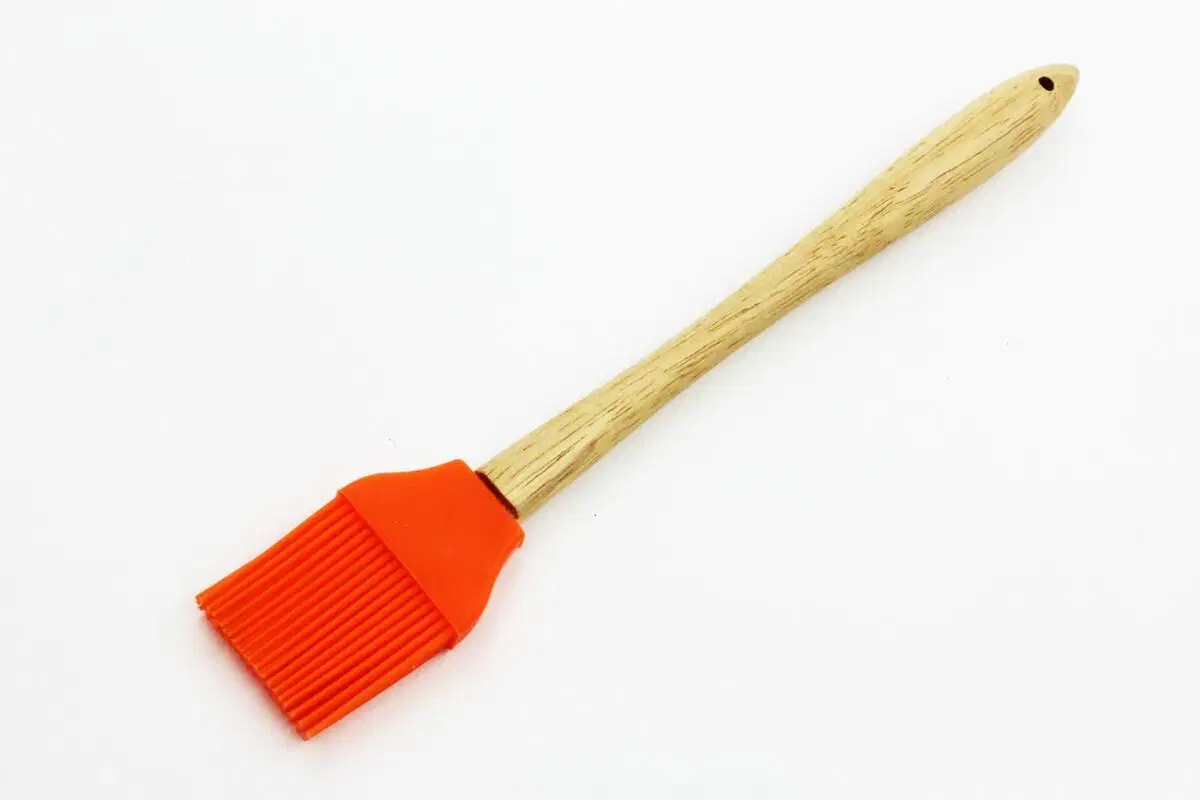
101.

What is the name of this tool, used to spread liquids on foods?

a)

Spatula

b)

Pastry Brush

c)

Pastry Blender

d)

Baster

102.

What is the name of this tool, used to cook anything that's mostly liquid or needing deep edges to cook from all sides?

a)

Pot

b)

Stockpot

c)

Saucepan

d)

Frying Pan

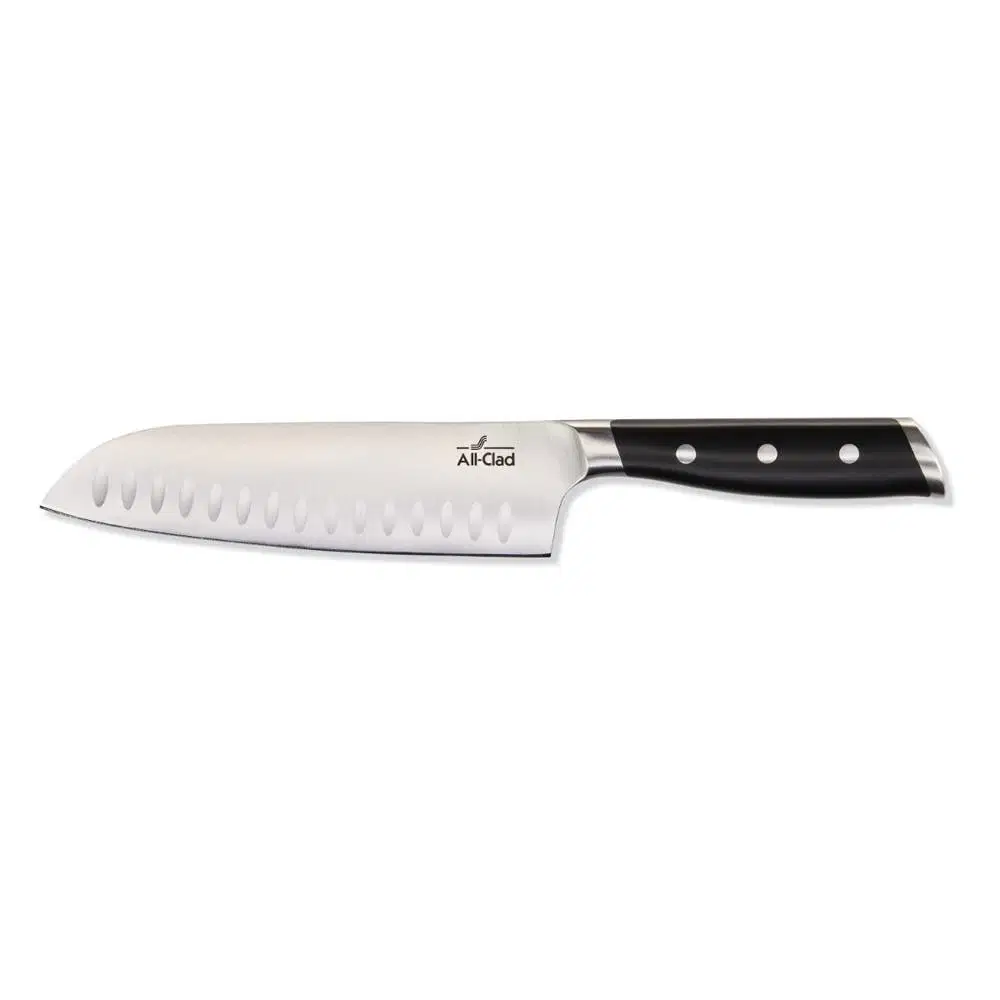
103.

What kind of knife is this which includes a drop point, straight edge blade and a granton edge?

a)

Santoku

b)

Chef's Knife

c)

Serrated Knife

d)

Utility

104.

What kind of blade is on this knife typically used for foods with a harder outside and softer inside (bread & tomatoes)?

a)

Saw edge

b)

Straight edge

c)

Serrated edge

d)

Granton edge

105.

What is this tool called, used to snip herbs, trim produce, cut meat, and dough?

a)

Scissors

b)

Shears

c)

Nippers

d)

Clippers

106.

What is this tool called used to break foods down into fine particles or fine strips?

a)

Colandar

b)

Shredder

c)

Slicer

d)

Grater

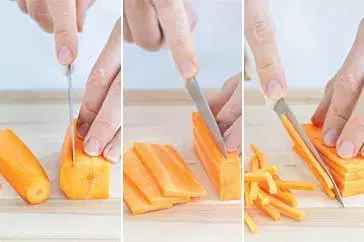
107.

What type of knife cut is being demonstrated in this picture? (⅛ x ⅛ x 1-2 in stick cut)

a)

Dice

b)

Mince

c)

Brunoise

d)

Julienne

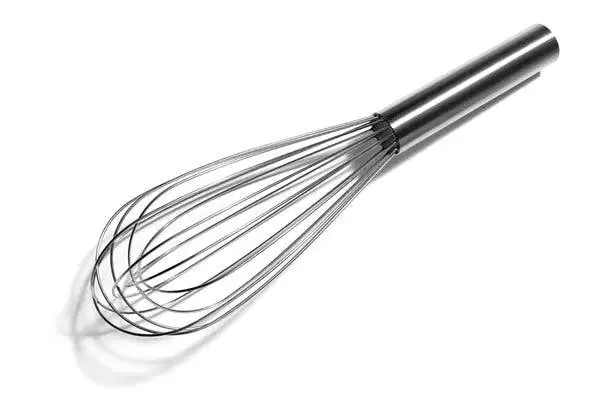
108.

What is this tool, called usually used to incorporate air into a dish?

a)

Scrambler

b)

Whisk

c)

Beater

d)

Fluffer

109.

What is this tool called, used to serve foods and flip them while cooking?

a)

Lifter

b)

Server

c)

Turner

d)

Spatula