
 Worksheets
Personal Protective Equipment (PPE) Quiz
Total questions: 30
Worksheet time: 15mins
What is the primary purpose of Personal Protective Equipment (PPE)?
To enhance productivity on the job
To protect workers from injury
To reduce the need for administrative controls
To eliminate all job site hazards
Which of the following is NOT a rule for using PPE effectively?
Regularly inspect it
Properly care for it
Use it only when it is convenient
Never alter or modify it in any way
Why is it not a good idea for workers to share PPE?
It can lead to equipment malfunction
It can spread infections between workers
It reduces the lifespan of the equipment
It violates job site regulations
What should you do if your hard hat has cracks or dents in the shell?
Continue using it until it completely breaks.
Replace it with a new hard hat.
Cover the cracks with tape and keep using it.
Use it only for light tasks.
What should you do if your safety glasses or goggles get scratched?
Continue using them as scratches do not affect vision.
Replace them immediately.
Polish the scratches with a soft cloth.
Use them only for light tasks.
Why is it important to wear heavy-duty gloves on construction job sites?
To keep your hands warm in cold weather.
To protect your hands from injuries and hazards.
To improve grip on tools and equipment.
To comply with fashion standards on-site.
What is the consequence of not wearing the required PPE on a job site, as highlighted in the case history?
You may lose your tools and equipment.
You may lose a day's pay and face disciplinary action.
You may be asked to work overtime.
You may be reassigned to a different job site.
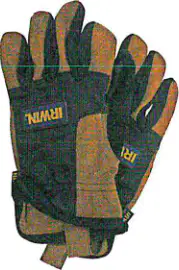
What type of gloves are recommended for handling sharp or rough materials to prevent cuts and scrapes?
Rubberized cotton gloves
Heat-resistant gloves
Gloves with cuffs
Fitted work gloves
Which standard establishes a rating system for gloves tested for resistance to various hazards, including chemical burns and abrasions?
ANSI/SEA Standard 105-2011
EN374
EN388
EN421
What type of gloves should electricians use when working on or around live circuits?
Heat-resistant gloves
Rubber-insulated gloves
Gloves with cuffs
Chemical-resistant gloves
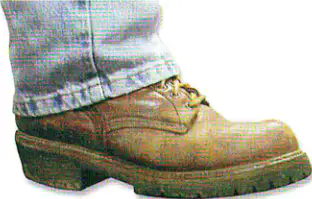
What type of footwear is generally required on every construction-related job site?
Canvas shoes
Safety-toed shoes
Rubber boots
Sandals
Why is it important to replace gloves when they become worn, torn, or soaked with oil or chemicals?
To maintain their appearance
To prevent them from catching fire
To ensure they continue to provide protection
To comply with fashion standards
What is the purpose of a well-defined heel on safety boots when climbing a ladder?
To improve the appearance of the boots
To prevent feet from slipping off the rungs
To make the boots more comfortable
To reduce the weight of the boots
What is the primary purpose of hearing protection devices like earplugs and earmuffs?
To enhance sound quality in noisy environments
To prevent damage to the cochlea caused by sound waves
To block all sound completely
To improve communication in loud areas
Which of the following tools has the shortest maximum exposure time according to Table 5?
Power lawn mower
Belt sander
Spray painter
Hammer drill
Which of the following job-site conditions requires workers to wear respirators?
Working in high-temperature environments
Dust from metal grinding
Painting with water-based paints
Working with non-toxic chemicals
What does OSHA require employers to do to protect workers from silica dust exposure?
Provide workers with free meals during shifts
Train workers on tasks that create silica dust and ways to limit exposure
Allow workers to work without respirators in silica dust areas
Only monitor exposure levels once a year
Which of the following is a risk associated with prolonged exposure to silica dust?
Skin irritation
Chronic obstructive pulmonary disease (COPD)
Hearing loss
Eye strain
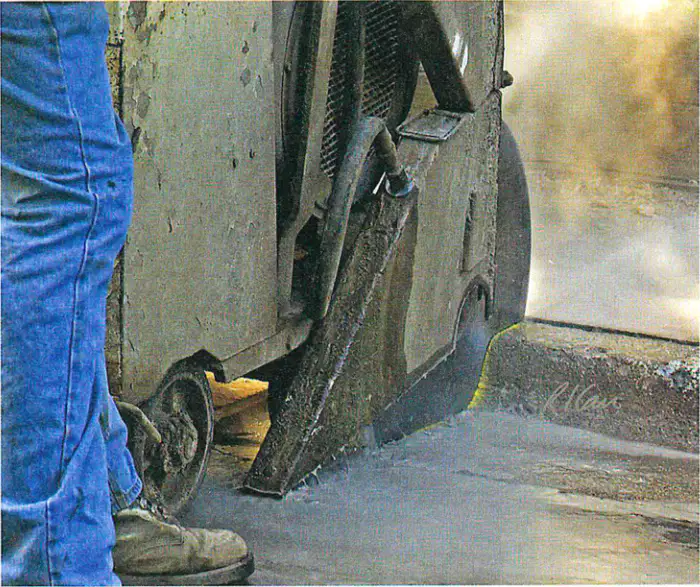
What is the primary purpose of a water-delivery system in saws and similar power tools?
To cool down the equipment during operation.
To prevent silica dust from becoming airborne.
To increase the cutting speed of the saw.
To reduce noise during operation.
What is the minimum efficiency of high-efficiency particulate arrestance (HEPA) filters in capturing particles?
95%
97%
99.97%
100%
Which of the following materials is likely to contain silica and requires careful management to avoid exposure?
Epoxy grout
Plastic
Wood
Aluminum
What is the assigned protection factor (APF) required by OSHA for breathing filtration in silica dust applications?
5
10
15
20
What is the primary health hazard associated with asbestos exposure?
Skin irritation
Lung disease
Eye infection
Hearing loss
What is asbestos, and why is it considered a health risk?
A type of respirator used in workplaces
A hazardous material linked to health risks such as respiratory diseases
A chemical used in food preservation
A type of protective equipment for workers
Which country continues to use asbestos without regulation, as mentioned in the text?
United States
India
Canada
Australia
According to the World Health Organization (WHO), how many people worldwide are exposed to asbestos each year in the workplace?
50 million
75 million
125 million
200 million
Which of the following is NOT a type of respirator mentioned in the text?
Self-contained breathing apparatus (SCBA)
Supplied air mask
Full facepiece mask with chemical canister
Oxygen tank with built-in filter
Drilling concrete requires use of a respirator because it produces _______.
asbestos
lead
toxic fumes
silica dust
When is a medical exam required for respirator use?
When using a dust or particle mask
When a respirator is not required for the job
When potential problems in wearing a respirator are identified
When the respirator is new and unused
Which of the following is NOT considered a Personal Protective Equipment (PPE)?
Gloves
Apron
Safety goggles
Hand sanitiser

