
NEW
Font size
 Worksheets
2G2 SCI Parts of the Human Ear
Total questions: 64
Worksheet time: 32mins
What sits on the side of your head and catches the whispers that are said?
Nose
Eyes
Ears
Mouth
What is one of the objectives of the lesson?
To identify the parts of the ears and their functions
To learn about the parts of the nose
To study the parts of the eyes
To understand the functions of the brain
What is another objective of the lesson?
To enumerate the ways of caring for the ears
To list the ways of caring for the eyes
To describe the functions of the heart
To explain the importance of the nose
What is one important function of earwax?
It makes the ear canal bigger.
It protects the ears by moving out dust and preventing objects from entering.
It helps us hear better.
It changes the color of the ear.
Why is earwax considered useful?
It smells nice.
It helps protect the ear from dust and objects.
It makes the ear shiny.
It helps us talk louder.
What lesson can we learn from the information about earwax?
Gross things are always bad.
Something may look yucky, but it can still be useful and important.
Earwax is the most important part of the body.
We should remove all earwax immediately.
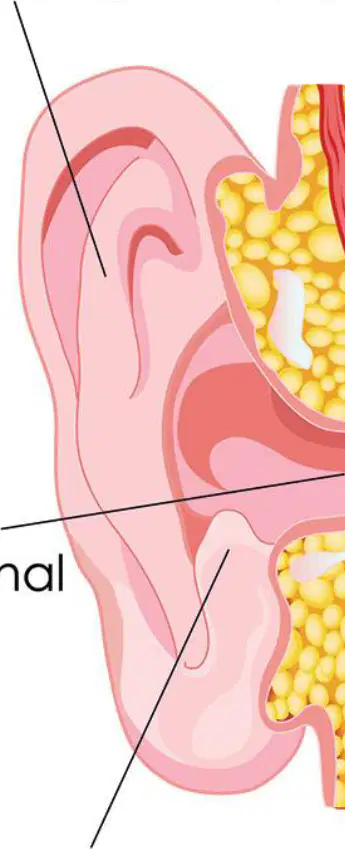
What is the outermost part of the ear called?
Pinna
Cochlea
Stapes
Ear Drum
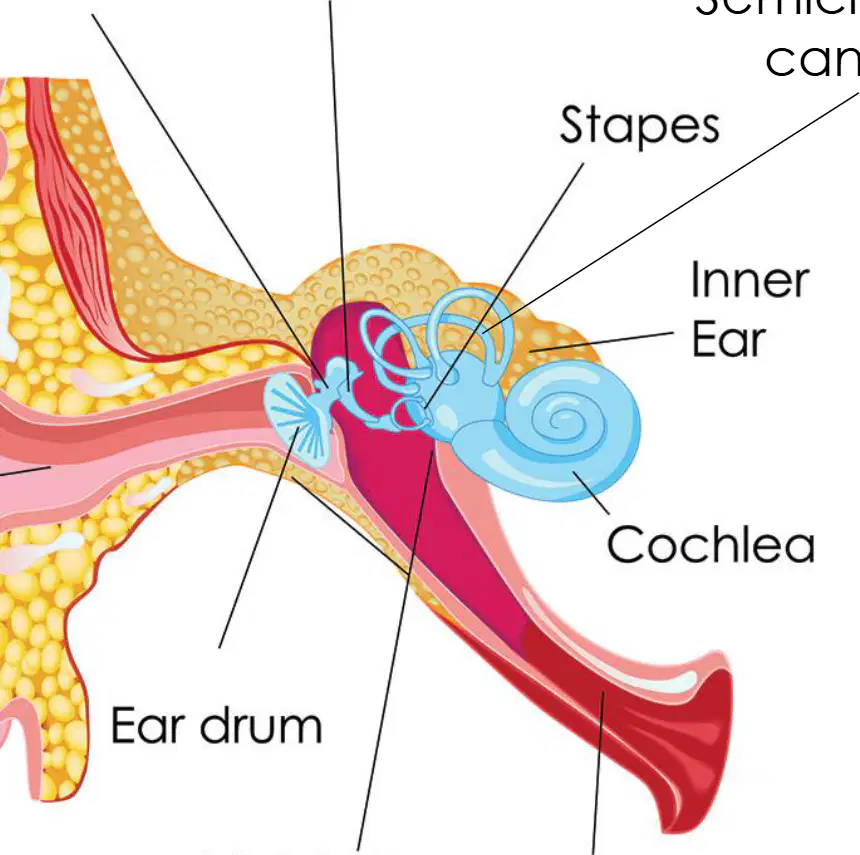
Which part of the ear is responsible for balance and is labeled as "Semicircular Canals" in the diagram?
Cochlea
Semicircular Canals
Ear Drum
Malleus
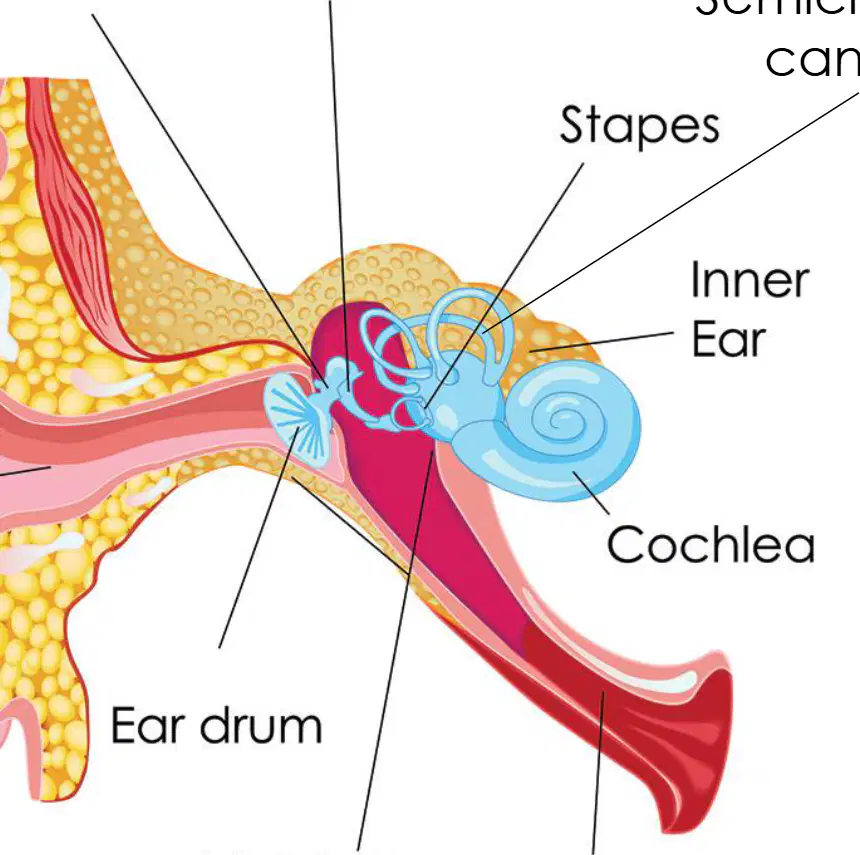
What is the name of the small bone in the ear labeled as "Stapes" in the diagram?
Malleus
Incus
Stapes
Cochlea
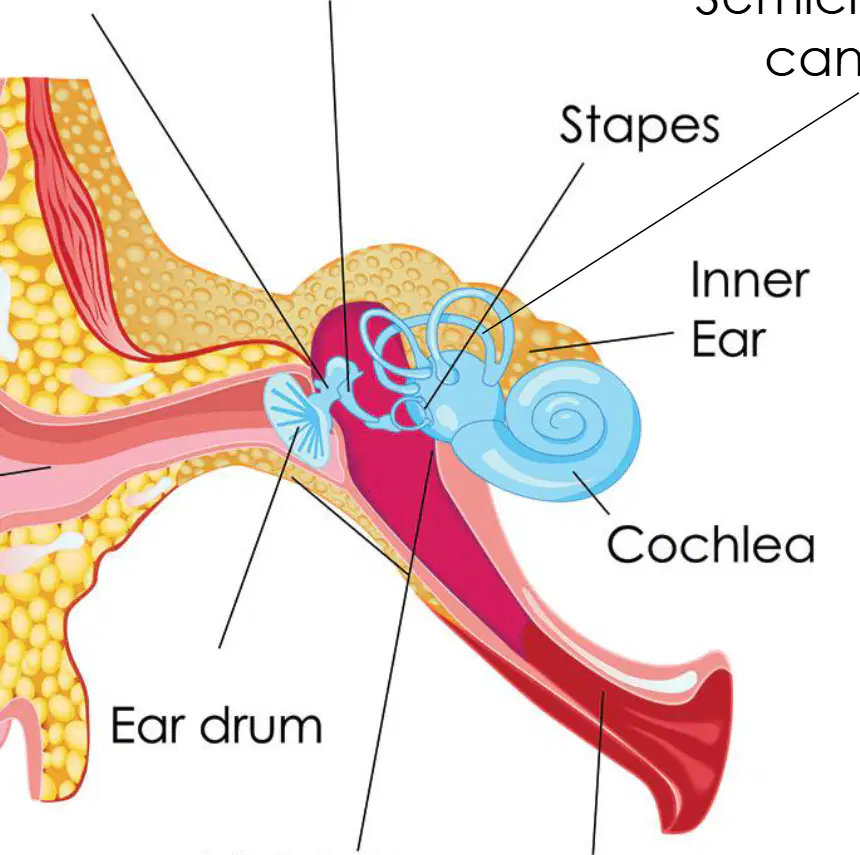
Which part of the ear is responsible for converting sound vibrations into signals for the brain and is labeled as "Cochlea" in the diagram?
Ear Drum
Cochlea
Pinna
Malleus
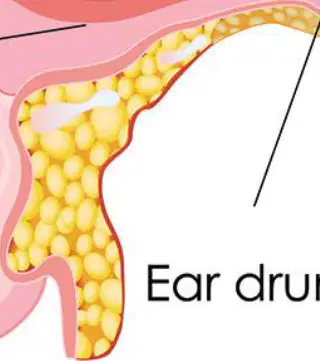
What is the function of the "Ear Drum" as shown in the diagram?
To collect sound waves
To vibrate when sound waves hit it
To maintain balance
To amplify sound
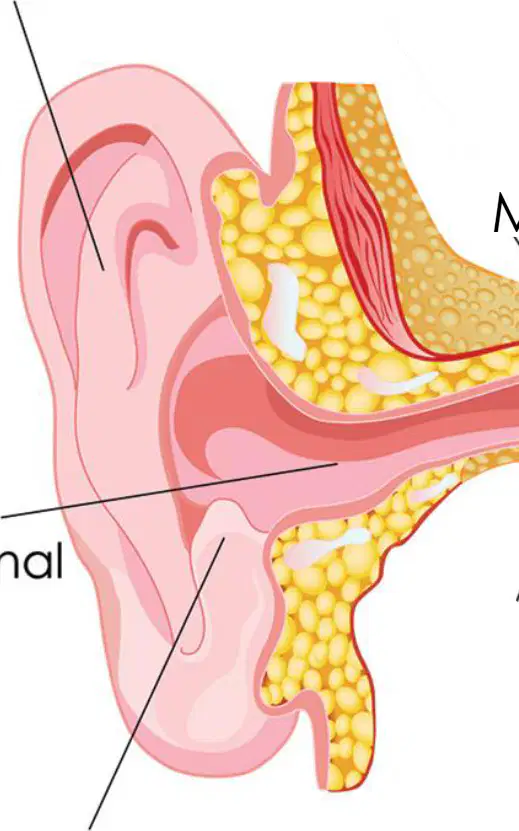
What is the part of the ear that collects sound waves and directs them into the ear canal?
Cochlea
Pinna
Stapes
Semicircular canals
Which part of the ear is responsible for transmitting sound vibrations to the inner ear?
Ear drum
Malleus, Incus, and Stapes
Semicircular canals
Ear canal
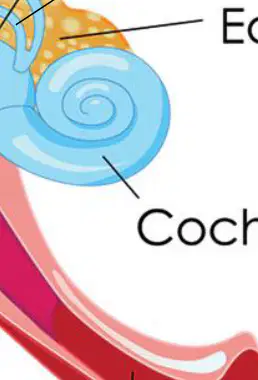
What is the name of the spiral-shaped part of the inner ear that helps in hearing?
Cochlea
Ear drum
Pinna
Semicircular canals

Which part of the ear helps maintain balance?
Semicircular canals
Ear canal
Malleus
Cochlea
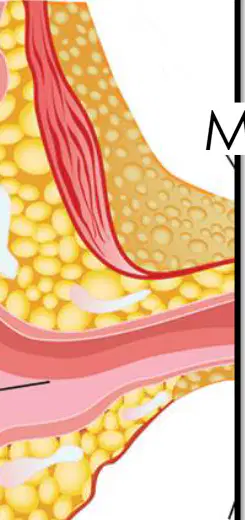
What is the function of the ear drum in the ear?
Collects sound waves
Vibrates to transmit sound to the middle ear
Maintains balance
Processes sound signals
What is the main function of the pinna (auricle)?
To collect sound waves and protect the inner parts of the ears
To produce sound waves
To direct sound waves to the brain
To block sound waves from entering the ear
What does the ear canal (meatus) do?
It directs sounds from the external ear to the eardrum and inner ear
It blocks sounds from entering the ear
It produces sound waves
It protects the brain from loud noises
Which part of the ear is responsible for collecting sound waves?
Pinna
Ear canal
Eardrum
Malleus
What is another name for the ear canal?
Meatus
Auricle
Malleus
Cochlea
What does the eardrum do when it receives sound waves from the ear canal?
It creates vibrations.
It stops the sound waves.
It amplifies the sound.
It sends signals to the brain.
Which of the following is NOT one of the three tiny bones in the middle ear?
Hammer (malleus)
Anvil (incus)
Stirrup (stapes)
Drumstick
What is another name for the "hammer" bone in the middle ear?
Incus
Stapes
Malleus
Cochlea
Which part of the ear is responsible for creating vibrations from sound waves?
Ear canal
Eardrum
Cochlea
Outer ear
What are the three tiny bones in the middle ear collectively responsible for?
Transmitting vibrations.
Producing sound waves.
Protecting the ear canal.
Filtering noise.
What is the function of the cochlea in the inner ear?
It helps in balancing the body.
It is where vibrations are changed into signals.
It produces sound waves.
It connects the ear to the brain.
What are the semicircular canals filled with?
Air
Liquid
Solid particles
Gas
What do the semicircular canals contain that helps in their function?
Thousands of microscopic hair
Tiny bones
Sound waves
Vibrations
How do signals from the inner ear travel to the brain?
Through the cochlea
Through the semicircular canals
Through the auditory nerves
Through the Eustachian tube

What is the name of the part of the ear that collects sound waves from the environment?
Cochlea
Pinna
Stapes
Ear Drum
Which part of the ear is responsible for sending sound signals to the brain?
Ear Canal
Cochlea
Malleus
Outer Ear
What is the name of the tiny bones in the middle ear that help transmit sound vibrations?
Stapes, Incus, and Malleus
Cochlea, Pinna, and Ear Drum
Semicircular Canals, Ear Canal, and Inner Ear
Outer Ear, Middle Ear, and Inner Ear
Which part of the ear helps maintain balance?
Cochlea
Semicircular Canals
Ear Drum
Malleus
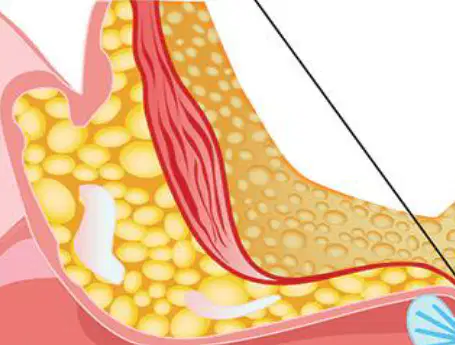
What is the function of the ear drum?
To collect sound waves
To vibrate and transmit sound to the middle ear
To send sound signals to the brain
To maintain balance
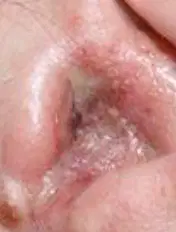
What is Otitis Externa commonly known as?
Swimmer's ear
Runner's ear
Diver's ear
Walker's ear
What causes Otitis Externa?
Water trapped in the ear canal
Dust entering the ear
Loud noises
Cold weather
What happens when water stays inside the ear after swimming or bathing?
It becomes warm and moist, allowing germs to grow.
It dries up quickly and causes no issues.
It makes the ear cold and itchy.
It blocks the ear completely.
What are the symptoms of Swimmer's Ear?
Redness, itching, and pain
Hearing loss and dizziness
Sneezing and coughing
Fever and chills
What should you do to keep the ear dry while bathing if you have Otitis Externa?
Use cotton with a little petroleum jelly or soft earplugs (with adult help).
Let water enter the ear freely.
Use a cotton swab to clean the ear.
Avoid covering the ear.
What type of ear drops should be used to treat Otitis Externa?
Antibiotic or antiseptic ear drops prescribed by a doctor.
Any ear drops available at home.
Drops made from lemon juice.
Drops made from olive oil.
Why should you avoid inserting cotton swabs, nails, or tissue into the ear when treating Otitis Externa?
It can hurt the ear more and push bacteria deeper.
It will make the ear heal faster.
It will clean the ear thoroughly.
It will stop the ear from drying.
What should you do if water accidentally enters the ear while treating Otitis Externa?
Tilt your head and tap gently on the opposite side.
Use a cotton swab to remove the water.
Insert tissue into the ear.
Ignore it and let it stay.
How can an adult help dry the ear if water enters it?
Use a hair dryer on low, cool air, held far away.
Use a hair dryer on high heat, close to the ear.
Use a towel to rub the ear vigorously.
Use a fan to blow air directly into the ear.
What is Otitis Media?
Inflammation of the middle ear
Inflammation of the outer ear
Inflammation of the inner ear
Inflammation of the throat
What is found behind the eardrum in Otitis Media that causes pain and pressure?
Pus
Water
Air
Blood
What are the symptoms caused by Otitis Media?
Pain and pressure
Itching and redness
Sneezing and coughing
Fever and chills
What tool does the doctor use to check the ear for Otitis Media?
A thermometer
A stethoscope
A special light tool
A magnifying glass
Why is it important to finish the antibiotic medicine prescribed for Otitis Media?
To save the medicine for later
To completely kill the germs causing the infection
To avoid visiting the doctor again
To reduce the cost of treatment
What medicine might a doctor give to reduce pain and fever caused by Otitis Media?
Paracetamol or ibuprofen
Antibiotic syrup
Vitamin C tablets
Antihistamines
What should you do to keep the ear dry when you have Otitis Media?
Let water enter the ear while bathing
Cover the ear with cotton or use a shower cap
Clean the ear with a cotton swab
Use a hairdryer to dry the ear
What should you avoid doing to the infected ear when you have Otitis Media?
Cleaning or poking the ear
Covering the ear with cotton
Taking prescribed medicine
Visiting the doctor
Why is a follow-up check important after treating Otitis Media?
To ensure the ear is clean
To check if the pus and infection are gone
To prescribe more medicine
To measure the ear's size
What is tinnitus?
A disease that affects the ear
Hearing a sound in the ear when there is no real sound around
A condition where the ear stops working completely
A type of ear infection
Which of the following sounds might a person with tinnitus hear?
Ringing, buzzing, whistling, humming, whooshing
Barking, meowing, chirping, roaring
Clapping, snapping, tapping, clicking
Screaming, shouting, laughing, crying
What is one possible cause of tinnitus?
Eating too much sugar
Listening to very loud music or noises
Drinking too much water
Sleeping too much
How can you help prevent tinnitus?
Keep volume low when using headphones
Listen to loud music every day
Poke ears deeply to clean them
Ignore ringing sounds in the ear
What should you do if ringing in your ear happens often?
Ignore it and hope it goes away
See a doctor
Listen to louder sounds to cover it up
Clean your ears deeply with a sharp object
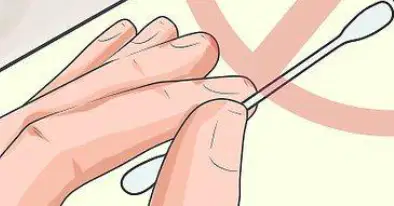
What should you avoid putting inside your ears to keep them safe?
Cotton swabs
Safety pins
Needles
All of the above
What is the best way to check your hearing if you think there is a problem?
Use a cotton swab to clean your ear
Visit a doctor for a hearing check-up
Shout loudly to test your hearing
Ignore the problem
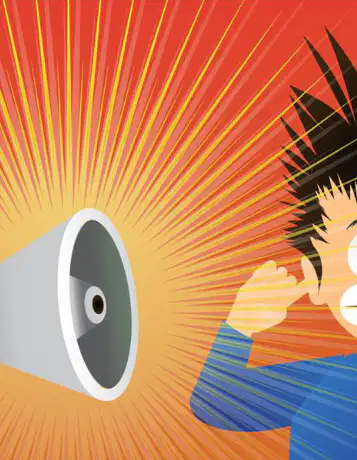
What can happen if someone shouts loudly near your ear?
It can hurt your ears
It can improve your hearing
It can make you happy
It has no effect
What should you avoid to take care of your ears?
Listening to loud music
Using soft cloth to clean your ears
Asking a doctor for help
Keeping water out of your ears
What should you use to clean your ears safely?
Hard or sharp objects
Soft cloth or cotton swabs
Water
Loud music
What should you do if an object goes inside your ear?
Remove it yourself
Ignore it
Ask a doctor to remove it
Use sharp objects to take it out
Why is it important to keep water from entering your ears?
It can make your ears clean
It can cause ear problems
It helps you hear better
It makes your ears bigger

