
 Worksheets
Varieties of macromolecules
Total questions: 48
Worksheet time: 24mins
Which of the following is a variety of macromolecule?
Protein
Lipid
Sugar
Peptide
Which of the following is NOT a variety of macromolecule?
DNA
RNA
Peptide
Protein
Fill in the blank: ______, DNA, and RNA are varieties of macromolecules.
Proteins
Lipids
Carbohydrates
Vitamins
Complexes such as protein-protein and protein-DNA/RNA are considered as varieties of ______.
macromolecules
micromolecules
organelles
ions
Lipids, peptides, sugars, etc are categorized as ______ macromolecules.
non
ionic
metallic
radioactive
Our discussion is more focused on ______ molecules.
protein
carbohydrate
lipid
nucleic acid
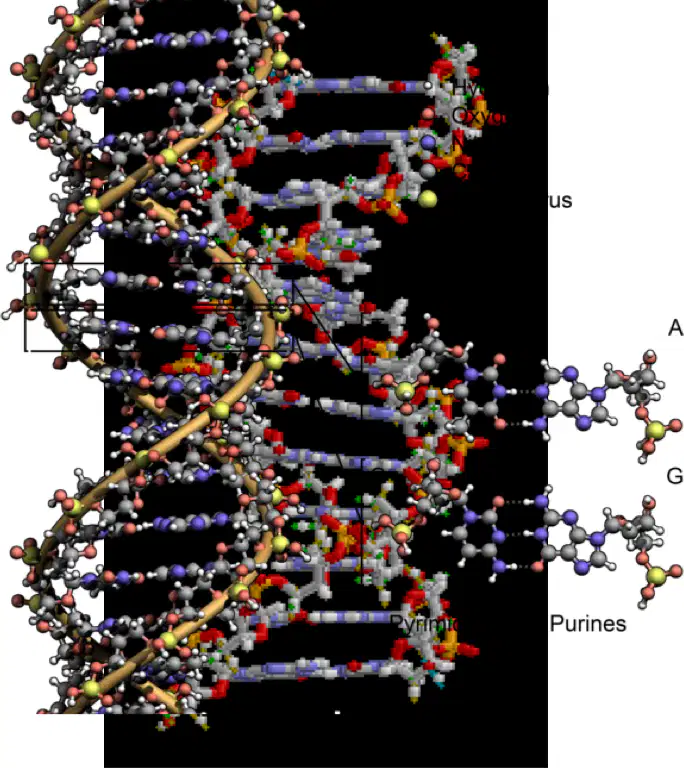
Deoxyribonucleic acid, DNA, consists of two long polymers of simple units called nucleotides. Which of the following is NOT a nucleotide found in DNA?
Cytosine
Guanine
Adenine
Uracil
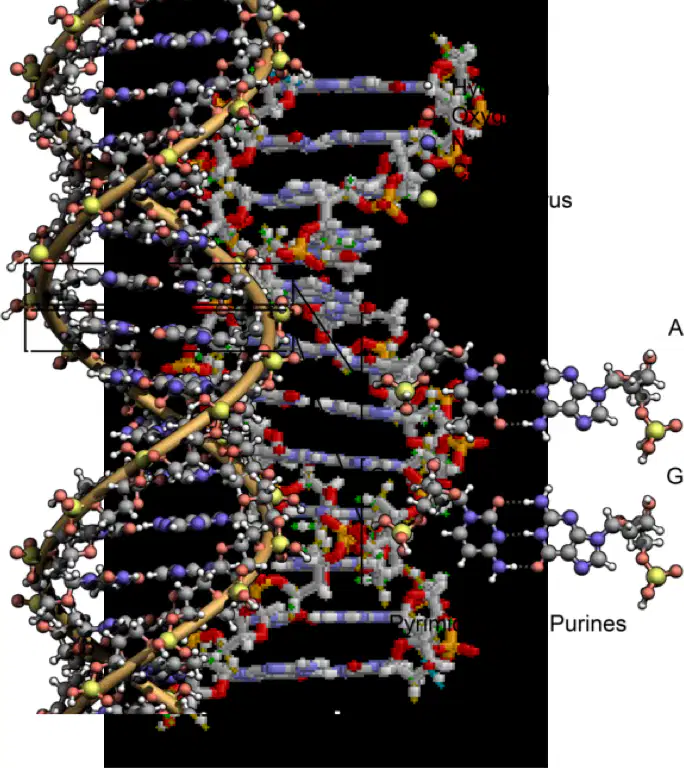
Which nucleotide is present in RNA but not in DNA?
Thymine
Uracil
Adenine
Guanine
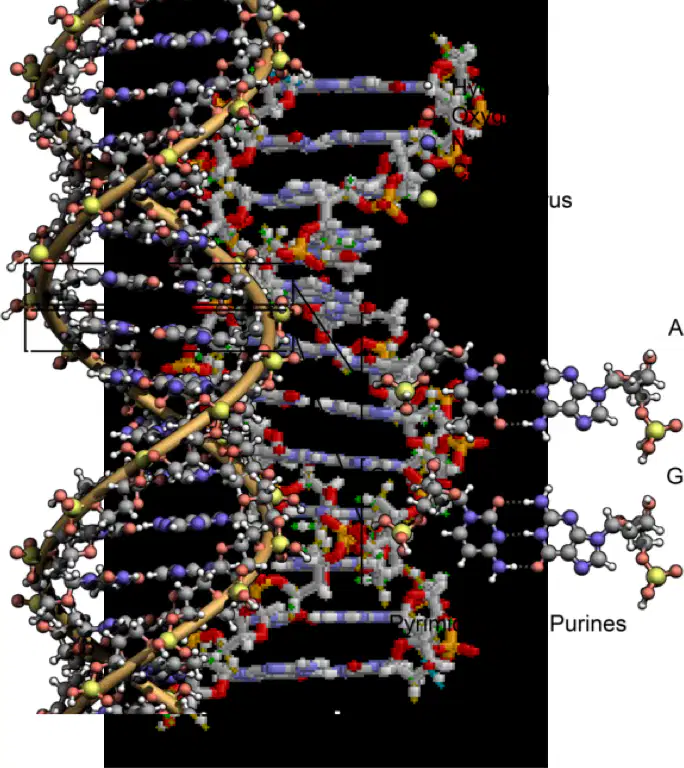
Fill in the blank: The sequence of four bases along the backbone encodes information, or the genetic code. The four bases in DNA are Cytosine, Guanine, Adenine, and _______.
Thymine
Uracil
Arginine
Serine
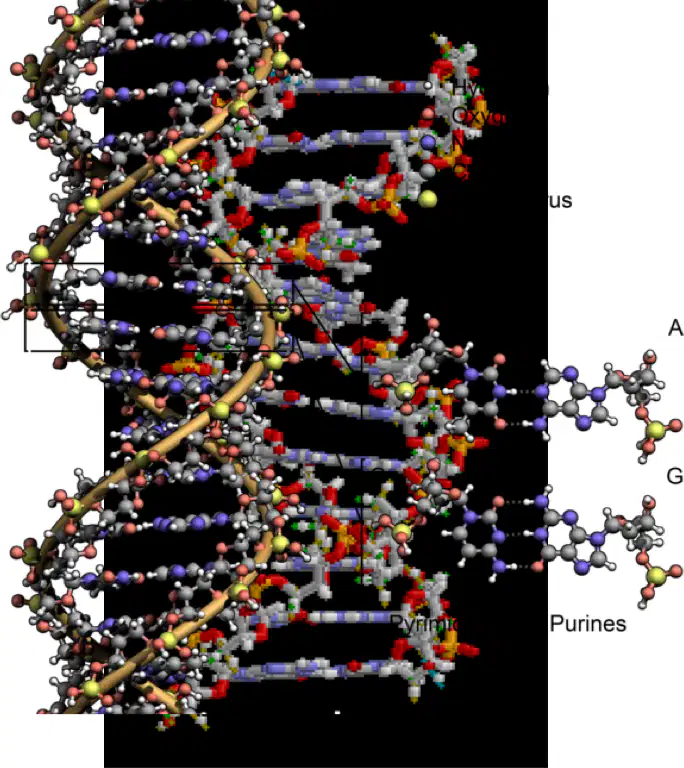
RNA has the same nucleotides as DNA except that Thymine is replaced by Uracil.
True
False
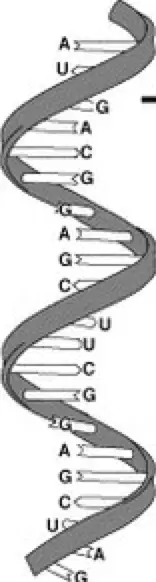
What is the genetic code?
A) A series of codons in part of a mRNA molecule
B) A series of proteins in a DNA molecule
C) A sequence of amino acids in a protein
D) A type of carbohydrate in a cell
Each codon consists of ______ nucleotides.
three
two
four
five
Each codon in mRNA usually represents a single ______.
amino acid
nucleotide
sugar
fatty acid
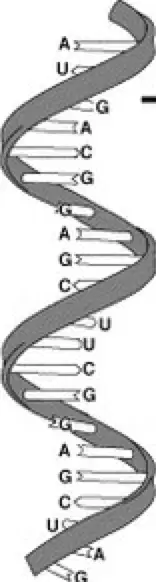
Refer to the diagram of RNA. How many nucleotides are present in one codon?
One
Two
Three
Four
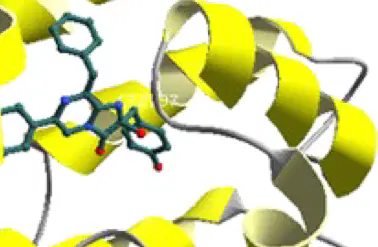
What are proteins composed of?
One or more polypeptides
One or more carbohydrates
One or more lipids
One or more nucleic acids
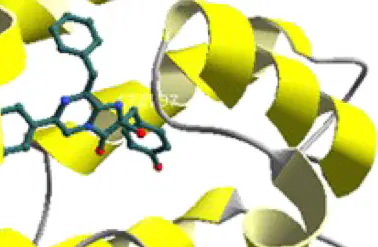
The sequence of amino acids in a protein is defined by the sequence of a ________, which is encoded in the genetic code.
gene
enzyme
ribosome
chromosome
Proteins are the molecular building block of life.
True
False
Protein molecules are ________-dimensional.
three
one
two
four
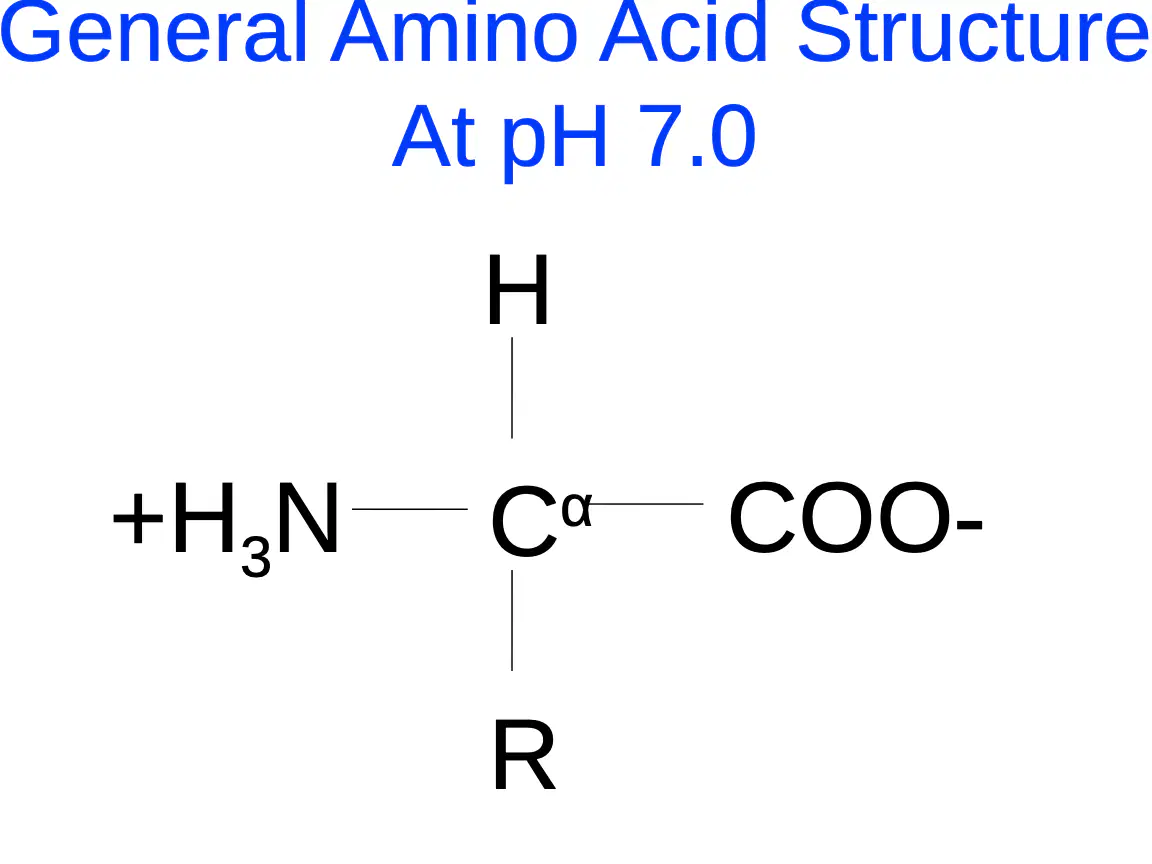
What is the central atom in the structure?
Cα (alpha carbon)
O (oxygen)
N (nitrogen)
H (hydrogen)
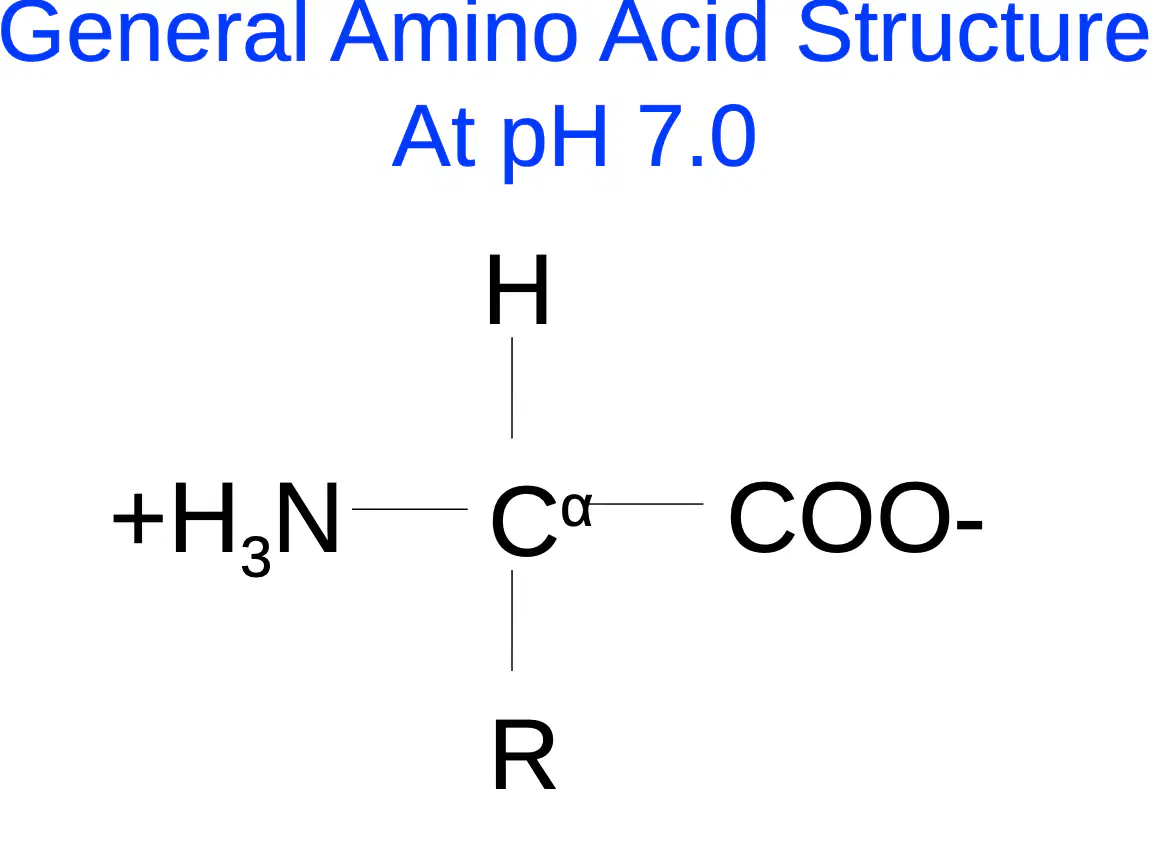
Refer to the diagram of the General Amino Acid Structure at pH 7.0. Which group is present on the left side of the central carbon?
Carboxyl group
Amino group
Hydrogen atom
R group
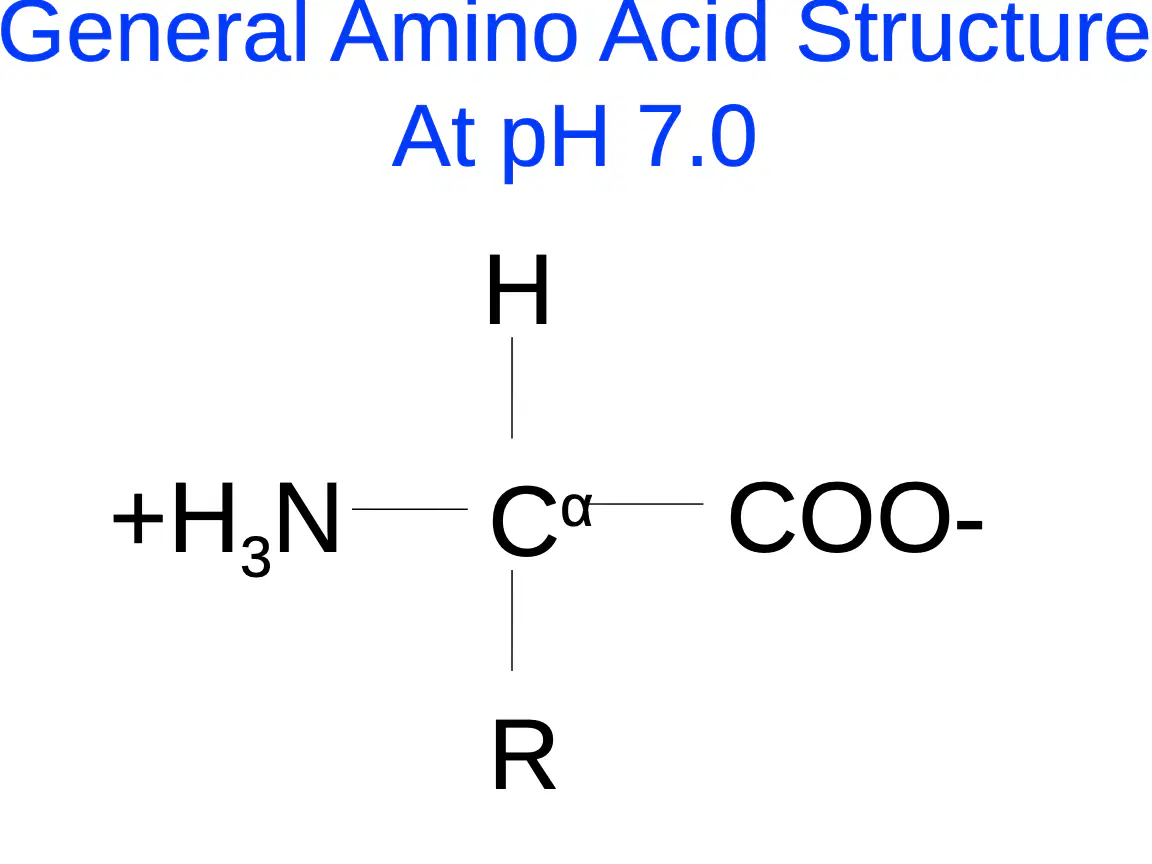
Refer to the diagram of the General Amino Acid Structure at pH 7.0. The group labeled 'COO-' is known as the ________ group.
carboxyl
amino
hydroxyl
methyl
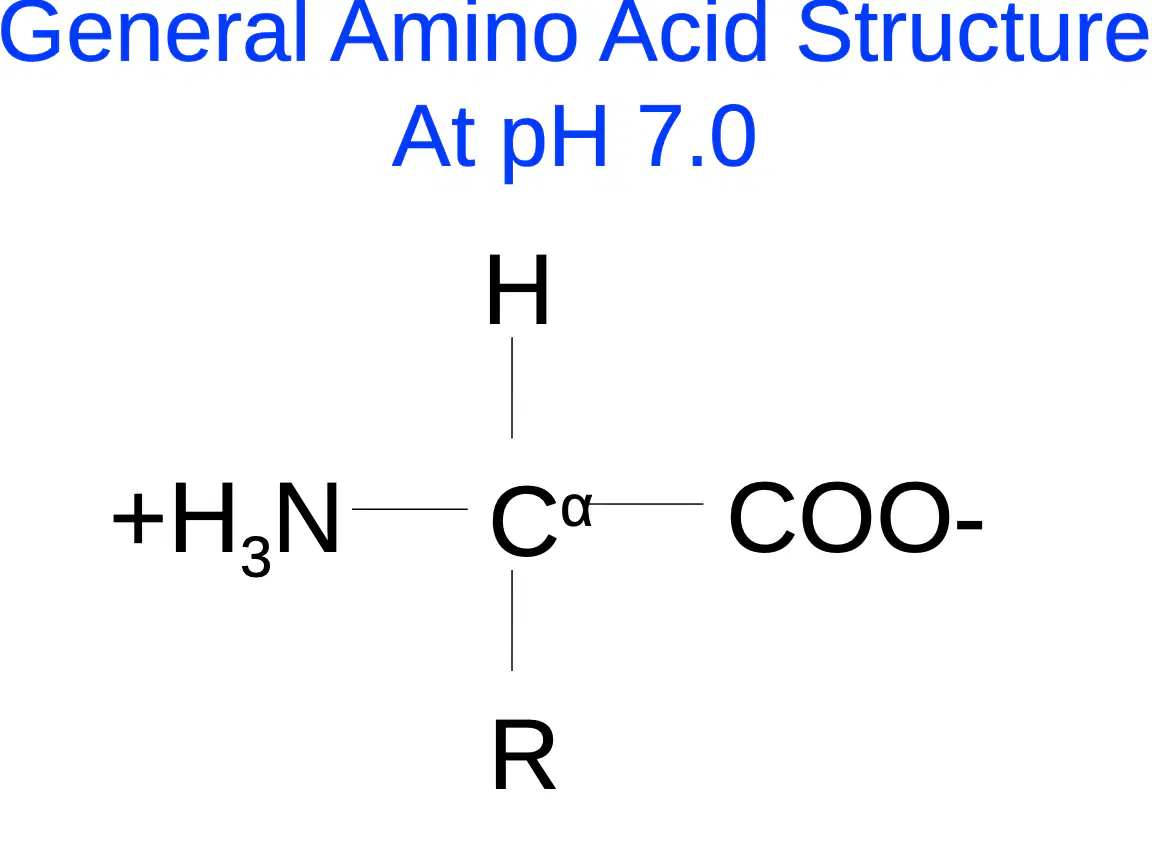
What does the 'R' group represent in the structure?
The variable side chain that differs between amino acids
The carboxyl group in all amino acids
The amino group in all amino acids
The hydrogen atom attached to the alpha carbon
Which statement is true about L- and D- amino acids?
L-amino acid rotates plane polarized light clockwise
D-amino acid rotates plane polarized light counter-clockwise
L-amino acid rotates plane polarized light counter-clockwise
Both rotate light in the same direction
Which of the following amino acids is hydrophobic?
Alanine
Serine
Glutamine
Asparagine
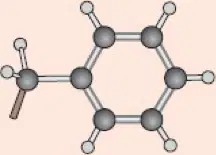
Fill in the blank: The one-letter abbreviation for Phenylalanine is ___
F
P
A
L
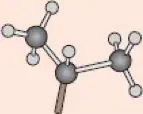
Which amino acid has the one-letter abbreviation 'L'?
Leucine
Isoleucine
Proline
Valine
Hydrophobic amino acids tend to avoid water and associate with each other to minimize their contact with water or polar side chains.
True
False
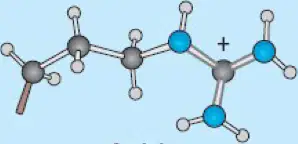
Which of the following amino acids is represented by the abbreviation 'Arg'?
Arginine
Aspartic acid
Glutamic acid
Serine
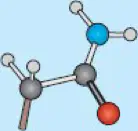
Fill in the blank: The abbreviation for Glutamine is _____
Gln
Glu
Gly
Gle
What does it mean for an amino acid to be amphipathic?
Having both polar and nonpolar character and therefore a tendency to form interfaces between hydrophobic and hydrophilic molecules.
Being exclusively hydrophobic and unable to interact with water.
Having only polar character and always dissolving in water.
Being a charged molecule that cannot interact with lipids.

Which of the following amino acids is amphipathic? (Refer to the diagram showing the structures of Lysine, Tyrosine, Methionine, and Tryptophan.)
Lysine
Tyrosine
Methionine
Tryptophan
Fill in the blank: The one-letter code for Tyrosine is ___
Y
T
R
S
Fill in the blank: The three-letter abbreviation for Methionine is ___
Met
Mth
Mtn
Mte
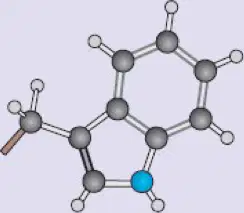
Fill in the blank: The amino acid represented by the one-letter code W is ___.
Tryptophan
Tyrosine
Taurine
Threonine
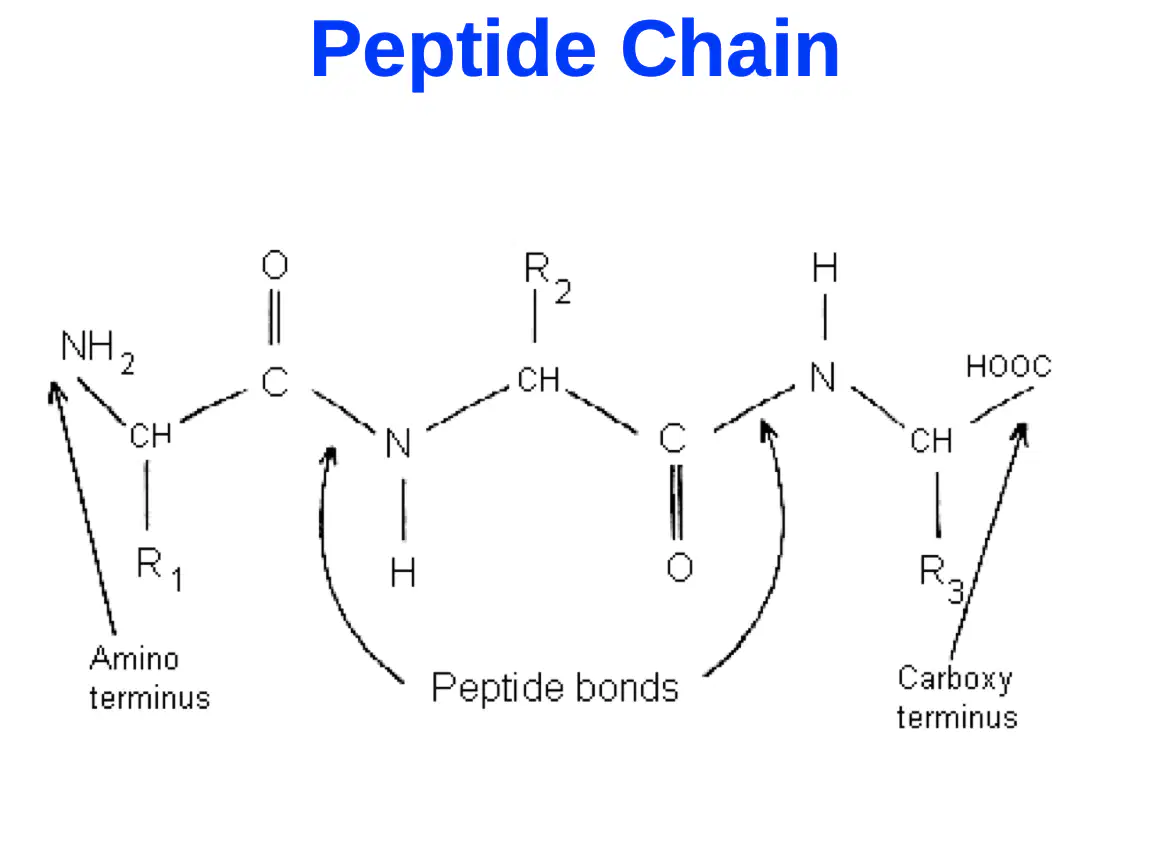
In the peptide chain diagram, what type of bond connects the carbon of one amino acid to the nitrogen of the next amino acid?
Hydrogen bond
Ionic bond
Peptide bond
Disulfide bond
Which of the following statements is true?
Bond rotation does not affect protein folding
Bond rotation determines protein folding, 3D structure
Bond rotation is not important for proteins
Bond rotation only affects carbohydrates
Double bond disallows rotation.
True
False
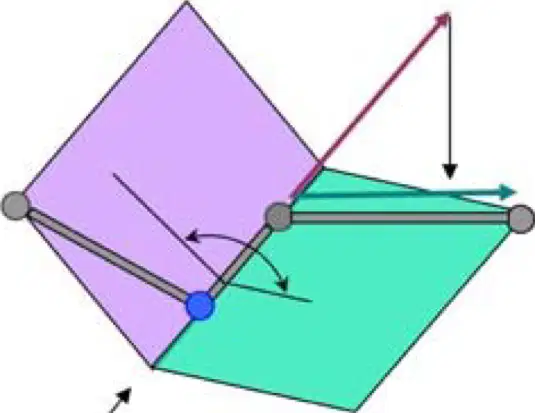
What does the torsion angle (dihedral angle) measure in a molecule? Fill in the blank: The torsion angle (dihedral angle) measures the orientation of ______ linked atoms in a molecule.
four
two
three
five
Refer to the diagram titled 'Backbone Torsion Angles of a protein'. Which torsion angle is represented by the symbol φ (phi)?
The angle around the N-Cα bond
The angle around the Cα-C' bond
The angle around the C'-N bond
The angle around the Cα-side chain bond
The torsion angle ψ (psi) is associated with which bond?
N-Cα
Cα-C'
C'-N
Cα-side chain
Refer to the diagram titled 'Backbone Torsion Angles of a protein'. The torsion angle ω (omega) is associated with the bond between _______.
C'-N
N-Cα
Cα-C'
Cα-R
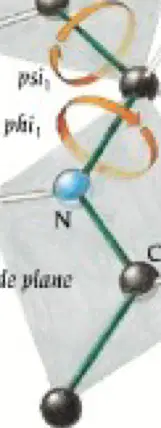
What is the atomic connection for the phi (ϕ) angle in a peptide?
N-Cα
Cα-CO
C-N
N-CO
What is the atomic connection for the omega (ω) angle in a peptide?
N-Cα
Cα-CO
C-N
N-CO
What is the dihedral angle ω in proteins?
Rotation about the peptide bond, namely Cα1-{C-N}-Cα2
Rotation about the side chain
Rotation about the disulfide bond
Rotation about the hydrogen bond
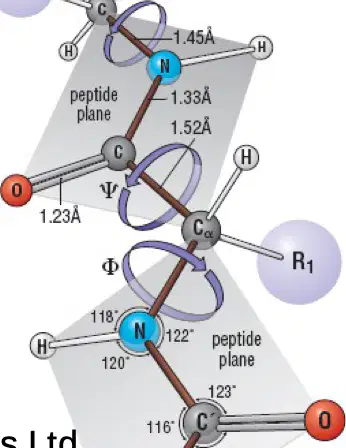
Which backbone torsion angles are flexible and allow rotation?
A) φ and ψ
B) Only φ
C) Only ψ
D) None
Fill in the blank: The rotation of φ and ψ angles in a given amino acid residue is limited due to ________ hindrance.
steric
electrostatic
hydrogen bond
covalent
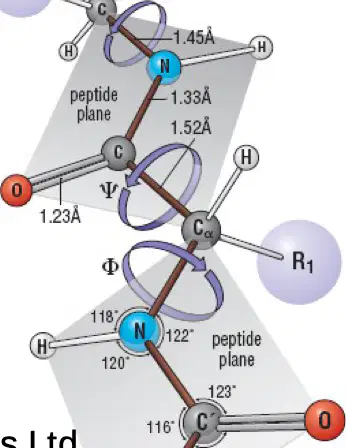
Refer to the diagram. Which angles in the polypeptide backbone are labeled as φ and ψ?
The angles between N-Cα and Cα-C
The angles between C-N and N-Cα
The angles between Cα-C and C-N
The angles between O-H and N-H

The Omega angle in a protein backbone is typically fixed and does not rotate freely like PHI and PSI.
True
False

