
 Worksheets
ITR- Unit 3 Quiz 16/10/2025
Total questions: 10
Worksheet time: 5mins
Given the concept of continuum of care in rehabilitation, devise a plan for a patient recovering from a stroke that incorporates at least three different rehabilitation settings in Singapore. Justify your choices based on the main objectives of each setting.
Acute hospital, community hospital, home therapy
Acute hospital, dental clinic, home therapy
Community rehabilitation, spa center, acute hospital
Palliative care, gym, community hospital
A community health center wants to improve its rehabilitation services. Using evidence and reasoning, which combination of service models would best support patients from acute injury through long-term recovery?
Only inpatient services with no follow-up.
Active rehabilitation followed by maintenance rehabilitation, utilizing both inpatient and outpatient services.
Maintenance rehabilitation only, provided in outpatient settings.
Outpatient services without any active rehabilitation phase.
Explain the concept of continuum of care in rehabilitation. Which of the following best demonstrates your understanding of how continuum of care supports patient recovery and long-term outcomes?
Continuum of care in rehabilitation refers to a coordinated system where patients receive appropriate services at every stage of recovery, ensuring smooth transitions and comprehensive support from acute care to community reintegration.
Continuum of care in rehabilitation means patients only receive care during the initial phase of their illness or injury.
Continuum of care in rehabilitation is a process where patients are discharged as soon as possible without follow-up.
Continuum of care in rehabilitation focuses solely on physical therapy, ignoring other aspects of patient needs.
Strategically evaluate the role of different healthcare providers listed in the continuum of care. How would you coordinate care among them for a patient with chronic illness?
Assign all care responsibilities to a single provider throughout all stages.
Coordinate care by involving Raffles Medical Group and Guardian for pre-acute care, Changi General Hospital for acute care, Outram Community Hospital and Homage for post-acute care, and THK Nursing Home and Assisi Hospice for maintenance care, ensuring smooth transitions and communication.
Only use acute hospitals for all care needs, regardless of the stage.
Refer the patient to retail pharmacies for all stages of care.
Based on Ms Lim's scenario, which of the following care plans would best support her needs as her condition progresses, while considering her desire for independence and socialization?
Transition her immediately to full-time hospice care, limiting rehabilitation and social activities.
Maintain her independence with periodic caregiver support, encourage active rehabilitation, and facilitate social engagement.
Provide only medical treatment without any caregiver or rehabilitation support.
Isolate her from social activities to focus solely on medical interventions.

Strategically assess why continuing education programs for staff are essential in an acute hospital. Use evidence-based reasoning in your answer.
Continuing education programs keep staff updated on the latest medical practices, improving patient care and hospital efficiency.
Continuing education programs are only for students, not staff.
Continuing education programs are a waste of resources in hospitals.
Continuing education programs decrease staff motivation and performance.

Given the objective of community hospitals, analyze and explain why it is important for patients to receive a short period of continuation of care after being discharged from general hospitals. What could be the potential consequences if this step is skipped?
Patients may experience complications or delayed recovery without proper continuation of care.
Patients will always recover faster without any additional care after discharge.
Community hospitals are only for emergency cases, not for continuation of care.
General hospitals provide all necessary care, so community hospitals are unnecessary.
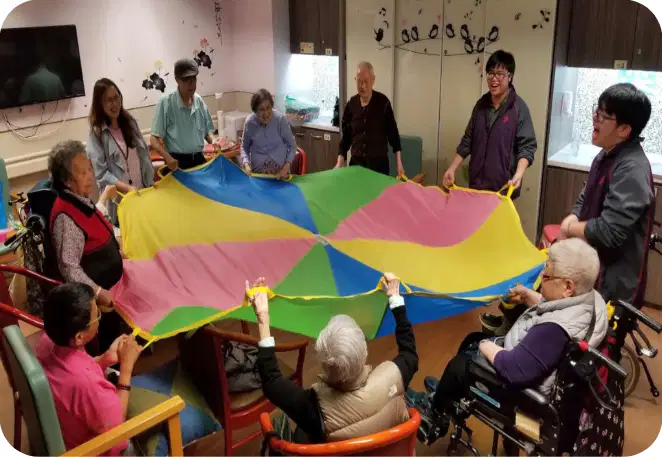
Given the objectives of community rehabilitation, analyze how providing caregiver training and client education can impact the effectiveness of rehabilitation programs in different healthcare facilities.
It increases patient independence and improves overall outcomes by empowering caregivers and clients with knowledge and skills.
It reduces the need for rehabilitation by making patients fully self-sufficient without any support.
It only benefits the caregivers and has no impact on patient outcomes.
It delays the rehabilitation process by adding unnecessary training sessions.

Strategically reason how the provision of rehabilitation in different healthcare facilities supports the overall objectives of community rehabilitation.
It ensures accessibility and continuity of care for diverse patient populations, enhancing the reach and effectiveness of rehabilitation services.
It limits rehabilitation to only specialized centers, reducing accessibility for most patients.
It creates confusion among patients about where to seek rehabilitation services.
It increases costs without improving patient outcomes.
A patient receiving palliative care is experiencing severe pain and discomfort. Using strategic reasoning, explain which category of palliative care benefits would be most relevant to address these issues and justify your choice.
Physical benefits, because they focus on relieving pain, managing symptoms, and mitigating discomfort.
Psychosocial benefits, because they provide emotional and mental support.
Spiritual benefits, because they focus on empowerment and finding purpose.
None of the categories are relevant to pain and discomfort.

