
 Worksheets
Saving Stratgies
Total questions: 27
Worksheet time: 14mins
What's the difference between a credit union and a bank? Who owns a credit union and who owns a bank?
Credit union: Member owned, Bank: Shareholder owned
Credit union: Shareholder owned, Bank: Member owned
Credit union: For Profit, Bank: Not-For-Profit
Credit union: Anyone Can Be a Customer, Bank: Must qualify for Membership
What's the difference between a credit union and a bank? Which one is not-for-profit and which one is for profit?
Credit union: Not-For-Profit, Bank: For Profit
Credit union: For Profit, Bank: Not-For-Profit
Credit union: Cookie-Cutter Customer Service, Bank: Personalized Member Service
Credit union: Decisions Made With Stockholders In Mind, Bank: Decisions Made With Members In Mind
What's the difference between a credit union and a bank? Who must qualify for membership and who can be a customer?
Credit union: Must qualify for Membership, Bank: Anyone Can Be a Customer
Credit union: Anyone Can Be a Customer, Bank: Must qualify for Membership
Credit union: Deposit Insured by FDIC, Bank: Deposit Insured by NCUA
Credit union: Decisions Made With Stockholders In Mind, Bank: Decisions Made With Members In Mind
What's the difference between a credit union and a bank? Which provides personalized member service and which provides cookie-cutter customer service?
Credit union: Personalized Member Service, Bank: Cookie-Cutter Customer Service
Credit union: Cookie-Cutter Customer Service, Bank: Personalized Member Service
Credit union: For Profit, Bank: Not-For-Profit
Credit union: Member owned, Bank: Shareholder owned
What's the difference between a credit union and a bank? Whose decisions are made with members in mind and whose with stockholders in mind?
Credit union: Decisions Made With Members In Mind, Bank: Decisions Made With Stockholders In Mind
Credit union: Decisions Made With Stockholders In Mind, Bank: Decisions Made With Members In Mind
Credit union: Deposit Insured by FDIC, Bank: Deposit Insured by NCUA
Credit union: For Profit, Bank: Not-For-Profit
What's the difference between a credit union and a bank? Fill in the blank: Deposits in a credit union are insured by ________, while deposits in a bank are insured by ________.
Deposits in a credit union are insured by NCUA, while deposits in a bank are insured by FDIC.
Deposits in a credit union are insured by FDIC, while deposits in a bank are insured by NCUA.
Deposits in a credit union are insured by SIPC, while deposits in a bank are insured by FDIC.
Deposits in a credit union are insured by SEC, while deposits in a bank are insured by SIPC.
Both banks and credit unions offer ________ accounts. (Fill in the blank)
Savings/checking
Loan
Credit card
Mortgage
Which of the following cards can be offered by both banks and credit unions?
Debit card/credit card
Gift card
Library card
Membership card

What machine do banks and credit unions offer for withdrawing cash?
ATM
Vending Machine
Photocopier
Ticket Dispenser

Which financial service allows you to write orders for payment from your account?
Checks
Savings Account
Credit Card
Certificate of Deposit
Both banks and credit unions offer ________ services to help you pay bills and transfer money.
Payment services
Loan services
Investment services
Insurance services
What is the term for obtaining money from a bank or credit union that must be paid back later?
Borrowing
Depositing
Investing
Donating
Other financial services include insurance, investments, tax assistance, and ________ planning. (Fill in the blank)
financial
culinary
architectural
musical

Which type of account is used for everyday expenses?
Checking Account
Savings Account
Credit Account
Investment Account

Checking accounts typically earn:
High interest
Minimal to no interest
No interest at all
Double interest
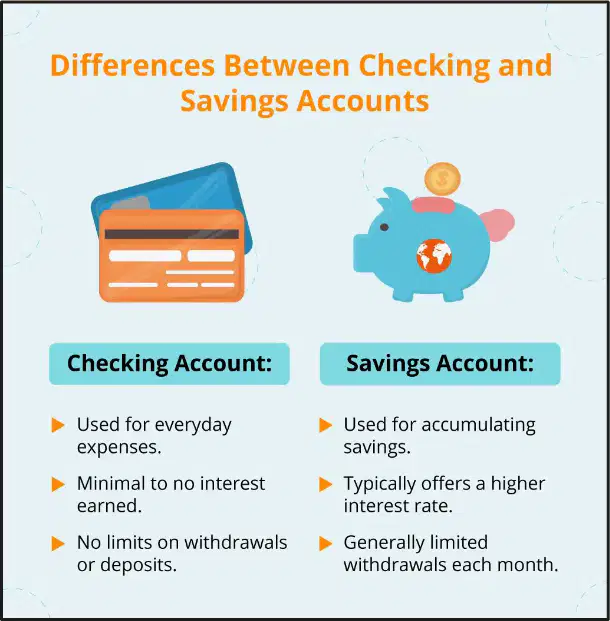
Checking accounts have limits on withdrawals or deposits.
True
False
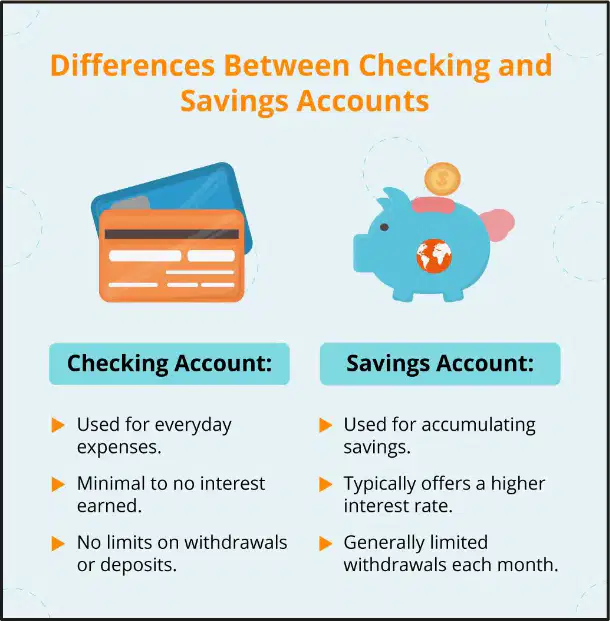
Savings accounts are used for accumulating _______.
savings
debts
expenses
loans
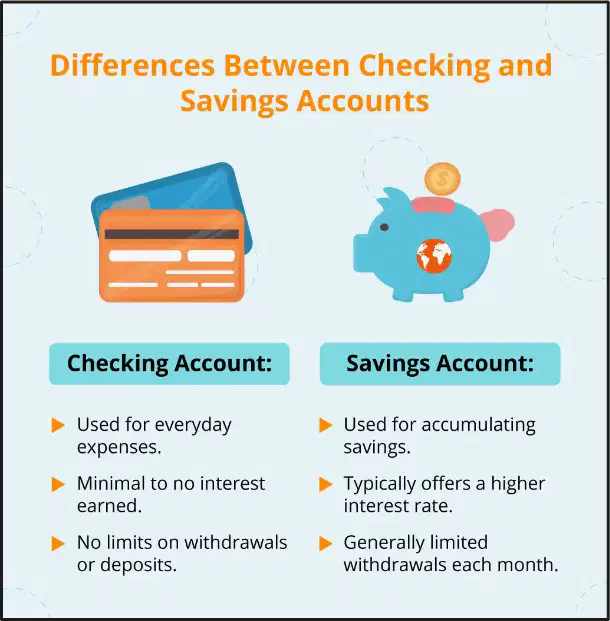
Which type of account typically offers a higher interest rate?
Checking Account
Savings Account
Credit Account
Investment Account

Savings accounts generally have limited withdrawals each month.
True
False
Most banks offer three types of savings accounts. Select all that apply:
Basic Savings
Money Market
Certificates of Deposits (CD)
Checking Account
What is the biggest difference between the types of savings accounts?
Interest rate
Liquidity
Number of withdrawals
Account fees
What is the definition of Liquidity? Fill in the blank: Liquidity is how easy something can be converted into _____?
cash
gold
stocks
real estate
What is the definition of Interest? Fill in the blank: Interest is money paid for the use of that _____
money
property
service
equipment
Which type of account is highly liquid?
Checkings
Saving Deposits
Time Deposits
Which type of account earns little or no interest?
Checkings
Saving Deposits
Time Deposits
Which type of account has low liquidity?
Checkings
Saving Deposits
Time Deposits
Which type of account earns higher interests?
Checkings
Saving Deposits
Time Deposits

