
 Worksheets
G5 Parts of an Atom
Total questions: 66
Worksheet time: 40mins
What is the dense, central core of the atom called?
Nucleus
Electron
Proton
Neutron
Which subatomic particle is positively charged and located in the nucleus?
Proton
Electron
Neutron
Positron
Which subatomic particle is neutral (no charge) and located in the nucleus?
Neutron
Proton
Electron
Positron
Which subatomic particle is negatively charged and moves around the nucleus in specific regions?
Electron
Proton
Neutron
Positron
What element is represented by the symbol 'N' in the context of electrons in atoms?
Nitrogen
Neon
Nickel
Sodium
What element is represented by the symbol 'F' in the context of electrons in atoms?
Fluorine
Francium
Iron
Phosphorus
What element is represented by the symbol 'P' in the context of electrons in atoms?
Phosphorus
Potassium
Platinum
Polonium
What element is represented by the symbol 'Cl' in the context of electrons in atoms?
Chlorine
Calcium
Carbon
Cobalt
What element is represented by the symbol 'S' in the context of electrons in atoms?
Sulfur
Sodium
Silicon
Strontium
What element is represented by the symbol 'I' in the context of electrons in atoms?
Iodine
Iron
Indium
Iridium
Where are protons found in an atom?
In the nucleus
In the electron cloud
In the outer shell
In the valence band
Where are neutrons found in an atom?
In the nucleus
In the electron cloud
In the outer shell
In the valence band
What does the nucleus contain almost all of?
The atom's mass
The atom's electrons
The atom's energy levels
The atom's volume
Where are electrons found in an atom?
Outside the nucleus (in electron shells/clouds)
Inside the nucleus
In the proton cloud
In the neutron shell
What are electron shells (orbitals)?
Pathways or energy levels where electrons are found
The nucleus of an atom
Only the outermost shell of an atom
The number of protons in an atom
How many electrons can the first shell of an atom hold?
2
4
6
8
How many electrons can the second shell of an atom hold?
8
2
18
32
What are valence electrons?
Electrons in the innermost shell
Electrons in the outermost shell of an atom
Protons in the nucleus
Neutrons in the nucleus
Why are valence electrons important?
They determine the chemical properties of an element and how it will bond with other atoms
They are found in the nucleus
They are always paired
They have no effect on bonding
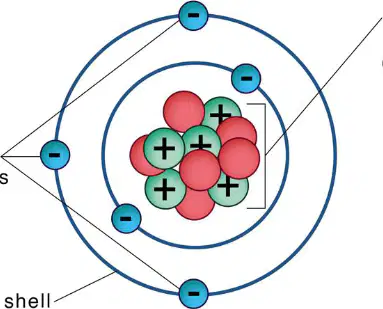
Match the following parts of the boron atom diagram with their correct labels:
Neutron
Red sphere
Proton
Green sphere
Electron
Blue sphere
What does the atomic number of an element represent?
The number of protons in an atom's nucleus.
The number of neutrons in an atom's nucleus.
The total number of electrons and protons in an atom.
The atomic mass of the element.
What is the chemical symbol for Oxygen?
O
Ox
Og
Oy
Atomic mass is the average mass of an atom of an element. What particles are included in this calculation?
Protons only
Neutrons only
Protons and Neutrons
Electrons only
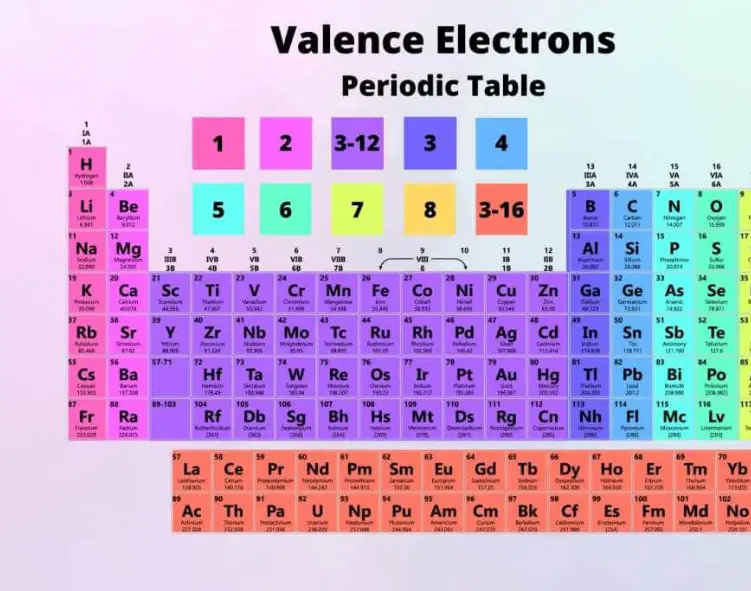
What are groups (families) in the periodic table?
Horizontal rows on the periodic table
Vertical columns on the periodic table
Diagonal lines on the periodic table
Elements with the same atomic number
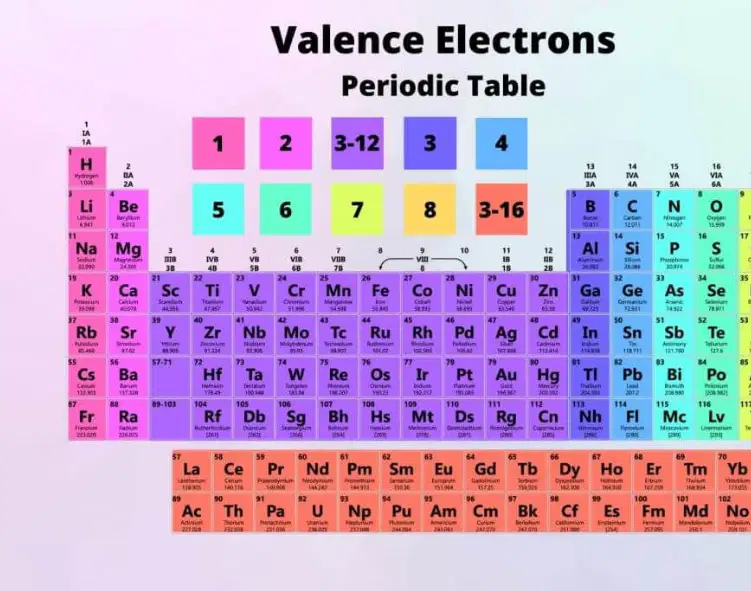
Why are groups called 'families' in the periodic table?
A) Elements in the same group have the same number of valence electrons and similar chemical properties.
B) Elements in the same group have different numbers of valence electrons.
C) Elements in the same group are always metals.
D) Elements in the same group have the same atomic mass.
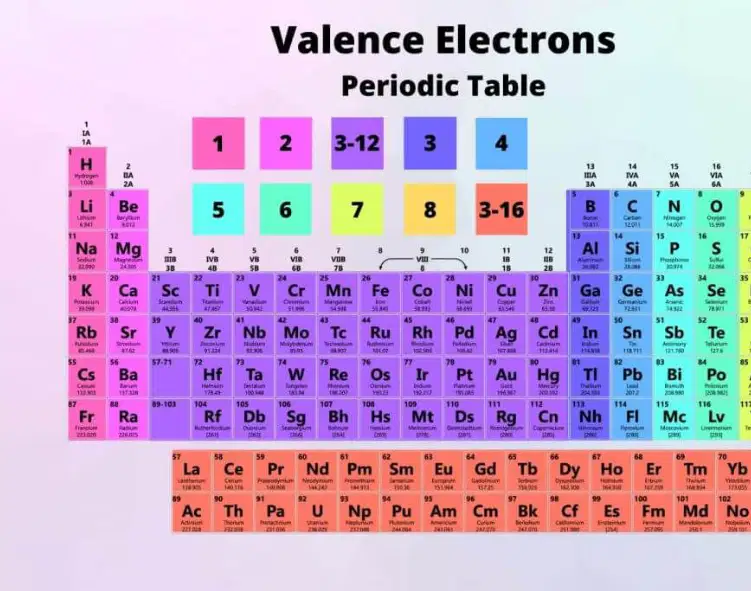
Fill in the blank: Elements in the same group have the same number of _________
valence electrons
protons
neutrons
energy levels
Which group do Halogens belong to?
Group 1
Group 17
Group 18
Group 2
Which of the following is NOT a Halogen?
Fluorine (F)
Chlorine (Cl)
Argon (Ar)
Iodine (I)
What is the common property of Halogens?
They all have 8 valence electrons
They all have 7 valence electrons, making them very reactive
They are very non-reactive
They are metals
Which group do Noble Gases belong to?
Group 1
Group 17
Group 18
Group 2
Which of the following is a Noble Gas?
Bromine (Br)
Helium (He)
Chlorine (Cl)
Iodine (I)
Fill in the blank: Noble Gases are very ________ because they have a full outer electron shell (8 valence electrons, except Helium which has 2).
non-reactive
radioactive
explosive
acidic
Halogens are highly stable and unwilling to gain, lose, or share electrons with other elements.
True
False
Which of the following elements is an Alkaline Earth Metal?
Sodium (Na)
Beryllium (Be)
Iron (Fe)
Chlorine (Cl)
What is the common property of Alkaline Earth Metals (Group 2)?
They all have 1 valence electron
They all have 2 valence electrons
They all have 3 valence electrons
They all have 4 valence electrons
Fill in the blank: Magnesium (Mg) is an example of an _____________.
Alkaline Earth Metal
Noble Gas
Halogen
Transition Metal
Fill in the blank: Alkaline Earth Metals all have ___ valence electrons.
2
1
3
4
Fill in the blank: An atom has _______ and _______ in the nucleus, and electrons in shells outside it.
protons, neutrons
protons, electrons
neutrons, electrons
protons, photons
Fill in the blank: _______ electrons are in the outermost shell and control bonding.
Valence
Core
Free
Inner
Fill in the blank: The atomic number equals the number of _______.
protons
neutrons
electrons
atoms
Fill in the blank: The periodic table is organized by _______ and atomic structure.
properties
colors
weights
shapes
Fill in the blank: Groups are _______. Elements in the same group have the same number of valence electrons and similar properties.
columns
rows
blocks
periods
Fill in the blank: Noble Gases are stable and non-reactive because their outer electron shell is _______.
full
empty
half-filled
unstable
A proton is found in which part of an atom?
Nucleus
Electron cloud
Outer shell
Energy level
The difference between an electron in the first shell and a valence electron is:
An electron in the first shell is always closest to the nucleus, while a valence electron is found in the outermost shell.
A valence electron is always in the first shell, while an electron in the first shell is always in the outermost shell.
Both are always found in the same shell of an atom.
An electron in the first shell is always a valence electron.
If you know an element is in Group 16 of the periodic table, how many valence electrons does it have?
4
6
8
2
Neon (Ne) is so non-reactive and unlikely to form bonds because:
it has a complete outer electron shell.
it has a high tendency to gain electrons.
it easily loses electrons to form ions.
it has an incomplete outer shell.
An element has an atomic number of 12. The number of protons and electrons in a neutral atom of this element is:
12 protons and 12 electrons
6 protons and 6 electrons
24 protons and 24 electrons
12 protons and 6 electrons
Which one of the following is considered a SOLUTE?
Salt
Water
Salt Water
Which one of the following is considered a SOLVENT?
Salt
Water
Salt Water
Which one of the following is considered a SOLUTION?
Salt
Water
Salt Water
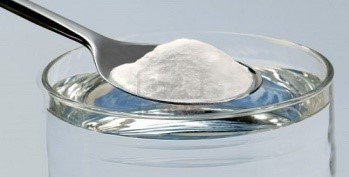
solution
solvent
If an atom gains electrons, the charge will be positive.
(a)
Which particles change the charge in atoms when ions are formed?
Protons
Electrons
Neutrons

An atom becomes _________ when it gains electrons.
Positive
Negative
Neutral
How does the amount of sunlight affect the growth of plants?" Which of the following observations would be the most useful to this investigation?
The height of the plants
The amount of water plants are given
The type of soil the plants are in
The color of the pot in which the plants are planted
Which subatomic particle orbits the nucleus of an atom?
Electron
Neutron
Proton
Photon
What is the maximum number of electrons that can be held in the first shell of an atom?
18
4
8
2
Which group in the periodic table contains elements that are highly reactive and have one valence electron?
Group 18 (Noble Gases)
Group 17 (Halogens)
Group 2 (Alkaline Earth Metals)
Group 1 (Alkali Metals)
Which of the following particles orbits the nucleus of an atom?
Proton
Quark
Neutron
Electron
What is the term for a horizontal row in the periodic table?
Period
Family
Group
Block
Which element is a Halogen?
Fluorine (F)
Magnesium (Mg)
Calcium (Ca)
Argon (Ar)

