
 Worksheets
Matter Review
Total questions: 67
Worksheet time: 2hrs 43mins
Name
Class
Date
1.

Which state of matter has particles arranged like this?
a)
solid
b)
liquid
c)
gas
2.

Which state of matter has particles arranged like this?
a)
solid
b)
liquid
c)
gas
3.

Which state of matter has particles arranged like this?
a)
solid
b)
liquid
c)
gas
4.
Which state of matter has particles that are stuck in one spot but vibrate?
a)
solid
b)
liquid
c)
gas
5.
Which state of matter has particles that are still close together, but can move around each other?
a)
solid
b)
liquid
c)
gas
6.
Which state of matter has particles that are very far apart and zing around?
a)
solid
b)
liquid
c)
gas
7.
Air is an example of a
a)
solid
b)
liquid
c)
gas
8.
Wood is an example of a
a)
solid
b)
liquid
c)
gas
9.
Oil is an example of a
a)
solid
b)
liquid
c)
gas
10.
What happens to the particles when I add heat?
a)
The particles get bigger
b)
The particles get smaller
c)
The particles get slower
d)
The particles get faster
11.
Which of the following statements describes a solid?
a)
It has a fixed shape
b)
It takes the shape of it's container
12.
Which of the following statements describes a liquid?
a)
It has a fixed shape
b)
It takes the shape of it's container
13.
Which of the following statements describes a gas?
a)
It has a fixed shape
b)
It takes the shape of it's container
14.

Which of the following statements is NOT true of all different types of matter?
a)
They are made of atoms and molecules
b)
The particles are always in motion
c)
The particles always move at the same speed
d)
They are made of particles that are too small to see
15.

State of matter with no definite shape or volume.
a)
solid
b)
liquid
c)
gas
d)
Mississippi
16.
The change of state from a liquid to a solid
a)
freezing
b)
melting
c)
evaporation
d)
boiling
17.

Change of state from a solid to a liquid.
a)
sublimation
b)
deposition
c)
freezing
d)
melting
18.
What is the change of state from a gas to a liquid called?
a)
deposition
b)
sublimation
c)
evaporation
d)
condensation
19.
How is a gas defined?
a)
no shape, no volume
b)
Definite shape, definite volume
c)
Found in stars
d)
Definite volume, no shape
20.
What is matter?
a)
anything that is solid
b)
anything that takes up space
c)
anything that has a fixed volume
d)
anything that can be seen
21.
In what ways are liquids different from solids?
a)
Liquid molecules are lighter than solid molecules
b)
Liquids are made of atoms; solids are made of molecules.
c)
Liquids don't have a fixed shape; solids do.
d)
Liquids are always denser than solids.
22.
What will happen if you keep increasing the temperature of a liquid?
a)
It will boil and become a gas.
b)
It will transpire.
c)
It will remain a liquid.
d)
It will solidify.
23.
What is the basic shape of a liquid?
a)
A sphere
b)
The same shape as a gas, only rounder
c)
A cube
d)
Whatever shape its container is
24.
definite volume but no definite shape
a)
solid
b)
liquid
c)
gas
25.
particles are packed close together on the inside
a)
solid
b)
liquid
c)
gas
26.
no definite volume, no definite shape
a)
solid
b)
liquid
c)
gas
27.
definite shape, definite volume
a)
solid
b)
liquid
c)
gas
28.
particles are the furthest apart in this state
a)
solid
b)
liquid
c)
gas
29.
When the state of water evaporates, it becomes a ______.
a)
solid
b)
liquid
c)
gas
30.
When the state of water melts, it becomes a ______.
a)
solid
b)
liquid
c)
gas
31.
A combination of rocks and water is an example of
a)
A mixture
b)
A solution
c)
Dissovling
32.
A combination of two or more substances that cannot easily be separated--
a)
mixture
b)
solution
c)
solute
d)
solvent
33.
Physical properties are
a)
properties that can be observed without changing the identity of the substance
b)
properties that describe how a substance changes into a completely different substance
c)
properties that we can only observe with our eyes
d)
properties that we can only measure
34.
Chemcial properties are
a)
properties that can be observed without changing the identity of the substance
b)
properties that describe how a substance changes into a completely different substance
c)
properties that we can only observe with our eyes
d)
properties that we can only measure
35.
Properties that can be observed without trying to change the identity of the substance.
a)
Physical
b)
Chemical
36.
What kind of properties can only be observed when a substance changes into a different substance?
a)
physical properties
b)
chemical properties
c)
liquid properties
d)
real properties
37.
Which is an example of a physical property?
a)
rusting
b)
boiling point
c)
combustion
d)
reactivity with water
38.
Flammability is an example of what property?
a)
Chemical property
b)
Physical property
39.
What type of property is the ability to combust?
a)
Physical property
b)
Chemical property
40.

This is an example of a
a)
physical change
b)
chemical change
41.

Ability to rust is this type of property:
a)
Physical property
b)
Chemical property
42.
Which is an example of a physical property?
a)
ability to react with acid
b)
color
c)
flammability
d)
ability to react with oxygen
43.
Which is NOT a physical property?
a)
odor
b)
reacts with bleach
c)
sinks in water
d)
density
44.
Which of the following is a chemical property?
a)
how something tastes
b)
ability to explode
c)
ability to float in water
d)
size of an object
45.
Which of the following is a physical property?
a)
melting point
b)
flammability
46.
Which of the following is a chemical property?
a)
combustion
b)
texture
c)
volume
d)
magnetism
47.
Which of the following is a chemical property of water?
a)
Reacts with pure sodium
b)
Boils at 100 oC
c)
Is liquid at room temperature
d)
Has a density of 1 gm/mL
48.
Which type of property is the ability to conduct electricity?
a)
physical property
b)
chemical property
49.
Baking soda and vinegar combine to make carbon dioxide
a)
Chemical Change
b)
Physical Change
50.
Light used to produce food in plants
a)
Chemical Change
b)
Physical Change
51.
Boiling water
a)
Chemical Change
b)
Physical Change
52.
Is a a rusting bicycle a chemical or physical change?
a)
chemcial
b)
physical
53.

mowing the lawn
a)
physical change
b)
chemical change
54.
This changes the matter into something completely different.
a)
physical change
b)
chemical change
55.
A change in the size, shape, or state of matter.
a)
chemical change
b)
physical change
c)
chemical reaction
d)
electron change
56.
Which of the following is NOT an example of a physical change?
a)
crumpled paper
b)
pencil sharpening
c)
shrunken clothing
d)
sour milk
57.
Frying an egg
a)
Physical change
b)
Chemical change
58.
Which of the following tells you that a chemical change may have occurred?
a)
Change Shape
b)
Melting
c)
Vaporizing
d)
Change in color
59.
What happens in ALL chemical changes?
a)
Change in state of matter
b)
A new substance is formed
c)
Bubbles are produced
d)
An explosion
60.
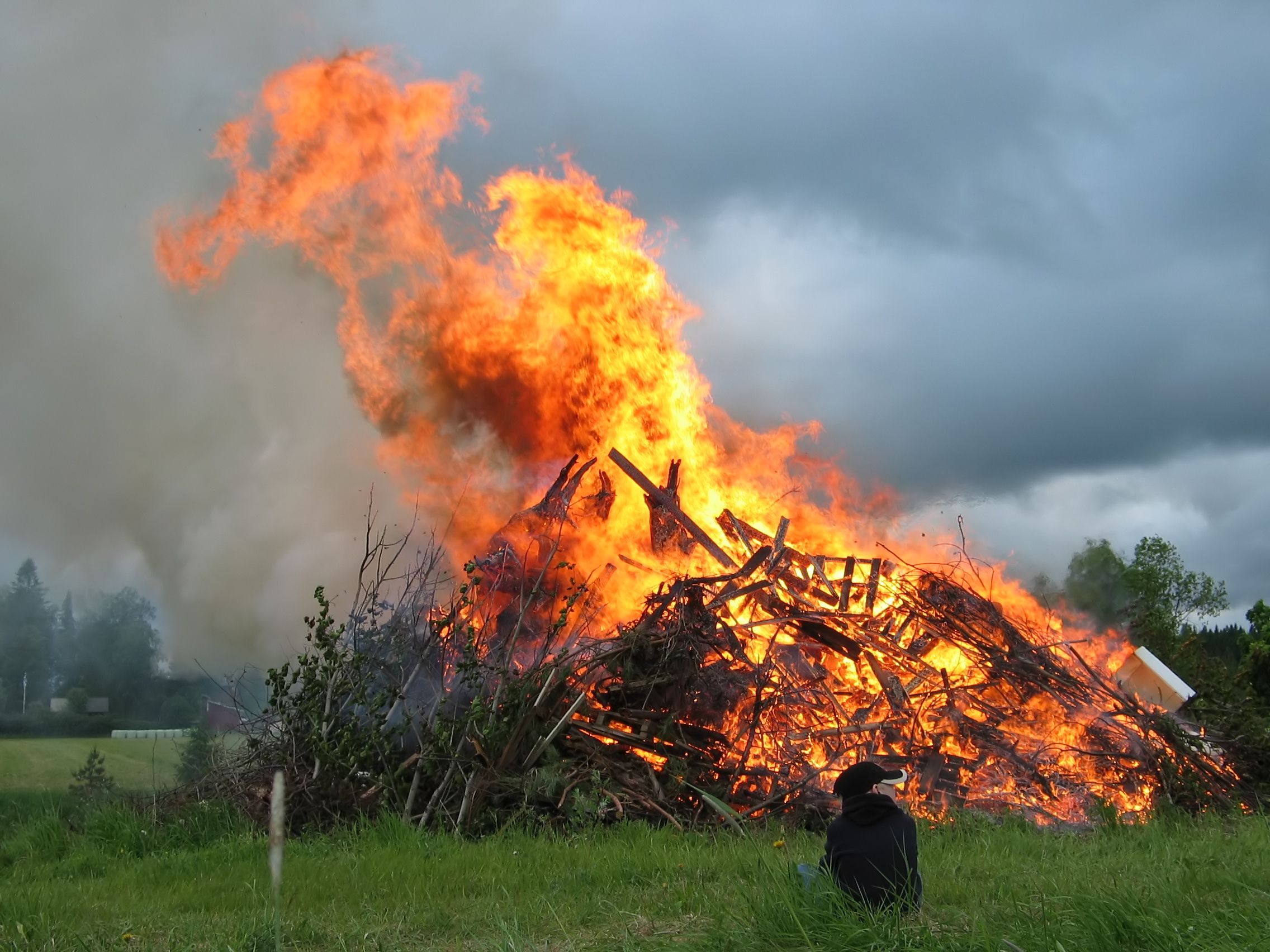
Is wood burning a physical or chemical change?
a)
Physical
b)
Chemical
61.
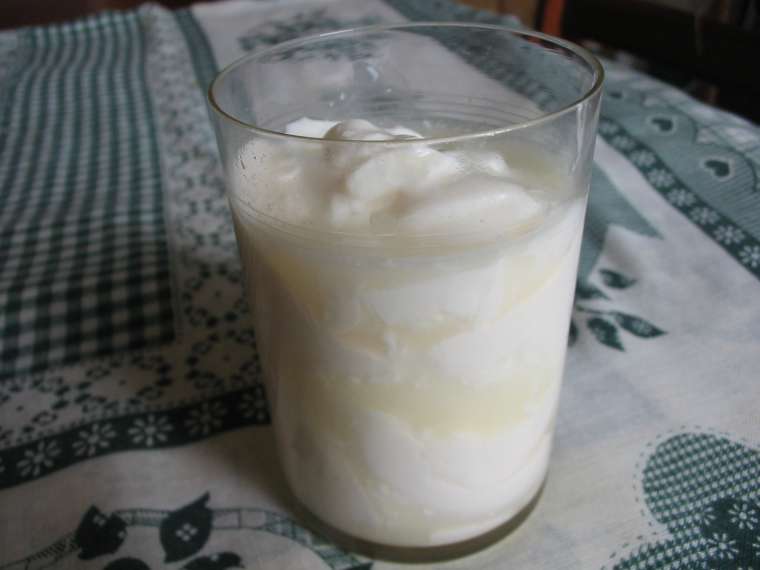
Is milk going sour a physical or chemical change?
a)
Physical
b)
Chemical
62.

Is Gatorade powder dissolving in water physical or chemical change?
a)
Physical
b)
Chemical
63.

Is mold growing on cheese a physical or chemical change?
a)
Physical
b)
Chemical
64.

Is making orange juice a physical or chemical change?
a)
Physical
b)
Chemical
65.

Is sharpening a pencil a physical or chemical change?
a)
Physical
b)
Chemical
66.

Is copper tarnishing a physical or chemical change?
a)
Physical
b)
Chemical
67.

Is the formation of the grand canyon a physical or chemical change?
a)
Physical
b)
Chemical
100 %

