
 Worksheets
Personal Protective Equipment (PPE) Quiz
Total questions: 71
Worksheet time: 36mins
Which of the following PPE items should you be able to properly don, fit, and remove under supervision?
Eye protection, hearing protection, hard hat, gloves
Safety vest, boots, gloves, earplugs
Respirator, safety goggles, boots, helmet
Face shield, apron, gloves, safety shoes
What is the process called where metal parts are joined by fusion using heat produced by an electric arc?
Arc welding
Soldering
Brazing
Riveting
What is silicosis caused by?
Inhalation of crystalline silica particles
Exposure to electric arcs
Inhalation of carbon monoxide
Exposure to ultraviolet radiation
Which of the following diseases is characterized by the obstruction of lung airflow and interference with normal breathing?
Chronic obstructive pulmonary disease (COPD)
Asthma
Pneumonia
Tuberculosis
Which of the following conditions generally fall under the diagnosis of COPD?
Chronic bronchitis and emphysema
Asthma and pneumonia
Silicosis and tuberculosis
Bronchitis and lung cancer
What is the minimum efficiency of High-efficiency particulate arrestance (HEPA) filters?
99.97%
95%
90%
99%
What size of particles can HEPA filters capture?
0.3 microns or larger
0.5 microns or larger
0.1 microns or larger
1 micron or larger
What is a clean room primarily used for?
Storing chemicals
Scientific research and specialized processes
Manufacturing furniture
General office work
What determines the cleanliness level of a clean room?
The number of particles measured per cubic meter of area
The temperature of the room
The humidity level in the room
The type of flooring used
Which of the following is NOT considered a common Personal Protective Equipment (PPE)?
Hard hats
Eye and face protection
Respiratory protection
Casual clothing
What type of PPE is used to protect the hands?
Gloves
Hard hats
Hearing protection
High-visibility clothing
Which PPE is specifically designed to protect the ears?
Respiratory protection
Hearing protection
Eye and face protection
Foot and leg protection
Which PPE is used to protect the feet and legs?
Gloves
Foot and leg protection
High-visibility clothing
Eye and face protection
What type of clothing should be avoided to comply with general work and safety practices?
Loose clothing, baggy shirts, or dragging pants
Long-sleeved shirts
Tucked-in shirts
Shirts worn at all times
When performing welding, how should your shirt be worn?
Untucked
Tucked in
Loose and baggy
Dragging on the floor
What is required for some tasks according to the safety guidelines?
Wearing jewelry
Wearing long-sleeved shirts
Wearing loose clothing
Wearing dragging pants
What is the module number of the learning material?
Module 00101
Module 00202
Module 00303
Module 00404
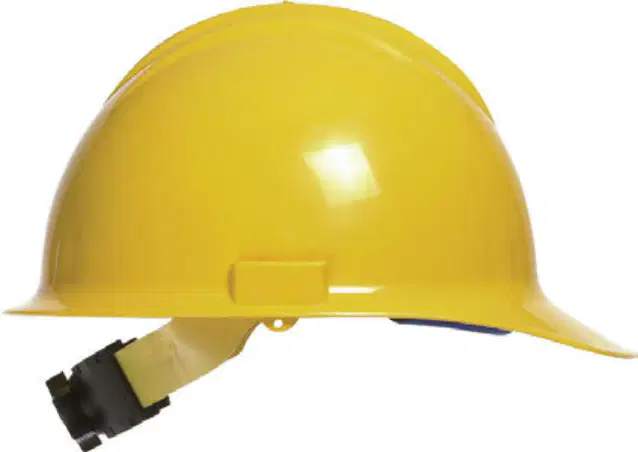
What type of gear is allowed to be worn under a hard hat?
Any type of hat or hoodie.
Employer-approved gear only.
Ball caps and hoodies.
Any gear that fits comfortably.
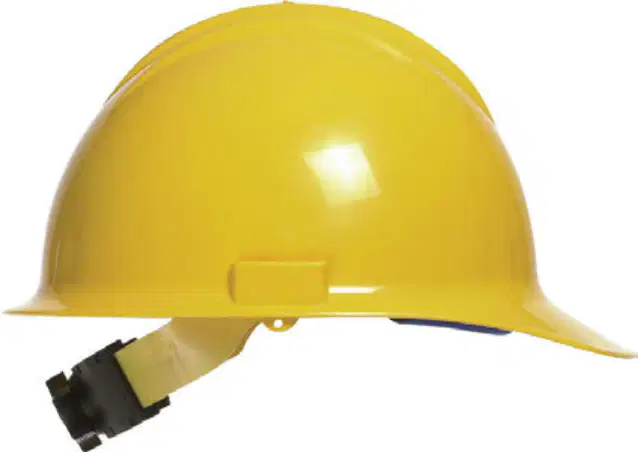
Why should no articles like ball caps or hoodies be worn under a hard hat?
They make the hard hat look unattractive.
They interfere with fit and visibility.
They are not fashionable.
They are too expensive.

What is the primary safety concern with wearing hoodies under a hard hat?
Hoodies can obscure peripheral vision.
Hoodies are not durable.
Hoodies are too warm.
Hoodies are difficult to clean.
What should you do to protect your eyes when there is even the slightest chance of an eye injury?
Avoid wearing any eye protection.
Wear eye protection.
Close your eyes tightly.
Use a hat for protection.
Which of the following is NOT a type of eye protection shown in the image?
Safety Glasses
Tinted Safety Glasses
Safety Goggles
Contact Lenses
What is the purpose of wearing eye protection?
To enhance vision.
To prevent eye injuries.
To look stylish.
To block sunlight only.
Which of the following is an example of eye protection?
Safety Glasses
Tinted Safety Glasses
Safety Goggles
All of the above
What is the purpose of adding face shields over safety glasses?
To enhance style and appearance.
To provide additional protection for certain tasks, such as grinding.
To replace safety glasses entirely.
To block UV rays during outdoor activities.
Which of the following is an example of a face shield shown in the image?
Welding helmet.
Clear Face Shield.
Safety goggles.
Respirator mask.
What type of face shield might be used to reduce glare or block light?
Clear Face Shield.
Tinted Face Shield.
Welding helmet.
Safety goggles.
Why is it important to wear heavy-duty gloves on construction jobs?
To keep your hands warm.
To protect your hands from injuries.
To improve grip while working.
To make your hands look professional.
Which materials are commonly used to make construction work gloves?
Plastic, rubber, and nylon.
Cloth, canvas, and leather.
Wool, silk, and polyester.
Metal, foam, and latex.
What should you ensure about your work gloves before using them?
They are stylish.
They are a good fit.
They are lightweight.
They are colorful.
Which type of footwear should never be worn on a construction site?
Canvas shoes or sandals
Steel-toed boots
Rubber boots
Leather shoes
What should you do if the sole of your boots becomes worn or the shoes have holes?
Continue using them until they completely wear out
Replace them immediately
Cover the holes with tape
Use them only for indoor tasks
Why should oil-soaked shoes not be worn while welding or cutting metal?
They are uncomfortable
They increase the risk of fire
They reduce grip on the floor
They are difficult to clean
What is the recommended way to carry pointed tools like scissors or screwdrivers?
In your pants pockets
In a canvas or leather tool sheath with sharp ends pointing down
In a backpack without any cover
In a toolbox with sharp ends pointing up
What type of protective equipment should be used when operating chainsaws and brush hooks?
Gloves
Shin guards
Safety goggles
Earplugs
Why is it important to consider stability when stepping into or onto locations where materials are stored?
To avoid slipping and falling
To prevent materials from shifting and pinching your legs and/or feet
To ensure proper ventilation
To avoid damaging the materials
What can prolonged exposure to loud noise cause, even if the noise is not loud enough to cause pain?
Temporary ear discomfort
Hearing loss
Increased sensitivity to sound
Improved hearing ability
Which of the following is a type of hearing protection device shown in the image?
Earplugs
Headphones
Earphones
Noise-canceling earbuds
Why does ear damage not always cause pain?
Because the ear is resistant to damage
Because ear damage occurs gradually over time
Because loud noise only affects the outer ear
Because pain receptors are absent in the ear
Which of the following is NOT a hearing protection device?
Earplugs
Earmuffs
Headphones
None of the above
What is the maximum number of hours of continuous exposure per day allowed for a sound level of 95 decibels?
8 hours
6 hours
4 hours
2 hours
Which piece of equipment produces a sound level of 100 decibels?
Power lawn mower
Chain saw
Spray painter
Belt sander
At a sound level of 115 decibels, what is the maximum allowable continuous exposure time per day?
1 hour
0.5 hours
0.25 hours or less
2 hours
Which of the following sound levels corresponds to a belt sander?
90 decibels
92 decibels
97 decibels
105 decibels
If a worker is exposed to a sound level of 102 decibels, what is the maximum number of hours they can be exposed continuously in a day?
2 hours
1.5 hours
1 hour
0.5 hours
Which of the following is considered a respiratory hazard?
Dust from metal grinding
Noise from machinery
Bright lights from welding
Heat from flame cutting
What type of environment is considered a respiratory hazard due to low oxygen levels?
Open fields
Confined spaces
High-altitude areas
Well-ventilated rooms
Which activity can produce toxic fumes that are hazardous to respiratory health?
Welding or flame cutting of some metals
Sweeping floors
Painting walls with a brush
Using a vacuum cleaner
Which chemical is mentioned as a respiratory hazard in the provided material?
Chlorine
Sodium chloride
Carbon dioxide
Nitrogen
Which of the following activities is NOT listed as a respiratory hazard in the material?
Spray painting
Sand blasting
Working with cleaning solvents
Gardening
What is required when working in an area where silica dust is present?
Appropriate respiratory protection, proper training, authorization, and PPE
Only gloves and a face mask
A hard hat and safety boots
No special equipment is needed
What should you never do when working around silica dust?
Work without proper training, authorization, and PPE
Use a respirator
Wear protective clothing
Follow safety guidelines
What is asbestos and why is it considered hazardous?
A type of metal that is safe for construction
A hazardous material that can harm your lungs
A harmless material used in modern insulation
A type of plastic used in roofing
What health issues can prolonged exposure to asbestos cause?
Heart disease and diabetes
Lung cancer, asbestosis, and mesothelioma
Skin irritation and allergies
High blood pressure and stroke
Which of the following is NOT a source of asbestos?
Floor tiles
Pipe insulation
Drywall compounds
Plastic bottles
What is asbestosis?
A type of lung infection caused by bacteria
Scarring of the lung tissue due to asbestos exposure
A condition affecting the heart valves
A skin disease caused by asbestos
Which building materials are commonly associated with asbestos?
Reinforced plaster and roofing materials
Glass and steel
Plastic and rubber
Wood and concrete
What type of respirator uses a chemical canister to filter out harmful substances?
Supplied air mask
Self-contained breathing apparatus (SCBA)
Full facepiece mask with chemical canister (gas mask)
Half mask with mechanical filter
Which type of respirator uses a mechanical filter to remove particles from the air?
Supplied air mask
Self-contained breathing apparatus (SCBA)
Full facepiece mask with chemical canister
Half mask or mouthpiece with mechanical filter
Which type of respirator relies on an external air supply for breathing?
Supplied air mask
Self-contained breathing apparatus (SCBA)
Full facepiece mask with chemical canister
Half mask with mechanical filter
What should you follow when choosing the type of respirator for a particular job?
Personal preferences
Company and government procedures
Recommendations from coworkers
Random selection
What should you ensure before wearing a respirator?
That it matches your outfit
That it is safe for you to wear
That it is the most expensive model
That it is lightweight
What type of respiratory protective device should you use for hazardous materials?
Any device available
The most affordable device
The appropriate device for the hazardous material and nature of the work
A device recommended by a friend
When is eye protection required on a job site? Pick the best response.
In bright sunlight
At all times
When welding
When using a drill
When is eye protection required on a job site? Pick the best response.
In bright sunlight
At all times
When welding
When using a drill
What type of glove should an electrician wear?
Fitted work gloves
Gloves with cuffs
Mesh gloves
Rubber-insulated
What type of glove should an electrician wear?
Fitted work gloves
Gloves with cuffs
Mesh gloves
Rubber-insulated
What type of footwear should never be worn on a job site?
Steel-toed boots
New boots
Canvas shoes
Leather boots
What type of footwear should never be worn on a job site?
Steel-toed boots
New boots
Canvas shoes
Leather boots
What is the name of the lung disease that you can get from inhaling silica dust?
Silicate
Pneumonia
Asthma
Silicosis
What is the name of the lung disease that you can get from inhaling silica dust?
Silicate
Pneumonia
Asthma
Silicosis

