
 Worksheets
Circulatory System, Heart, Blood, Blood Vessels & Blood Flow
Total questions: 30
Worksheet time: 45mins
What is the primary function of the circulatory system?
To digest food
To produce hormones
To transport oxygen and nutrients to cells
To regulate body temperature
Which chamber of the heart does deoxygenated blood enter first?
Left ventricle
Right atrium
Left atrium
Right ventricle
What is the name of the valve that deoxygenated blood passes through to enter the right ventricle?
Pulmonary valve
Tricuspid valve
Aortic valve
Mitral valve
Which blood vessel carries deoxygenated blood from the heart to the lungs?
Pulmonary vein
Aorta
Superior vena cava
Pulmonary artery
What happens to blood in the lungs?
It absorbs waste products
It releases nutrients
It picks up oxygen
It delivers oxygen to cells
Which blood vessel carries oxygenated blood back to the heart from the lungs?
Inferior vena cava
Aorta
Pulmonary vein
Pulmonary artery
What is the name of the valve that oxygenated blood passes through to enter the left ventricle?
Aortic valve
Mitral valve
Pulmonary valve
Tricuspid valve
Which chamber of the heart pumps oxygenated blood to the body?
Left ventricle
Right atrium
Right ventricle
Left atrium
What is the largest artery in the body?
Inferior vena cava
Pulmonary artery
Aorta
Superior vena cava
What happens in the capillaries?
Oxygen and nutrients are delivered to cells
Blood is pumped to the lungs
Deoxygenated blood enters the heart
Oxygenated blood is stored
What is the role of veins in the circulatory system?
To pump blood to the lungs
To deliver nutrients to cells
To carry deoxygenated blood back to the heart
To carry oxygenated blood to the body
Which blood vessels merge into venules?
Arteries
Capillaries
Pulmonary veins
Aorta
What is the function of the superior and inferior vena cava?
To deliver nutrients to cells
To carry deoxygenated blood to the heart
To pump blood to the lungs
To carry oxygenated blood to the body
Which valve prevents the backflow of blood from the aorta into the heart?
Pulmonary valve
Mitral valve
Aortic valve
Tricuspid valve
What is the sequence of blood flow starting from the right atrium?
Right atrium → Right ventricle → Pulmonary artery → Lungs
Right atrium → Left atrium → Pulmonary vein → Lungs
Right atrium → Left ventricle → Pulmonary artery → Lungs
Right atrium → Right ventricle → Aorta → Lungs


prevents backwards flow of blood in the heart
Aorta
Valve
Atrium
Capillaries

What part of this circulatory system receives oxygen-rich blood from the lungs and pumps it to the left ventricle?
left atrium
right atrium
left ventricle
right ventricle

What part of this system pumps the oxygen-poor blood through the pulmonary valve to the lungs?
Right ventricle
Left ventricle
Right atrium
Left atrium

What is the function of the blood?


Which type of blood vessel has thinner walls?
artery
vein

What type of blood vessel is the smallest and has the thinnest walls?
capillaries
arteries
platelets
veins
The following are all components of blood. Match the component to its description
White blood cells
Cells of the immune system
Red blood cells
Transport oxygen from the alveoli to the body cells
platelets
cellular fragments that help with blood clotting
Plasma
Most of the blood volume, contains dissolved substances

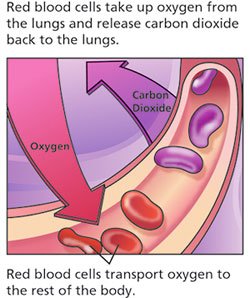
These cells, in the blood, carry oxygen and give the blood its color.
white blood cells
plasma
platelets
red blood cells
Formed in the bone marrow, they are small cells that have important function of clotting of the blood
white blood cells
red blood cells
platelets
leukocytes
Which heart disease is characterized by the narrowing of the coronary arteries?
Myocardial infarction
Atherosclerosis
Arrhythmia
Cardiomyopathy
Which of the following is a common symptom of coronary artery disease?
Frequent urination
Chest pain (angina)
Blurred vision
Hair loss

