
 Worksheets
Physical Disabilities: Understanding and Examples
Total questions: 32
Worksheet time: 48mins

Which of the following best defines a physical disability?
A condition that limits one or more basic physical activities in life
A condition that only affects mental abilities
A temporary feeling of tiredness
A disease that only affects children
Which of the following is NOT an example of a physical disability?
Cerebral palsy
Spinal cord injuries
Common cold
Amputation
Physical disabilities can be caused by which of the following?
Inherited or genetic disorders
Serious illnesses
Injury or accident
All of the above
Why might two students with the same physical disability diagnosis experience it differently?
Because physical disabilities are highly individualized
Because all disabilities are the same for everyone
Because only adults can have physical disabilities
Because physical disabilities never change
A student has difficulty walking and climbing stairs due to a condition acquired after an accident. According to the material, how would this condition be classified?
A physical disability
A learning disability
A visual impairment
A speech disorder
Which of the following lists only includes examples of physical disabilities?
Epilepsy, Dwarfism, Spina bifida
Asthma, Diabetes, Flu
Dyslexia, ADHD, Autism
Color blindness, Nearsightedness, Migraine
What is the most common motor disability present at birth?
Cerebral palsy
Spinal cord injury
Muscular dystrophy
Multiple sclerosis
Which of the following is a possible symptom of severe cerebral palsy?
Needing special equipment to walk and lifelong care
Complete recovery after physical therapy
No impact on movement or balance
Sudden improvement in muscle strength
Which statement best describes the symptoms of cerebral palsy?
They vary from person to person
They are always the same for everyone
They only affect adults
A person with mild cerebral palsy may:
Walk awkwardly but may not need special assistance
Be unable to move any muscles
Require immediate surgery
Have no symptoms at all
Which of the following is NOT a symptom of cerebral palsy?
Sudden improvement in muscle control
Muscle stiffness
Difficulty walking
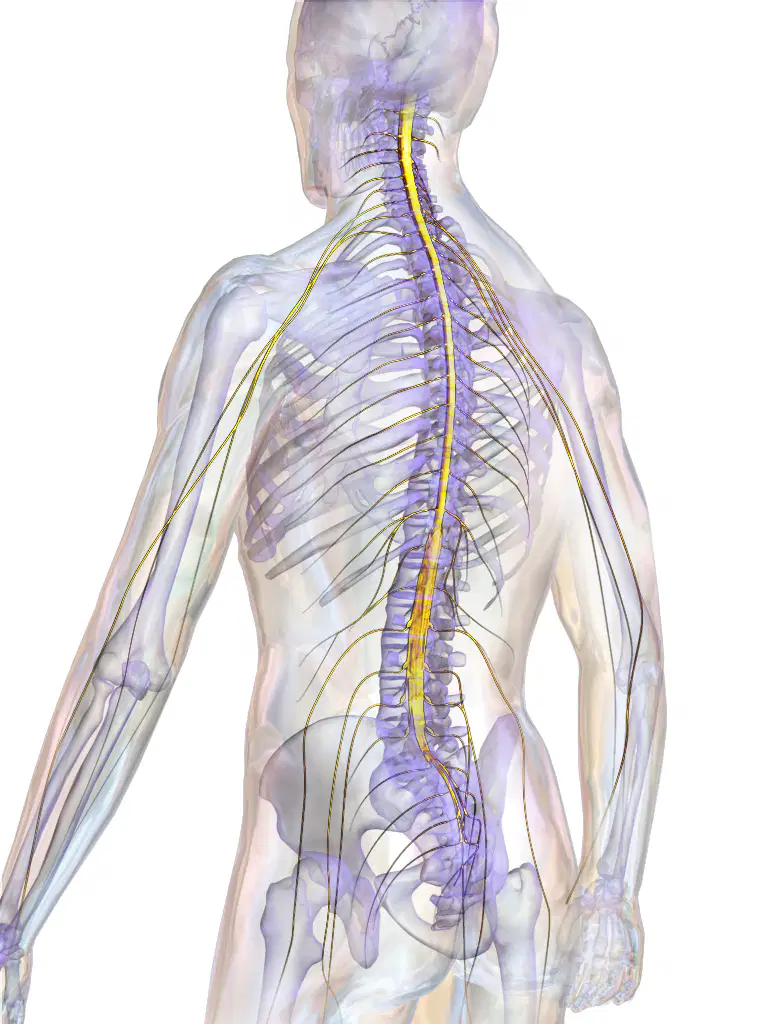
What does a spinal cord injury result in?
Permanent loss of strength, sensation, and function
Temporary headache
Improved mobility

Which part of the body is affected by a spinal cord injury?
Spinal cord or nerves at the end of the spinal canal
Heart and lungs
Stomach and intestines
Eyes and ears
Explain why the symptoms of cerebral palsy can differ from person to person. (DoK Level 2)
Because the severity and areas of brain damage can vary
Because it only affects adults
Because it is caused by infections
What does the term "amputation" refer to?
Removal of part or all of a body part
Swelling of a body part
Infection of a body part
Healing of a body part
Which of the following is NOT a common cause of amputation?
Accident
Animals attack
Surgery
Allergies
Spina bifida is best described as:
A birth defect where the spine and spinal cord do not form properly
A viral infection of the spine
A broken bone in the leg
A type of muscle strain
Babies with spina bifida experience which of the following symptoms?
Paralysis or weakness in the legs, bowel and bladder incontinence
Frequent headaches
Loss of vision
Hearing loss
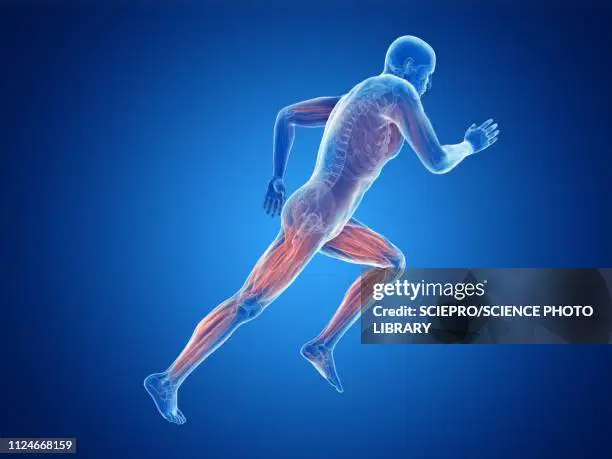
What are musculoskeletal injuries?
Damage to the muscular or skeletal systems, usually due to strenuous activities.
Damage to the nervous system caused by infections.
A type of skin disease caused by bacteria.
A condition affecting the digestive system.
Which of the following is the most common cause of work-related musculoskeletal injuries?
Frequent and repetitive work that requires awkward postures.
Exposure to loud noises.
Working in low-light conditions.
Handling hazardous chemicals.
Epilepsy is best described as which of the following?
A neurological condition with recurring seizures due to a sudden burst of electrical activity in the brain.
A disease of the muscular system causing weakness.
A chronic infection of the lungs.
A disorder of the digestive system.
Which of the following is NOT a possible effect of seizures in epilepsy?
Improved memory
Unusual movements
Odd feelings or sensations
Loss of consciousness
Some people with epilepsy can control their seizures with medication. What does this imply about the condition?
It is not lifelong for every person.
It always gets worse over time.
It cannot be treated at all.
It only affects children.

What does the image above most likely represent?
Musculoskeletal injuries caused by strenuous activities.
People exercising for fitness.
A group therapy session.
A sports competition.

Based on the image above, which condition is being illustrated?
Epilepsy
Asthma
Diabetes
Arthritis

What is Tourette syndrome?
A neurological disorder involving involuntary and repetitive tics
A digestive disorder causing stomach pain
A skin condition causing rashes
A respiratory disorder causing coughing
Which of the following is an example of a vocal tic in Tourette syndrome?
Sniffing
Eye blinking
Shrugging
Nose twitching

What is the generally accepted adult height for someone to be defined as having dwarfism?
5 feet 2 inches or less
4 feet 10 inches or less
5 feet 6 inches or less
4 feet 6 inches or less
Dwarfism is caused by which of the following?
Abnormal skeletal growth
Poor nutrition
Lack of exercise
Excessive sleep
Explain the difference between vocal tics and motor tics in Tourette syndrome, providing examples of each.
Vocal tics involve sounds like sniffing or throat clearing, while motor tics involve movements like eye blinking or shrugging.
Vocal tics involve movements like eye blinking, while motor tics involve sounds like sniffing.
Both vocal and motor tics involve only movements.
Both vocal and motor tics involve only sounds.
What is the average height of someone with dwarfism?
4 feet
5 feet
6 feet
3 feet
Which of the following is a possible developmental challenge for children with dwarfism?
Delay developing motor skills
Difficulty with reading
Trouble with vision
Delay in language development

