
 Worksheets
Chapter 3: Traffic Management & Control Introduction
Total questions: 12
Worksheet time: 6mins
Traffic jams increase travel cost in terms of money and time. Which analytical metric would best capture this impact for decision-making?
Number of registered vehicles
Average travel time and variability (reliability) per trip, monetized into user costs
Fuel octane rating
Total length of road network
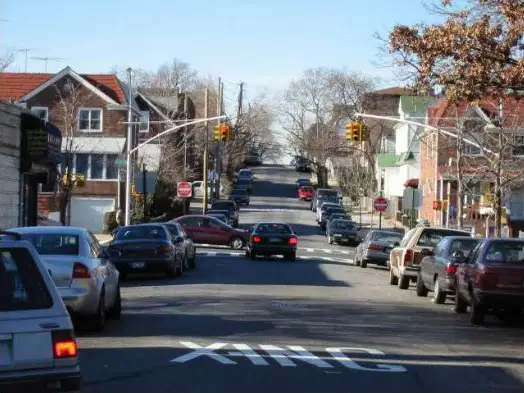
A neighborhood is considering converting a bidirectional collector to one-way operation. Based on the listed advantages, which outcome most strongly justifies this change when aiming to improve both traffic flow and safety?
Higher driver comfort due to scenic views
Reduced head-on collision potential and increased capacity by simplifying conflict points
Lower maintenance costs for pavement markings
Elimination of rear-end collisions
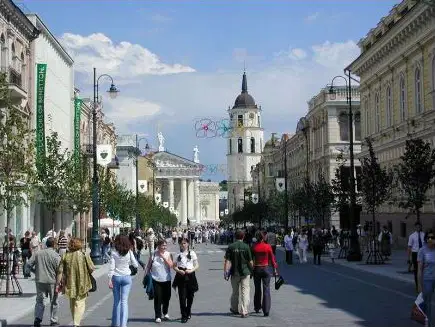
Which combination most directly meets the stated objectives of pedestrian segregation shown (reducing pedestrian–vehicle conflicts, enhancing safety, and enforcing ‘No Jaywalking’)?
Pedestrian precincts, guardrails along sidewalks, and planting strips separating sidewalks from the carriageway
Unsignalized mid-block crossings and shared streets
Higher speed limits for vehicles adjacent to sidewalks
Removing sidewalks to encourage pedestrians to use roadside shoulders
A narrow, abrupt device primarily used in parking lots to enforce very low speeds is best described as which of the following?
Speed table
Speed bump
Raised intersection
Speed hump
Selecting a calming measure for a neighborhood where emergency vehicle access must be maintained and vertical deflections are discouraged: which horizontal device from the images offers speed control without vertical bumps and allows flexible alignment?
Speed table
Chicane
Raised intersection
Rumble strip
Textured paving
For a large multi‑leg junction requiring yield‑at‑entry and deflected approaches, which image‑based measure is most appropriate?
Roundabout
Traffic circle
Choker
Neckdown
Central island narrowing
Which calming technique would most directly slow vehicles making right turns at an intersection by tightening the effective turning radius?
Choker
Roundabout
Neckdown
Central island narrowing
Traffic circle
Identify the technique that uses sensors and automatic adjustments to speed limits when congestion thresholds are exceeded.
Queue warning.
Ramp metering.
Speed harmonisation.
Dynamic lane marking.
In speed harmonisation, what role do sign gantries play?
They physically narrow lanes to slow traffic.
They provide speed limits and additional information depending on roadway conditions.
They collect tolls from drivers.
They enforce lane closures permanently.
Considering the queue warning description, which operational planning decision aligns with its benefits?
Allow large speed differentials near bottlenecks to maximize throughput.
Deploy portable warning signs with flashing lights upstream of expected backups to prompt lane changes and smoother merging.
Disable dynamic systems during incidents to avoid driver distraction.
Keep all lanes open without any guidance during peak periods.
Which ATM component most directly informs drivers about whether the hard shoulder is open or closed to traffic?
Overhead dynamic lane control signs and VMS
Pavement skid resistance
Manual flaggers
Median barriers
In terms of operational strategy, dynamic message signs are used to:
Display fixed regulatory signs only
Communicate real-time lane status, speed advisories, and incident information
Provide pedestrian countdowns
Show advertising during off-peak

