
Font size
 Worksheets
Week 4 CARDIO
Total questions: 150
Worksheet time: 1hrs 15mins
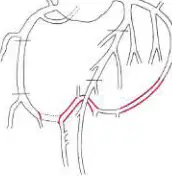
In a dominant left coronary system, which vessels typically originate from the left circumflex artery (LCX)?
Posterior descending artery and postero-lateral branches
Left anterior descending and septal perforators
Right coronary artery and conus branch
Obtuse marginal and sinoatrial nodal artery
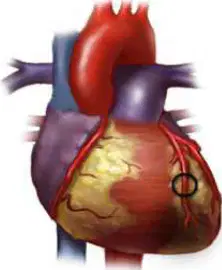
Which statement best describes a balanced coronary system?
Both PDA and postero-lateral branches arise from the RCA
PDA arises from the RCA while LV postero-lateral branches arise from the LCX
Both PDA and postero-lateral branches arise from the LCX
PDA arises from the LAD while postero-lateral branches arise from the RCA
Coronary perfusion predominantly occurs during which phase of the cardiac cycle?
Early systole
Late systole
Diastolic phase
Isovolumic contraction
Which factor directly impedes coronary blood flow according to the material?
Increased hemoglobin concentration
Myocardial contraction
Lower heart rate
Epicardial location in grooves
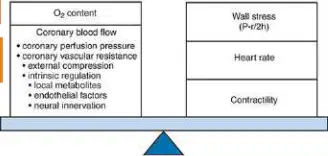
In the supply vs demand framework, vigorous exercise primarily requires what change to meet myocardial oxygen demand?
Decreased coronary artery flow
Increased delivery of oxygen to the myocardium
Reduced wall stress
Lower heart rate
Which intervention listed is specifically noted to slow heart rate in this material?
Nitrates and dihydropyridine calcium channel blockers
Beta blockers and non-dihydropyridine calcium channel blockers
ACE inhibitors and statins
Aspirin and anticoagulants

During the cardiac cycle, which phase varies with heart rate according to the material?
Systole varies; diastole remains constant
Both systole and diastole vary equally
Diastole varies; systole remains constant
Neither phase varies with heart rate
Which sequence best represents the developmental progression of atherosclerotic lesions described in the pathophysiology slide?
Fibrous plaque → fatty streak → foam cells → complicated lesion
Foam cells → fatty streak → intermediate lesion/atheroma → fibrous plaque → complicated lesion/rupture
Fatty streak → foam cells → fibrous plaque → thrombus → normal artery
Complicated lesion → intermediate lesion → foam cells → fibrous plaque
Which statement best defines the principle of ischemic heart disease in Coronary Artery Disease (CAD)?
Imbalance between myocardial oxygen supply and demand due to atherosclerotic coronary disease
Excessive myocardial oxygen supply caused by vasospasm only
Normal oxygen balance with transient conduction delays
Reduced systemic oxygen content from lung disease only
What is the major underlying cause of Coronary Artery Disease according to the material?
Myocarditis
Atherosclerosis
Pericarditis
Congenital coronary anomalies
Which description correctly characterizes atherosclerosis in CAD?
Rapid-onset disease that resolves spontaneously within weeks
Slow, progressive disease that begins in childhood and takes decades to advance
Acute inflammatory process limited to the myocardium
Degenerative valve disease unrelated to the endothelium
Plaque formation in coronary arteries is described as the build-up of lipids (cholesterol) forming as a response to which initiating event?
Injury to the endothelium in the artery wall
Loss of myocardial contractility
Vagal stimulation of the heart
Destruction of cardiac valves
Which statement differentiates stable angina from unstable angina in the context of ischemic heart disease?
Stable angina has increased frequency at rest and high MI risk; unstable angina is relieved by rest
Stable angina is a chronic pattern precipitated by exertion or emotional upset and relieved by rest; unstable angina is part of acute coronary syndrome with increased frequency and duration, sometimes at rest
Stable angina always shows ST elevation; unstable angina shows no ECG changes
Stable angina causes myocardial necrosis; unstable angina never requires treatment
Which feature is typical of stable angina episodes?
ST segment elevation with permanent myocardial damage
Temporary depression of the ST segment without permanent myocardial damage
No ECG changes and prolonged necrosis
Immediate thrombus formation in the coronary artery
Acute Myocardial Infarction in CAD most commonly results from which mechanism?
Coronary vasodilation during exercise
Prolonged cessation of blood supply due to acute thrombus at the site of coronary atherosclerotic stenosis
Increased oxygen delivery from collateral vessels
Transient arrhythmia without ischemia
Which intervention is listed under guideline management as primary and secondary prevention for coronary artery disease?
Statins
Calcium channel blockers
Nitrates
Antiplatelet agents
A principal goal of therapy for ischemic heart disease is to decrease myocardial oxygen demand by reducing inotropic and chronotropic activity. Which strategy directly supports this goal?
Increase venous return to the heart
Maximize coronary vasodilatation
Reduce force and rate of myocardial contraction
Increase fibrin clot formation
According to the nitrates/nitrite section, which side effect is commonly associated with nitrate use?
Bradycardia
Transient throbbing headache
Hyperglycemia
Constipation

Which of the following is a beneficial effect of nitrates in the therapy of angina?
Reflex tachycardia
Increased myocardial oxygen requirement
Vasodilation of epicardial coronary arteries relieving coronary artery spasm
Decreased coronary perfusion

Calcium channel blockers in angina primarily act to:
Increase myocardial oxygen demand and decrease supply
Decrease myocardial oxygen requirements and increase myocardial oxygen supply
Increase systemic vascular resistance and blood pressure
Stimulate beta-2 receptors to promote vasodilation

Which statement best characterizes nifedipine among dihydropyridine CCBs?
It is newer with slower and longer duration of action
It can cause a fall in blood pressure with a trigger increase in heart rate and has been associated with increased MI frequency due to stealing phenomenon
It is primarily used as a first-line agent before beta blockers and nitrates
It increases left ventricular contractility

Non-dihydropyridine CCBs (phenylalkylamine & benzothiazepine) in stable angina are typically:
Primary agents used before beta blockers
Secondary agents considered after beta blockers and nitrate therapy
Contraindicated in left ventricular dysfunction
Known to increase inotropic effects substantially

Amlodipine compared with older dihydropyridines is:
Associated with abrupt cessation tachycardia and MI
Newer DHP with slower, longer duration and mildly decreased inotropic effects
Known to increase mortality in advanced heart failure when added to ACE inhibitor, diuretic, and digoxin
Short-acting with rapid onset causing reflex tachycardia

Which beta blocker outcome is emphasized for patients after acute myocardial infarction?
Increase vasospasm episodes
Decrease mortality after myocardial infarction
Increase myocardial oxygen demand by increasing heart rate
Preferable in predominant coronary artery vasospasm

In stable angina, symptomatic improvement and better outcomes have been observed with which therapy compared to calcium channel blockers?
Long-acting nitrates
Beta blockers
Amlodipine
Nicardipine

Abrupt cessation of beta blockers may lead to which complication?
Bradycardia and hypotension
Tachycardia, angina, or myocardial infarction
Hyperkalemia
Pulmonary edema
Which change in heart rate is typically seen with nitrates alone in angina pectoris therapy?
Decrease
Increase (reflex)
No change
Variable depending on dose
In chronic stable angina, which combination is generally recommended as initial pharmacotherapy?
Beta blocker plus long-acting nitrate or a calcium channel blocker (not verapamil)
Verapamil alone
Short-acting nitrate only
Digoxin plus amiodarone
Which statement best describes the effect of combined nitrates with β-blockers on arterial pressure in angina pectoris?
Increase arterial pressure
Decrease arterial pressure
No change in arterial pressure
Arterial pressure may increase or decrease
Primary coronary vasospasm (Prinzmetal angina) should be treated with which of the following?
Beta blockers
Nitrates and calcium channel blockers
Digoxin
Amiodarone
Which adverse effect is a potential complication associated with beta-blockers?
Hyperreflexia
Improved exercise tolerance
Insomnia and unpleasant dreams
Hyperglycemic ketoacidosis
To minimize nitrate tachyphylaxis, which strategy aligns with guideline-based management?
Continuous 24-hour dosing without breaks
Use long-acting nitrates with a daily nitrate-free interval
Combine nitrates with digoxin
Avoid calcium channel blockers
Patients with chronic heart failure requiring antianginal therapy should preferentially receive which regimen according to the guidance?
Short-acting nitrates only
Long-acting nitrates, adding amlodipine if additional therapy is needed
Verapamil monotherapy
High-dose β-blockers combined with verapamil
Beta blockers should be combined very cautiously with which agents due to potential for excessive bradycardia or CHF in left ventricular dysfunction?
Amlodipine
Verapamil or diltiazem
Nitrates
Ivabradine
Which statement best describes the mechanism of calcium channel blockers (CCBs) in angina treatment?
They increase intracellular calcium in vascular smooth muscle to enhance contraction
They block L-type calcium channels, reducing calcium influx and causing vasodilation
They inhibit β1 receptors in the heart to reduce heart rate and contractility
They increase nitric oxide production to dilate coronary arteries
Dihydropyridine calcium channel blockers primarily exert which effect that benefits patients with angina?
Negative chronotropy with marked heart-rate reduction
Peripheral vasodilation leading to decreased afterload
Direct inhibition of platelet aggregation
Enhanced myocardial contractility
Which agent class is most associated with bradycardia and atrioventricular (AV) block as potential adverse effects?
Nitrates
Dihydropyridine CCBs
Non-dihydropyridine CCBs
Thrombolytics
Non-dihydropyridine CCBs (e.g., verapamil, diltiazem) are indicated in angina primarily for which therapeutic action?
Reduction of myocardial oxygen demand via heart-rate and contractility suppression
Increasing coronary perfusion by stimulating nitric oxide
Enhancing platelet inhibition
Promoting diuresis to lower preload
Which statement accurately describes the mechanism of beta blockers in angina management?
They antagonize β1 receptors, lowering heart rate and contractility to decrease oxygen demand
They stimulate β2 receptors, causing coronary vasodilation
They block calcium influx in vascular smooth muscle
They release nitric oxide from endothelium
Which is a typical contraindication to beta blocker use in angina?
Essential hypertension
Stable coronary artery disease without heart failure
Severe asthma or bronchospasm
Hyperlipidemia
A patient with angina and resting bradycardia requires vasodilatory therapy without further heart-rate reduction. Which drug class is most appropriate?
Non-dihydropyridine CCBs
Beta blockers
Dihydropyridine CCBs
Class I antiarrhythmics
In a patient with Prinzmetal (variant) angina, which class is preferred due to coronary vasodilation without negative inotropic effects?
Beta blockers
Dihydropyridine calcium channel blockers
Non-dihydropyridine calcium channel blockers
Nitrates only
Which condition is an absolute contraindication to initiating a non-selective beta blocker in a patient with chronic stable angina?
Controlled hypertension
Severe asthma with active bronchospasm
Type 2 diabetes mellitus managed with metformin
Stable peripheral vascular disease
A patient on long-acting nitrates develops reflex tachycardia. Which strategy leveraging beta blocker pharmacology best mitigates this effect without compromising myocardial oxygen supply?
Add a short-acting dihydropyridine calcium channel blocker
Increase nitrate dose to maximize venodilation
Add a cardioselective beta-1 blocker to blunt sympathetic drive
Switch to immediate-release nitrate formulations
Which clinical scenario warrants caution or dose adjustment when prescribing beta blockers due to potential masking of hypoglycemia?
Elderly patient with osteoarthritis
Patient with insulin-treated diabetes
Patient with mild allergic rhinitis
Athlete with patellar tendinopathy
In constructing a drug selection plan for chronic stable angina, which sequence reflects evidence-based first-line therapy and escalation?
Start with nitrates; if symptoms persist, add ranolazine; then consider beta blocker
Begin with beta blocker; add long-acting nitrate if angina persists; consider calcium channel blocker if still symptomatic
Initiate calcium supplements; add aspirin; consider proton pump inhibitor
Start with ivabradine in all patients; add loop diuretic if needed
Which beta blocker property is most appropriate for a patient with angina and moderate chronic obstructive pulmonary disease (COPD)?
Intrinsic sympathomimetic activity to maintain heart rate
Non-selective beta blockade to reduce peripheral resistance
Cardioselective beta-1 blockade to minimize bronchial beta-2 inhibition
Combined alpha and beta blockade to enhance vasodilation
Concurrent use of nitrates with beta blockers provides what net hemodynamic benefit in chronic stable angina management?
Increases preload and heart rate
Reduces myocardial oxygen demand via decreased heart rate and preload
Elevates afterload to improve coronary perfusion
Primarily increases contractility
Which antiplatelet drug is an irreversible cyclooxygenase-1 (COX-1) inhibitor that reduces thromboxane A2–mediated platelet aggregation?
Aspirin
Clopidogrel
Ticagrelor
Prasugrel
Clopidogrel and prasugrel are classified as which type of antiplatelet agents?
Direct thrombin inhibitors
P2Y12 receptor antagonists (thienopyridines)
GPIIb/IIIa inhibitors
Factor Xa inhibitors
Which P2Y12 inhibitor is reversible and not a thienopyridine, offering faster onset and offset of platelet inhibition?
Aspirin
Clopidogrel
Ticagrelor
Prasugrel
For patients with coronary heart disease (CHD), what is the typical target for low-density lipoprotein cholesterol (LDL-C) when using diet and drug therapy?
LDL-C < 160 mg/dL
LDL-C < 130 mg/dL
LDL-C < 100 mg/dL (or < 70 mg/dL in very high risk)
LDL-C < 50 mg/dL for all
Which statement best describes the Healthy Heart Diet recommended for CHD patients?
High saturated fat, low fiber, and increased sodium
Emphasizes fruits, vegetables, whole grains, lean proteins, and limited saturated/trans fats
Ketogenic diet with minimal carbohydrates
High-protein, low-fat diet with unrestricted sugar
Therapeutic Lifestyle Change (TLC) diet most directly aims to reduce which lipid parameter through reduced saturated fat and cholesterol intake plus plant stanols/sterols?
HDL-C
Triglycerides
LDL-C
Lipoprotein(a)
Which drug class is first-line for lowering LDL-C and reducing cardiovascular events in CHD?
Bile acid sequestrants
Nicotinic acid (niacin)
Statins (HMG-CoA reductase inhibitors)
Omega-3 fatty acids
Which lipid-lowering therapy works by binding bile acids in the intestine to increase fecal excretion and upregulate LDL receptors?
Statins
Bile acid sequestrants
Nicotinic acid
PCSK9 inhibitors
Which statement best defines Acute Coronary Syndrome (ACS) in the context of cardiovascular emergencies?
A group of conditions resulting from decreased coronary blood flow causing acute myocardial ischemia
A chronic valve disease leading to heart failure over years
An arrhythmic disorder characterized by abnormal electrical conduction without ischemia
A congenital malformation of the coronary arteries detected in infancy
Which topic is most central to the introductory discussion of ACS in this section?
Electrolyte abnormalities in renal failure
Overview of ACS and coronary artery anatomy
Pulmonary embolism diagnostics
Chronic heart failure medication titration
Why is ACS considered life-threatening in emergency care?
It rarely causes symptoms
It is associated with significant mortality if not rapidly diagnosed and treated
It only affects peripheral circulation
It is self-limited and resolves without intervention
Which anatomical focus is introduced alongside ACS to support clinical understanding?
Cerebral arterial circle of Willis
Coronary artery anatomy
Pulmonary arterial tree
Renal microvasculature
Which statement about mortality in ACS aligns with the section’s emphasis?
Mortality from ACS is negligible with any care
ACS has notable mortality rates, underscoring urgent management
Mortality is solely due to congenital coronary anomalies
Mortality is primarily from non-cardiac chest pain
Which anti-ischemic medication is recommended as a sublingual agent in the initial management step for suspected ACS with ST-segment elevation?
Nitroglycerin (IV infusion)
Isosorbide dinitrate (ISDN) 5 mg sublingual
Beta-blocker oral
Ranolazine
In the antiplatelet component of initial ACS management, which regimen is specified?
Aspirin 75 mg enteric-coated swallowed whole
Aspirin 160 mg chewed and non–enteric-coated; plus clopidogrel 300 mg or ticagrelor 180 mg
Clopidogrel 75 mg alone
Ticagrelor 90 mg twice daily only
According to the reperfusion strategy flow, what is the preferred approach for a STEMI diagnosis in a primary PCI–capable center when timely PCI is available?
Immediate fibrinolysis
Primary PCI
Delayed coronary angiography after 24 hours
Rescue PCI only if shock develops
Which pairing correctly categorizes reperfusion strategies as Mechanical versus Pharmacological?
Mechanical: fibrinolytic; Pharmacological: primary PCI
Mechanical: primary PCI; Pharmacological: fibrinolytic
Mechanical: coronary angiography; Pharmacological: PCI
Mechanical: aspirin loading; Pharmacological: stent placement
For a STEMI patient in a non–PCI-capable hospital presenting early (<3 hours) without contraindications, what reperfusion strategy is indicated?
Primary PCI at the same hospital
Immediate fibrinolytic therapy
Observation and repeat ECG only
Transfer for elective angiography after 12 hours
Which scenario favors primary PCI according to the strategy summary?
Non–PCI-capable hospital with onset >12 hours
Primary PCI–capable hospital with 24-hour cath lab service and within 12 hours of symptom onset or when fibrinolytic is contraindicated
Any hospital beyond 24 hours from symptom onset
Patient stabilized after fibrinolysis only
Which of the following is listed as an absolute contraindication to fibrinolytic therapy?
Remote ischemic stroke >1 year ago
Active internal bleeding (not menses)
Controlled hypertension with systolic 140 mmHg
Age >75 years
After fibrinolytic therapy, which next-step interventions are included in the reperfusion strategy?
No further interventions
Coronary angiography and PCI
Beta-blocker infusion only
Repeat fibrinolysis within 1 hour

Which reperfusion strategy is categorized as a mechanical intervention for STEMI management?
Streptokinase
Alteplase
Primary PCI with balloon/stent
Fibrinolysis

In the context of fibrinolytic therapy, which agent listed is a thrombolytic used in ACS?
Balloon
Stent
Streptokinase
Contrast dye
During initial evaluation for suspected UA/NSTEMI, biomarkers that are positive most likely indicate which diagnosis?
Unstable angina (UA)
NSTEMI
STEMI has already ruled out
Pericarditis
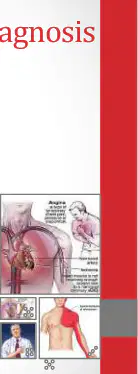
Which statement best distinguishes UA from NSTEMI in the initial evaluation pathway shown?
UA presents with ST elevation on ECG
NSTEMI has negative cardiac biomarkers
UA has positive cardiac biomarkers
Both lack ST elevation, but UA has negative biomarkers while NSTEMI has positive biomarkers
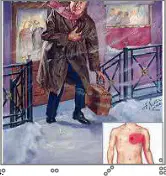
Which clinical presentation belongs to the angina spectrum highlighted under Clinical Diagnosis?
Angina first onset
Ventricular fibrillation
Aortic dissection
Pericardial knock
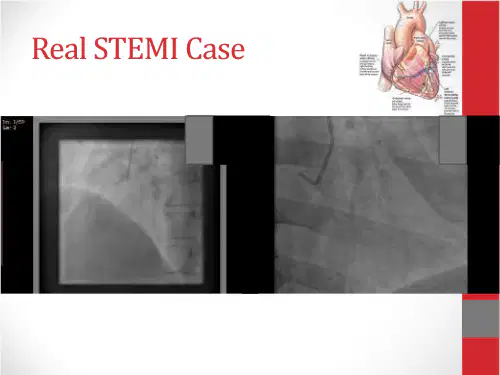
For a patient with real STEMI case imaging, what reperfusion approach is emphasized as the primary strategy?
Primary PCI
Observation only
Negative biomarkers indicate UA
Beta-blockers alone

Which pair correctly matches intervention type to category as depicted: balloon/stent vs. streptokinase/alteplase?
Both are diagnostic tests
Balloon/stent are fibrinolytics; streptokinase/alteplase are mechanical
Balloon/stent are mechanical (PCI); streptokinase/alteplase are fibrinolytics
Neither is used in ACS
Which combination best represents the ONIMASE protocol elements for initial relief in suspected STEMI?
Oxygen, Nitrates, Morphine, Aspirin
Oxygen, Naloxone, Metoprolol, Atropine
Ondansetron, Nitroglycerin, Midazolam, Amiodarone
Oxygen, Nifedipine, Morphine, Alteplase
Omeprazole, Nitrites, Magnesium, Aspirin
For immediate nitrate therapy in suspected STEMI, which dosing schedule is specified?
0.4 mg SL once
5 mg SL three times at 5-minute intervals
2 mg IV bolus once
10 mg SL every hour
Transdermal patch 5 mg daily
According to the initial treatment guidance, what is the recommended aspirin administration?
Enteric-coated aspirin 81 mg swallowed
Chewed aspirin 160 mg, non enteric-coated
Aspirin 325 mg IV infusion
Aspirin 500 mg rectal suppository
Aspirin 75 mg chewed, enteric-coated
Which step is included in Step 2: Diagnosis Validation and Risk Assessment for acute chest pain?
Immediate thrombolysis for all patients
Serial ECG evaluation
Routine CT angiography
Discontinue all antiplatelets
Start long-term beta-blocker therapy
In Step 2, which cardiac biomarker approach is highlighted for rapid rule-out?
CK-MB at presentation only
Troponin measured only after 6–9 hours
High-sensitivity troponin (Hs–Troponin)
Myoglobin within 24 hours
BNP at presentation and discharge
In the rapid rule-out pathway using Hs–Troponin for acute chest pain, what does no change in serial Hs–Tn with values below the 99th percentile most directly support?
Immediate cath lab activation for STEMI
Discharge with appropriate follow-up
Diagnosis of pericarditis
Administration of thrombolytics
Admission to ICU for heart failure
Risk stratification includes assessing two parallel risks. Which pair is emphasized?
Arrhythmia and infection
Thrombosis and bleeding
Hypertension and diabetes
Stroke and renal failure
Pulmonary embolism and DVT
During initial management of suspected STEMI, which symptom group is specifically targeted for relief alongside pharmacologic measures?
Fever, rash, and cough
Breathlessness, pain, and anxiety
Nausea, vomiting, and diarrhea
Syncope, vertigo, and tremor
Headache, vision loss, and tinnitus
Which medication is listed under anti-ischemic therapy in ACS management?
Nitrate
Aspirin
Clopidogrel
Fondaparinux
Which antiplatelet loading dose combination is correctly matched from the ACS management section?
Aspirin 160 mg; Clopidogrel 300 mg or Ticagrelor 180 mg
Aspirin 81 mg; Clopidogrel 75 mg or Ticagrelor 90 mg
Aspirin 325 mg; Prasugrel 10 mg
Aspirin 160 mg; Prasugrel 5 mg
Which anticoagulant option listed is a low molecular weight heparin?
UFH
Enoxaparin
Aspirin
Ticagrelor
In the invasive strategy table, which risk category corresponds to GRACE risk score >140 and indicates an early invasive evaluation?
Low risk
Intermediate risk
High risk
No risk
According to the management flow, what is the recommended urgency for coronary angiography in high-risk ACS after validation?
Urgent <120 min
Early <24 h
Within 72 h
Nonselective with outpatient follow-up
Which statement about STEMI management is correct based on the summary?
PCI-capable hospital: perform PCI
Non-PCI capable hospital: discharge patient
Time to PCI >120 minutes: proceed to PCI locally
After fibrinolytic therapy: no further angiography is needed
Which diagnostic finding defines STEMI in the summary section on acute chest pain diagnosis?
ECG: persistent ST elevation
Biomarkers: negative troponin
ECG: T-wave inversion only
Biomarkers: normal CK-MB
For UA/NSTEMI in the summary, which step is emphasized for high-risk patients?
Fibrinolytic therapy immediately
Invasive strategy
No biomarker testing
Routine discharge
Which intervention is the definitive reperfusion strategy for STEMI when available within guideline timeframes?
Primary PCI
Coronary artery bypass grafting (CABG)
Beta-blocker therapy alone
Heparin infusion alone
During primary PCI, which device is deployed to scaffold the coronary artery after balloon dilation?
Pacemaker lead
Stent
Intravascular ultrasound catheter
Thrombus aspiration cannula
Which fibrinolytic agent is classified as a tissue plasminogen activator (tPA) used in STEMI reperfusion when PCI is not immediately available?
Streptokinase
Alteplase
Warfarin
Clopidogrel
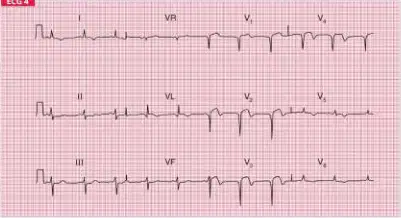
A patient presents with severe central chest pain and the ECG shows persistent ST elevation with reciprocal changes. What diagnosis is most consistent with this presentation?
Unstable angina
NSTEMI
STEMI
Pericarditis
In the initial evaluation of suspected UA/NSTEMI, which combination best guides diagnosis when ST elevation is absent?
Symptoms and chest X‑ray
ST changes without elevation and cardiac biomarkers
Echocardiography alone
Blood pressure trend only
A 70‑year‑old with severe chest pain has an ECG without ST elevation but elevated troponin. Which management pathway is most appropriate?
Treat as STEMI with immediate fibrinolysis
Classify as NSTEMI and proceed with anti‑ischemic, antithrombotic therapy and early invasive evaluation
Discharge home with reassurance
Delay treatment until pain resolves
Which statement correctly differentiates UA from NSTEMI in the initial assessment?
UA has elevated troponin while NSTEMI does not
Both show ST elevation on ECG
UA lacks biomarker elevation whereas NSTEMI shows positive cardiac biomarkers
NSTEMI is defined only by chest pain duration
Which component is correctly associated with UA/NSTEMI initial treatment summarized by the mnemonic ONIMASE?
Immediate thrombolysis in all cases
Oxygen for hypoxemia, nitrates for pain relief, and aspirin for antiplatelet therapy
Delay antiplatelet therapy until troponin is positive
Strict bed rest without pharmacologic therapy
High-sensitivity troponin (hs-Troponin) is primarily used in which diagnostic step for suspected ACS?
Confirming heart failure etiology
Rapid rule-out and validation of NSTEMI diagnosis
Detecting pulmonary embolism exclusively
Determining need for thrombolysis in STEMI
Which scenario is most likely to produce a false-positive elevation of cardiac biomarkers?
Acute plaque rupture with thrombosis
Sepsis or renal failure causing non-ischemic myocardial injury
Classic angina relieved by nitrates with normal biomarkers
Confirmed STEMI with ST elevation and reciprocal changes
In risk stratification for UA/NSTEMI, which pair correctly matches the focus domain?
THROMBOSIS—risk of bleeding; BLEEDING—risk of ischemia
THROMBOSIS—ischemic risk; BLEEDING—hemorrhagic risk
THROMBOSIS—arrhythmia risk; BLEEDING—renal risk
THROMBOSIS—infection risk; BLEEDING—stroke risk only
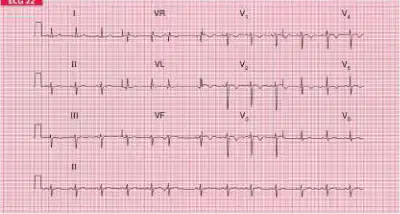
A 48-year-old man presents with severe central chest pain for 1 hour. The ECG shows ST-segment depression with T-wave inversion in multiple leads. What is the most appropriate immediate action within the ONIMASE approach?
Administer thrombolytics immediately
Provide aspirin and nitrates, assess oxygen needs, and arrange troponin testing
Withhold all antiplatelets until coronary angiography
Discharge after pain relief
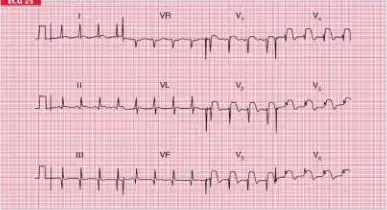
An 80-year-old man with prior MI and angina presents with ongoing chest pain unresponsive to sublingual nitrates. ECG reveals diffuse ST depression with possible transient ST elevation in aVR. Which next step best aligns with diagnosis validation and risk assessment?
Assume musculoskeletal pain and stop evaluation
Initiate ONIMASE measures and obtain rapid hs-troponin for rule-out/rule-in
Administer high-dose steroids for pericarditis
Wait 24 hours before any testing
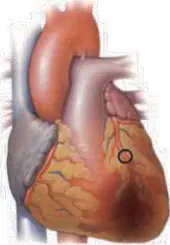
According to the MI type schema, which description corresponds to MI Type 1?
Supply–demand imbalance alone without atherothrombosis
Vasospasm or endothelial dysfunction without plaque rupture
Fixed atherosclerosis with supply–demand imbalance
Plaque rupture with thrombosis
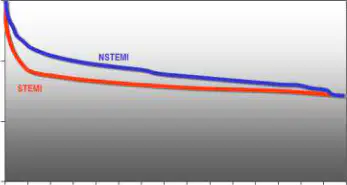
Based on trends in NSTE-ACS, how does cumulative one-year mortality for NSTEMI compare to STEMI?
NSTEMI consistently higher than STEMI throughout the year
STEMI consistently higher than NSTEMI throughout the year
NSTEMI initially higher, then lower than STEMI over time
Similar by one year with early higher mortality in STEMI
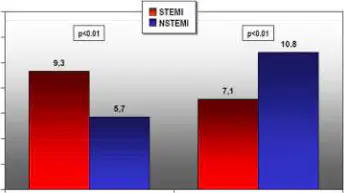
Hospital vs 1-year mortality comparisons show which pattern when contrasting STEMI and NSTEMI?
NSTEMI has higher in-hospital mortality but lower 1-year mortality than STEMI
STEMI has higher in-hospital mortality while NSTEMI shows higher 1-year mortality
Both have identical hospital and 1-year mortality
STEMI dominates both hospital and 1-year mortality
Which therapy category in ACS management primarily aims to reduce myocardial oxygen demand and relieve ischemic symptoms?
Antiplatelet therapy
Anti-ischemic therapy
Anticoagulant therapy
Fibrinolytic therapy
In the invasive strategy for ACS, which approach involves early coronary angiography with possible percutaneous coronary intervention (PCI) for high-risk patients?
Conservative observation
Delayed invasive approach after 72 hours
Immediate invasive strategy
Medical management only
For STEMI diagnosis and initial management, what is the primary time-sensitive reperfusion method emphasized?
Beta-blocker initiation
Percutaneous coronary intervention (PCI)
Long-term statin therapy
Cardiac rehabilitation
Which medication class is central to preventing thrombus propagation by inhibiting the coagulation cascade in ACS?
Nitrates
Anticoagulants
Calcium channel blockers
ACE inhibitors
In UA/NSTEMI management, dual antiplatelet therapy (DAPT) typically combines aspirin with which additional agent?
Warfarin
Clopidogrel or another P2Y12 inhibitor
Heparin
Alteplase
Which best differentiates UA/NSTEMI from STEMI on initial evaluation?
Presence of ST-segment elevation on ECG
Presence of cardiogenic shock
Elevated blood pressure
Normal troponins
Anti-ischemic management in ACS commonly targets heart rate and preload/afterload. Which combination is most aligned with this goal?
Beta-blockers and nitrates
Aspirin and clopidogrel
Heparin and fondaparinux
Statins and ACE inhibitors
Which summary statement aligns with evidence-based ACS care across presentations?
Antiplatelets are optional if anticoagulants are used
Early risk stratification guides an invasive strategy and the intensity of antithrombotic therapy
Nitrates should be avoided in all ACS cases
PCI is reserved only for STEMI

A flow diagram shows obstruction of coronary blood supply leading to hypoxia, myocardial ischemia, myocardial infarction/cell damage, and cellular contents appearing in circulation with CK–CKMB–AST–LDH–Troponin increase. Which step immediately precedes the rise of cardiac biomarkers in blood?
Myocardial ischemia
Return to baseline of CK
Cellular contents cleared by kidneys
ECG normalization

Which laboratory test panel is most specific for myocardial injury according to the material?
CK alone
AST and LDH
Troponin I and Troponin T
Myoglobin only
Attention to lab examination includes which of the following best practices?
Use hemolytic sera for faster results
Avoid IM injection, never use hemolytic sera, store serum immediately if delayed
Freeze whole blood for later analysis
Centrifuge after 24 hours

Cardiac enzyme studies are primarily ordered to determine whether the patient is having which condition?
Arrhythmia
Heart attack/MI or threatened unstable angina
Pulmonary embolism
Stroke

Which statement about creatine kinase (CK) sensitivity/specificity for cardiac damage is correct?
CK has high sensitivity and specificity for cardiac damage
CK has low sensitivity and specificity for cardiac damage
CK is specific to cardiac muscle only
CK is unaffected by non-cardiac conditions

Serum CK levels rise within 4–6 hours after myocardial injury, peak at 12–24 hours, and return to baseline within about three days. What is the most appropriate clinical use of a serum CK level based on this description?
Predicting infarct size
Screening at admission and 6–12 hours after admission
Diagnosing stroke
Monitoring chronic heart failure

Which biomarker is more cardiac-specific than CK alone and can be used to detect early re-infarction when repeated every 8 hours?
AST
LDH
CK-MB
BNP

According to the material, which troponin shows approximately 90% sensitivity for MI 8 hours after onset of symptoms with 95% specificity?
Troponin C
Troponin T
Troponin I
Myoglobin

Order a troponin test when a patient has chest pain with signs of a heart attack, worsening angina without other signs of MI, or to evaluate other causes of heart injury. What rationale best supports this decision?
Troponin is released when heart muscle is damaged
Troponin measures kidney function
Troponin identifies arrhythmias directly
Troponin is unaffected by timing after symptoms

Results of a troponin test: levels increase within 6 hours, almost all MI patients elevated at 12 hours, may remain high for 1–2 weeks. What is the recommended repeat testing schedule?
Repeat once at 48 hours only
Repeated two more times over the next 6 to 24 hours
Daily for 30 days
No repeat needed if first test normal

Which condition is NOT listed as a non-MI cause of increased troponin levels?
Pulmonary hypertension
Coronary artery spasm
Long-term kidney disease
Bacterial endocarditis

In the context of myocardial injury, troponin is described as the most sensitive and specific test, persisting in blood for 7–10 days. Which marker, because of its short duration, can suggest infarct extension if it rises again?
CK-MB
BNP
LDH
AST

LDH rises within 12–24 hours after cardiac injury, peaks at 3 days, and becomes normal at 8–9 days. Which additional statement is correct regarding LDH isoenzymes?
LDH1
LDH1>LDH2 (flipped LDH) supports infarct myocardium
LDH isoenzymes are not used in MI
LDH must never be repeated

Myoglobin can be detected as early as two hours after myocardial necrosis begins and has low cardiac specificity but high sensitivity. What is its most appropriate clinical role?
Confirming MI by itself
Ruling out MI if early level is normal
Estimating infarct size
Monitoring long-term heart failure

A table summarizes biomarker timelines. Which marker typically returns to normal around 3 days?
Total CPK
Troponin I
LDH
Troponin T

A graph depicts release of cardiac markers following AMI with different curves. Which marker demonstrates the longest persistence in blood, remaining elevated up to 7–10 days?
CK-MB
MLC
Troponin (T/I)
LDH

Which statement about BNP is accurate based on the material?
BNP is produced mainly in the cardiac atria
BNP is an amino acid polypeptide secreted by ventricles in response to excessive heart muscle cell stretch
BNP is a brain-derived hormone not related to the heart
BNP is a lipid secreted by endothelial cells
Which biomarker test measures the amount of BNP in blood to indicate how well the heart is working and increases when the heart has to work harder over a long period, such as in heart failure?
Troponin I
BNP test
CK-MB fraction
Myoglobin
In emergency settings, normal levels of both BNP and NT-proBNP in blood primarily help with which clinical decision?
Confirming acute myocardial infarction
Ruling out acute heart failure
Diagnosing renal failure
Monitoring extension of cardiac events
According to the provided normal values, which BNP level is considered positive for heart failure?
< 50 pg/mL
50–100 pg/mL
100–500 pg/mL
> 500 pg/mL
When the EKG is normal, which protocol is recommended to identify acute myocardial infarction (AMI)?
Obtain CK-MB only at 8 hours
Obtain Troponin at 0, 8, and 16 hours; obtain CK-MB at 0, 8, and 16 hours
Measure BNP at 0 and 24 hours
Use myoglobin alone at 1 hour
Which statement best describes Troponin as a cardiac marker in the context of AMI?
It rises 1–2 hours and peaks at 4–6 hours with duration 1–2 days
It is the primary cardiac marker, specific for cardiac events, and levels stay elevated for 7–14 days
It is useful for monitoring cardiac event extension
Troponin T >1.0 suggests chronic heart failure only
Which marker is identified as the first cardiac marker to increase but has poor specificity, helping only if negative?
CK-MB
Myoglobin
AST/SGOT
BNP
In the combined protocol for AMI evaluation, what are the reported test sensitivity and specificity at 8 hours?
Sensitivity ≥70%; Specificity 60–70%
Sensitivity ≥98%; Specificity 80–95%
Sensitivity ≥90%; Specificity ≥99%
Sensitivity 50%; Specificity 50%
Which biomarker is most sensitive and specific for diagnosing myocardial infarction among CK/CK-MB, troponin (TnI/TnT), and myoglobin?
Creatine kinase (CK)
CK-MB
Troponin (TnI/TnT)
Myoglobin
Which statement best describes CK and CK-MB in the laboratory diagnosis of myocardial infarction?
They have very high sensitivity and specificity
They are specific but not sensitive
They have relatively low sensitivity and specificity compared with troponin
They are no longer measurable in modern laboratories
Which marker rises earliest after myocardial injury but lacks specificity, limiting its standalone diagnostic utility?
Troponin T
Troponin I
CK-MB
Myoglobin
High-sensitivity cardiac troponin T (hs-cTnT) assays primarily improve which aspect of MI diagnosis?
Specificity only
Detection of very low troponin levels and overall diagnostic accuracy
Measurement of CK isoforms
Detection of myoglobin clearance
Which combination at emergency department presentation can rule out acute myocardial infarction with a negative predictive value of 95–100%?
Positive CK and positive troponin
Negative troponin and negative copeptin
Positive myoglobin and negative CK
Negative CK-MB and positive copeptin
In hs-cTnT testing, what is a key trade-off when sensitivity is increased?
Decreased specificity
Longer turnaround time
Inability to measure low troponin
Loss of prognostic value
Which statement about serial hs-cTnT testing is most accurate?
Serial testing is unnecessary if one value is negative
Serial testing and clinical context become increasingly important for interpreting hs-cTnT results
Serial testing should be replaced by CK-MB trends
Serial testing is only useful in chronic kidney disease
Which property of copeptin makes it a useful complementary marker with troponin in early MI evaluation?
It peaks later than troponin
Its kinetics mirror vasopressin and it is released very early during AMI onset
It is unaffected by osmolality
It is specific only to cardiac tissue
Which patient scenario benefits most from hs-cTnT’s improved sensitivity?
Symptoms began several days ago
Short duration from symptom onset to admission
Chronic stable angina without symptoms
Electrolyte disorders only
What is the principal limitation of relying solely on CK for MI diagnosis compared with troponin?
CK clears too slowly to detect MI
CK is not present in blood after MI
CK has lower sensitivity and specificity for myocardial injury
CK requires radioactive labeling

