
 Worksheets
Week 2 Lectures: Electrolytes and PVD
Total questions: 145
Worksheet time: 1hrs 21mins
Movement of body fluid across cell and capillary membranes accomplished by:
Filtration
Active transport
Cytokinesis
Osmosis
Diffusion
Which type of intravenous fluid is similar to the concentration of blood?
Isotonic fluids include which of the following types:
Lactated ringers
5% dextrose
0.9% saline
0.225% saline 1/4 NS
Which type of intravenous fluid replaces minimal fluid loss, routinely administered to maintain hydration during surgical procedures
Hypertonic fluids
Hypotonic fluids
Isotonic fluids
Which of the following types of intravenous fluids has cautions of fluid overload, heart failure, pulmonary edema, and renal impairment
Which intravenous fluid has a lower concentration of solutes than blood?
Hypotonic
Isotonic
Hypertonic
The following types of fluids are apart of hypotonic?
0.45% Saline 1/2 NS
0.225% Saline 1/4 NS
0.33% Saline 1/3 NS
5% Dextrose
Which of the following are the uses for hypotonic fluids?
Replace minimal fluid loss, routine administered to maintain hydration during surgical procedures
Provide free water for excretion of body wastes, treat cellular dehydration and replace fluid
ICU, hyponatremia, hypoglycemia severe, pull excess fluid from cells
The following cautions are for which type of IV fluids?
Can cause hyponatremia, do not give to hypotonic, hypovolemia without hypernatremia, trauma, burn victims, can cause cells to rupture
Which type of IV fluid has a higher concentration of solutes than blood?
Which of the following types of fluids are hypertonic?
10% Dextrose
5% Saline
3% Saline
20% Dextrose
50% Dextrose
Which IV fluid is used in the ICU, for hyponatremia, hypoglycemia severe, pull excess fluid from cells (causing cells to shrink)
Isotonic
Hypotonic
Hypertonic
Which IV fluid has cautions of fluid overload, pulmonary edema, hyperglycemia, do not give to dehydrated, kidney/heart disease patients
Isotonic
Hypotonic
Hypertonic
Which IV fluids may need diuretics in addition to fluids?
Isotonic
Hypotonic
Hypertonic
Your patient is in the ICU for severe burns. Which IV fluid would you not give your pt?
Hypertonic
Hypotonic
Isotonic
Which IV fluid would you not give to your dehydrated patient?
Hypertonic
Hypotonic
Isotonic
Loss of extracellular fluid volume
hypervolemia
hypovolemia
hydration
edema
Loss of electrolytes along with fluid
Dehydration
Isotonic fluid volume deficit
malnutrition
fluid retention
Shift from vascular space to interstitial space
Second spacing
Third spacing
First spacing
Hypertonic
occurs when water and sodium are lost in equal proportions, primarily depleting the extracellular fluid (ECF) volume
occurs when the body loses more electrolytes than water, leading to low blood sodium and causing water to shift into cells, making them swell
body loses more water than sodium, causing high sodium levels (hypernatremia) and making the fluid outside cells too concentrated, pulling water out of them
Isotonic dehydration
Hypotonic dehydration
Hypertonic dehydration
Which of the following are common causes of fluid volume deficiency?
Which of the following are fluid volume deficit clinical manifestations?
Tachycardia
Pale, cool skin
Fever
Decreased urine output
What all does a basic metabolic panel test for?
Which of the following are manifestations of chronic dehydration, commonly seen in older adults?
Itchy skin, brittle hair, loss of thirst reflex
Results from four possible forces, results from conditions that cause retention of sodium and water, swelling can be local or generalized
Fluid volume excess can be caused by:
Dehydration
Excessive intake of sodium-containing foods
Drugs that cause sodium retention
Excess amounts of sodium-containing IV fluids
Which of the following are risk factors of fluid volume excess?
Hypertension
Heart disease
IV Therapy
Which of the following are good prevention measures against fluid volume excess?
Diuretics, antihypertensive medications to keep fluids in balance
Use saline solutions
Careful intake of sodium
Elevate lower extremities when sitting
Weigh daily
Which of the following are fluid volume excess clinical manifestations?
Nausea and vomiting
Weight gain >5% of body weight
Heart Failure
Circulatory overload symptoms
Electrolytes are gained and lost in relatively equal amounts
True
False
________ __________ values tells us concentrations of electrolytes in blood
Serum electrolyte
Imbalance is typically in only one electrolyte
False
True
Which of the following is the normal levels of sodium?
95-105 mEq/L
1.8-3.0 mg/dL
135-145 mEq/L
3.5-5.3 mEq/L
Which electrolyte is the most abundant in extracellular fluid?
Which electrolyte assists in maintaining osmotic pressure and acid-based balance?
Serum sodium level >145 mEq/L
Which electrolyte imbalance presents as increase in thirst, fever, dry mucous membranes, hypotension, tachycardia, low jugular venous pressure, and restlessness
How is hypernatremia treated?
Use fluid replacement at a moderate rate.
Serum sodium level <135 mEq/L
Which electrolyte manifests as lethargy, headaches, confusion, apprehension, seizers, diarrhea, vomiting, and coma?
Which of the following is the treatment of hyponatremia?
Sodium replacement and managing fluid intake
Increased fluid intake and give salty foods
Normal potassium levels are
3.5-5.3 mEq/L
135-145 mEq/L
9-11 mg/dL
1.8-3.0 mg/dL
Which electrolyte plays role in cellular depolarization, repolarization
-Moves into cell while sodium moves out of cell
Which electrolyte imbalance can lead to deadly cardiac dysrhythmias?
Serum potassium level >5.3 mEq/L
Which electrolyte imbalance includes muscle twitching, weakness, flaccid paralysis, irritability, anxiety, low BP, tall peaked T waves, dysrhythmias, abdominal cramping, diarrhea
Which of the following are used as management for hyperkalemia?
Administration of calcium gluconate, insulin and glucose, polystyrene sulfonate
Diuretics if renal excretion is normal
Serum potassium level <3.5 mEq/L
Which electrolyte imbalance has the following signs and symptoms?
-alkalosis, shallow respirations, irritability, confusion and drowsiness, weakness and fatigue, arrhythmias, lethargy, thready pulse?
How do we manage hypokalemia?
Replacement of potassium salts
Which of the following are normal levels of calcium?
9-11 mg/dL
3.5-5.3 mEq/L
135-145 mEq/L
1.8-3.0 mg/dL
Which electrolyte is responsible for neuromuscular transmission, control of muscle contraction, blood clotting, bone and teeth formation, and cellular membrane functioning?
Which electrolyte levels are controlled by vitamin D, calcitonin, and parathyroid hormone?
Calcium levels
Which electrolyte deficiency has a serum calcium level >11 mg/dL?
Hypermagnesemia
Hypercalcemia
Hypocalcemia
Which electrolyte imbalance manifests as confusion, muscle weakness, bone pain, kidney stones, excessive urination, cardiac arrest, arrhythmias?
Which electrolyte imbalance has a serum calcium level of <9 mg/dL?
Which electrolyte imbalance has manifestations of convulsions, arrhythmias, tetany, stridor, and spasms
What is the management for hypocalcemia?
Calcium supplementation (IV) moderately and addressing underlying causes.
Which of the following are normal levels of magnesium?
1.8-3.0 mg/dL
95-105 mEq/L
3.0-4.5 mg/dL
9-11 mg/dL
Which electrolyte is the fourth most abundant cation, 60% is found in bones, 40% in muscles, and plays role in energy production, protein synthesis, neuromuscular function
Which of the following electrolyte imbalances manifests as the following:
confusion, increased deep tendon reflex, neuromuscular irritability, seizures, muscle cramps, tremors, insomnia, and tachycardia?
Which electrolyte imbalance has serum magnesium level of <1.8 mEq/L
How is hypomagnesemia managed?
Which of the following electrolyte imbalances manifests as flushing, decreased deep tendon reflexes, muscle weakness, lethargy, decreased respirations, bradycardia, and hypotension?
Which electrolyte imbalance has serum magnesium level >3.0?
What is the management for hypermagnesemia?
Discontinue magnesium intake, treat with calcium gluconate, and consider hemodialysis if severe.
What are the normal levels of chloride?
95-105 mEq/L
3.0-4.5 mg/dL
1.8-3.0 mg/dL
9-11 mg/dL
Which electrolyte is the most prevalent in the extra cellular fluid, along with sodium maintains electricity of body in neutral state, with hydrogen forms hydrochloric acid in stomach to aid digestion, plays role in acid-based balance
Which electrolyte imbalance has a serum chloride level >105 mEq/L
How is hyperchloremia managed?
Manage by treating the underlying cause, ensuring hydration, diuretics, and dialysis.
Which electrolyte imbalance has serum chloride level <95 mEq/L
What is the management for hypochloremia?
Increase salt in diet, add chloride to IV fluids, and treat underlying causes.
Which of the following are normal levels of phosphate?
3.0-4.5 mg/dL
95-105 mEq/L
1.8-3.0 mg/dL
9-11 mg/dL
Second most abundant mineral in body (after calcium), 85% found in bones, teeth
Phosphate
Which electrolyte imbalance is rare, asymptomatic, and related to excessive intake?
>4.5 mg/dL serum phosphate
Serum phosphate level <3.0
Which of the following is described?
Increased heart rate, decreased blood pressure, clear lung sounds, decreased urine output, decreased weight?
Fluid volume deficit
Fluid volume excess
Which of the following is described?
Normal/increased heart rate, increased blood pressure, crackles lung sounds, variable urine output, increased weight
Fluid volume deficit
Fluid volume excess
Chloride has a strong relationship with
Calcium and _______ have an alternating effect on one another
What is caused by impaired blood flow to the myocardium?
-leading cause of death in the US
Acute Coronary Syndrome
Coronary Artery Disease
Sudden, reduced blood flow through coronary arteries, thereby resulting in reduced delivery of oxygen to cardiac tissues
Acute Coronary Syndrome
Chest pain resulting from reduced coronary blood flow
-worsened and triggered by multiple conditions
What is the primary cause of CAD?
Atherosclerosis results from
vessel wall injury
accumulation of lipoproteins and fibrous tissue
Which of the following is NOT a sign of poor perfusion?
pallor, pain, psoriasis, paresthesia, pulmonary edema, paralysis, pulselessness, poikilothermia
pulmonary edema
poikilothermia
paralysis
The nurse is teaching a client about coronary artery disease (CAD). Which response by the client indicates the need for further teaching?
A. "Damage to the linings of my arteries can cause clots and blockage."
B. "It is a leading cause of death for men and women in the United States."
C. "It decreases quality of life but does not increase a person's risk of death."
D. "The increased levels of high-density lipoproteins decrease the risk of atherosclerosis."
a
b
c
d
Results when oxygen is not able to meet metabolic demands
-temporary and reversible but can progress to infarction
-switch from aerobic to anaerobic metabolism
Angina
Myocardial necrosis
Hypoxia
Myocardial ischemia
Chest pain from ischemia
-can be silent
-one-time event or chronic
Atherosclerosis
Myocardial ischemia
Angina
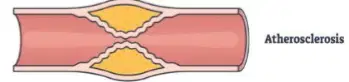
this angina is predictable with amount of activity and relieved with rest/nitrates
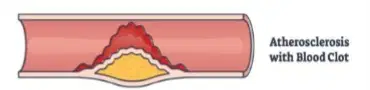
This angina has an increasing frequency, duration, and severity, and pain becomes unpredictable. Higher risk for MI
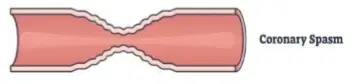
Which type of angina is unpredictable and caused by artery spasm?
Prinzmetal's (variant) angina
A patient reports during a routine check-up that he is experiencing chest pain and shortness of breath while performing activities. He states the pain goes away when he rests. This is known as:
A. Unstable angina
B. Variant angina
C. Stable angina
D. Prinzmetal angina
A
B
C
D
A client who has a strong family history of coronary artery disease asks the nurse, "How can I decrease my chances of developing problems with my arteries?" Which response by the nurse is appropriate? Select all that apply
A. "You can reduce your risk by making some changes in your lifestyle, such as moderate exercise."
B. "There is little you can do except take medication to prevent coronary artery disease."
C. "As long as your cholesterol is normal, your arteries will remain clear."
D. "Keeping your blood pressure within normal levels will decrease the risk of injury to your arteries."
E."A diet high in fruits, vegetables, and unsaturated fatty acids may help protect your arteries."
A
B
C
D
E
Which of the following are clinical manifestations for CAD?
Chest pain (angina), fear, anxiety, tachycardia, pallor, dyspnea
What is the golden standard for diagnostic tests with CAD?
Which of the following are diagnostic tests for CAD?
Coronary angiography
EKG
Triglycerides lab tests
Which treatment for CAD involves using vein, artery section to create connection
-90% totally relieve, reduce angina
-heart stopped during surgery
Which treatment for CAD uses mechanical circulatory support device and is used to temporarily support cardiac function
Which of the following are types of angioplasties used to help open narrow/blocked arteries?
Balloon animal placement
Laser angioplasty
Stent placement
Balloon angioplasty
How do we treat anginal attack?
Treat as a potential myocardial infarction
Apply oxygen
Give vasodilating medication as ordered
Angioplasty
What are examples of short term goals for the treatment of an anginal attack?
Relieve chest pain, reduce extent of myocardial damage, maintain cardiovascular stability, decrease cardiac workload
Which of following are long-term management goals for angina?
Slow process of CAD, manage risk factors-BP meds, anxiety meds, anticoagulants, antilipidemic meds
Which of the following diets should someone who is suffering angina secondary to CAD be put on?
Low sodium
Low cholesterol
Low caffeine
Low carb
Which of the following chronic conditions need to be controlled in patients with CAD?
Which of the following are cholesterol lowering medications?
Statins
Bile-acid sequestrants
Niacin
Fibric acid agents
Organic nitrates
Which of the following are antianginals?
Corticosteroids
Organic nitrates
Opioids
Statins
Which pharmacologic therapy inhibits a liver enzyme responsible for cholesterol synthesis?
-atorvastatin (Lipitor), simvastatin, pravastatin
-adverse effects: diarrhea, arthralgia and nasopharyngitis
*avoid grapefruit, monitor liver panel, educate patient on muscle pain, brown urine, or malaise
Statins
Bile Acid Sequestrants
Niacin
Fibric Acid Agents
Which pharmacologic treatment has binding bile acids in the intestines (reducing cholesterol reabsorption)
-cholestyramine, colestipol, colesevelam
-adverse effects: bloating, constipation, reduced absorption of vitamins/minerals
-store in tightly closed container, mix with water or juice, drink ample fluids
Fibric Acid Agents
Statins
Niacin
Bile Acid Sequestrants
Which pharmacologic treatment inhibits an enzyme used in triglyceride synthesis
-nicobid, nicolar, niaspan
-adverse effects: hepatoxicity, flushing, pruritis, peptic ulcer disease
-take with meal/beverage, monitor liver panel/glucose/uric acid levels, educate on alcohol intake, monitor for dizziness with position changes (usually lasts 2 weeks, prevent by taking NSAID)
Niacin
Fibric acid agents
Bile acid sequestrants
Nitrates
Which pharmacologic treatment blocks triglyceride synthesis?
-Gemfibrozil, fenofibrate, fenofibric acid
-adverse effects: hepatitis, myopathy, cholelithiasis, pancreatis
-monitor liver panel, educate patient that med takes months before therapeutic effects, take with meals, do not take pregnant
Fibric acid agents
Nitrates
Nitroglycerin
Bile acid sequestrants
Which pharmacological treatment promotes vasodilation of blood vessels and decreases preload?
-Nitroglycerin, isosorbide
-adverse effects: headache, hypotension, and dizziness
-used for short term treatment and long acting preventatives, evaluate for relief of angina
*do not use with erectile dysfunction medications and alcohol!
Nitrates
Fibric acid agents
Niacin
Bile acid sequestrants
What is the medication of choice for treating acute angina?
How should you educate your patient to take nitroglycerin in terms of dosing?
Why is nitroglycerin stored in a brown jar?
Umbrella term for conditions that impair blood supply to peripheral tissues, particularly the lower extremities
disorder of inadequate venous return over a prolonged period.
*Most common type of Peripheral Venous Disease
• Oxygenated Blood
• Pulses are felt on arteries
• Heart is responsible for circulation
• Blood goes away from the heart
Veins
Arteries
• Un-oxygenated Blood
• No pulses
• Muscle movement is
responsible for circulation
• Blood returns to the heart
Arteries
Veins
thickening, loss of elasticity, calcification of arterial walls
form in which deposits of fat, fibrin obstruct, harden arteries
-Plaque forms, narrows vessels, and causes tissue anoxia and hypoxia
-Collaterals form, but usually inadequate to meet needs
Manifests when an artery is occluded by~60% or more
Peripheral venous disease
Peripheral Arterial Disease
Which of the following are risk factors for PAD?
Pain that occurs with a predictable level of activity
Intermittent claudication
Which of the following are signs of peripheral arterial disease?
Ulceration and edema
Thickened toenails
Thin, shiny, hairless skin with discolored areas
Which type of pain can occur with peripheral arterial disease?
Intermittent claudication
Resting pain
Arterial ulcerations often form as a result of
The nurse is performing an assessment on a client with peripheral vascular disease (PVD). Which finding should the nurse expect?
A. Decreased sensation of the upper extremities
B. Delayed capillary refill in the lower extremities
C. Wheezing upon auscultation of the lungs
D. Dilated blood vessels in the eye
a
b
c
d
Which of the following could be used as diagnostic testing for PAD?
Stress testing
Which pharmacologic treatment is used to vasodilate and prevent platelet aggregation in patients with PAD ?
Cilostazol (Pletal)
Pentoxifylline (Trental)
Which pharmacologic treatment for PAD reduces blood viscosity and increases RBC flexibility?
Pentoxifylline (Trental)
Cilostazol (Pletal)
Which of the following is used as pharmacologic treatment for CAD?
Cilostazol (Pletal)
Pentoxifylline (Trental)
Antiplatelets
Statins
Which of the following is important nonpharmacologic treatment for patients with CAD?
Foot care
Management of diabetes, hypertension, obesity
Disorder of poor venous return over prolonged period
stagnation of blood in leg
Venous stasis is stagnation of blood in leg
Leading to CVI due to increased venous pressures
Arterial circulation is also impaired, reducing oxygen delivery to tissues
Metabolic waste products also accumulate
Lower-extremity skin darkens due to RBC breakdown in congested tissue
Reduction of capillary function results in skin atrophy
-All this leads to...
Necrosis of subcutaneous.
The following symptoms are signs of:
-edema, itching, dull leg pain, worsens when standing, brown skin pigmentation, statis dermatitis, weeping, ulcerations.
Coronary artery disease
How do we diagnose CVI?
Diagnosis of CVI involves physical examination, medical history review, and occasionally Doppler ultrasound.
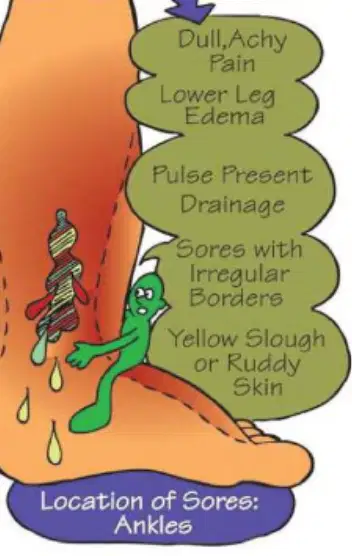
Which peripheral vascular disease is shown above?
Chronic Venous Insufficiency
Coronary Arterial Disease
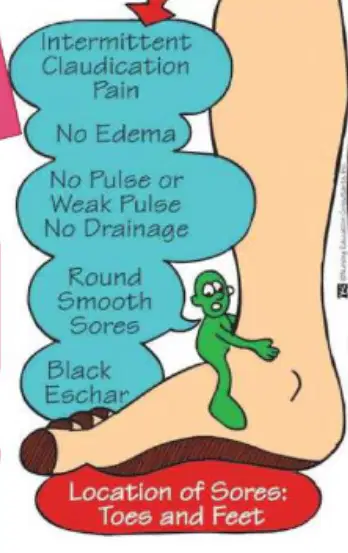
Which of the following peripheral vascular diseases is described?
Chronic Venous Insufficiency (CVI)
Coronary Artery Disease (CAD)
Treatment of CVI includes:
Compression therapy
Reduced prolonged standing or sitting
Which way do we place the legs to help with the effects of Chronic Venous Insufficiency (CVI)?
Let the legs hang below the heart.
Which way to we place the legs to help with Coronary Arterial Disease?

