
 Worksheets
Circulatory and Respiratory System - QUIZ 4
Total questions: 20
Worksheet time: 20mins
What is the main function of the heart?
To regulate body temperature.
To filter toxins from the blood.
To produce hormones for digestion.
To pump blood throughout the body.
Name the four chambers of the heart.
Aorta, pulmonary artery, vena cava, coronary artery
Right atrium, left atrium, right auricle, left auricle
Right atrium, right ventricle, left atrium, left ventricle
Superior vena cava, inferior vena cava, right ventricle, left ventricle
What type of blood vessel carries blood away from the heart?
Capillaries
Arteries
Venules
Veins
What is the role of veins in the circulatory system?
Veins carry oxygenated blood away from the heart.
Veins are responsible for nutrient absorption in the intestines.
Veins help in the production of red blood cells.
Veins transport deoxygenated blood back to the heart.
What are capillaries and why are they important?
Capillaries are small blood vessels that connects arteries and veins for the exchange of substances between blood and tissues.
Capillaries are the main site for blood clotting and immune response.
Capillaries are responsible for pumping blood throughout the body.
Capillaries are large blood vessels that transport oxygen to the heart.
Describe the process of gas exchange in the lungs.
Gas exchange happens in the trachea, where both gases are mixed before entering the lungs.
Gas exchange in the lungs occurs in the alveoli, where oxygen is absorbed into the blood and carbon dioxide is released.
Carbon dioxide is absorbed in the alveoli while oxygen is released into the air.
Gas exchange occurs in the bronchi, where oxygen is filtered out of the blood.
What is the primary function of red blood cells?
Fighting infections
Regulating body temperature
Transporting oxygen and carbon dioxide
Producing hormones
How do red blood cells transport oxygen?
Red blood cells absorb oxygen directly from the air.
Red blood cells use myoglobin to carry oxygen.
Red blood cells transport oxygen using hemoglobin.
Red blood cells transport oxygen through plasma.
What kind of gas do we breathe in when we inhale?
Hydrogen
Helium
Carbon dioxide
Oxygen
What do heart valves do?
They stop blood from going the wrong way
They make blood go backward
They clean the blood
They make the heart bigger
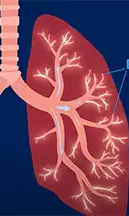
What do you call the small tubes inside the lungs that are being shown in the picture which function is to carry air into the alveoli?
Air sacs
Windpipe
Bronchioles
Bronchi
What is the main function of the cilia and mucus in the nasal cavity?
To make air colder before entering the lungs
To speed up the movement of air into the lungs
To trap dust and germs from the air we breathe
To produce oxygen for the body
What is the function of the diaphragm in breathing?
The diaphragm produces sound when we speak.
The diaphragm helps in the process of breathing by contracting to allow air into the lungs and relaxing to expel air.
The diaphragm regulates blood pressure during breathing.
The diaphragm filters toxins from the air.
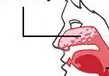
what part of respiratory system is being pointed at on the picture?
Nostrils
Muscle
Nasal Cavity
pharynx
What is the role of the alveoli in the lungs?
it enable gas exchange between the air and the bloodstream.
it filters out toxins from the air.
it produces mucus for lubrication.
it supports the structure of the lungs.
What are the components of blood?
Red blood cells, lymphatic cells, hormones, plasma
Red blood cells, white blood cells, enzymes, serum
Red blood cells, white blood cells, platelets, plasma
Red blood cells, white blood cells, antibodies, bile
Which of the following parts belong to the lower respiratory tract?
Trachea, bronchi, lungs
Nose, pharynx, larynx
Nasal cavity, mouth, pharynx
Sinuses, nose, and larynx
How do white blood cells contribute to the immune system?
it produce hormones that regulate metabolism.
they are responsible for oxygen transport in the blood.
they help in the digestion of food in the stomach.
they identify and attack pathogens, contributing to the immune response.
What is the difference between arteries and veins?
Arteries carry carbon dioxide-rich blood to the heart; veins transport oxygen-rich blood away from the heart.
Arteries and veins both carry oxygen-rich blood; the difference is in their size.
Arteries transport oxygen-rich blood away from the heart; veins return oxygen-poor blood to the heart.
Veins have thicker walls than arteries and carry blood away from the heart.
What happens to the diaphragm when you breathe in?
It moves up
It moves down
It stops moving
It becomes smaller

