
 Worksheets
States of Matter TEST
Total questions: 56
Worksheet time: 28mins
Name
Class
Date
1.
Last Name
4 lines
2.
First Name
4 lines
3.
What class are you in?
a)
1st hour
b)
2nd hour
c)
5th hour
d)
6th hour
4.
Which phase of matter has no definite shape or volume?
a)
solid
b)
liquid
c)
gas
5.
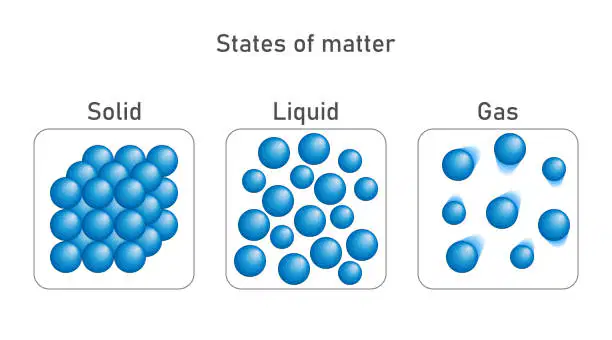
Which phase of matter has no definite shape but has volume?
a)
solid
b)
liquid
c)
gas
6.
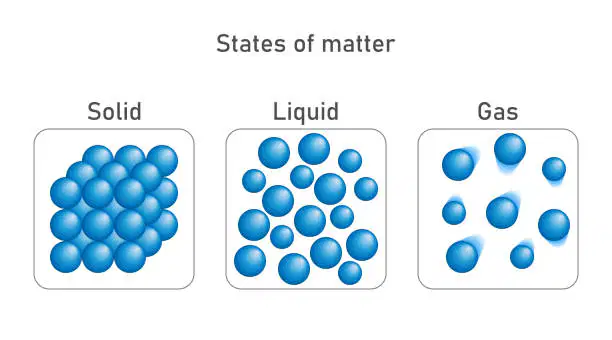
Which phases of matter has definite shape and volume?
a)
solid
b)
liquid
c)
gas
7.
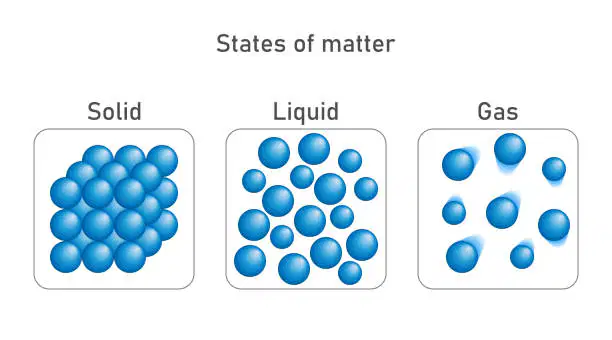
How are the particles arranged in a solid?
a)
particles are packed very closely
b)
particles are very far spread out, moving quickly
c)
particles are spread out more than a soild
8.
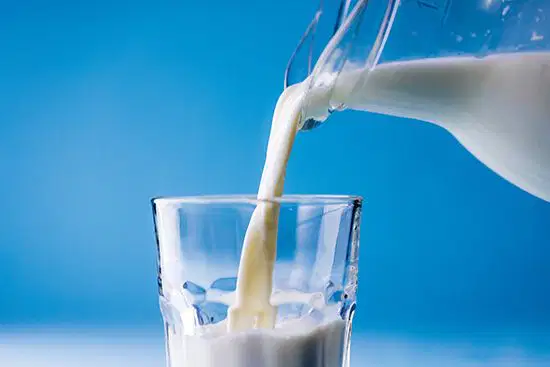
How are the particles arranged in liquid
a)
particles are packed very closely
b)
particles are very far spread out, moviing quickly
c)
particles are spread out more than a solid
9.

How are the particles arranged in a gas?
a)
particles are packed very closely
b)
particles are very far spread out, moving quickly
c)
particles are spread out more than a solid
10.
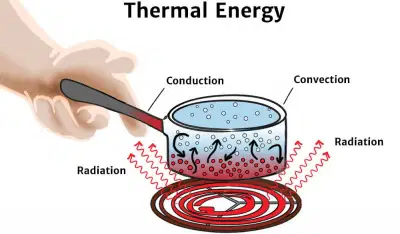
The word "thermal" means what?
a)
cold
b)
warm
c)
heat
d)
gas
11.

What is the term that pulls molecules of water close together to make it tight called?
a)
matter
b)
surface tension
c)
substance
d)
element
12.
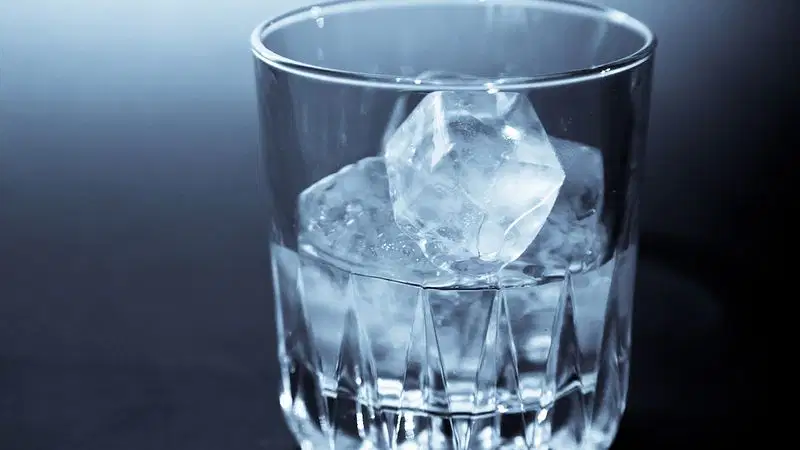
Matter is anything that has
a)
a single kind of matter
b)
a pure substance that can not be broken down
c)
mass and takes up space
d)
the basic particle from which all elements are made
13.

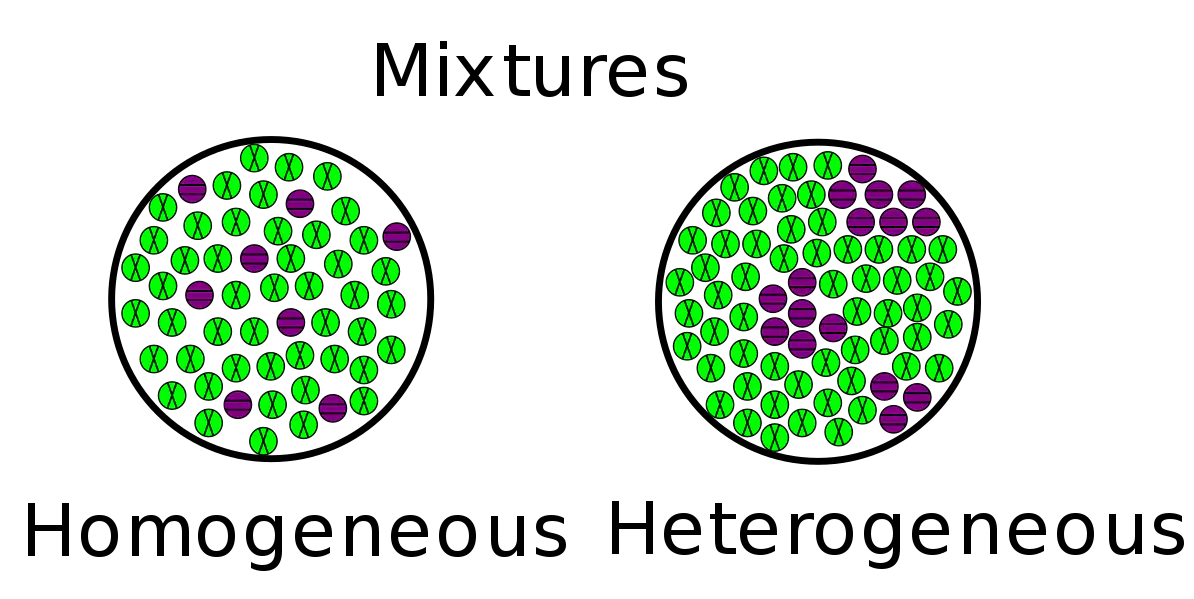
In a ______________ mixture, you can see the different parts
a)
homogeneous
b)
heterogeneous
c)
complex
14.
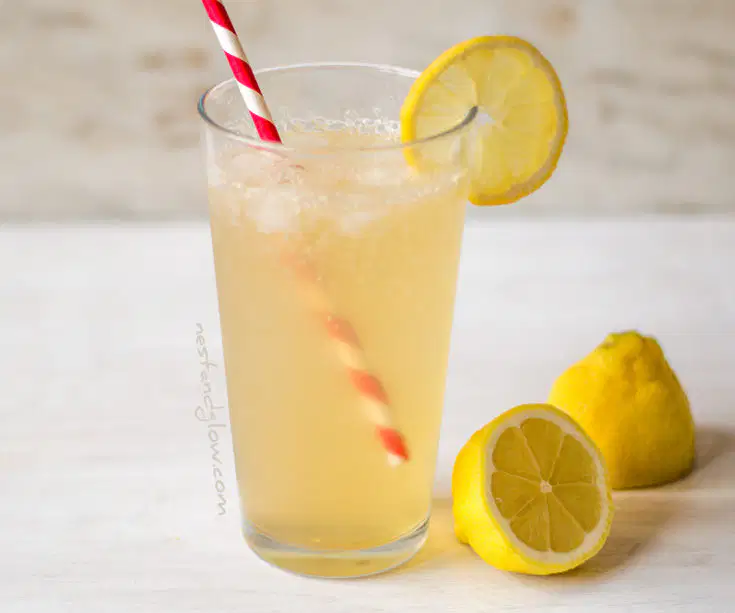
In a ______________ mixture, you can NOT see the different parts
a)
homogeneous
b)
heterogeneous
c)
simple
15.

Which of the following is an example of a heterogenous mixture?
a)
lemonade
b)
salt water
c)
trail mix
d)
paint
16.
Which of the following is an example of a homogenous mixture?
a)
lemonade
b)
pizza
c)
trail mix
d)
salad
17.
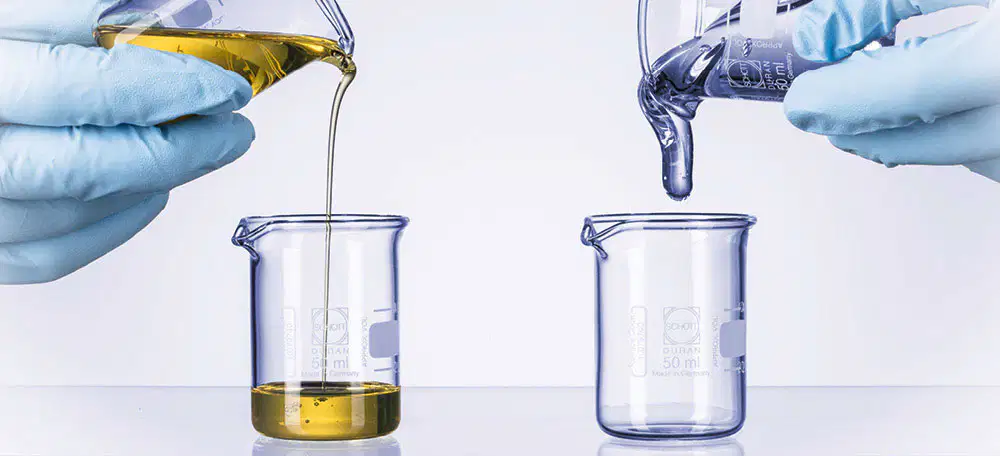
What is viscosity?
a)
a liquids resistance to flow
b)
the measurement of how much mass of a substance is contained in a given volume
c)
the basic particle from which all elements are made
d)
a measure of how much matter is in an object
18.

What is density?
a)
a liquids resistance to flow
b)
if an object will sink or float
c)
the basic particle from which all elements are made
d)
a measure of how much matter is in an object
19.
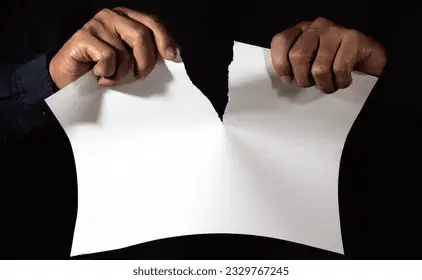
A ____________ change is any change that alters the form or appearance of matter but does not make any new substance.
a)
physical
b)
chemical
c)
combustion
d)
thermal
20.

A ____________ change is a change in matter that produces one or more new substances.
a)
physical
b)
chemical
c)
combustion
d)
thermal
21.

______________ Energy is heat energy.
a)
physical
b)
chemical
c)
combustion
d)
thermal
22.
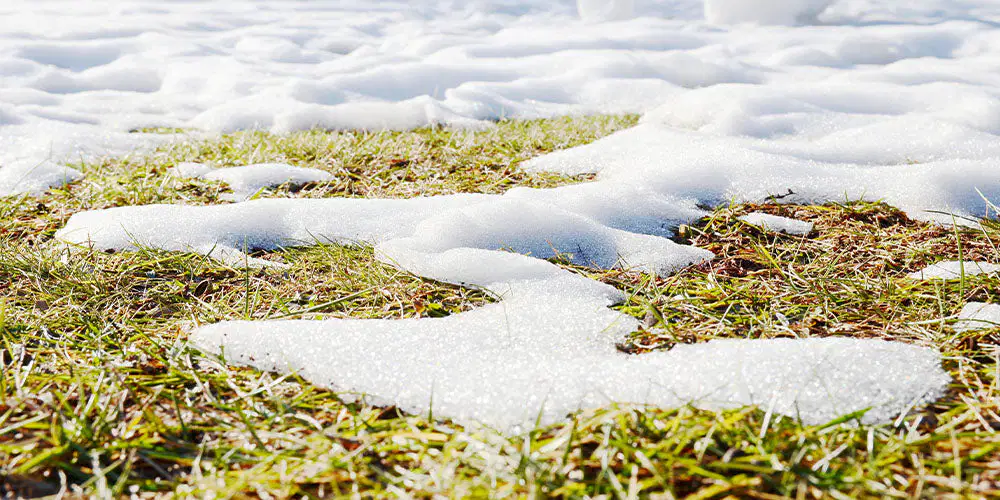
Snow melting
a)
physical
b)
chemical
23.
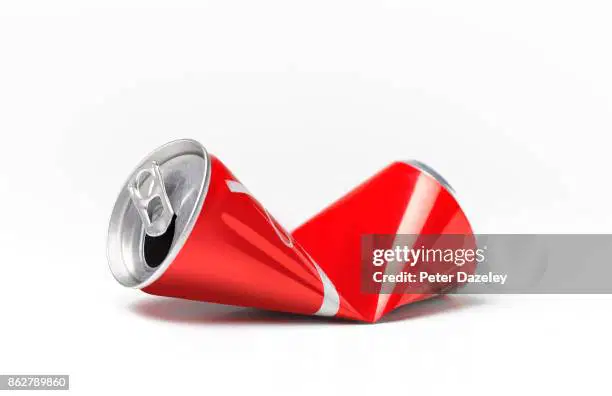
No new substance is produced
a)
physical
b)
chemical
24.
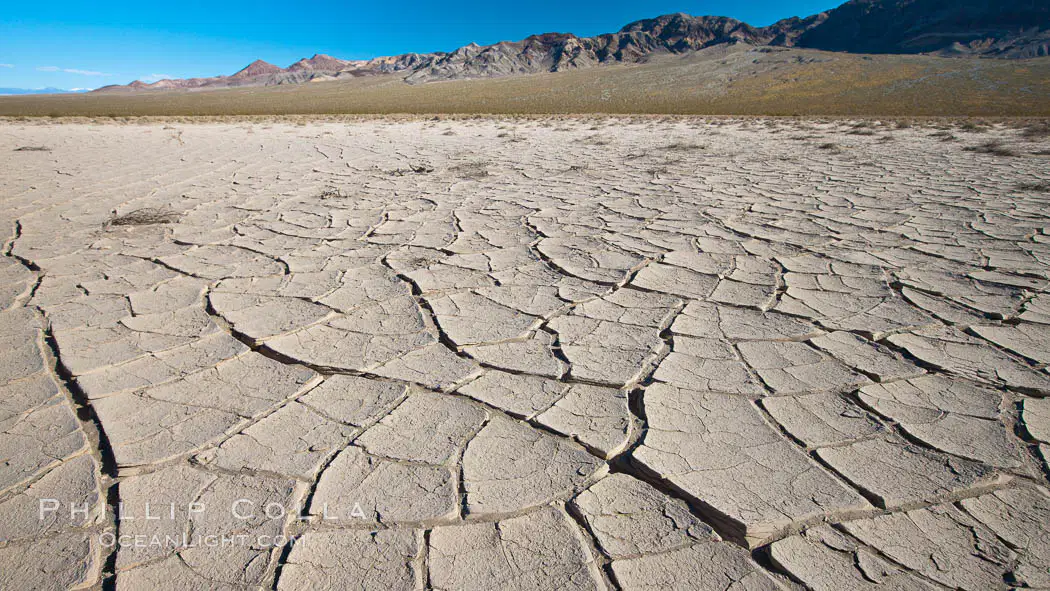
Mud dries and and changes to dust
a)
physical
b)
chemical
25.

A match stick turns to ash while burning
a)
physical
b)
chemical
26.

Produces a new substance with different properties
a)
physical
b)
chemical
27.
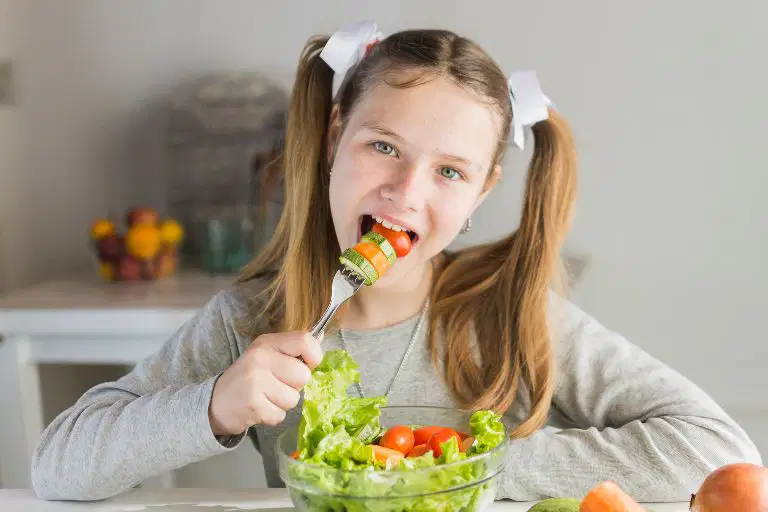
Teeth crushing food
a)
physical
b)
chemical
28.
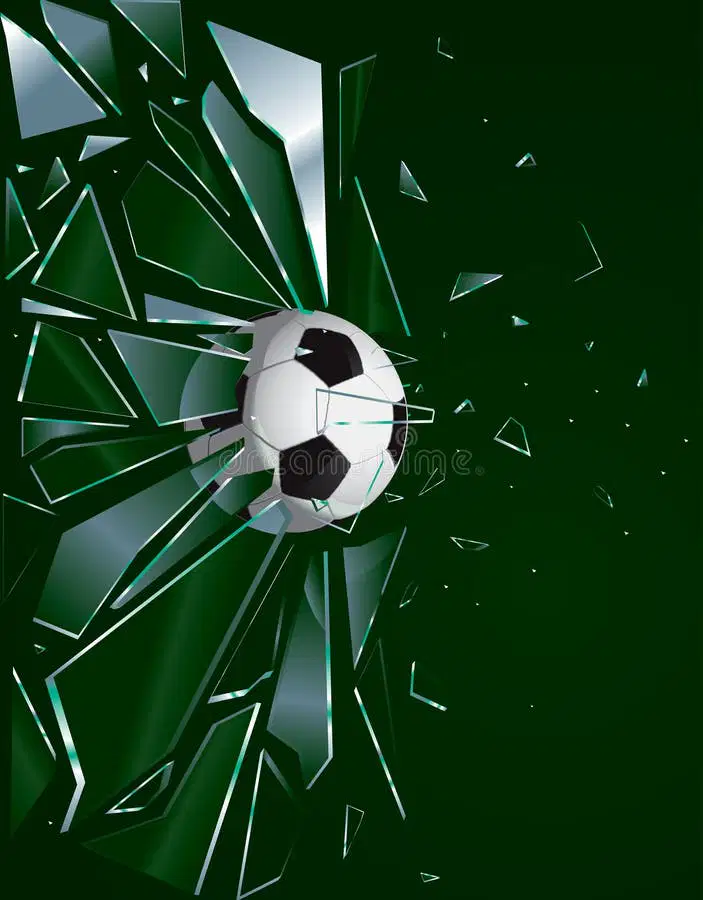
Breaking glass window with a soccer ball
a)
physical
b)
chemical
29.
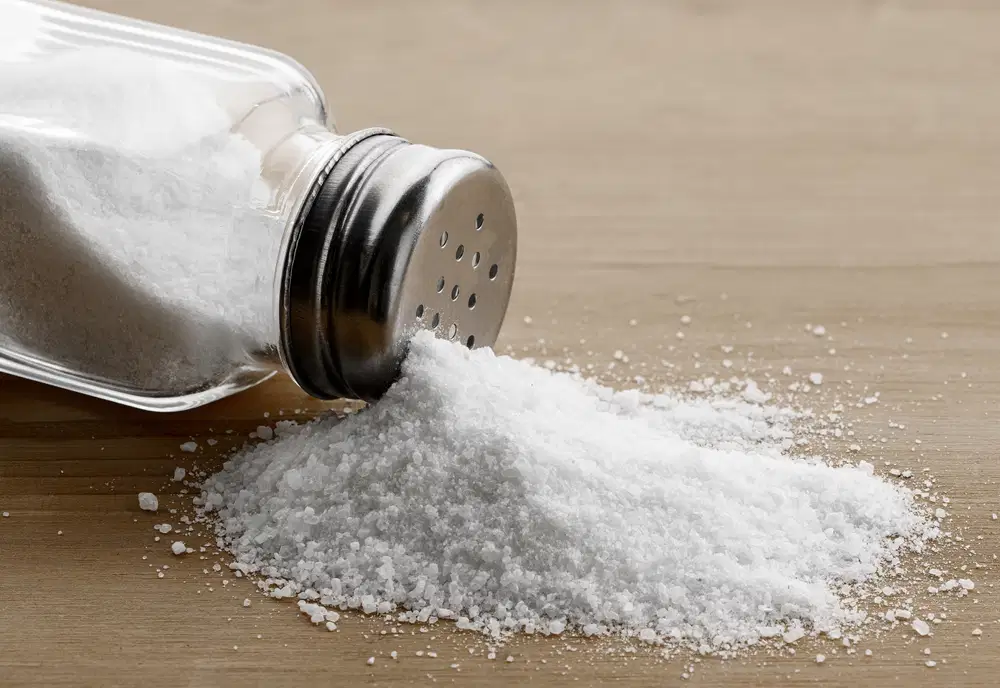
Making salt by mixing sodium and chlorine together
a)
physical
b)
chemical
30.
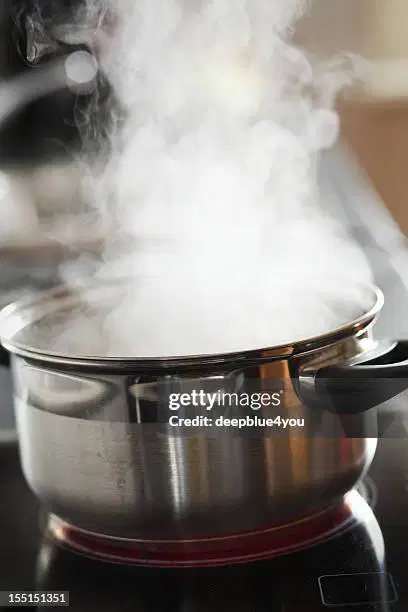
Water changes to steam
a)
physical
b)
chemical
31.

Stomach acid dissolving pizza
a)
physical
b)
chemical
32.
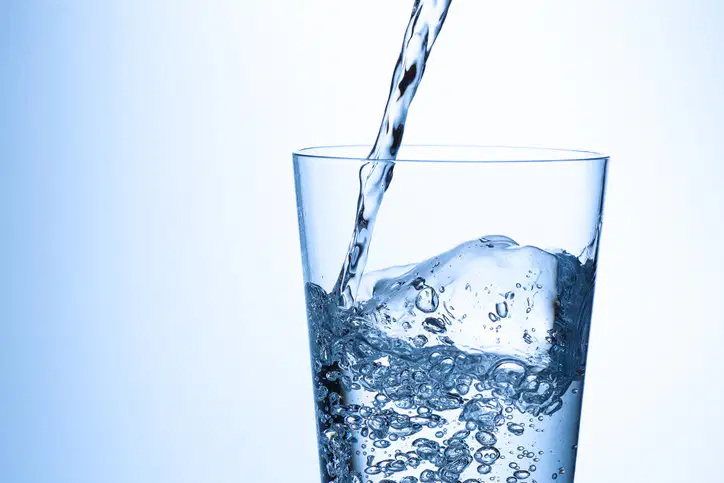
Hydrogen and oxygen gas combining to become water
a)
physical
b)
chemical
33.

Grape juice changing to wine
a)
physical
b)
chemical
34.
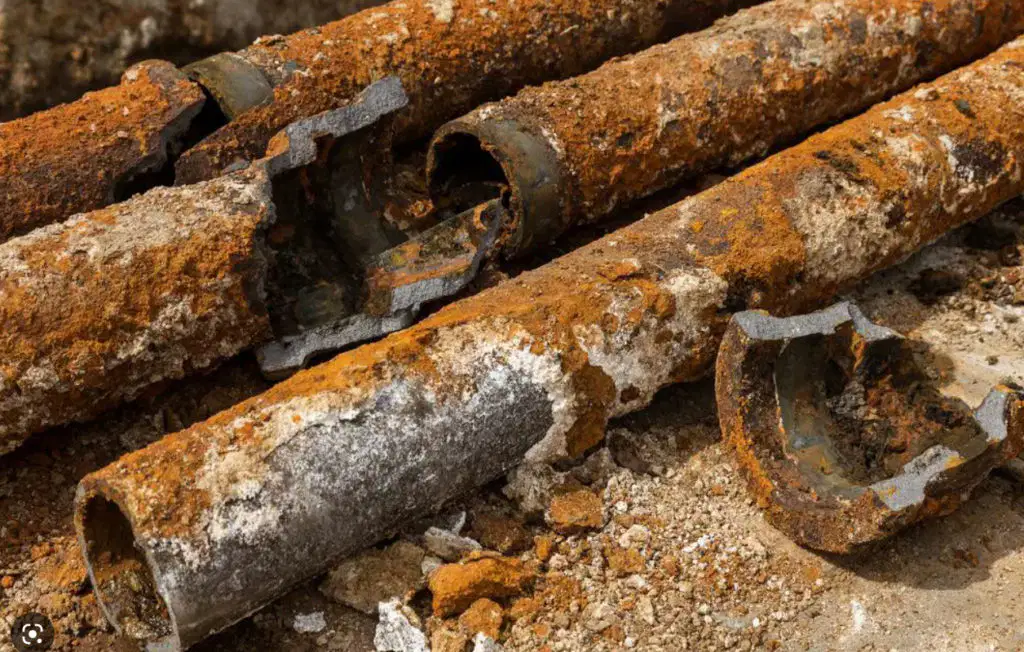
An iron pipe rusting
a)
physical
b)
chemical
35.

Dew forming on a leaf
a)
physical
b)
chemical
36.

Bending a nail with a hammer
a)
physical
b)
chemical
37.
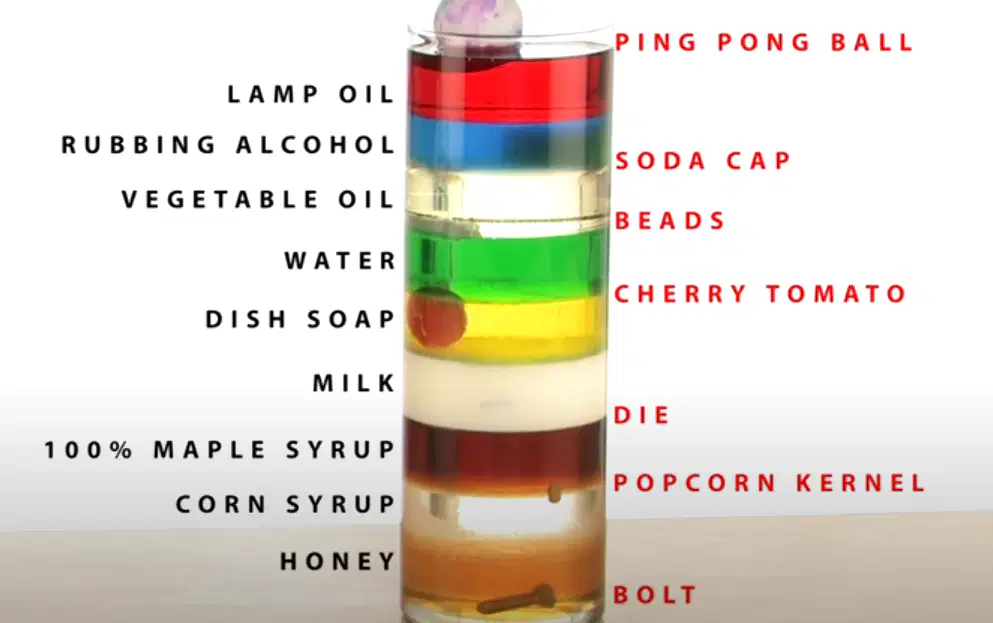
Use the picture to answer the following questions: Which liquid is the most dense?
a)
honey
b)
lamp oil
c)
rubbing alcohol
d)
vegetable oil
e)
water
38.
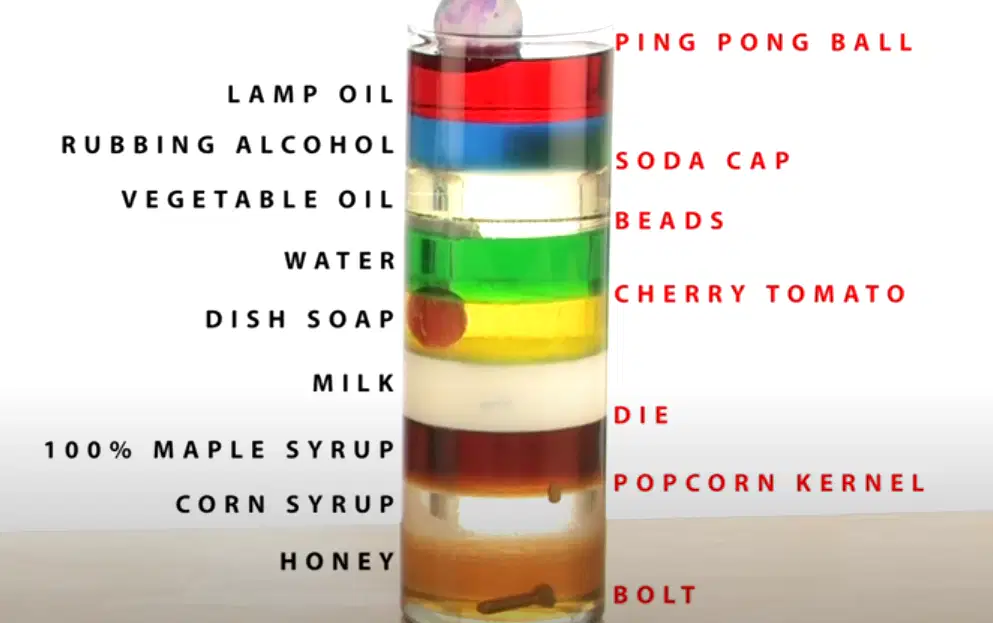
Which liquid is the least dense
a)
lamp oil
b)
rubbing alcohol
c)
vegetable oil
d)
water
e)
dish soap
39.
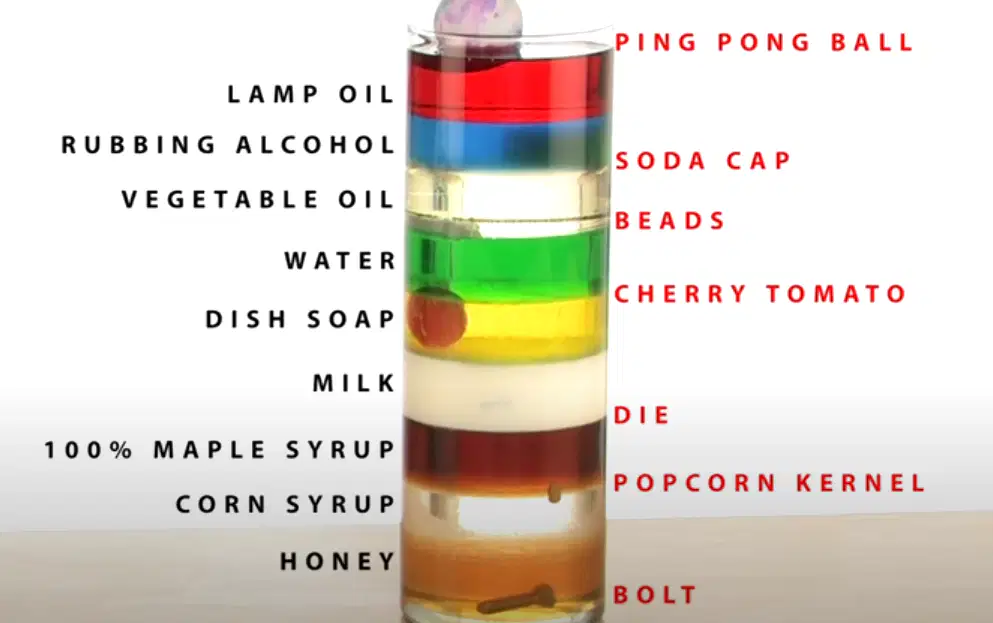
Which is more dense, vegetable oil or corn syrup?
a)
corn syrup
b)
lamp oil
c)
rubbing alcohol
d)
vegetable oil
e)
water
40.
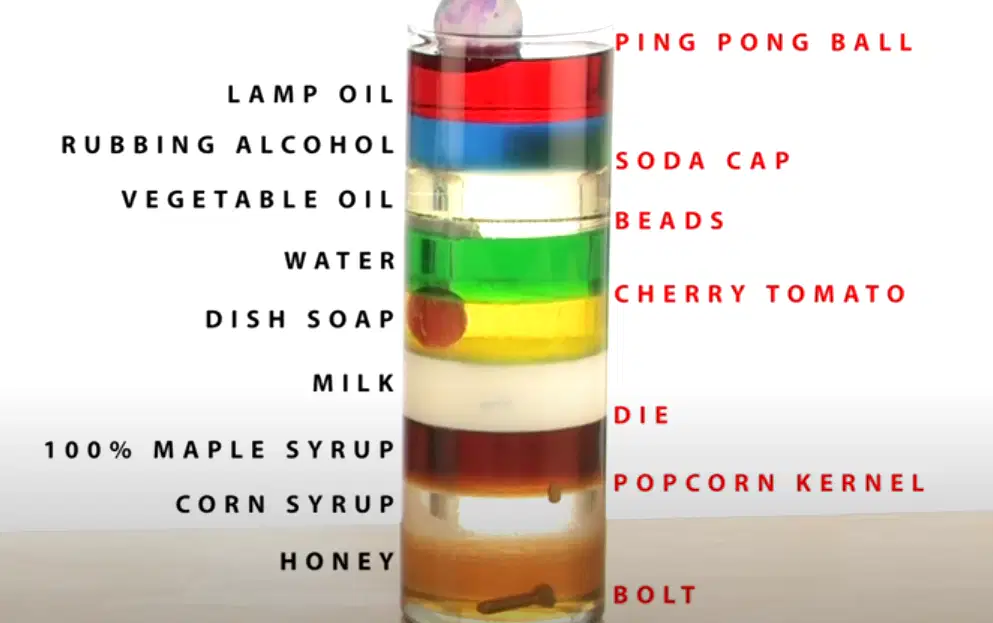
Which liquid is less dense, water or lamp oil?
a)
lamp oil
b)
rubbing alcohol
c)
vegetable oil
d)
water
e)
dish soap
41.

Which liquid has a higher viscosity, honey or water?
a)
water
b)
honey
42.
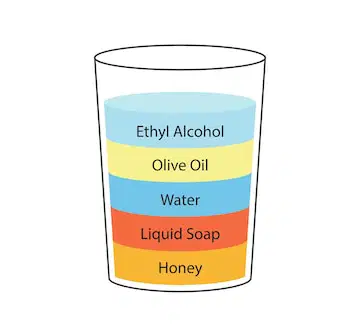
Which liquid has a lower viscosity, rubbing alcohol or honey?
a)
rubbing alcohol
b)
honey
43.

What is it called when a solid does not pass through the liquid stage and goes directly into a gas?
a)
submerge
b)
sublimation
c)
vaporization
d)
condensation
44.
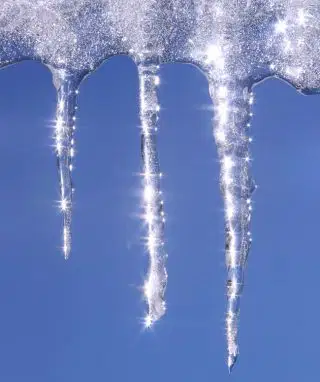
What is the change in state from a liquid to a solid called?
a)
freezing
b)
melting
c)
evaporation
d)
condensation
45.
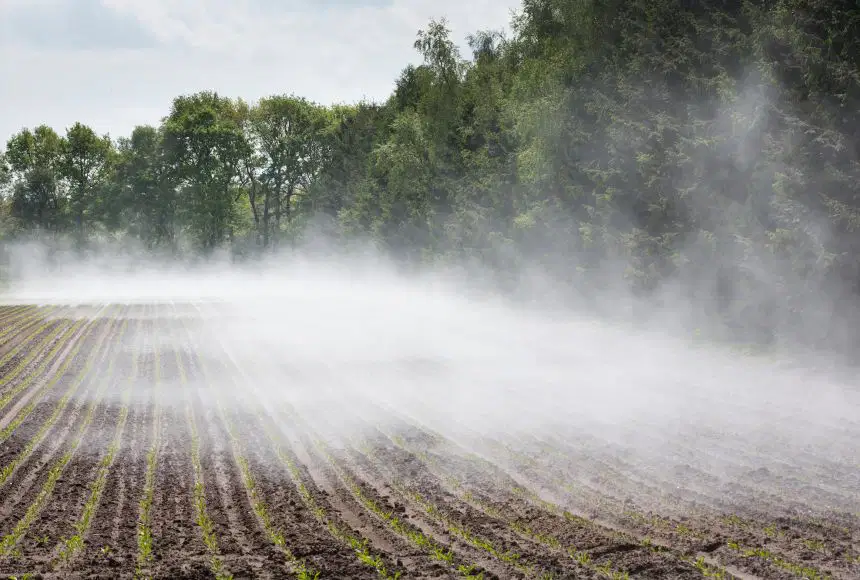
What is the change in state from a liquid to a gas called?
a)
freezing
b)
melting
c)
evaporation
d)
condensation
46.
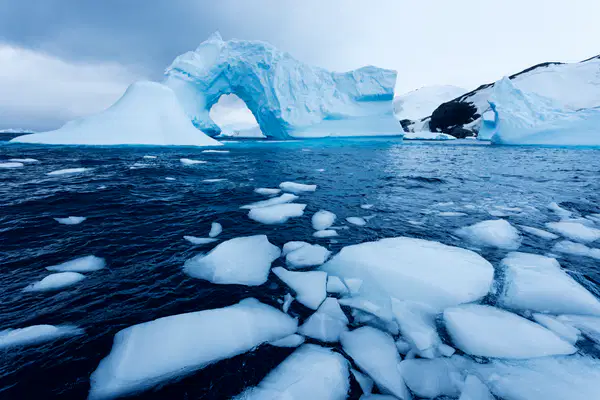
What is the change in state from a solid to a liquid called?
a)
freezing
b)
melting
c)
evaporation
d)
condensation
47.

What is the change in state from a gas to a liquid called?
a)
freezing
b)
melting
c)
evaporation
d)
condensation
48.
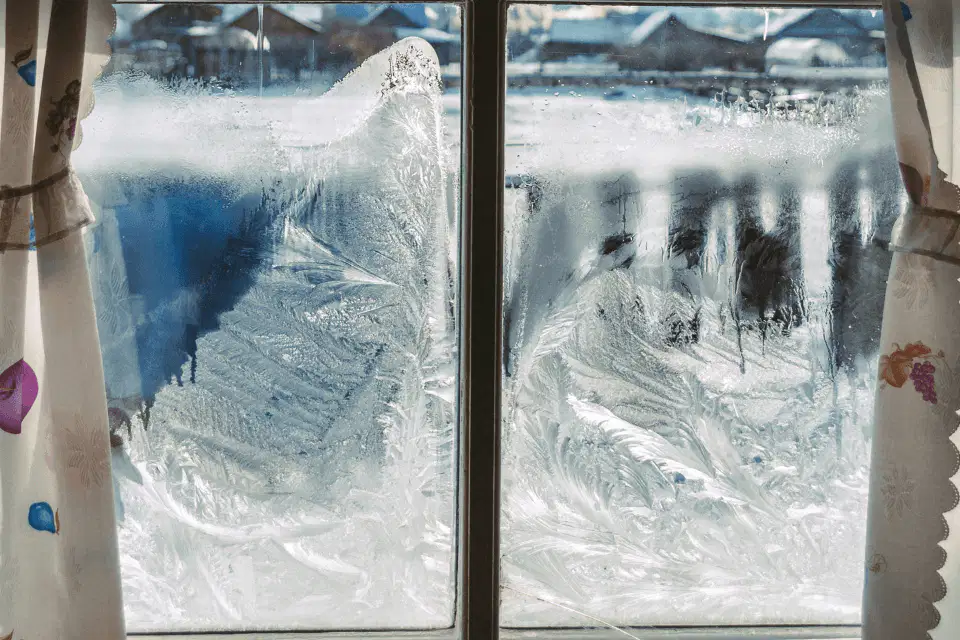
What is the change in state from a gas to a solid called?
a)
melting
b)
evaporation
c)
condensation
d)
deposition
49.
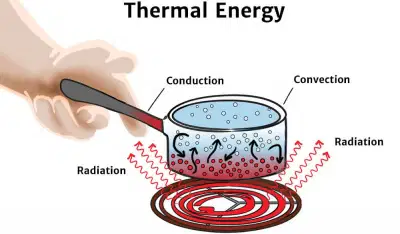
When a solid turn to a liquid, is energy absorbed (taken in) or released (given off)?
a)
absorbed
b)
released
50.
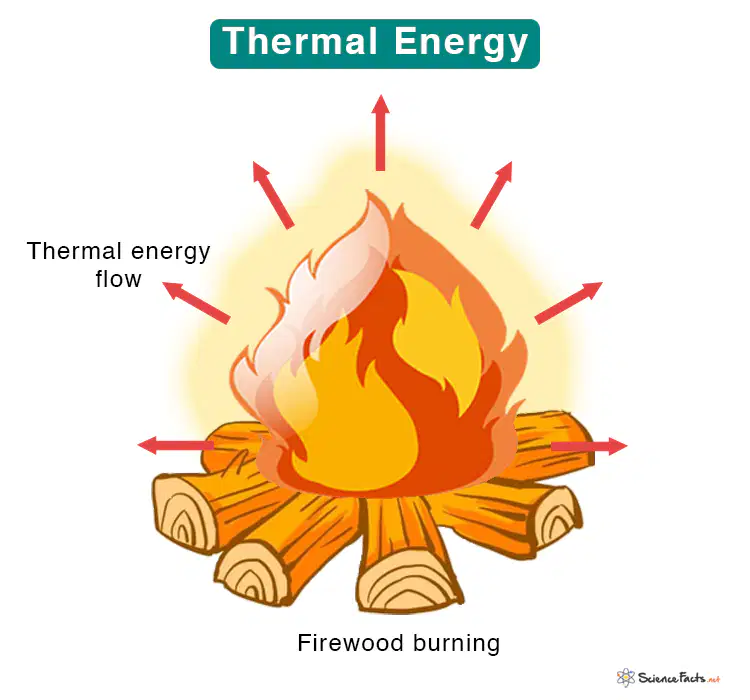
When a gas turns to a liquid, is energy absorbed (taken in) or released (given off)?
a)
absorbed
b)
released
51.
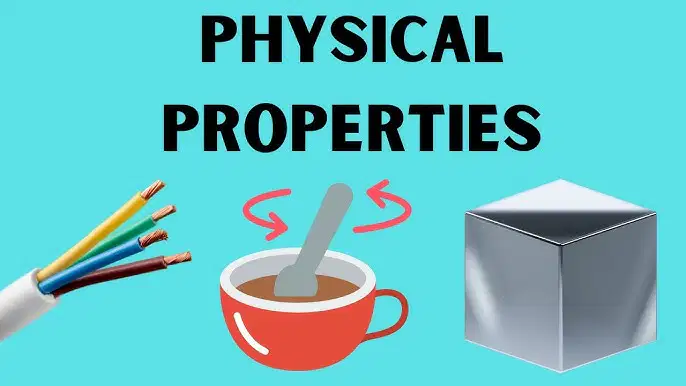
Which is NOT an example of a Physical Property?
a)
odor
b)
mass
c)
Density
d)
Combustion
52.
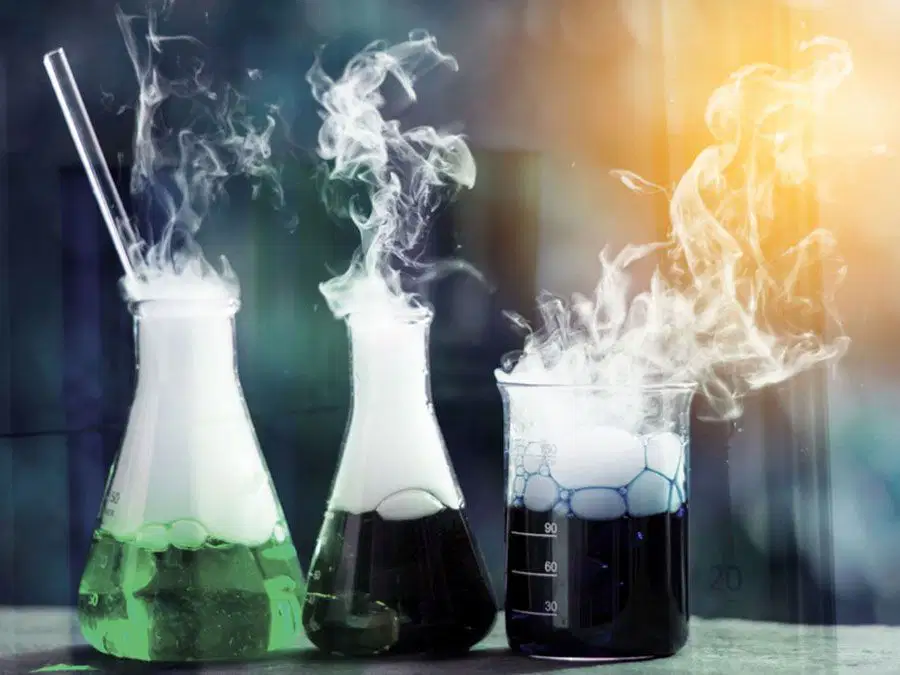
These properties can only be oberseved during a chemical reaction.
a)
flammability and reactivity
b)
color and density
c)
flammability and state of matter
53.

Changes in states of matter are __________ changes
a)
chemical changes
b)
physical changes
54.

In combustion, its a rapid combination of fuel and what gas?
a)
carbon dioxide
b)
oxygen
c)
nitrogen
d)
helium
55.

___________ mixtures are commonly called solutions.
a)
heterogenous
b)
homogeneous
c)
elements
56.
What determines a substances state of matter?
a)
temperature
b)
The color of the substance.
c)
The size of the container holding the substance.
d)
chemical change
100 %

