
 Worksheets
Chocolate
Total questions: 132
Worksheet time: 4hrs 55mins
Simón ................ his guitar last sunday
play
playing
played
plays
My mom .............. dinner last night
cooked
cooking
cooks
cook

elige la opción en pasado
reading
reads
read
readed

elige el verbo en pasado
dancing
dance
dances
danced

elige el verbo en pasado
sang
sing
sung
singing

elige el verbo en pasado
wash
washes
washed
washing

En inglés, para poner los verbos regulares en pasado les añadimos...
-end
-ed
-ing

Y si los verbos son irregulares, para ponerlos en pasado debo...
añadimos -ed
me los tengo que aprender, ni modo
me los puedo inventar

Like, study, look, ask, play, son verbos...
regulares
anormales
irregulares

Andrew ___________ TV yesterday.
wotch
watch
watched

We _________ at a restaurant to celebrate my birthday
read
ate
draw

What did you do at home yesterday?
I played the piano.
I play the guitar.
I play the piano.

¿Cuál es el presente y el pasado de ser/estar?
have / had
be / was, were
am / were

WHAT IS THE SIMPLE PAST OF WRITE?
White
Wrute
Wrote

WHAT IS THE SIMPLE PAST OF LISTEN?
Listen
Listening
Listened
Past simple: see
sold
saw
seen
sang

¿Cuál es el significado del verbo pasado "WENT"?
IR
QUERER
FUÉ
QUIZO
¿Para que sujetos se utiliza la forma pasada del verb to be "WERE"? Selecciona todas las respuestas que creas correctas.
SHE (ELLA)
WE( NOSOTROS)
THEY (ELLOS)
YOU (TÚ/USTEDES)
HE (ÉL)
El pasado simple se utiliza cuando...
hacemos una acción en tiempo presente.
hablamos del futuro
hablamos de acciones pasadas que han sido terminadas.
hablamos de acciones pasadas que se repiten en el presente
En inglés, para poner los verbos regulares en pasado les añadimos...
-end
-ed
-ing

Y si los verbos son irregulares, para ponerlos en pasado debo...
añadimos -ed
aprendérmelos, que no siguen reglas
digo el verbo en español acabado en -ation
Like, study, look, ask, play, son verbos...
regulares
anormales
irregulares

El verbo Write en pasado es
wrote
writing
writes
written
El verbo Go en pasado es
goes
going
went
gone

complete the question
Did you ____ yesterday?
ate
eating
eat
eaten

I_____in 2011
be born
was born
were born
am born

He _______ to Australia.
move
was moved
moved
moves

Did you pass your last exam?
Yes, I did
No, I didn't
Escoge la respuesta correcta para la siguiente frase.
Yo estuve jugando video juegos ayer.
playing football.
I was playing video games yesterday.
Yesterday played video games.
Escoge la traducción al español de la siguiente oración.
They were not practicing basketball last night.
Ellos comieron pizza
Ellos vide en Cartagena
Ellos no estuvieron practicando básquetbol la noche pasada.
Ninguna de las anteriores.
Traduce al inglés la siguiente pregunta.
¿Estuvieron ellos comiendo pizza ayer?
They eating pizza?
Eating pizza
Ninguna
Were they eating pizza yesterday?
¿Cuáles son los auxiliares en el pasado continuo?
Do/does
Have to
Was/were
like
Escribe 4 oraciones utilizando el pasado continuo.
Escoge la traducción correcta de los siguientes adverbios.
Felizmente, generalmente, rápidamente, bien.
Happily, generally, quickly, well.
Feliz, triste, facilente,¿,
Generally, baeutiiffulu.
Ninguna
Escoge la traducción correcta.
Carlos utiliza su celular fácilmente.
Carlos uses her cellphone easily.
Martin uses computer easy.
Carlos don´t like cellphone.
Ninguna.
Escribe 4 ejemplos de adverbios de modo.
Los verbos de los tiempos continuos o progresivos acaban con:
-ed
ing
Ninguna de las anteriores
¿Para qué sirve el "Present continuos"?
Para hablar de situaciones que estábamos haciendo en algún momento
Para hablar de acciones que estamos haciendo ahora mismo
Para hablar de hábitos, rutinas y verdades generales..
I ____ in Veracruz Last Summer
Was
Were
will
Am
I was (a) my homework
I was listening music when my mom arriving
Esta correcta?
Yes
No
El pasado de is es:
were
was
¿Cómo se dice "estaban"?
was
are
is
were
¿cual es la frase correcta en pasado continuo?
I am learnig english
I will be learnin english
I was learning english
¿cual es la estructuras del pasado continuo?
verbo en gerundio (ing) + complemento+ sujeto + to be
Sujeto + verbo auxiliar (to be) + verbo en gerundio (ing) + complemento
verbo auxiliar (to be) + (ing) + sujeto
We ____ (play) video games yesterday at 3 o'clock.
were playing
Are playing
Our play
What _____ he _____ (watch) on television when you arrived?
was,watching
were, watching
is, watch
La oración "Yo estaba hablando en el parque" en inglés se escribe:
I am talking in the park
I was talking in the park
La oración "El no estaba comiendo sobre la mesa" en inglés es:
He was not eating on the table
He is not eating on the table
Pasa la siguiente oración " I AM WORKING " a pasado progresivo:
(a)
La contracción del auxiliar WERE NOT es:
Weren't
Wen't
Were't

We ________(play) video games yesterday at 3 o'clock
was
were
were playing
was playing

_____ it _____ (rain) when you left?
was / raining
were / raining
is /raining
are / raining

They (a) studying for the exam
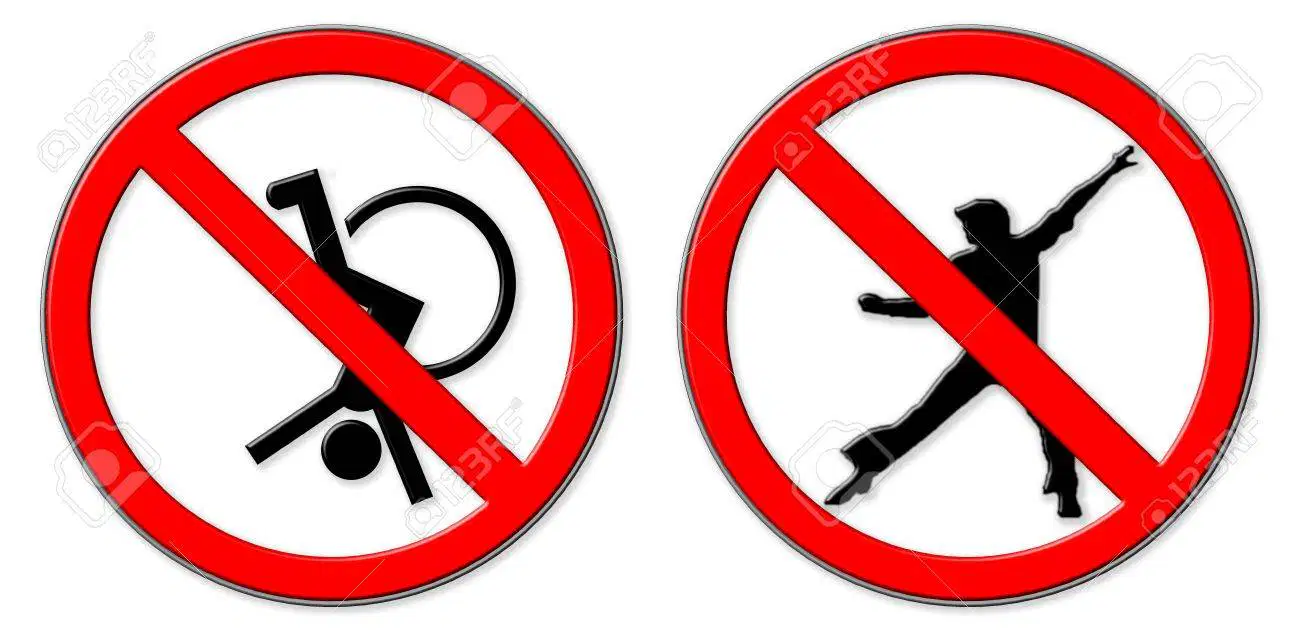
"He wasn't dancing" es:
(a)
"Nosotros estábamos estudiando inglés"
We were study english
We was studying english
We were studying english
We studying english
what will happen tomorrow?
i will rain
he will rain
they will rain
it will rain

I WILL WATCH TV AND EAT TOMORROW.
YO JUGARÉ FÚTBOL MAÑANA.
YO JUGARÉ BALONCESTO MAÑANA.
YO MIRARÉ TELEVISIÓN Y COMERÉ MAÑANA.

Will se utiliza para
Hablar del pasado
Expresar el fururo
Conversar sobre el presente
Contar historias

Maria leerá su discurso (elija la opción correcta)
María will read his speech
María will write her book
María will read her speech
María will reading her book.

Ella no será una cocinera
She will not yo be a cook
She won't be a cook.
She wil not be a cook.
She will no be a cook.

Al hacer una pregunta con Will, WILL se ubica en...?
Al inicio
Después del verbo
Al final
No es necesario
Cual de las siguientes es una expresión de tiempo del futuro.
Yesterday
Today
Tomorrow
Last Month

Completa la siguiente oración con la opción correcta en futuro:
She_________ (go) to the party the Next Saturday.
Will went
Will go
Will gone
Will goes

Completa la siguiente oración con la opción correcta en futuro:
They __________ (not/cook) the dinner.
Will not cooks
Will not cooked
Will not cooking
Will not cook

Respond the the next Sentence in the Simple Future:
Will you play soccer in this vacation?
Yes, I do.
Yes, I does.
Yes, I don't.
Yes, I Will.
Respond the the next Sentence in the Simple Future:
Will the children sleep tomorrow early?
No, she wont.
No, I doesn't.
Yes, he'll don't.
No, they won't.
El futuro simple will/won't es un tiempo verbal para expresar acciones que se realizarán en....
futuro simple
pasado simple
futuro compuesto
Presente futuro
En el futuro simple will/won't se puede expresar oraciones
solo afirmativas
Afirmativas y negativas
Afirmativas, negativas e interrogativas
interrogativas y negativas
la formula para las ORACIONES AFIRMATIVAS en futuro simple es
Sujeto + verbo + Objeto
Sujeto + Will + verbo
Will + verbo + sujeto
Verbo + sujeto + will
La estructura de ORACIONES NEGATIVAS en futuro simple es:
Sujeto + Will + Verbo
Objeto + won't + unicornio
Sujeto + won't + verbo
Sujeto + went + Verbo
La estructura de las ORACIONES INTERROGATIVAS en futuro simple es:
Dragón + will + Verbo + Sujeto
Verbo + Will/won't + verbo
Sujeto + Verbo + Will/won't
Will/won't + sujeto + verbo
You (plural) had eaten
(a)
She had lived
(a)
They (feminine) had danced
(a)
He had broken
(a)
They (masculine) had opened
(a)
You (polite) had said {decir}
(a)
We had proposed
(a)
You (familiar) had described
(a)
I had done
(a)
I had walked
(a)
El past perfect es un tiempo verbal que...
... se utiliza principalmente para expresar acciones que ocurrieron con anterioridad a otras que tuvieron lugar en el pasado.
... no se utiliza principalmente para expresar acciones que ocurrieron con anterioridad a otras que tuvieron lugar en el pasado.
... se utiliza principalmente para expresar acciones que ocurrieron con anterioridad a otras que tienen lugar en el presente.
Ninguna opción es correcta.
We ate cherries from the tree that my grandfather ____________ (to plant) many years before.
had planted
have planted
has planted
haven't planted
When we arrived, the show ____________ (to start)
have started.
had started.
didn't start.
hasn't started.
When we arrived, the show ____________ (to start)
have started.
had started.
didn't start.
hasn't started.
He wanted to know what (happen) ________________ with her book.
happens
happened
has happened
Ninguna opción es correcta.
Alice _______________ (not be) hungry because she __________ (just/eat).
wasn’t/ had just eaten
is not/ had just eaten
wasn’t/ has just eaten
wasn’t/ had eaten
Steve ______________ (tell) us Mary ______________ (not buy) that car the month before.
told/ hadn’t bought
tell/ hadn’t bought
told/ haven’t bought
told/ hasn’t bought
Ruby and Alexa had played the trumpet.
Que significa "she has eaten too much"
(a)
El past perfect se forma con have en pasado (had) + un verbo a continuación en...?
(a)
"Ella ha comido" es present perfect o past perfect
Present perfect
Past perfect
"Ella habia comido" es present perfect o past perfect?
Present perfect
Past perfect
Llevaba viviendo alli 10 años
I had been living there for 10years
I have been living there since 10 years
I have been living there for 10 years
I had been living there since 10 years
Steve ____________ (write) a poem.
wrote
has written
had written
have written
What do we use the Past Perfect Progressive for?
Se utiliza para expresar lo que hemos hecho.
Se utiliza para expresar lo que hemos estado haciendo.
Se utiliza para expresar lo que habíamos estado haciendo.
Se utiliza para expresar lo que habíamos hecho.
La PB que se utiliza en esta construcción del PASADO Perfecto Progresivo es:
HAVE
HAS
HAD
HAVED
been en la construcción del Pasado Perfecto Progresivo significa:
Ver
Visto
Sido
Estado
La PA (verbo) pertenece en esta construcción del Pasado perfecto a:
Primera columna: Presente
Segunda columna: Pasado
Tercera columna: Pasado Participio
Futuro
En la construcción del Pasado Perfecto Progresivo se utiliza la misma PB (HAD) para todas las Formas Personales
TRUE
FALSE
La CI es: Had she been living in Soacha?
La respuesta negativa sería:
(a)
Had she been living in Soacha?
Como sería la RA (Respuesta Afirmativa)?
(a)
Cual es el Tiempo verbal que estamos estudiando?
Presente Perfecto Progresivo
Futuro Perfecto Progresivo
Pasado Perfecto Progresivo
Pasado Progresivo
El verbo (PA) en la construcción del Pasado Perfecto Progresivo pertenece a la Primera columna es decir al presente.
TRUE
FALSE
En la construcción del Pasado Perfecto Progresivo, a la PB(HAD) se le agrega la terminacion ING.
TRUE
FALSE
You ....... visiting your friends
was
were
are
is
........ she reading a magazine when Peter arrived?
were
was
do
did
They ............... watching a film yesterday afternoon
weren`t
wasn`t
don`t
isn`t
Ann ................. cleaning her room when her mother called her
weren`t
doesn`t
didn`t
wasn`t
We were ................ around the park
climb
doesn`t run
running
is eating
We ____ (play) video games yesterday at 3 o'clock.
were play
was playing
were playing
was play
They ____ (not/do) their homework yesterday at 3 o'clock
was not doing
were not doing
was not do
My parents ____ (work) when I came home.
My parents was work when I came home.
My parents were work when I came home.
My parents was working when I came home.
My parents were working when I came home.
In 2010, we ____ (live) in a small flat in London.
were living
was live
were live
was living
cooking / she / arrived / was / I / when
Was She cooking when I arrived.
She was cooking when I arrived.
She cooking was when I arrived.
¿Cuál es la estructura para pasado continuo?
sujeto + verbo auxiliar + verbo principal + complemento
sujeto + verbo principal + verbo auxiliar + complemento
verbo principal + sujeto + complemento
verbo principal + complemento + sujeto
They were (a) soccer in the park
Escribe una oración en forma afirmativa en pasado progresivo
Escribe una oracion usando la preposicion during
Mary and Thomas (a) drinking coffee near to the Hospital

