Worksheets
Cell Energy Practice
Total questions: 24
Worksheet time: 13mins
Which of the following is NOT classified as a biological macromolecule?
Proteins
Lipids
Nucleic acids
Cells
Carbohydrates

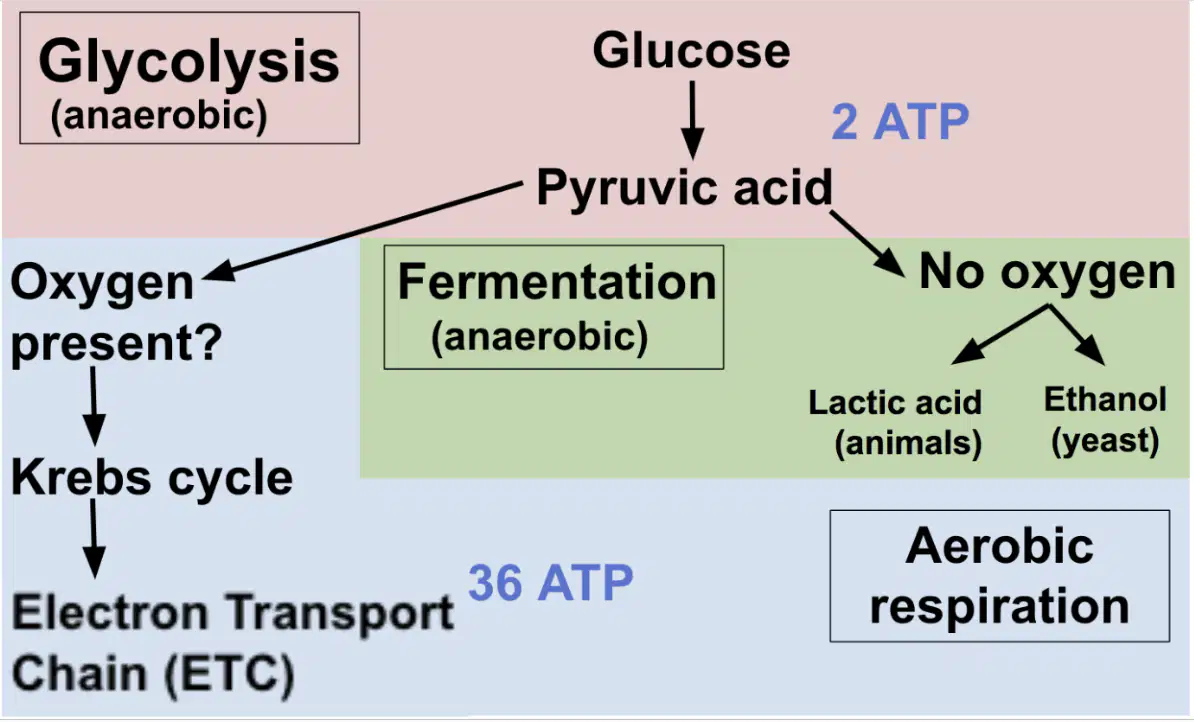
Avery is baking fresh bread at home and notices that the dough rises and forms air bubbles as it sits. Which fermentation process is responsible for making the dough rise and create these air bubbles?
Lactic acid fermentation
Pyruvic acid fermentation
Alcoholic fermentation
Chemical fermentation
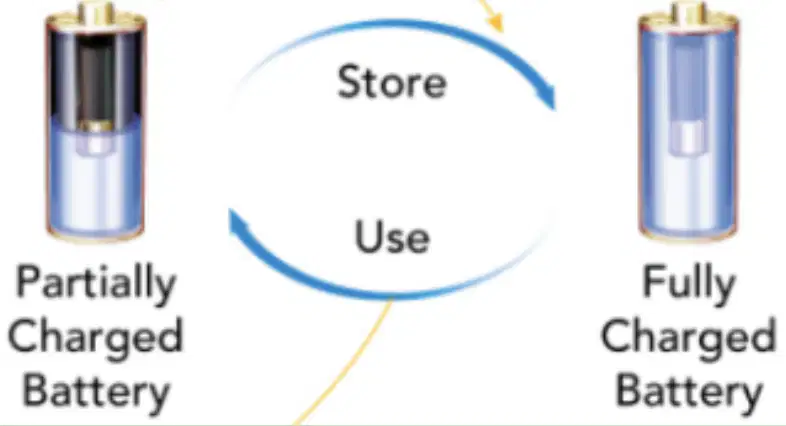
Which molecule acts as the main energy currency in cells, allowing them to store and use energy as needed?
DNA
RNA
ETC
ATP
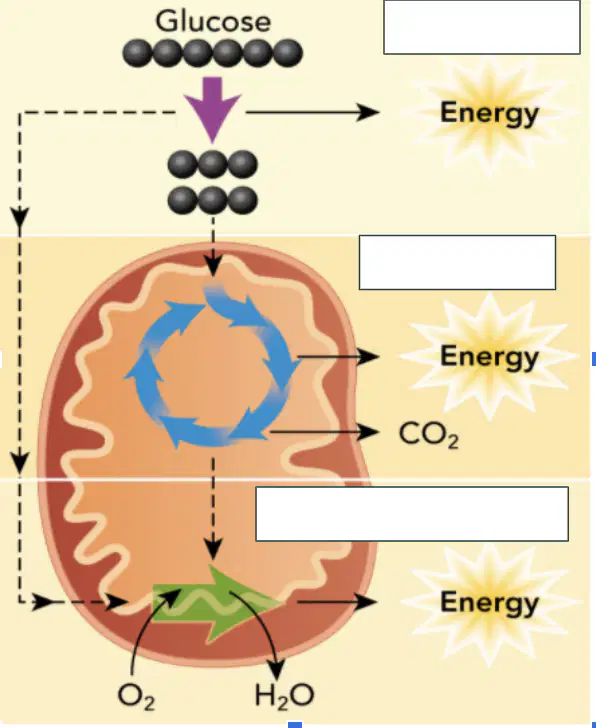
Avery is studying how our bodies get energy from food. She learns that after glucose is broken down into pyruvic acid, there is a special cycle in our cells that takes in pyruvic acid and produces carbon dioxide (CO2), ATP energy, and electron carriers (NADH, FADH2). What is the name of this cycle?
Calvin Cycle
Krebs Cycle
Glycolysis
Electron Transport Chain (ETC)
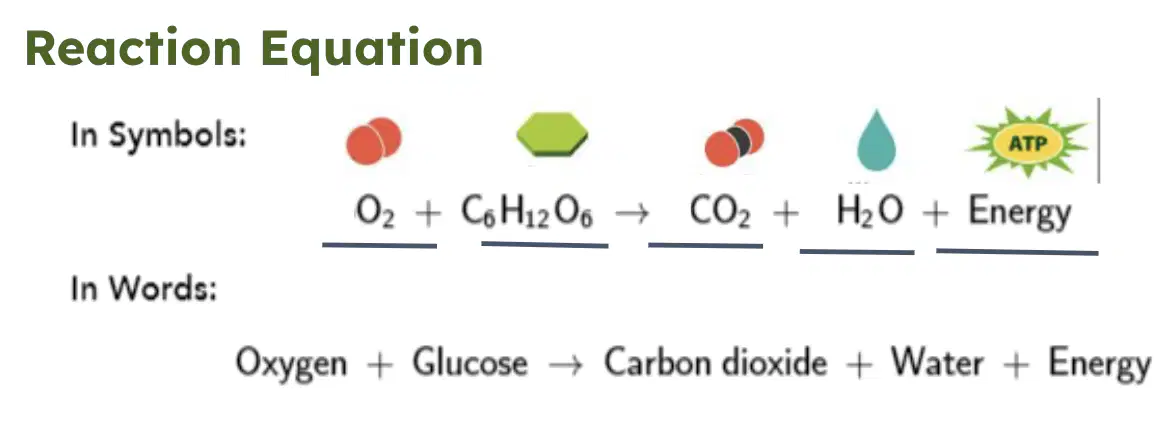
Which process uses oxygen and glucose to produce carbon dioxide, water, and ATP energy in living organisms?
fermentation
photosynthesis
cellular respiration
glycolysis
Luna is conducting an experiment in her biology class to see how cells produce energy when oxygen is not available. She observes that glycolysis still occurs even without oxygen. Glycolysis is an example of which of the following processes.
an aerobic process
a cyclical process
an anaerobic process
a fast process
Where in the cell does the Krebs cycle primarily take place?
in the cell membrane
in the mitochondrial matrix
in the cell nucleus
in the cytoplasm
During a vigorous workout, Michael feels a burning sensation in his muscles. This sensation is created from
alcoholic fermentation
lactic acid fermentation
photosynthesis
glycolysis
What is the total number of ATP molecules produced from one molecule of glucose during cellular respiration?
About 36 ATP
About 1 to 2 ATP
About 2 ATP
About 100 ATP
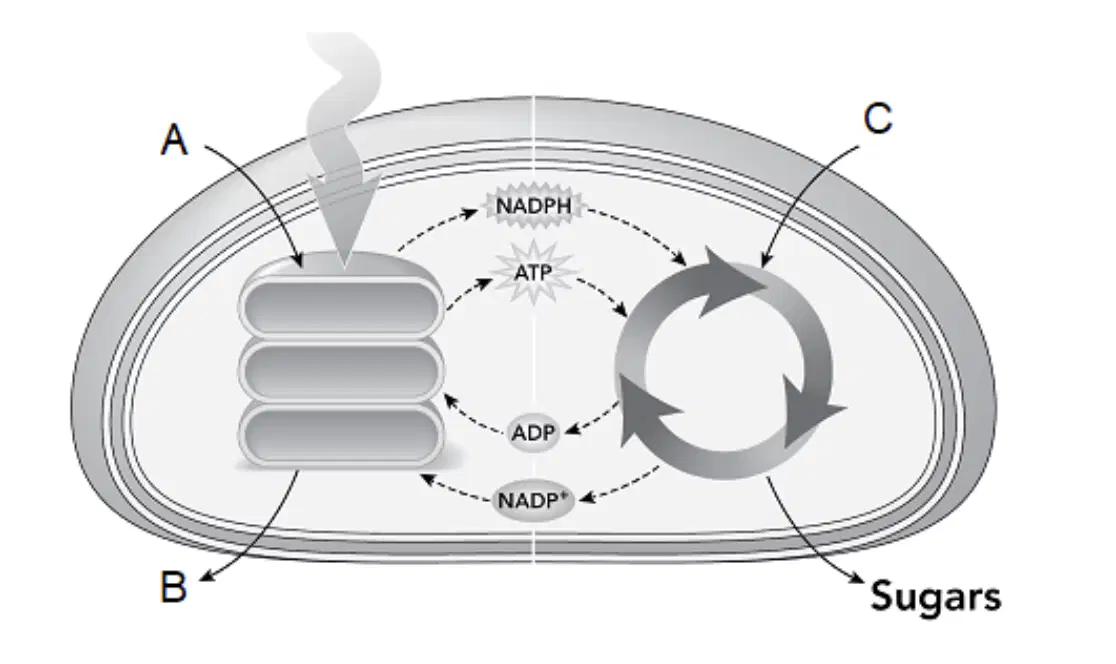
How do the products of the light-dependent reactions contribute to the process of the light-independent reactions in photosynthesis?
They provide the carbon dioxide needed for sugar production.
They supply the ATP and NADPH required to power the synthesis of sugars.
They directly produce glucose, which is then broken down in the light-independent reactions.
They absorb sunlight to help the light-independent reactions occur.
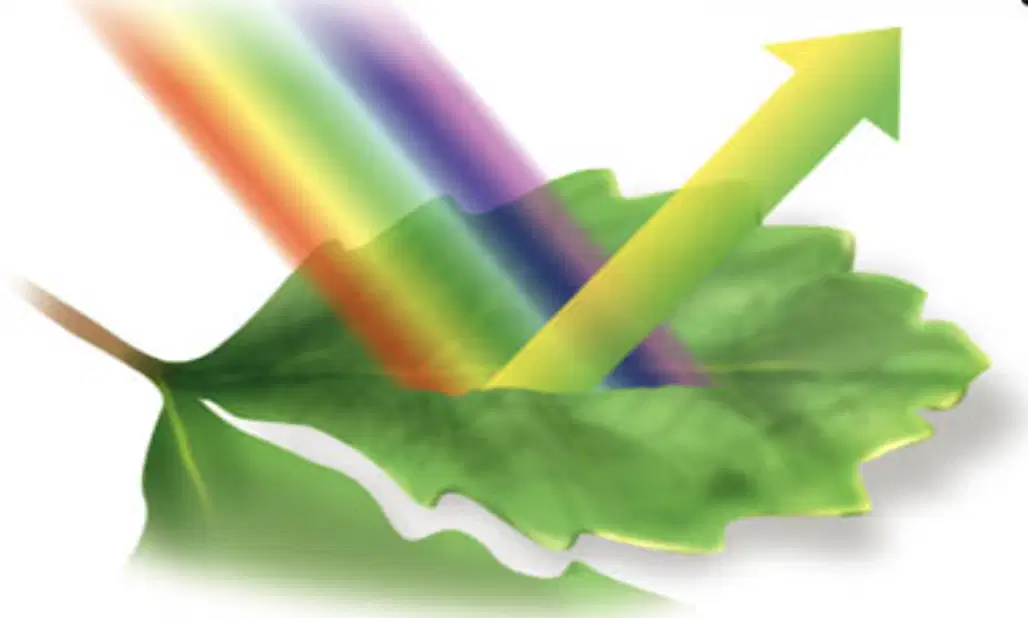
While helping Hannah with her science homework, she wonders what the light absorbing pigment of green plants is called. Can you help her answer?
thylakoid
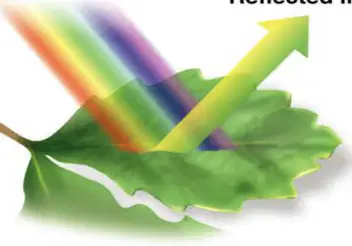
chlorophyll
carotene
chloroplast
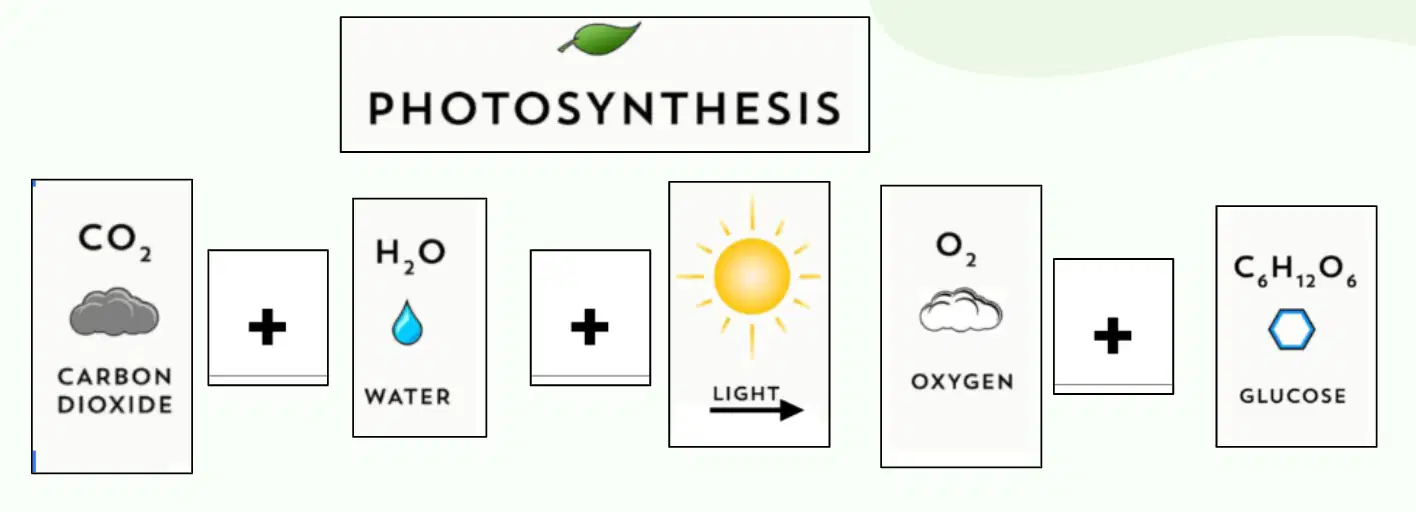
Sophia is learning about photosynthesis in her science class. She writes down the reaction equation: H2O + CO2 + light energy → Glucose (C6H12O6) + O2. Her teacher asks her, in this equation, the sugar and the oxygen are called the ___________.
Products (outputs)
Reactants (inputs)
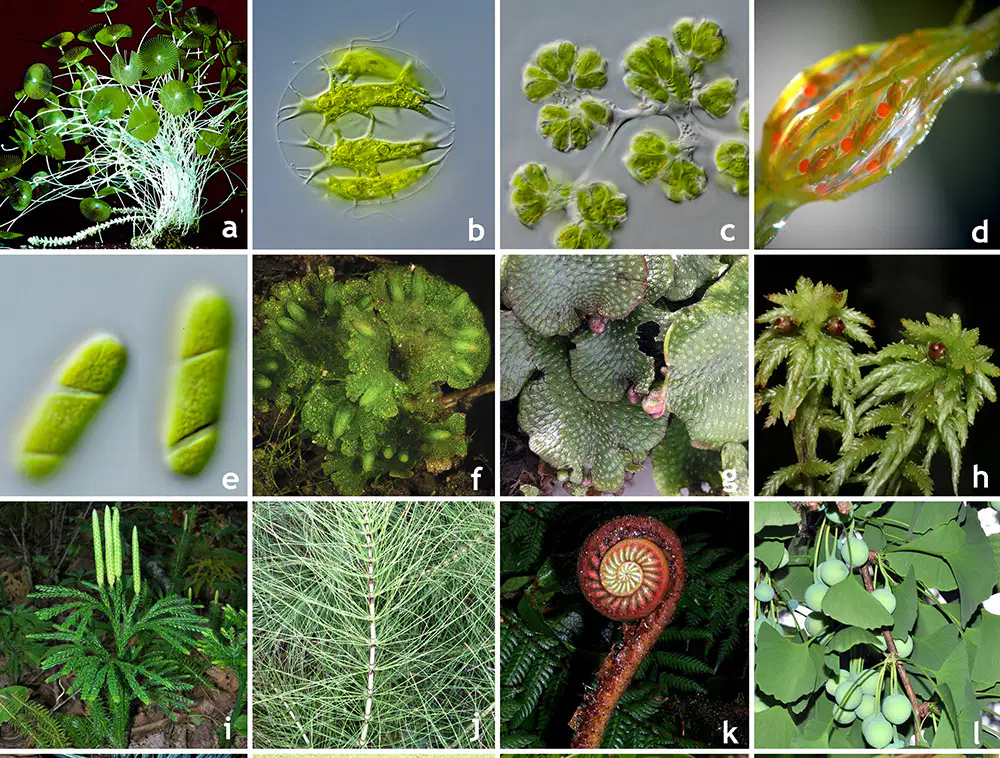
Mia is learning about different types of organisms in her science class. She notices that plants, algae, and some bacteria can make their own food using sunlight. What type of organisms are these?
Autotrophs
Consumers
Heterotrophs
Abiotic
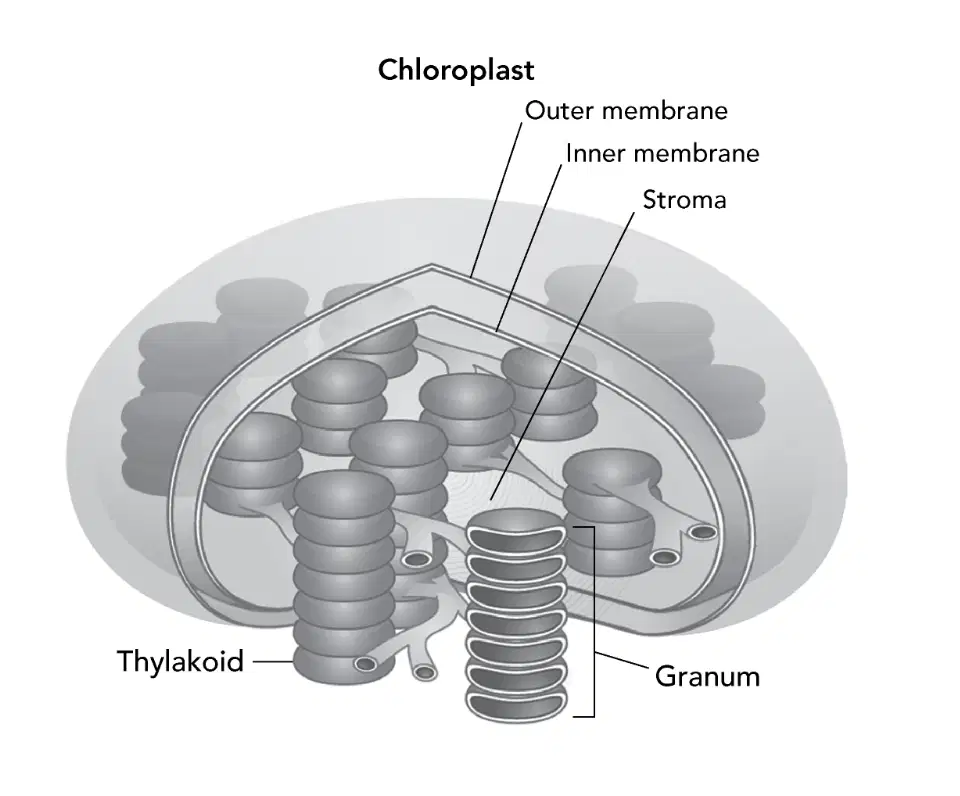
The stacks of thylakoids found inside chloroplasts are known as ____________?
Stroma
Granum
Pigments
Membranes
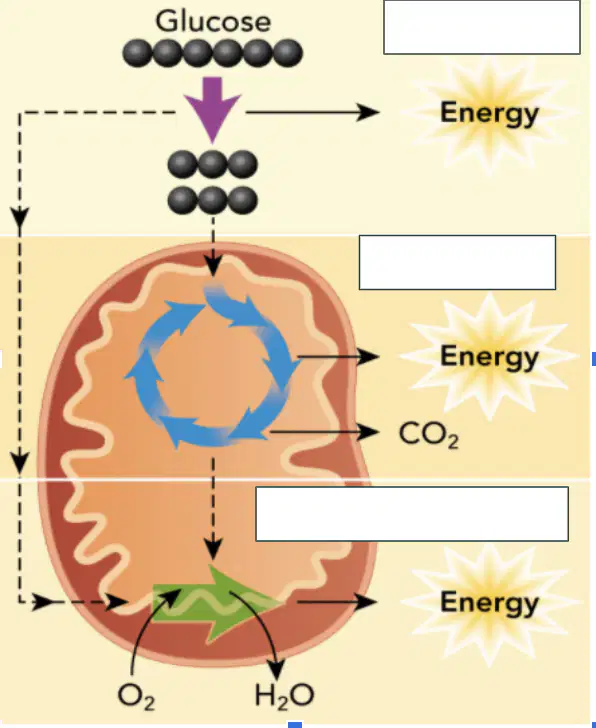
Which of the following is the main product of cellular respiration that cells use for their activities?
ATP/energy
Glucose
Carbon dioxide
Amino acids
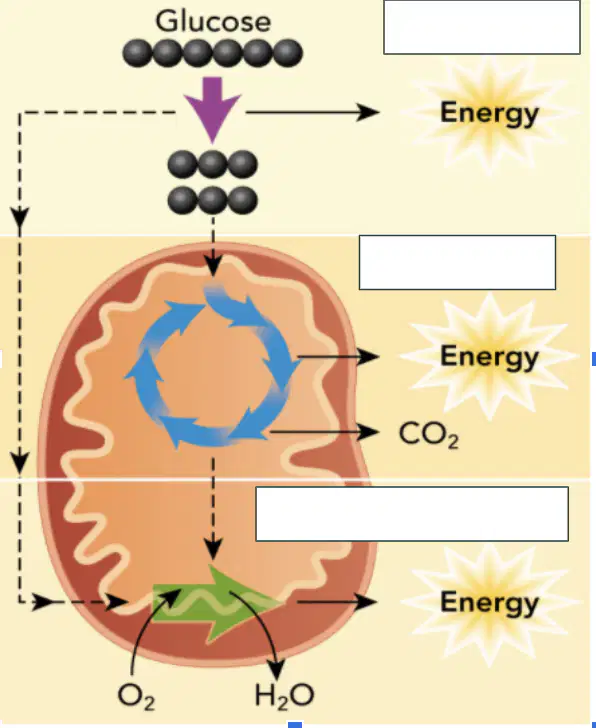
After glycolysis, what is the fate of pyruvic acid if oxygen is not available in the cell?
It enters the mitochondria for the Krebs cycle.
It undergoes fermentation to produce energy.
It moves to the chloroplast for photosynthesis.
It is converted into glucose.
At a local science fair, students are asked to identify which two types of organisms are known to carry out lactic acid fermentation. Which pair should they choose?
yeast and humans
human
bacteria and humans
bacteria