
 Worksheets
Economic Issues - S4
Total questions: 77
Worksheet time: 39mins
The main stages of the business cycle are:
Expansion, peak, contraction, trough
Start, growth, decline, end
Introduction, maturity, decline, recovery
Launch, boom, bust, recovery
By the end of this chapter, learners will be able to: Identify the impact on businesses of changes in employment levels, inflation and Gross Domestic Product (GDP).
Identify the impact on businesses of changes in employment levels, inflation and Gross Domestic Product (GDP).
Describe the history of employment laws in different countries.
Explain the process of starting a new business from scratch.
List the main types of business ownership structures.
By the end of this chapter, learners will be able to: Identify government economic objectives.
Identify government economic objectives
Describe the history of government
List types of government systems
Explain government election processes
By the end of this chapter, learners will be able to: Analyse the impact of changes in taxes and government spending.
Analyse the impact of changes in taxes and government spending.
Describe the history of government taxation.
List types of government spending only.
Explain the process of tax collection.
By the end of this chapter, learners will be able to: Analyse the impact of changes in interest rates.
Analyse the impact of changes in interest rates.
Describe the history of interest rates.
Predict future stock market trends.
Calculate compound interest only.
By the end of this chapter, learners will be able to: Identify how businesses might respond to these changes.
Identify how businesses might respond to these changes.
List the history of business development.
Describe unrelated scientific theories.
Explain the process of photosynthesis.
What does GDP stand for?
Gross Domestic Product
General Domestic Price
Gross Development Plan
General Development Product
Which of the following is NOT a component of Gross Domestic Product (GDP)?
A) Personal Consumption
B) Government Spending
C) Business Investment
D) Personal Savings
Fill in the blank: Gross Domestic Product (GDP) is the total value of output of goods and services in a country in one _____
year
month
week
decade
Which of the following best describes GDP?
The total value of all goods and services produced in a country in one year
The total value of all goods and services imported by a country
The total value of all investments made by businesses
The total value of government spending only
Which of the following is an example of 'Business Investment' as a component of GDP?
Buying groceries
Purchasing new machinery for a factory
Paying taxes
Importing cars
Fill in the blank: ______ is when GDP is rising, unemployment is generally falling, and the country is enjoying higher living standards. Most businesses will do well at this time.
Growth
Recession
Stagnation
Depression
Fill in the blank: ______ is caused by too much spending. Prices start to rise quickly and there are shortages of skilled workers. Business costs will be rising, and businesses will become uncertain about the future.
Boom
Recession
Stagnation
Deflation
Fill in the blank: ______ is often caused by too little spending. This is a period when GDP falls. Most businesses will experience falling demand and profits. Workers may lose their jobs.
Recession
Inflation
Boom
Stagflation
Fill in the blank: ______ is a serious and long-drawn-out recession. Unemployment reaches very high levels and prices may fall. Many businesses will fail to survive this period.
Slump
Boom
Recovery
Inflation

According to the diagram titled 'Phases of the Business Cycle', which of the following lists the four main phases shown in the business cycle?
Expansion, Peak, Contraction, Trough
Growth, Decline, Plateau, Recovery
Start, Boom, Fall, End
Increase, Maximum, Decrease, Minimum
Fill in the blank: ________ is the increase in the average price level of goods and services over time.
Inflation
Deflation
Stagnation
Depreciation
Fill in the blank: ________ exists when people who are willing and able to work cannot find a job.
Unemployment
Inflation
Investment
Productivity
Fill in the blank: ________ is when a country’s GDP increases more goods and services are produced than in the previous year.
Economic growth
Inflation
Recession
Stagflation
Fill in the blank: The ________ records the difference between a country’s exports and imports.
balance of payments
gross domestic product
exchange rate
inflation rate
Higher unemployment causes a fall in _______ of consumers, which reduces sales for businesses.
income
taxes
production
exports
Business selling cheaper products may see increase in sales as consumers cut back on spending and buy _______ products. Fill in the blank.
cheaper
expensive
luxurious
imported
Rising inflation increases business cost, which increases the product price and causes a fall in _______.
sales
production
investment
employment
Increase in GDP means economic growth. Unemployment reduces and increases consumers' spending capacity. However, recruitment gets difficult as there is a shortage of _______ due to lower unemployment rate. Fill in the blank.
labour
capital
technology
raw materials
Which of the following is a government economic objective?
High inflation
Low inflation
High unemployment
Trade deficit
Fill in the blank: One of the government economic objectives is low _________
unemployment
inflation
taxation
corruption
Which of the following is NOT a government economic objective?
Economic growth
Balance of payments between imports and exports
High unemployment
Control of inflation
Fill in the blank: The government aims for a balance of payments between _______ and _______.
imports; exports
taxes; subsidies
loans; grants
production; consumption
According to the passage, what is one benefit of low inflation for businesses and a country?
It discourages businesses from expanding
It makes it easier for a country to sell its goods and services abroad
It increases the cost of goods
It reduces exports
Fill in the blank: If a worker receives a 6 per cent wage increase but prices rise by 10 per cent in the same year, then the worker’s real income has ______ by 4 per cent.
fallen
risen
remained unchanged
doubled
What is real income according to the passage?
The total amount of money a worker earns
The value, in terms of what can be bought, of an income
The amount of money after taxes
The price of goods in the market
Workers may demand higher wages so that their real incomes increase.
True
False
Unemployed people do not produce any ________ or services.
goods
money
machines
buildings
What does the government pay to those without jobs?
Salary
Unemployment benefit
Bonus
Pension
Low unemployment will help to increase the ________ of a country and improve workers’ living standards.
output
inflation
tax rate
imports
What is economic growth? Fill in the blank: An economy is said to grow when the total level of output of goods and services in the country _________.
increases
decreases
remains constant
fluctuates randomly
When a country is experiencing economic growth, the standard of living of the population is likely to increase.
True
False

Which of the following is NOT a factor in the formula for economic growth?
A) Human Capital
B) Financial Capital
C) Productivity
D) Natural Disasters
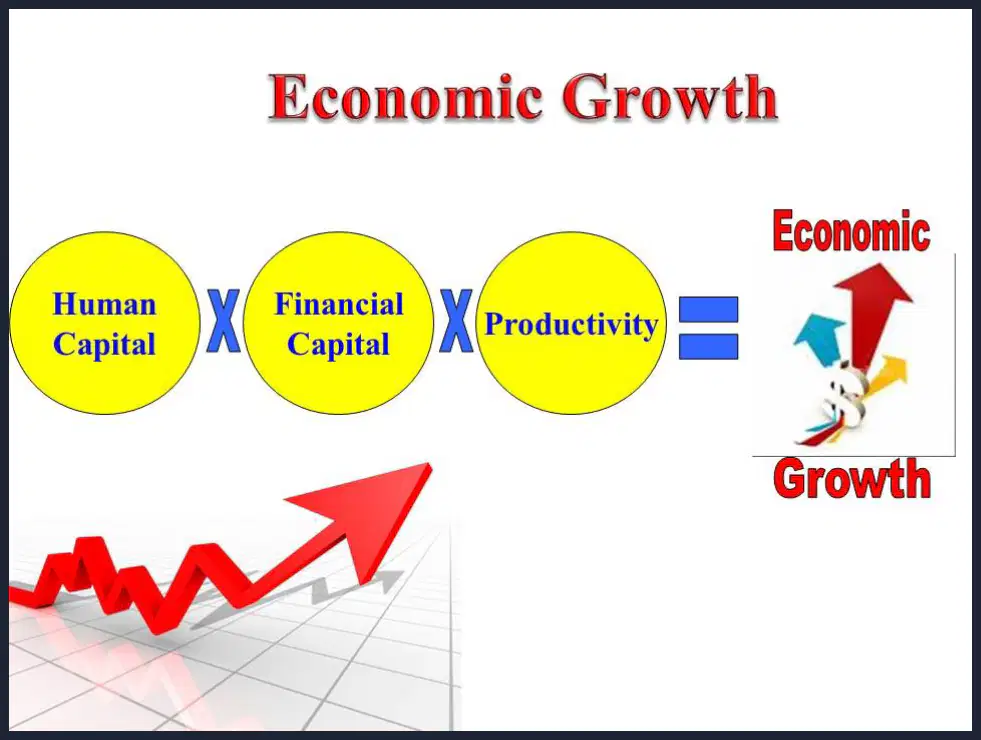
Fill in the blank: Economic Growth = Human Capital x Financial Capital x _________?
Productivity
Inflation
Tax Rate
Imports
What are exports?
Goods and services bought in by one country from other countries.
Goods and services sold from one country to other countries.
The price of one currency in terms of another.
The fall in the value of a currency compared with other currencies.
What are imports?
Goods and services sold from one country to other countries.
Goods and services bought in by one country from other countries.
The difference between a country’s exports and imports.
The price of one currency in terms of another.
Governments will aim to achieve ______ or balance between exports and imports over a period of time.
equality
inflation
deficit
surplus
The difference between a country’s exports and imports is called the ______.
balance of payments
gross domestic product
inflation rate
exchange rate
The exchange rate is the price of one currency in terms of another. For example, £1 : $1.5.
True
False
Exchange rate depreciation is the fall in the value of a currency compared with other currencies.
True
False
Which of the following is NOT a component of the Current Account in the Balance of Payments?
Goods and Services
Investment Income
Transfers (Aid)
Financial Assets
In a Balance of Payment Deficit, the country imports more goods, services & capital than it exports.
True
False
In a Balance of Payment Surplus, the country exports more goods, services & capital than it imports.
True
False
Fill in the blank: Fiscal policy is any change by the government in _______ or public sector spending.
tax rates
interest rates
exchange rates
import quotas
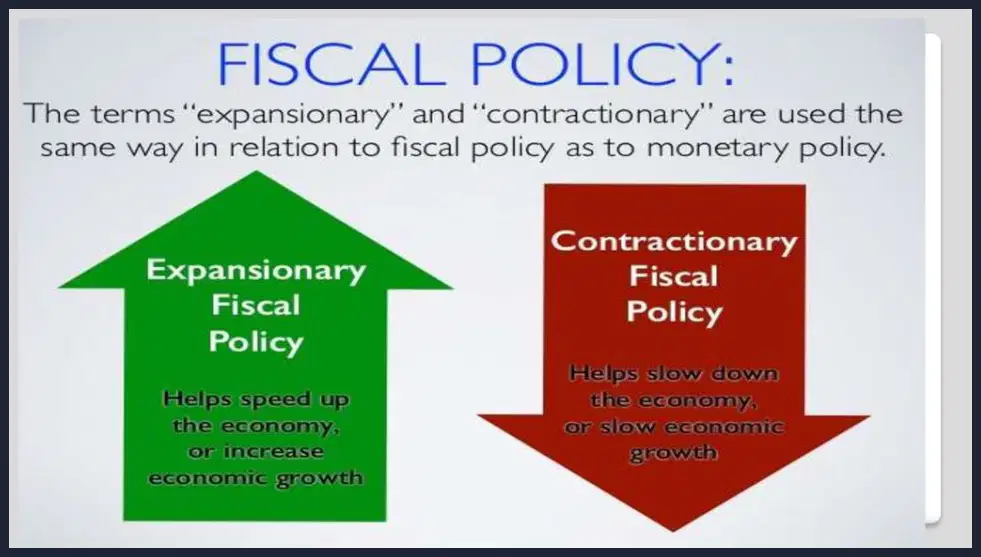
Which of the following best describes Expansionary Fiscal Policy?
A) Helps slow down the economy, or slow economic growth
B) Helps speed up the economy, or increase economic growth
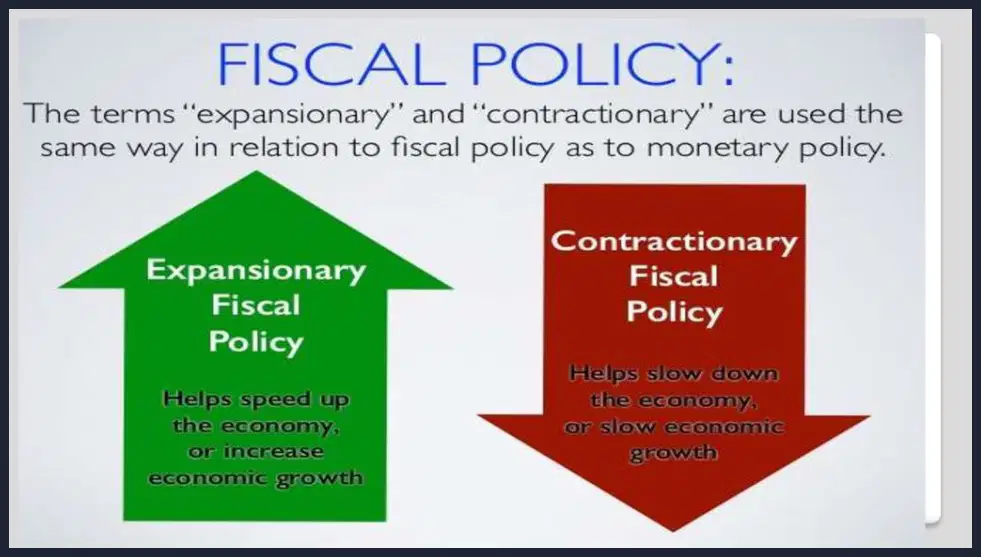
Which of the following best describes Contractionary Fiscal Policy?
A) Helps speed up the economy, or increase economic growth
B) Helps slow down the economy, or slow economic growth
Fill in the blank: ________ are paid directly from incomes, for example, income tax or profits tax.
Direct taxes
Indirect taxes
Sales taxes
Excise duties
Fill in the blank: ________ are added to the prices of goods and taxpayers pay the tax as they purchase the goods, for example, VAT.
Indirect taxes
Direct taxes
Corporate taxes
Income taxes
Fill in the blank: ________ is the level of income a taxpayer has after paying income tax.
Disposable income
Gross income
Taxable income
Personal allowance
Which of the following is an example of a direct tax?
VAT
Income tax
Sales tax
Customs duty
Which of the following best describes the effect of increasing the rate of tax according to the diagram?
A) More disposable income for taxpayers
B) Businesses see rising sales
C) Less money to spend, leading to unemployment
D) Businesses produce more goods
What is an import tariff?
A physical limit on the quantity of a product that can be imported
A tax on an imported product
A subsidy for exported goods
A ban on foreign goods
What is an import quota?
A tax on an imported product
A physical limit on the quantity of a product that can be imported
A government subsidy for imports
A price control on exports
Fill in the blank: An ________ is a tax on an imported product.
import tariff
export subsidy
domestic quota
sales tax
Fill in the blank: An ________ is a physical limit on the quantity of a product that can be imported.
import quota
export subsidy
tariff
embargo
Which of the following is NOT an objective of import quotas?
To protect the domestic market from foreign goods
To increase the deficit in the balance of payment
To fight against the trade policies adopted by foreign countries
To reduce the deficit in the balance of payment faced by the country
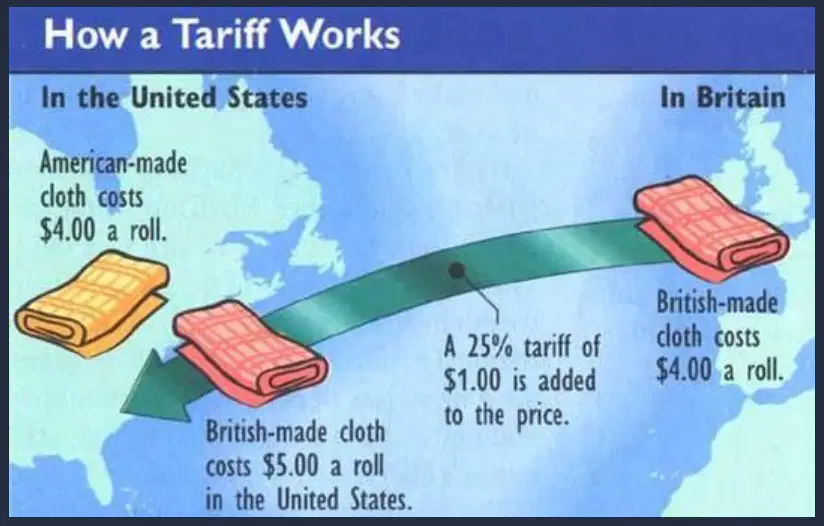
According to the diagram 'How a Tariff Works', what is the price of British-made cloth in the United States after a 25% tariff is added?
$4.00 a roll
$5.00 a roll
$1.00 a roll
$6.00 a roll
Which of the following is an objective of import quotas?
To increase imports from overseas markets
To adjust the adverse balance of payments
To encourage foreign trade policies
To subsidize domestic products
What is monetary policy? Fill in the blank: Monetary policy is the action taken by the federal bank to manage _______ and _______ to pursue economic objective.
money supply, interest rates
tax rates, government spending
exports, imports
inflation, unemployment
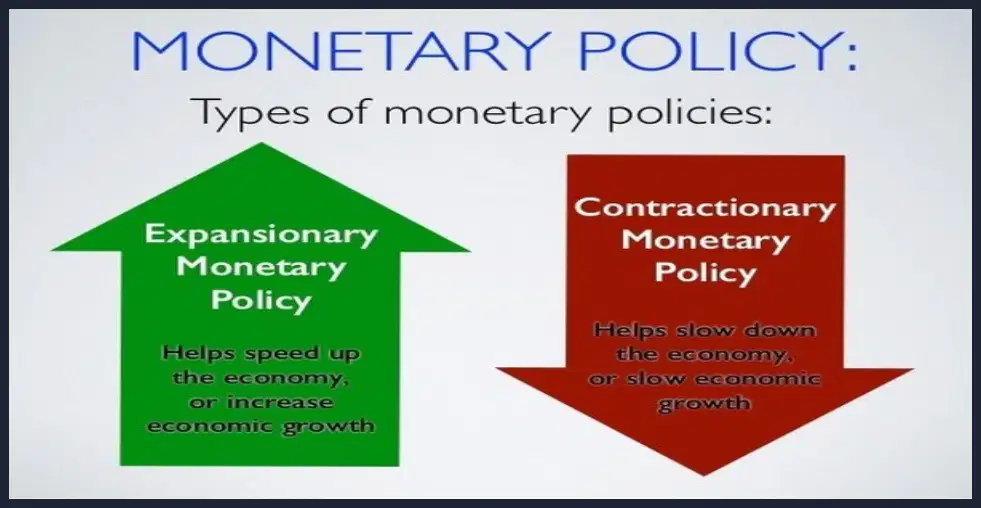
Which type of monetary policy helps speed up the economy or increase economic growth?
Expansionary Monetary Policy
Contractionary Monetary Policy

Which type of monetary policy helps slow down the economy or slow economic growth?
Expansionary Monetary Policy
Contractionary Monetary Policy
What is one effect of high interest rates on firms with variable interest loans?
They have to pay more in interest, reducing their profits.
They receive more government subsidies.
Their loan principal decreases automatically.
They can easily refinance at lower rates.
What is one effect of high interest rates on business expansion?
Managers may delay borrowing, reducing new investment and business activity.
Businesses are more likely to increase hiring and expand operations.
Interest rates have no impact on business decisions.
High interest rates always lead to increased consumer spending.
How do high interest rates affect consumer spending?
Higher interest payments reduce available income, so demand for goods and services could fall.
Consumers are encouraged to borrow more, increasing their spending.
Interest rates have no effect on consumer spending.
High interest rates increase disposable income, boosting demand for goods and services.
Why might businesses that make expensive items reduce output when interest rates are high?
Consumers are unwilling to borrow money to buy expensive items, so demand falls and businesses may reduce output.
Businesses want to increase their inventory when interest rates are high.
High interest rates make it easier for consumers to save for expensive items.
Businesses receive government subsidies when interest rates are high.
What is the effect called when the exchange rate of a currency rises due to higher interest rates?
Exchange rate appreciation.
Currency depreciation.
Interest rate parity.
Purchasing power reduction.
What is the main aim of supply side policies?
To increase government spending
To increase the competitiveness of industries in an economy against those from other countries and make the economy more efficient
To reduce taxes
To increase imports
Fill in the blank: Privatisation is now very common. The aim is to use the ______ motive to improve business efficiency.
profit
charity
social
environmental
Which of the following is an example of an interventionist supply side policy?
Reduction in Corporation Tax
Education and Training Programmes
Deregulation
Labour Market Reforms
Which of the following is an example of a free market supply side policy?
Infrastructure Projects
Securing Intellectual Property Rights
Deregulation
Education and Training Programmes
Supply side policies are designed to increase the quantity and/or quality of an economy’s factors of production.
True
False
What does 'Supply Side Improvements' refer to?
Increases the long-run productive potential of the economy
Reduces government spending
Increases imports
Reduces exports

