
 Worksheets
Fencing knots and joins
Total questions: 18
Worksheet time: 9mins
Which item is listed as personal protective equipment specifically for wire work in this section?
Safety glasses
High-visibility vest
Hard hat with chin strap
Knee pads
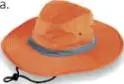
What clothing or protection is advised in summer when not wearing a helmet?
A beanie to keep warm
A brimmed hat to keep the sun from face and neck
A scarf to protect the throat
A wool cap with ear flaps
What does the Yield Point of a wire indicate according to the section on Wire Technology?
The point at which wire regains its original length
The point where permanent stretch begins
The point the wire first begins to bend elastically
The point where the wire snaps
What is the first safety rule when cutting a length of wire?
Cut quickly to reduce recoil
Never lose control of any wire you are going to cut and never let go
Use your non-dominant hand to hold pliers
Stand as close as possible to the jenny
Which item is listed as personal protective equipment for knot-tying tasks?
Hard hat
Eye protection
Hearing protection
Steel toe caps
What must be done to a figure eight joining knot before applying the final strain?
Trim both ends
Pre-tension by pulling the two ends together so parts of the knot rest correctly
Attach to the post
Paint the wire to prevent rust
What is the purpose of rotating backwards parallel to the wire when finishing a knot?
To loosen the wire
To create a clean break
To add extra tension
To align the posts
Where should the jaws of the crimping tool be placed to start crimping?
Over the middle of the wire
Over the end of the crimp sleeve
On the bare wire only
On the fence post
What action is taken to form each crimp once the jaws are positioned?
Tap lightly with a mallet
Compress the handles together
Twist the tool clockwise
Heat with a torch
When sliding the jaws of the crimping tool along the crimp sleeve, what spacing rule is given?
Leave 5 mm gaps between crimps
Leave no shoulders between crimps
Crimp only at the center
Crimp only at both ends
Which wire type is specified for the occasions described?
1.6 mm mild steel
2.5 mm high tensile
3.1 mm barbed wire
Aluminum tie wire
Which statement about using a crimp on hot wires is included?
Crimps block electricity flow
Crimps can be used to conduct electricity
Crimps must be insulated
Crimps only work on barbed wire
Which key concept is directly related to preventing injuries from sharp wire ends during finishing?
Protrusion prevention
Weatherproofing
Corrosion control
Load balancing
What must be ensured when buying crimps for different wires?
Choose the cheapest brand
Buy the correct sized crimp for the wire size
Only buy insulated crimps
Buy only universal size
What is the recommended method to remove excess wire to finish the join and avoid protrusions?
Cut with pliers leaving a 2 cm tail
Snap off the excess wire by rotating the end wire at 90 degrees to the main wire
Melt the end with a torch
Bend the end back parallel to the main wire
What is a common cause of kinks in wire during handling?
Prolonged sunlight exposure
Falling tools or equipment impacting the wire
Over-ventilation
Low temperature
Which statement best describes the purpose of a chain strainer in this context?
To cut wire to length
To tension wire
To measure wire diameter
To weld wire joints
What is the correct sequence regarding crimp application and strainer use?
Apply strainer, then apply crimp
Apply crimp over one wire before the chain strainer is applied
Apply both at the same time
Do not use crimps with strainers

