
Font size
 Worksheets
Introduction to Upper Body Skeletal System & The Human Skull
Total questions: 53
Worksheet time: 1hrs 20mins
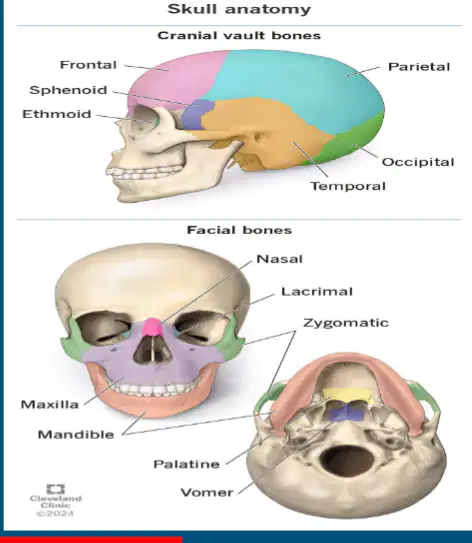
According to the overview of the human skull, how many cranial bones protect the brain?
6
8
12
14
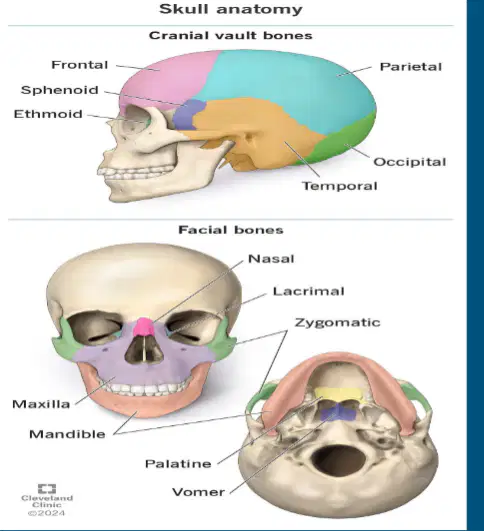
Why is the mandible considered unique among the bones of the skull?
It is the largest cranial bone.
It forms the nasal cavity.
It is the only movable skull bone.
It contains all the sinuses.
Which statement best describes the primary functions of the spinal column?
It produces red blood cells and stores calcium.
It protects the spinal cord, supports body weight, and enables movement.
It filters toxins from blood and regulates hormones.
It aids digestion and gas exchange.
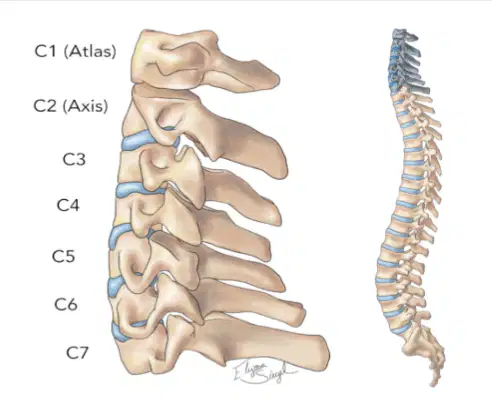
Which statement best describes the function of the Atlas (C1) in the cervical spine?
It allows head rotation
It supports the skull
It attaches to the ribs
It bears most body weight
Which term refers to the shoulder blade?
Clavicle
Scapula
Humerus
Sternum
Which component is explicitly listed as part of the shoulder girdle along with bones and a joint?
Cartilage rings of the trachea
Associated muscles and ligaments
Intervertebral discs
Pelvic ligaments
Which end of the clavicle articulates medially with the sternum?
Acromial end
Sternal end
Middle third
Conoid tubercle
Considering structure–function, which pairing is most accurate?
Acromion process — socket for humerus
Glenoid cavity — articulation with humeral head
Coracoid process — medial articulation with sternum
Clavicle shaft — articulates with rib head
Which ribs are categorized as false ribs according to the material?
Ribs 1–7
Ribs 8–10
Ribs 9–12
Ribs 10–12
Which structure provides the anterior midline articulation for many ribs via costal cartilage?
Thoracic vertebrae
Sternum
Scapula
Clavicle
Which combination correctly pairs a rib category with its typical attachment pattern?
True ribs — attach to the rib above
False ribs — no anterior attachment
Floating ribs — attach directly to the sternum
False ribs — attach to the rib above via cartilage
Which term refers to the lowest, small portion of the sternum?
Body
Manubrium
Xiphoid process
Sternal angle
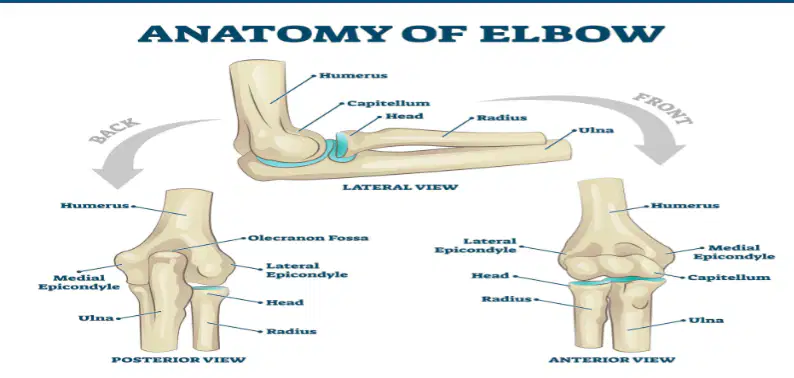
Which three bones meet to form the elbow joint, as shown in the elbow anatomy figure?
Scapula, clavicle, humerus
Humerus, radius, ulna
Radius, ulna, carpal bones
Clavicle, ulna, humerus
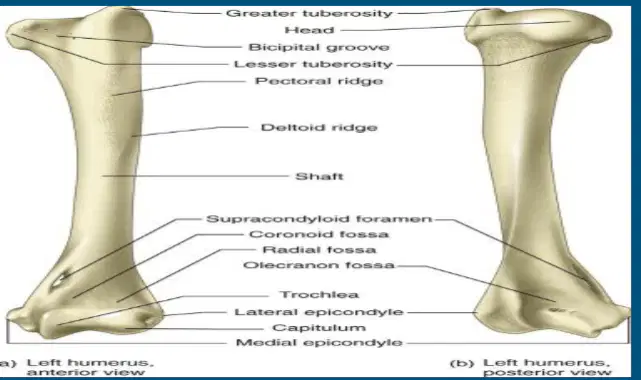
Which structure fits into the olecranon fossa of the humerus during elbow extension, as suggested by the labeled humerus diagrams?
Head of radius
Olecranon process of ulna
Coronoid process of ulna
Glenoid cavity


In this picture, what is represented in multi-colors?
Carpals
Tarsals
Phalanges
Radius

What number is pointing at the ribs?
#1
#11
#10
#9


What kind of vertebra is this?
thoracic
cervical
lumbar
sacral
Which two bones make up the Pectoral (shoulder) Girdle?
CHOOSE TWO OPTIONS
clavicle
scapula
pelvis
sternum
Shoulder blade
Cartilage
Humerus
Clavicle
Scapula
Which of the following is NOT a function of the thoracic cage?
Protecting the heart
Supporting the shoulder blades
Aiding in respiration
Producing red blood cells


nasal
frontal
zygomatic
occipital

Name the bone
maxilla
nasal
frontal
sphenoid

IDENTIFY THE COLORED PART
(a)
Discuss the role of the nasal bones in the anatomy of the face.
They form the lower jaw and support the teeth.
They form the bridge of the nose, providing structure and support.
They form the cheekbones and part of the eye socket.
They form the upper jaw and support the teeth.

What area is the picture showing?
Carpals
Metacarpals
Phalanges

What area is the picture showing?
Carpals
Metacarpals
Phalanges
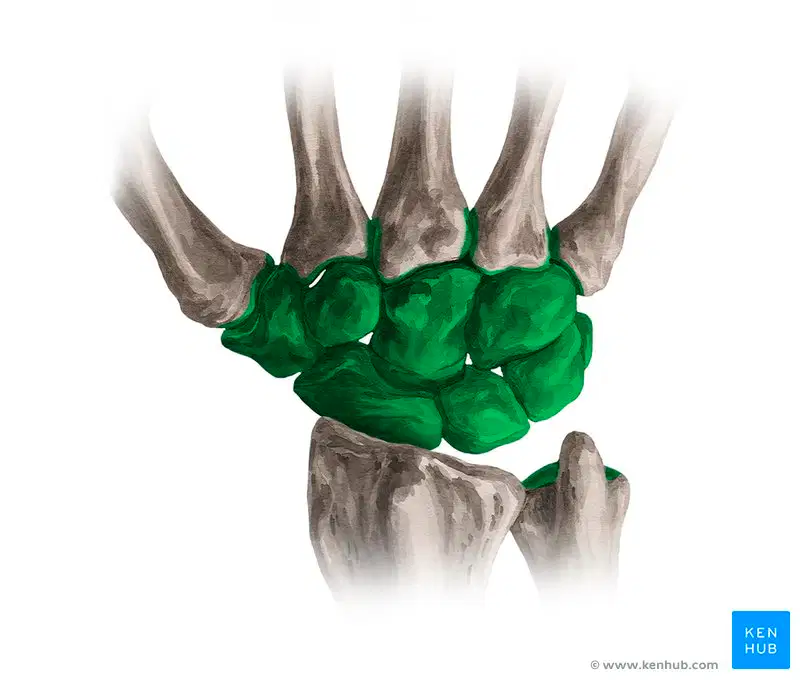
What area is the picture showing?
Carpals
Metacarpals
Phalanges

What area is the picture showing?
Trapezoid
Trapzium
Capitate

What area is the picture showing?
Trapezoid
Trapzium
Capitate

What area is the picture showing?
Scaphoid
Lunate
Hamate

What area is the picture showing?
Scaphoid
Lunate
Hamate

What area is the picture showing?
Scaphoid
Lunate
Hamate

What area is the picture showing?
Triquetrul
Pisiform
Ulna

What area is the picture showing?
Triquetrul
Pisiform
Ulna

What is the injury in the x-ray?
Ulnar collateral ligament sprain
Elbow dislocation
Olecranon bursitis
Volkman's contracture



